Tottenham's Early Season Struggles: A Bleak Start
Tottenham’s troubles deepened in North London as Anthony Elanga and Yoane Wissa struck to hand the visitors a composed, clinical victory and leave Spurs staring at a bleak early-season picture.
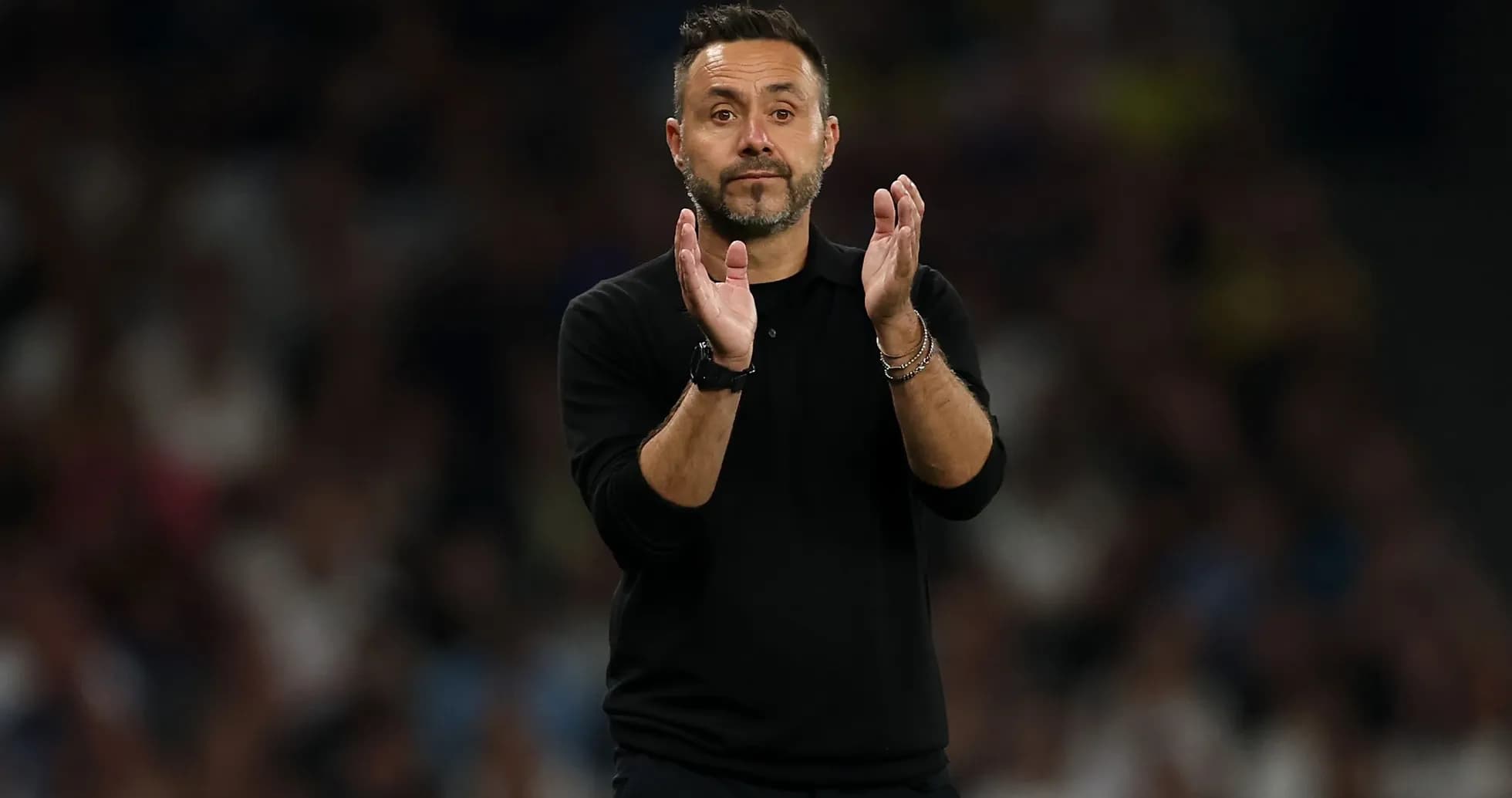
The scoreline read 2-0. Roberto De Zerbi insisted it told only half the story.
“We played better than Newcastle until the first goal,” he told BBC Sport, clearly bristling at the outcome. For all Tottenham’s possession and neat patterns, they rarely pierced a stubborn Magpies back line, and when they did, the final pass or finish deserted them.
An unwanted slice of history
This defeat cut deeper than just another early-season setback. It dragged Spurs into the record books for all the wrong reasons.
For the first time in 52 years, they have failed to score while losing their opening two league matches. Not since the 1974-75 campaign have Tottenham started a season with back-to-back defeats without finding the net.
The sense of déjà vu from last season’s struggles has been impossible to ignore. A 3-0 hammering at Brentford on the opening day, now followed by another blunt, goalless display, has turned what was supposed to be a fresh chapter under De Zerbi into a tense, uneasy beginning.
De Zerbi’s frustration: “Unfair result”
De Zerbi did not hide his irritation, but he placed the blame as much on his own team’s structure as on misfortune.
“We lost ball possession in the first half because we didn’t defend in the right way, the distance between the defenders and attackers was too big,” he said. “We can improve in the defensive phases but today was an unfair result.”
The tactical detail mattered to him. Spurs pressed high, tried to compress the pitch, but the gaps between their lines allowed Newcastle to breathe, reset and eventually punish them. When Elanga and Wissa struck, it felt like the inevitable outcome of those structural flaws rather than a sudden twist.
Wasteful in the final third
If the shape without the ball angered De Zerbi, the decision-making near goal exasperated him.
“At the beginning of the second half we had some chance to create the potential chances,” he explained, underlining just how often promising positions fizzled out. “We created many chances to score, we have to improve the last decision, because that will make a difference.”
Tottenham moved the ball into advanced areas often enough to stir the crowd, but the final action – the cut-back, the shot selection, the weight of the through ball – repeatedly let them down. The patterns are there. The punch is not.
By full-time, the frustration in the stands was obvious. De Zerbi felt it too.
“At the end we are disappointed for the result and our fans. We are working to be a great team. When we become a team I think we can change the story of the last two seasons for Tottenham. We are working to be good on the pitch, if you believe in work and training then you have to improve day by day.”
Big spend, slow start
The backdrop to all this makes the start even more jarring. Tottenham came into the new season determined to bury the memory of last term’s final-day relegation escape. The board backed that ambition with more than £350 million in summer signings, reshaping the squad for De Zerbi’s demanding style.
Two games in, the return is brutal: no goals, six conceded, and serious questions from a fanbase promised something very different.
Yet De Zerbi has no intention of flinching.
Speaking to Sky Sports, he delivered a firm message to those already doubting the project. “There is no panic. I know where we are going and what the plan is. I’m sorry for the fans for the result. We have to improve. We have to work hard on the pitch and find the connection between the players.”
That “connection” now feels like the defining word of Tottenham’s season. The money has been spent, the ideas are clear, the patience is thinning. The next few weeks will show whether this is just a stuttering take-off or the start of another turbulent campaign in North London.