Tottenham's Struggles: De Zerbi's Mixed Emotions After Draw with Nottingham
Tottenham finally stopped the bleeding on Saturday. No defeat, a first point of the season, and a clean sheet to take home from the City Ground. But no win, no goals, and a manager who knows exactly where the problems are piling up.
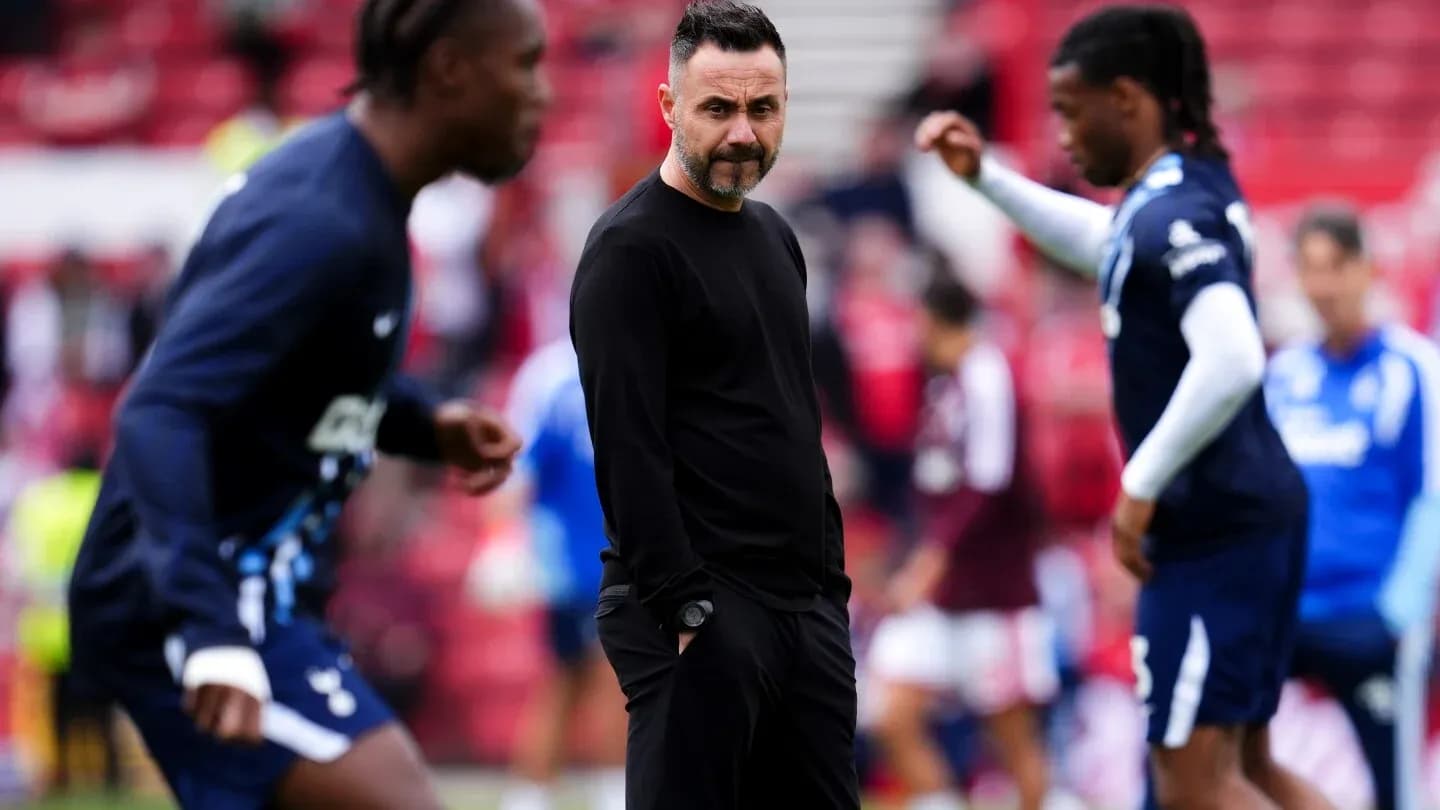
Roberto De Zerbi watched his side scrap their way to a 0-0 draw with Nottingham Forest, a game that was more brawl than ballet, and came away encouraged by almost everything except the bit that actually decides matches.
De Zerbi: Happy with the play, frustrated with the payoff
“Disappointing for the result, but for the performance, very happy,” De Zerbi said afterwards. “Considering we started working together on Thursday for the first time, we played well.”
That line tells you plenty. This is a team still learning its manager, and a manager still working out what he can trust. The structure, he felt, largely held.
“I think we can improve in the last pass,” he continued. “If we improve in the last third, I think we can score many, many goals because we have the players with big qualities. Now it’s a tough moment to accept this result, because I think we played well.”
Tottenham moved the ball with purpose through the first two thirds of the pitch. They built from the back, they found their spare man, they handled Forest’s press. De Zerbi insisted the issue isn’t some mysterious attacking “lock” they can’t pick.
“It’s not to unlock [the final third]. It’s the mistakes. We have to work in this part,” he said. “I think we played very well with the ball, we found the solutions because they press [our defenders] with three, but one of our full backs was always alone and we found him always in 90 minutes. So in build-up, we played very well. In the last third, I think we can be… better. Much better.”
The pattern is clear: Spurs can get there. They just don’t know what to do once they’ve arrived.
Key changes, key losses
The game’s rhythm shifted around the hour mark, and De Zerbi didn’t hide from it. Two enforced substitutions dragged at Tottenham’s balance.
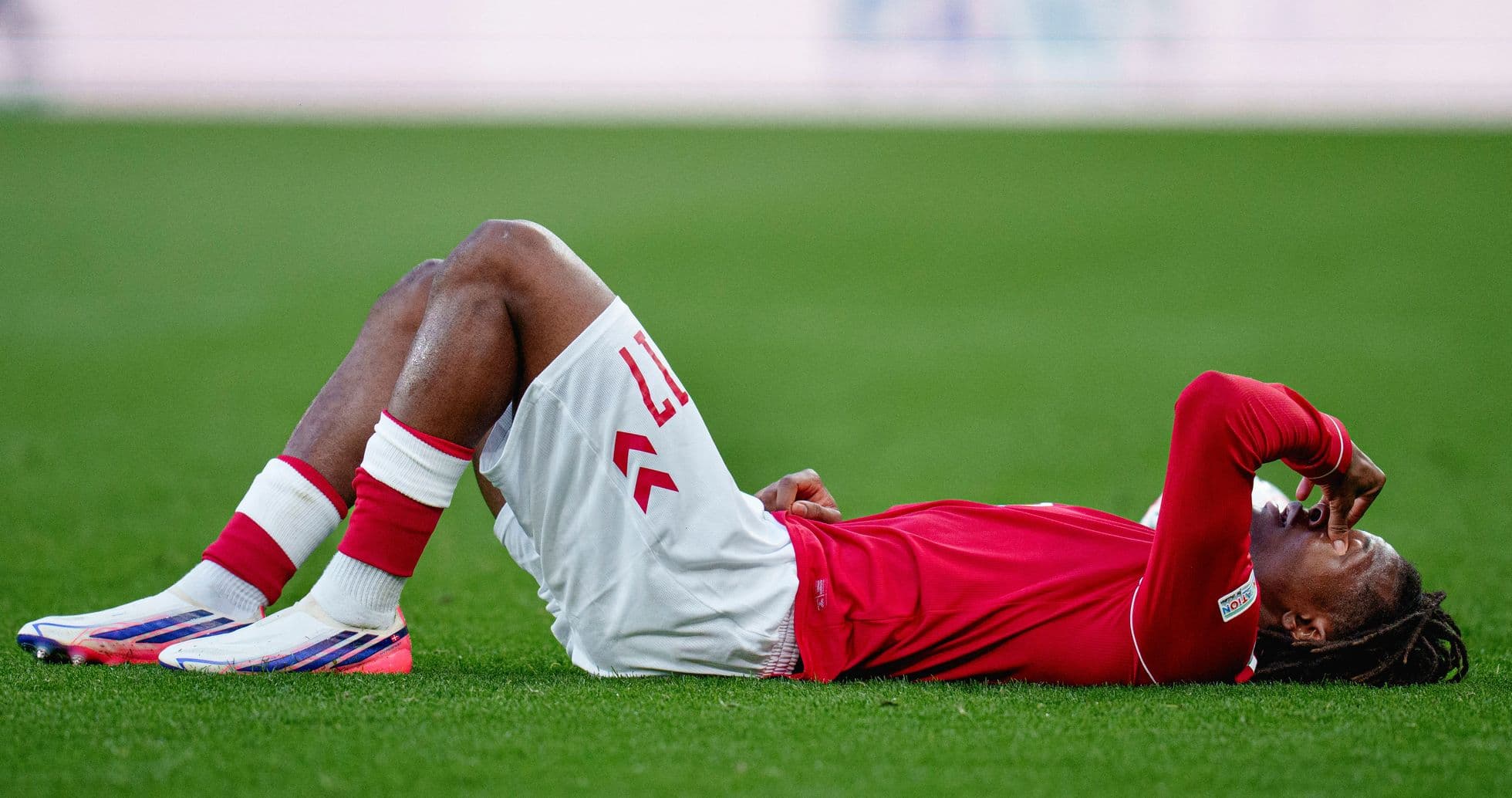
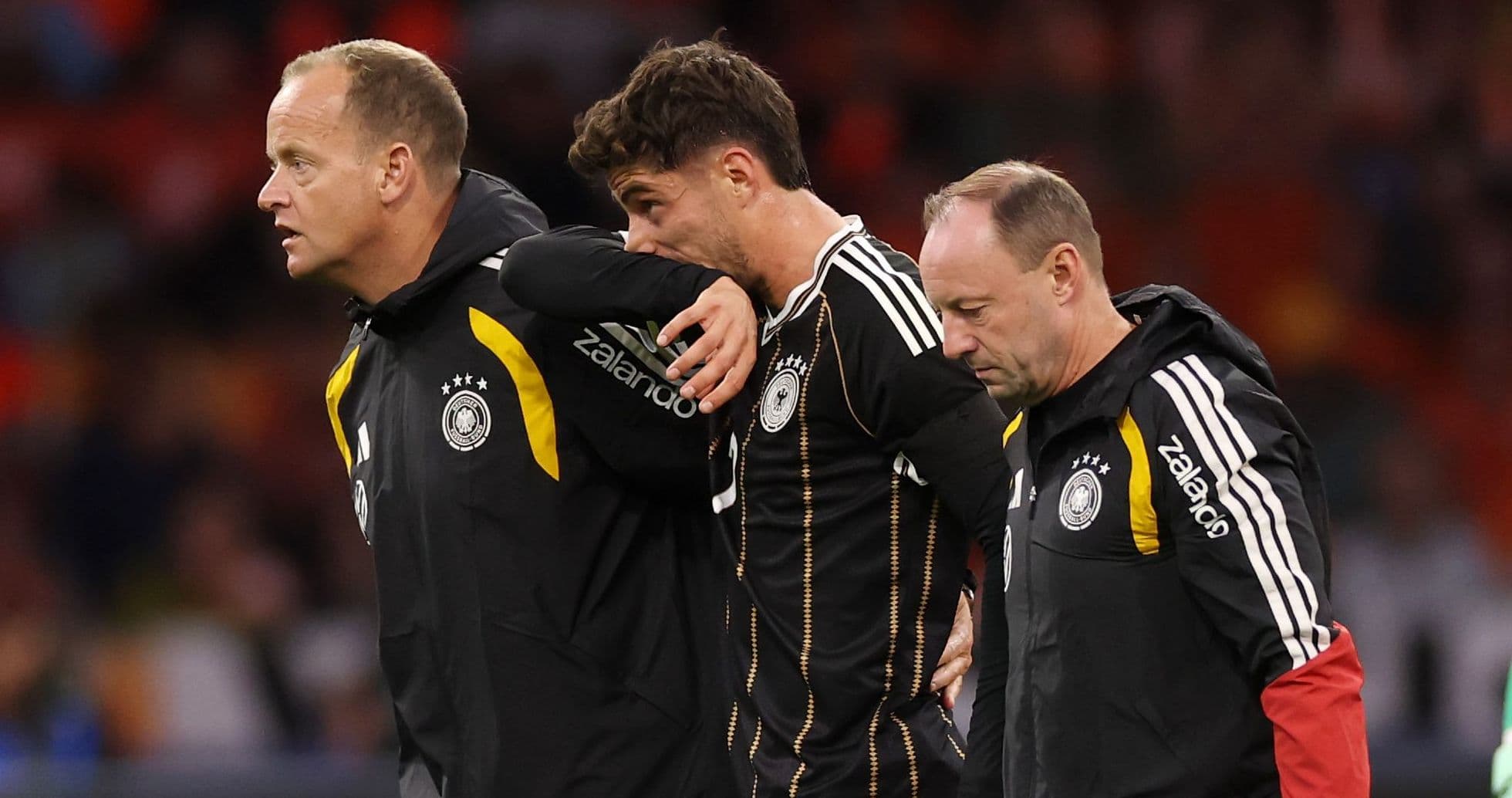
“The second half, I’m sorry because the medical stuff pushed to change Savio and Udogie after 60 minutes,” he explained. “Kudus and Robertson played very well, but maybe two substitutions in that moment was not so good. But now we can’t take risk with injuries again. Savio is too important for us, the same Destiny. Maybe we lost some balance, some connection [when they came off].”
The logic is brutal but simple: protect your stars now or lose them for weeks. De Zerbi chose caution. The cost was fluency.
Even so, he was pleased with how his side coped without the ball.
“I think today we defended very, very well. We have to improve the physical condition [of some players], the connection between the players. We changed, I don’t know how many players in this transfer window. We brought very, very good players, but the team doesn’t adjust like the names on paper or Football Manager.”
That last line cut to the heart of Tottenham’s situation. On paper, this is a squad with attacking talent everywhere you look. On grass, it’s three Premier League games without a goal.
Solid floor, low ceiling
The irony is that the system De Zerbi believes in is built to stress his own defenders. They are asked to play, to invite pressure, to take risks. When it works, the attacking gains outweigh the danger. When it doesn’t, you’re just exposing your back line for very little reward.
Right now, Spurs are living in that uncomfortable middle ground. The back is under strain, the front isn’t paying it off.
Micky van de Ven, though, has embraced the chaos. The Dutch defender has started the season impressively, thriving in those high-wire situations and forming a strong partnership with compatriot Jan Paul van Hecke. Even in last week’s defeat to Newcastle, Tottenham’s open-play defending held up; it was set pieces that undid them in what was otherwise another steady display.
Van de Ven, in truth, raises Tottenham’s defensive floor more than anyone else in the squad. He keeps them in games.
The problem is what happens when they cross halfway. The ceiling is still painfully low.
The missing piece in midfield
On paper, De Zerbi is not short of attacking options. He said as much. But games are not played on paper, and the old flaw has followed Spurs into a new season.
They lack a genuine creator in midfield. Without a true no. 10, they rarely pierce teams through the middle. The ball goes wide, again and again, giving opponents time to shuffle across, get set, and fill the box with bodies.
Forest read the script early. They pressed high at the start, then retreated into a compact block, defending with nine or ten players in and around their own penalty area. Tottenham had plenty of dribblers, plenty of players who can beat a man, but no one to stitch the moves together in central areas.
And when the white shirts swarmed around that familiar rectangle in front of goal, there was no final incision. Just another attack funneled wide, another cross, another Forest clearance.
Spurs finished with a point and a clean sheet, but still no Premier League goal to their name.
James Maddison’s return looms as the obvious solution. Perhaps he comes back from injury and quickly rediscovers the form that once made him one of the division’s most inventive playmakers, despite effectively missing a year. Perhaps he instantly gives this team the central spark it so clearly lacks.
The more sober reading? Until Tottenham prove they can hurt teams consistently and drag opponents out of their shell, it may look a lot like this for a while: organised, committed, defensively sound — and still staring at that white rectangle, wondering who will finally make it count.