Tampa Bay Rowdies Secure 2–0 Win Against Louisville City in USL Championship
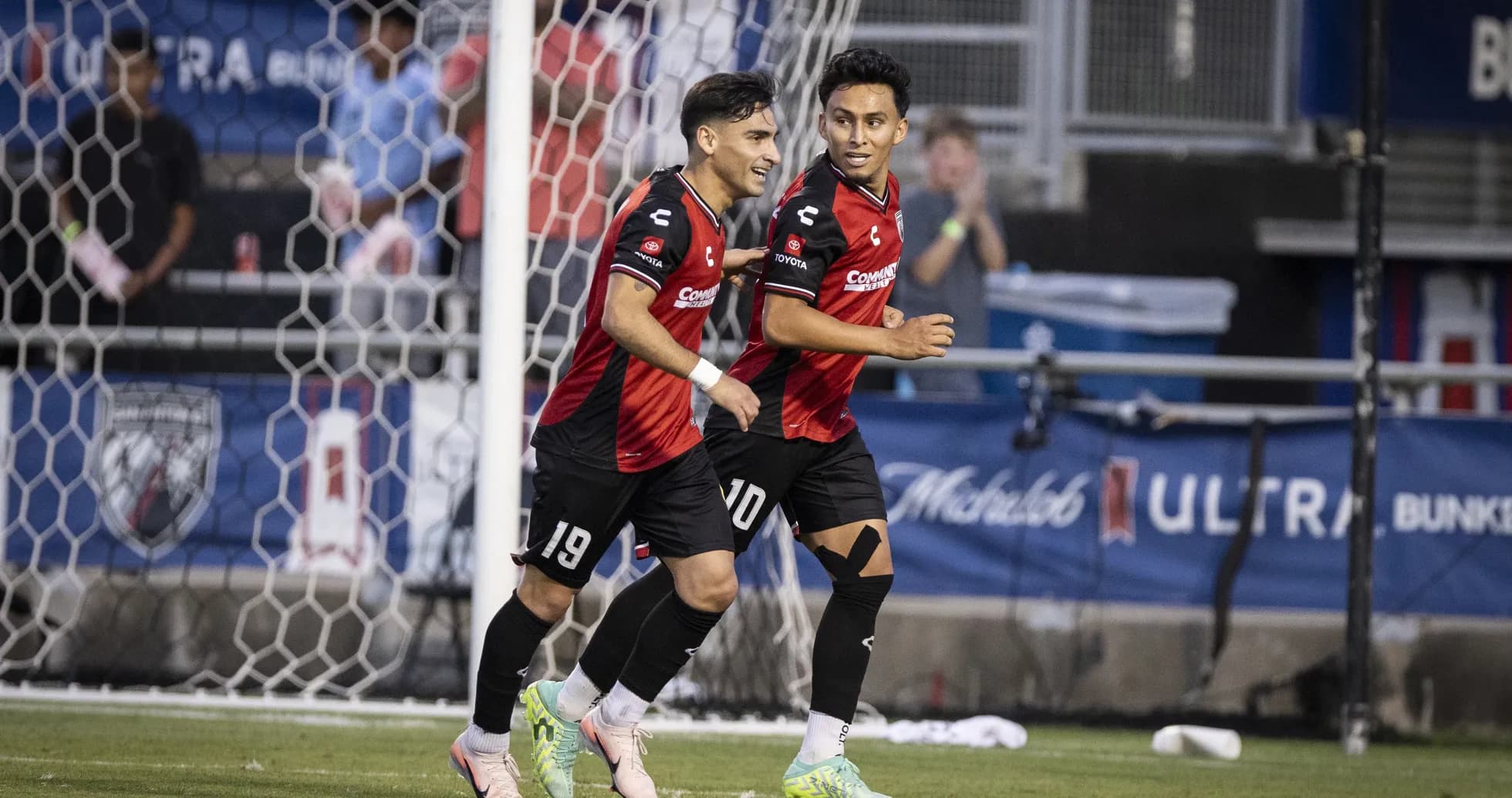
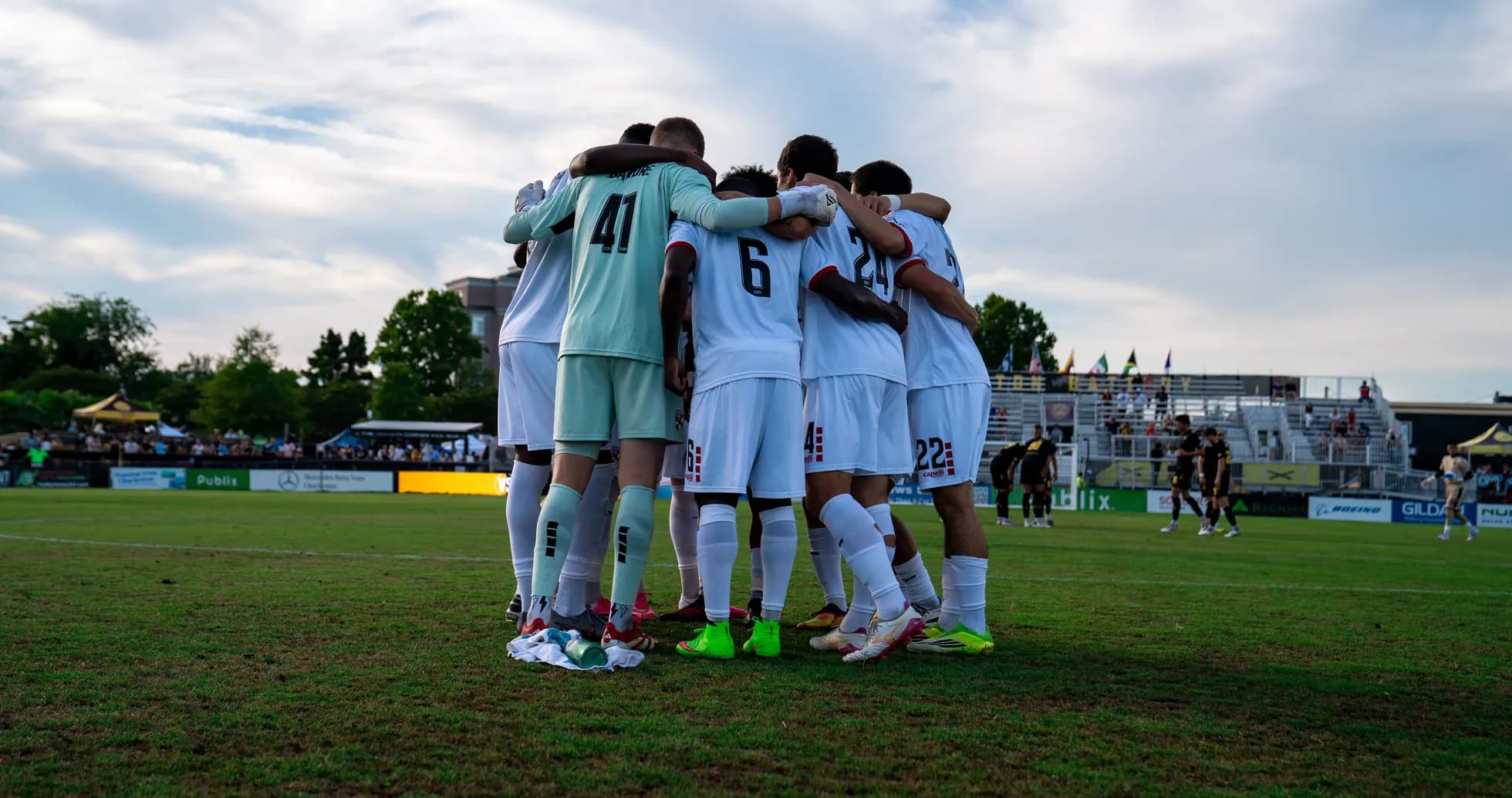
Under the lights at Lynn Family Stadium, a meeting of contrasts in the USL Championship’s Group Stage ended with a ruthlessly efficient 2–0 away win for Tampa Bay Rowdies over Louisville City. Following this result, the league leaders’ unbeaten aura hardened into something more imposing, while Louisville’s promotion-hopeful profile looked suddenly fragile despite their still-respectable 6th place standing.
I. The Big Picture – Styles Collide, Records Exposed
Heading into this game, the numbers had already framed the narrative. Louisville City were the archetypal high-variance side: in total this campaign they had scored 19 and conceded 19 across 11 matches, a perfectly flat goal difference of 0 that reflected their split personality. At home, they averaged 1.5 goals for and 1.5 against, winning 3 and losing 3 in 6 outings – a side that could thrill or unravel, sometimes in the same week.
Tampa Bay arrived as the division’s metronome of control. Overall, they had 19 goals for and only 5 against in 11 matches, a commanding goal difference of +14 built on a defensive record that bordered on miserly. On their travels, they had 4 wins and 2 draws from 6, scoring 7 and conceding just 2, with an away average of 1.2 goals for and 0.3 against. Seven clean sheets in total told the story of a team that rarely needs more than a single goal to bend a game to its will.
Over 90 minutes, that statistical DNA played out almost to script. Louisville’s attacking ambition never quite translated into incision, while Tampa Bay’s structure, patience and defensive poise gradually suffocated the hosts and turned the night into another clinical chapter in the Rowdies’ unbeaten run.
II. Tactical Voids – Where the Game Was Lost
Louisville’s lineup, under Simon Bird, hinted at a side trying to stretch the pitch vertically. D. Faundez in goal sat behind a defensive line anchored by S. Totsch, J. Jones, K. Adams and A. Dia – a group asked to hold a high enough line to support an aggressive midfield band of T. Davila, Z. Duncan and A. McFadden. Ahead of them, M. Akale and R. Serrano were tasked with finding pockets around central striker C. Donovan.
The problem was the gap between intention and execution. Louisville’s season-long profile already warned of fragility: in total they had kept only 2 clean sheets in 11 matches, and at home they had failed to score in 3 of 6 fixtures. When that kind of side falls behind to a defensive juggernaut like Tampa Bay, the tactical void becomes psychological as much as structural.
Tampa Bay, guided by Dominic Casciato, leaned into their identity. J. Waite in goal was shielded by a back unit including D. Acoff, L. Wyke, B. Schaefer and N. Dossantos, with C. Ostrem often key in controlling wide spaces. In midfield, L. Perez, S. Cruz, M. Schneider and Pedro Becker formed a compact, rotating block, providing the platform for M. Myers to lead the line.
With no injuries or suspensions listed, this was close to full-strength against full-strength. The real absences were conceptual: Louisville lacked a reliable mechanism to break down a low-allowance defense, while Tampa Bay showed no such deficit in game management. Discipline further underlined the divide. Across the season, Louisville’s yellow cards cluster between 46–60 minutes (27.78%) and 76–90 minutes (22.22%), a pattern of mounting frustration as matches wear on. Tampa Bay’s bookings spike even more sharply late, with 25.81% of their yellows arriving between 76–90 minutes – the price of fierce late-game duels they usually control.
III. Key Matchups – Hunter vs Shield, Engine Room vs Enforcer
Without explicit top-scorer data, the “Hunter vs Shield” battle becomes conceptual rather than individual: Louisville’s home attack, averaging 1.5 goals per game, against Tampa Bay’s away defense conceding just 0.3. That clash defined the night. Every time Louisville tried to commit numbers forward, Tampa Bay’s back line compressed space with almost mechanical precision.
M. Myers was the Rowdies’ spearhead, constantly testing the channels between Totsch and Jones. Even when he was not the finisher, his movement pinned Louisville’s back line, preventing them from stepping into midfield to help Duncan and T. Davila. That separation was crucial: Louisville’s midfielders were forced to receive under pressure, often with their backs to goal, and the home side’s passing sequences rarely reached Serrano or Akale in advantageous positions.
In the “Engine Room” matchup, Tampa Bay’s central trio of L. Perez, S. Cruz and M. Schneider quietly dictated the rhythm. Their simple, repeatable patterns – one dropping to build, one holding the pivot, one stepping beyond – turned the middle third into a green-and-yellow domain. Every second ball seemed to fall their way, not by chance, but by virtue of superior spacing and anticipation.
Louisville’s response from the bench – options like T. Showunmi, Q. Huerman, E. Davila, S. Gleadle and E. Perez – brought fresh legs but not a new structure. Substitutions such as Showunmi replacing Donovan or Gleadle replacing Akale (the exact sequence is not provided, but the vector of change is clear) shifted personnel rather than the underlying geometry. Tampa Bay, by contrast, could reinforce their control with M. Micaletto, G. Vivi Quesada, E. Conway or K. Henderlong, each able to slot into an already coherent system.
IV. Statistical Prognosis – xG Logic and the Road Ahead
Even without explicit xG numbers, the season data allows a reasoned tactical prognosis. A side that, on their travels, concedes 0.3 goals per match and has never lost in 6 away fixtures is structurally built to suppress opposition xG. Combine that with 4 away clean sheets in 6 and a total of 7 clean sheets overall, and Tampa Bay’s defensive baseline in any given match is that opponents will struggle to generate more than a handful of high-quality chances.
Louisville, meanwhile, live on the edge. In total they average 1.7 goals for and 1.7 against, with only 2 clean sheets and 3 games at home where they have failed to score. That volatility inflates both their own xG and the xG they concede, but against an opponent as organized as Tampa Bay, the ceiling on their attacking output is effectively lowered.
Following this result, the underlying trends harden into expectation. Tampa Bay’s unbeaten run and +14 overall goal difference suggest that, in a two-legged 1/8-final style tie, they would enter as clear favourites on both the numbers and the eye test: their defensive solidity compresses opponents’ xG, while their own attack needs only moments, not waves, to decide games.
For Louisville, the path forward is clear but demanding. They must find a way to preserve their attacking verve while reducing chaos at the back – to turn that flat goal difference of 0 into a positive margin without simply doubling down on risk. The squad has technical pieces in Akale, Serrano and Donovan, and defensive leaders like Totsch and Dia, but the next step is structural: a more stable block in front of Faundez, and a clearer plan for how to disorganize elite defensive units like Tampa Bay.
On this night at Lynn Family Stadium, the league leaders showed what a promotion-ready profile looks like: controlled, ruthless, and almost entirely devoid of panic. Louisville, still in the promotion picture, were reminded that in a league where margins are thin, the sides that manage xG and emotion with equal precision are the ones that turn promising seasons into deep playoff runs.