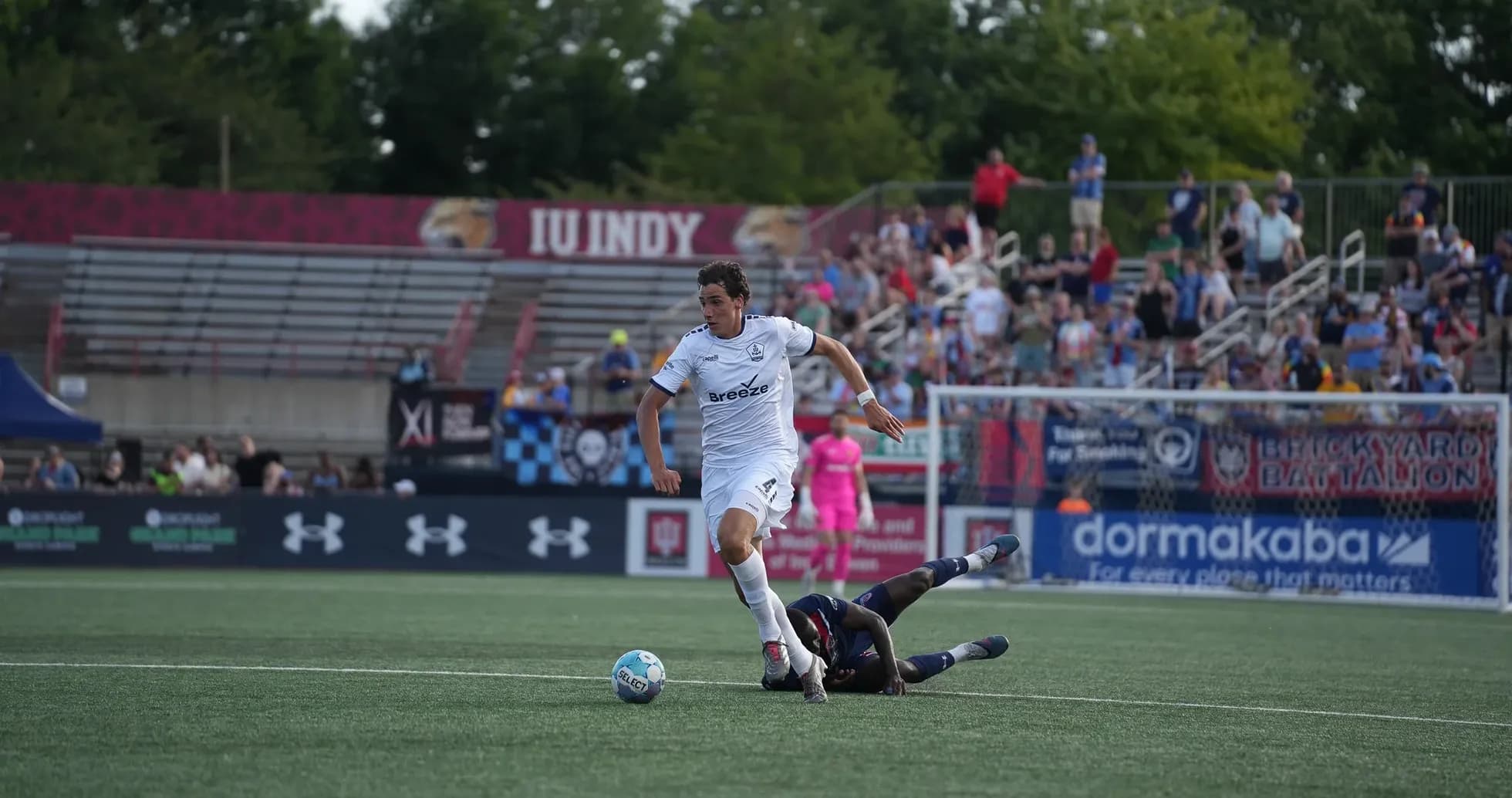
Indy Eleven's Fortress Holds in 1–0 Win Over Rhode Island
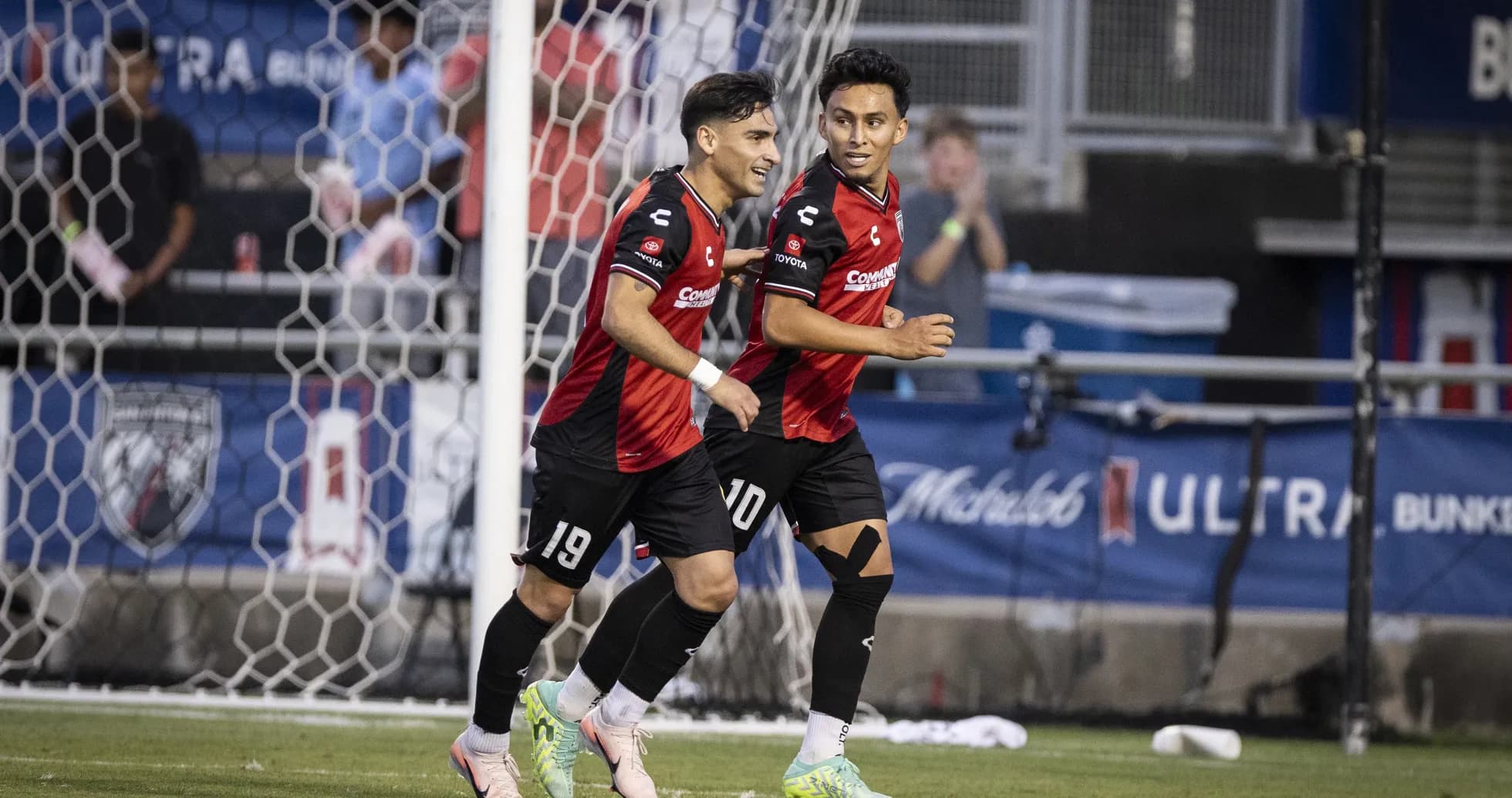
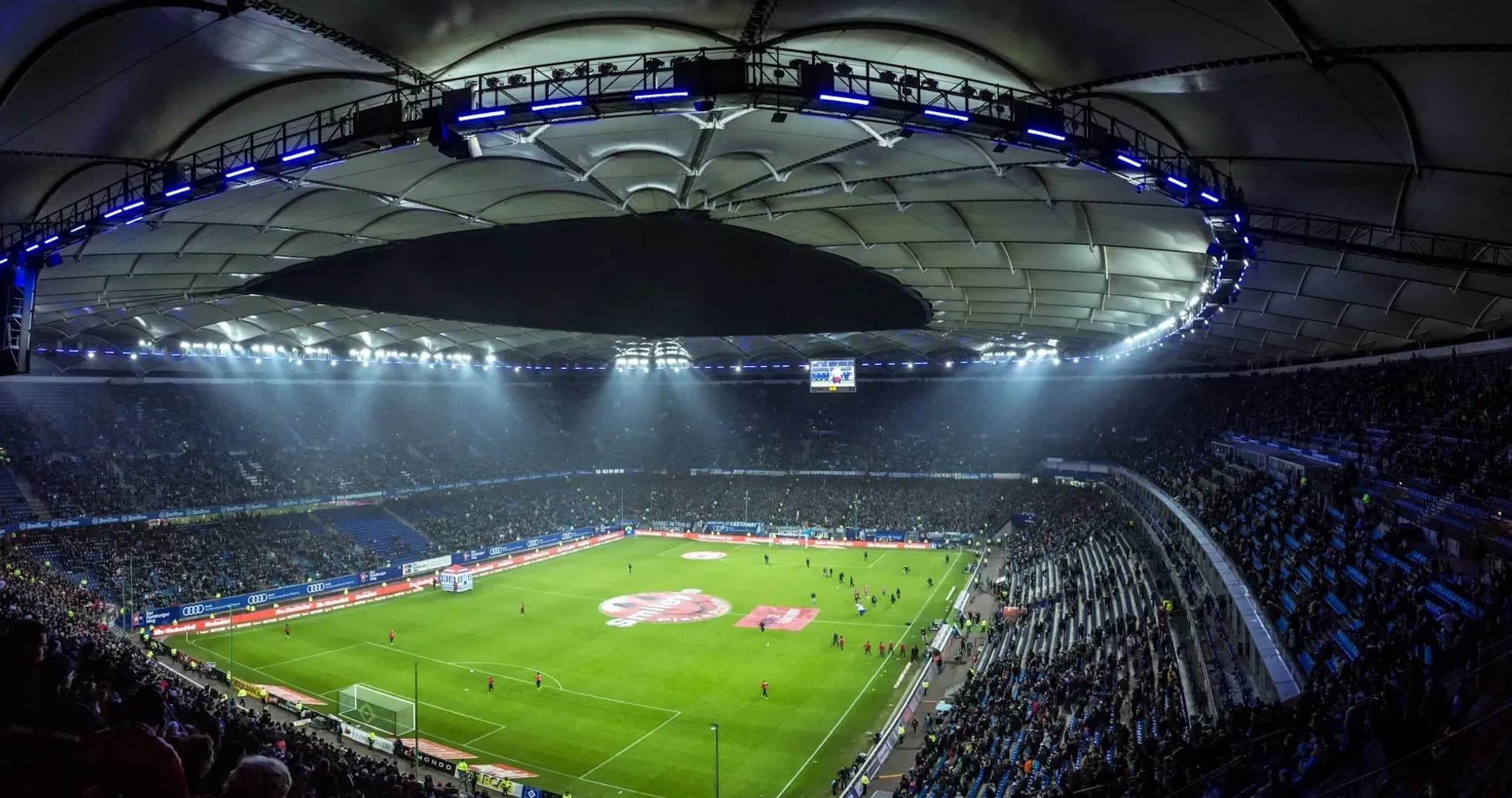
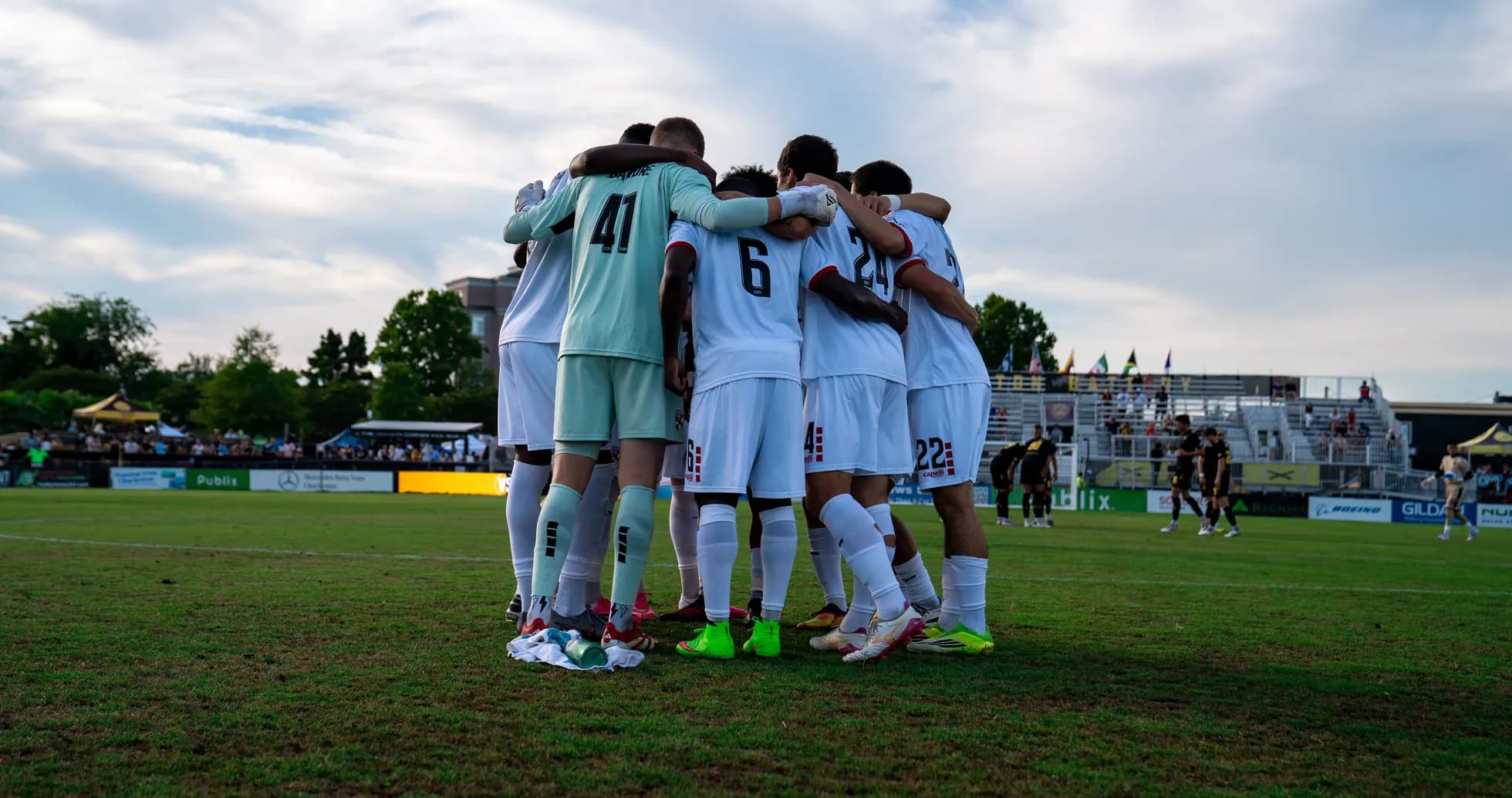
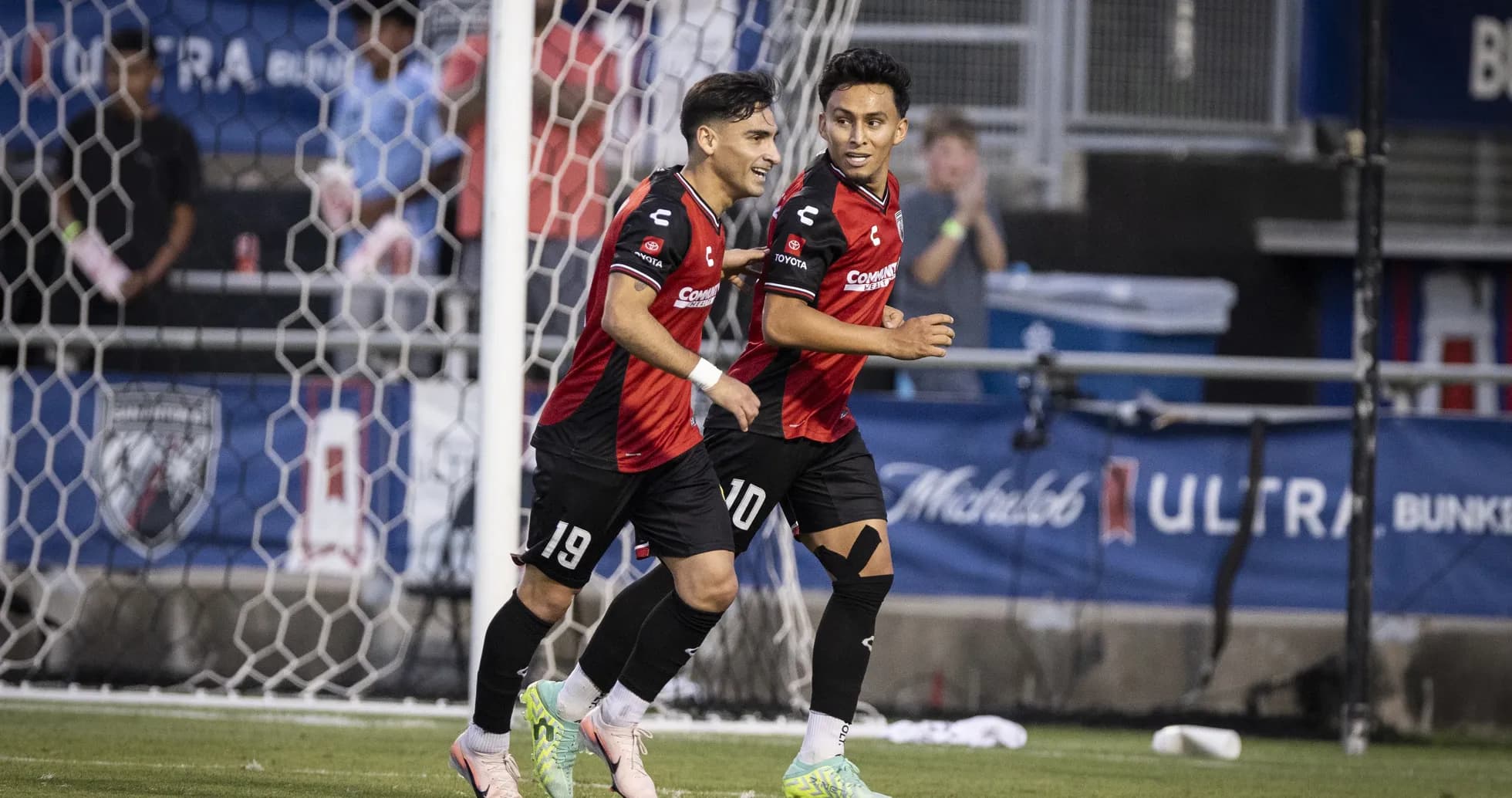
Under the lights at Michael A. Carroll Stadium, Indy Eleven’s 1–0 win over Rhode Island felt less like a routine group-stage result and more like a statement of identity. Heading into this game, the numbers already framed it as a clash of contrasting temperaments: Indy, second in USL 1 with 18 points and a goal difference of 5, had built a fortress at home; Rhode Island, ninth with 12 points and a goal difference of 3, were still defining themselves on their travels.
I. The Big Picture – A Fortress Tested
Indy’s season-long profile is clear. Overall, they had played 10 matches, winning 5, drawing 3, and losing 2. The spine of that success lives in Indianapolis: at home they had played 6, winning 5 and drawing 1, scoring 12 and conceding just 5. That is an attacking average of 2.0 goals at home, against only 0.8 conceded. On their travels, by contrast, they had yet to win, with 0 away victories and an away goals-for average of 1.0.
Rhode Island came in as a more volatile proposition. Overall, they had 3 wins, 3 draws, and 4 defeats from 10, scoring 17 and conceding 14. At home they were solid (11 goals for, 6 against in 6 games), but away they were fragile: in 4 away matches they had 1 win and 3 losses, scoring 6 and conceding 8, an away defensive average of 2.0 goals against.
This fixture, finished in regulation under the watch of referee T. Snyder, confirmed the trend lines. Indy protected their home aura, while Rhode Island again discovered the limits of their away resilience.
II. Tactical Voids and Discipline – The Edges of Control
There were no listed injuries or suspensions in the data, so both coaches, Sean McAuley and Khano Smith, effectively had full decks. That made selection choices more revealing.
McAuley’s Indy XI featured E. Dick in goal, a back line anchored by L. Neidlinger, M. Rasheed, and P. Craig, and a midfield core built around C. Lindley and N. Okello. Ahead of them, A. Quinn, B. Rendon, J. O’Brien, J. Blake, and E. Kizza offered layers between lines rather than a single focal point. The bench – with options like K. Williams and H. Barry – hinted at late-game pace and direct threat if needed.
Smith’s Rhode Island side leaned on experience at the back with Koke Vegas in goal, G. Stoneman and K. Yao central, and A. Sanchez wide. In midfield, C. Holstad and H. Bacharach Capdevila were tasked with both screening and launching transitions, while J. Kwizera and A. Shapiro-Thompson provided creative width behind a front pair of Leo Afonso and J. Williams.
Disciplinary trends shaped the emotional rhythm of the night. Heading into this game, Indy’s yellow-card profile showed a pronounced spike between 31–45 minutes, where 31.25% of their cautions had arrived, and a secondary wave late, with 25.00% between 76–90. Rhode Island, by contrast, were a late-game flashpoint: 34.78% of their yellows and 100.00% of their reds had come in the 76–90 window. That statistical backdrop framed the second half as a psychological test: could Indy sustain pressure without losing control, and could Rhode Island chase without tipping into chaos?
III. Key Matchups – Hunter vs Shield, Engine vs Enforcer
Without individual scoring charts, the “Hunter vs Shield” battle becomes a unit-versus-unit story. Indy’s home attack, averaging 2.0 goals at Michael A. Carroll Stadium, confronted a Rhode Island away defense conceding 2.0 goals per game. On paper, that tilt favored the hosts, and the 1–0 scoreline, if anything, underplayed the structural advantage.
The “Shield” on Indy’s side was their home defensive record: only 5 goals conceded in 6 home matches heading into this game, a 0.8 average. That back line, fronted by the positional discipline of Lindley and the physical presence of Okello, was built to deny space between lines. E. Dick’s presence in goal completed a unit that, statistically, is far more secure in Indianapolis than on the road.
For Rhode Island, the creative axis of Kwizera and Shapiro-Thompson, supported by Holstad and Bacharach Capdevila, formed the “Engine Room.” Their task was to punch through Indy’s midfield screen and connect to Leo Afonso and J. Williams quickly enough to exploit any transitional gaps. But Rhode Island’s own season profile – 1.5 goals scored on their travels, against 2.0 conceded – suggested that even when they find attacking rhythm, they often pay for it defensively.
The midfield duel was therefore decisive. Lindley’s metronomic passing and O’Brien’s work rate offered Indy control of tempo, while Okello’s physicality gave them a deterrent against Rhode Island’s attempts to dribble or combine centrally. When McAuley turned to his bench, the likes of K. Williams or H. Barry could have been introduced to stretch a tiring Rhode Island back line, adding direct running against defenders already statistically prone to late bookings.
IV. Statistical Prognosis – xG, Margins, and What Comes Next
While explicit xG values are not provided, the season-long patterns allow a reasoned tactical prognosis. Indy’s overall goals-for average of 1.6 and goals-against average of 1.1, combined with their home dominance, suggest that their typical xG profile at Michael A. Carroll Stadium is comfortably above opponents’. Rhode Island’s overall 1.7 goals for and 1.4 against indicate a team that plays open, chance-rich football, but their away defensive average of 2.0 conceded points to a recurring structural vulnerability when pushed back.
In that context, a 1–0 Indy win reads like a controlled, slightly under-scored outcome: the hosts likely generated the better chances, leaned on their defensive solidity, and never needed to chase the game. Both sides were perfect from the spot heading into this match, each having taken and scored 1 penalty in total, with no misses; there was no evidence of a looming penalty frailty to tilt the narrative.
Following this result, the broader arc is clear. Indy Eleven look every inch a playoff-caliber side whose identity is built on home control: measured possession, a compact defensive block, and enough attacking variety through Quinn, Blake, Rendon, and Kizza to regularly outstrip visitors’ xG. Rhode Island, meanwhile, remain a dangerous but incomplete project – capable of scoring in bursts, but with an away structure that still leaks too many chances and, statistically, too much late-game discipline.
On this night in Indianapolis, the numbers and the narrative aligned: the fortress held, the visitors probed but could not break through, and a single goal was enough to confirm what the season data had been whispering all along.