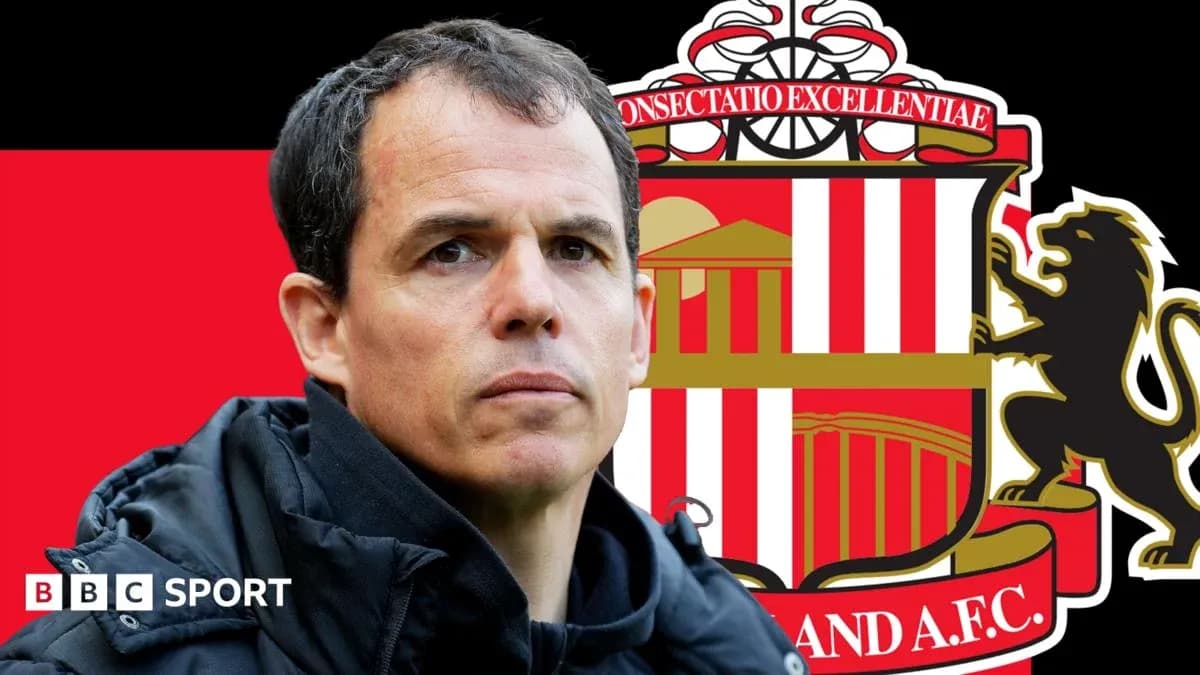
Sunderland's Habib Diarra Out for Six to Eight Weeks
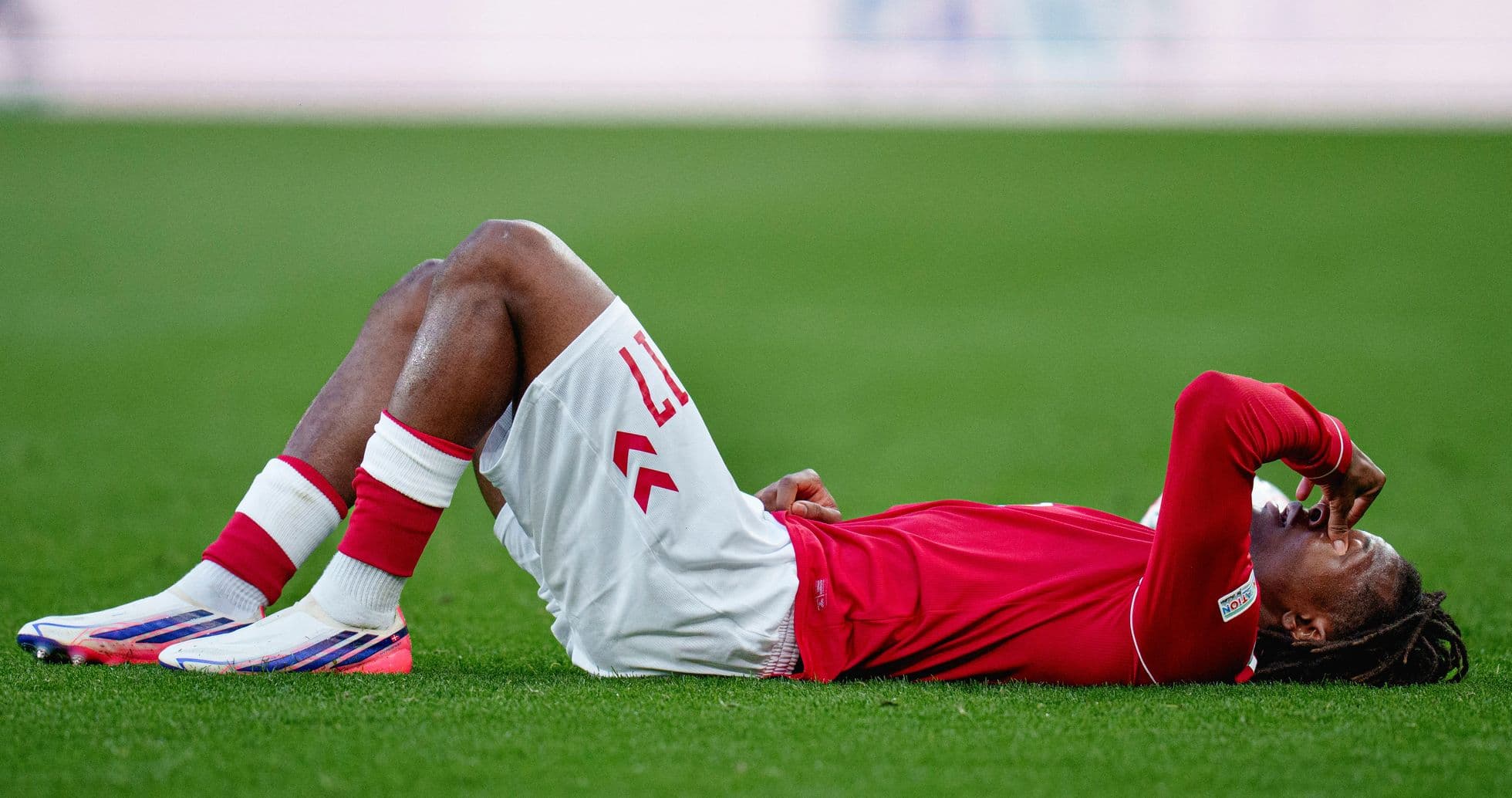
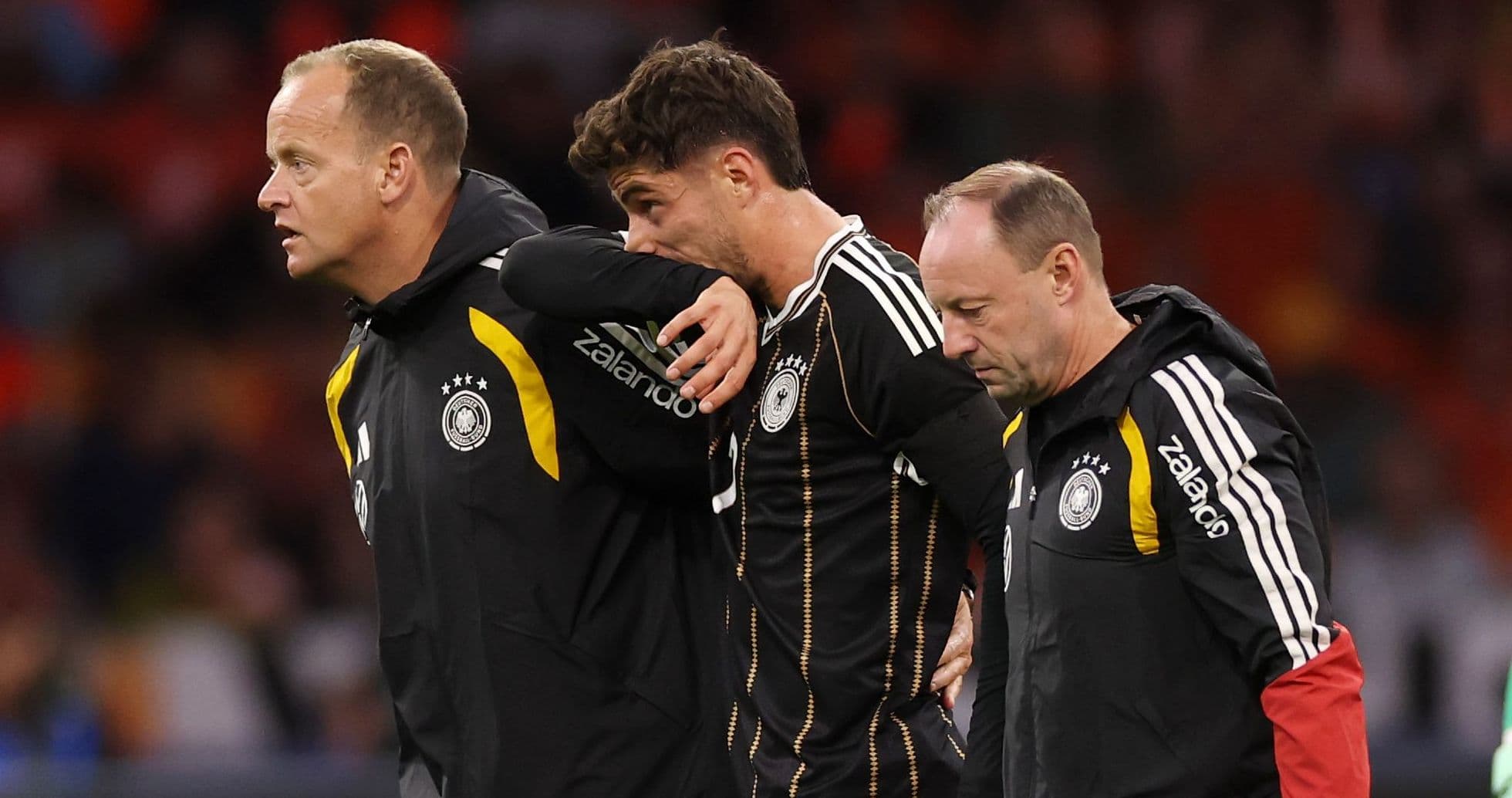
Sunderland head coach Régis Le Bris has been dealt an early-season setback, confirming that key midfielder Habib Diarra will be out for around six to eight weeks with a hamstring injury.
“It’s frustrating, but we have to manage it and we will find solutions,” Le Bris said, underlining both the disappointment and the need to adapt quickly. Diarra had impressed through pre-season, and the Frenchman made no secret of how much the youngster’s development had pleased him.
“It’s a shame because I was so pleased with his pre-season,” he added. “He’s getting more mature about his game, about clarity on the pitch, about his qualities and how they fit with the demand of the Premier League.”
Losing that momentum now hurts. Sunderland, though, have built this squad with turbulence in mind.
Transfer window “three boxes” ticked
Le Bris was clear: Sunderland hit their targets in the market.
“We ticked our three boxes,” he said. The first category was experience at the highest level, delivered through Kevin Danso and Thomas Meunier, both seasoned operators with the kind of pedigree the Premier League demands.
The second box brought in youth that already knows what it takes to perform: Malick Fofana and Dayann Methalie, players still developing but not stepping into the unknown.
Then came the third bracket – pure upside. “The third one is for the huge potential prospects with Juan Riquelme Angulo and Jules Ahoka,” Le Bris explained. Raw talent, high ceiling, and a long-term view.
“We have to manage the different positions because it’s already a big challenge. In the end, we are happy.” No fanfare, just a firm statement that the plan has been followed.
Talbi’s future still open
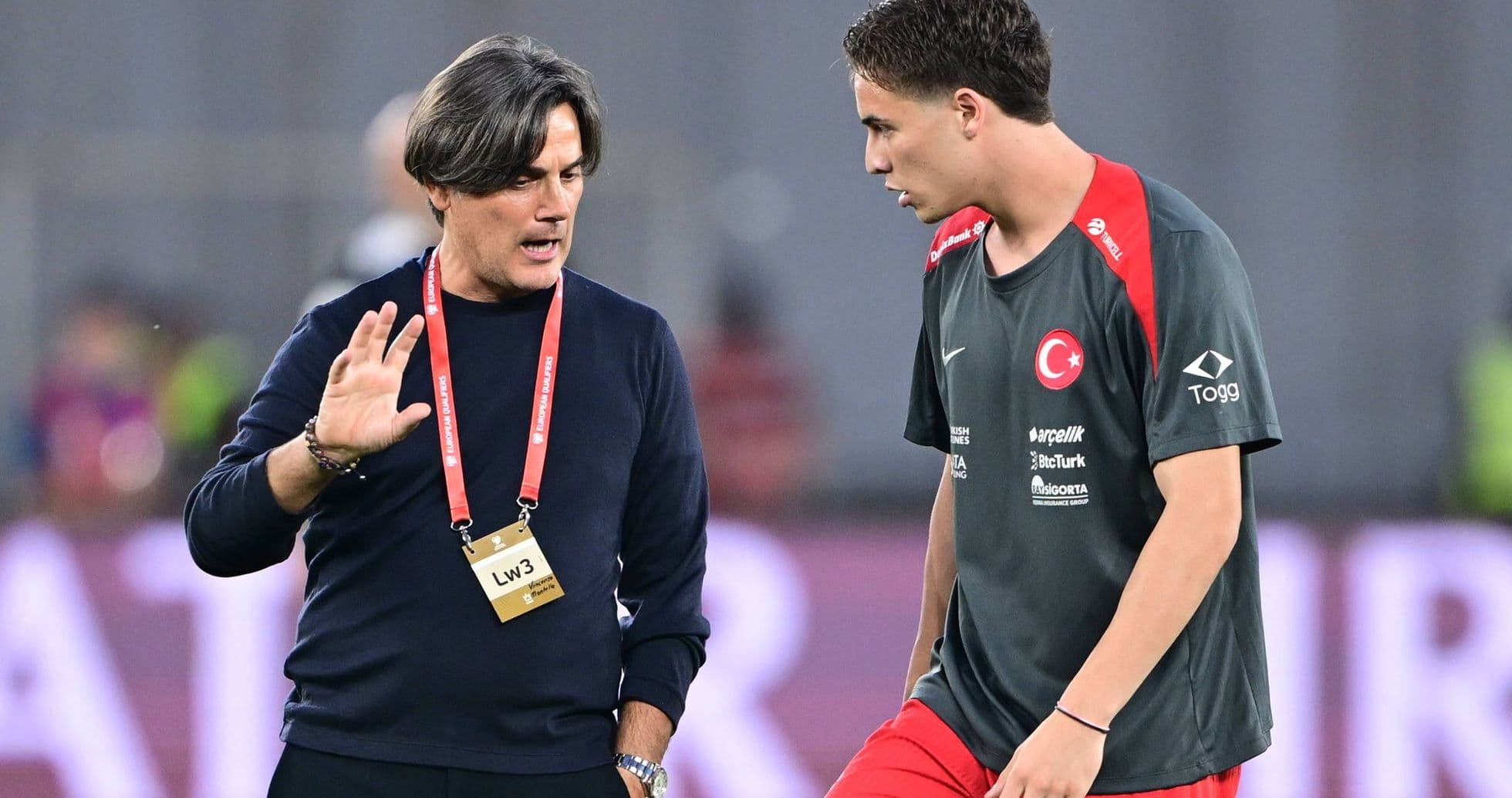
One player whose path remains uncertain is Chemsdine Talbi, with a move to Turkey still on the table.
“A move remains possible so it’s important to respect both parties. We’ll see,” Le Bris said, choosing his words carefully. “He’s still a good player, huge potential, but after that you still have a window to decide if it’s the right pathway here.”
The coach made it clear he believes Talbi can thrive at Sunderland, but he knows it cannot be a one-sided decision. “I believe he can succeed here, but after that, it’s a question of mutual confidence and you have to respect the player’s choice.”
The door is open. Whether Talbi walks through it or stays to fight for his place will be one of the quieter but telling storylines of this window.
Angulo’s role: the “third striker”
Among those huge prospects, Juan Riquelme Angulo has a clearly defined role from day one.
“He will fill this third striker position,” Le Bris confirmed. That spot is not glamorous, but it is vital in a season that will stretch the squad across multiple fronts.
“I think it’s important to match the demand of this position,” he said. “You have to be an underdog, be patient, but also with the potential to play because it’s important across the different competitions we will have.”
Underdog, but not spectator. Angulo is being asked to wait, to learn, and to be ready the moment the door opens.
Chasing “big challenges” after Brentford pain
Le Bris wants his team to lean into difficulty, not avoid it. He pointed back to last season’s 3-0 defeat to Brentford as a painful but necessary lesson.
“It was painful,” he admitted. “They were intense, well-organised, consistent. They have a clear identity.” Sunderland felt the full weight of that structure and intensity.
This time, he expects an even more complex test. “With their new signings, they’ve added an ability to play through. It’s going to be an exciting challenge.”
He insists his side “need big challenges” like that Brentford clash. Sunderland are not easing themselves into this campaign; they are walking straight at one of the league’s most coherent outfits.
Built for Europe – if injuries allow
European football looms, and with it the risk of fatigue, rotation, and discontent. Le Bris, though, sounded satisfied with the numbers at his disposal.
“At the minute, I am happy. We will have 22, 23 players, depending on injuries,” he said. The caveat is obvious: Diarra is already out, and others will follow as the season bites.
“If they are available, everyone will feel a part of the team and the project and I think it’s important to manage the energy.”
That is the tightrope now. Keep the squad involved, keep the legs fresh, and somehow maintain a clear identity while juggling domestic and European demands. Diarra’s injury is an early test of that balance. It will not be the last.