Spain vs Argentina: 2026 World Cup Final Preview
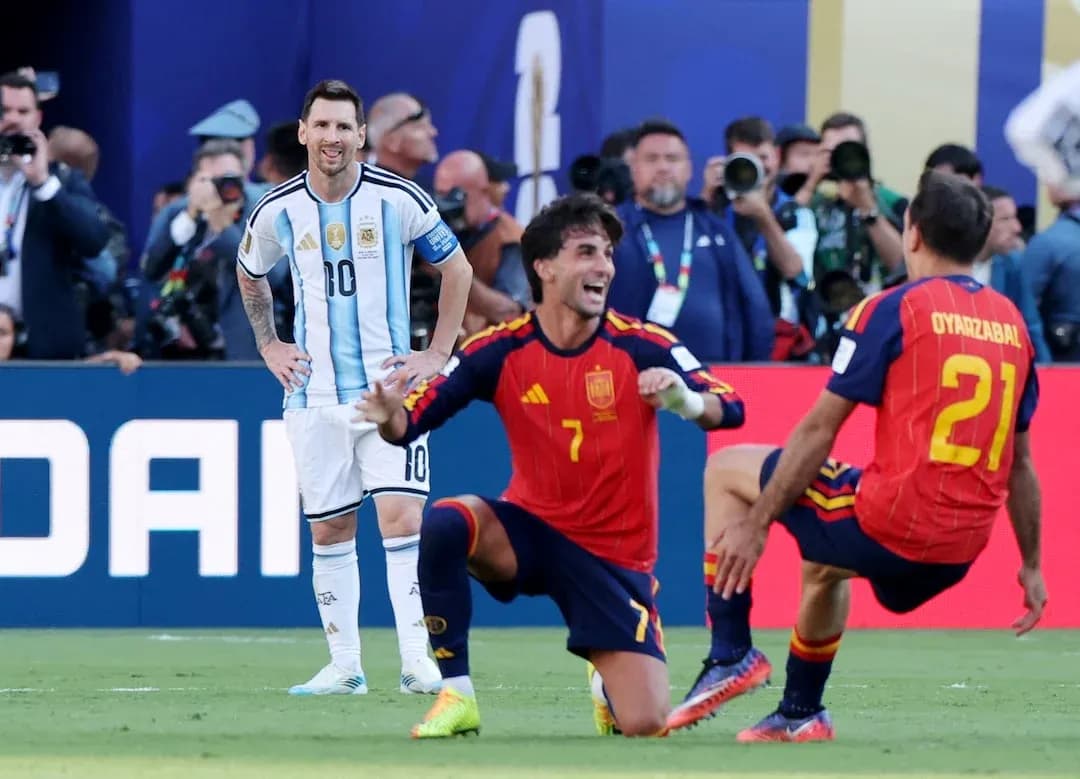
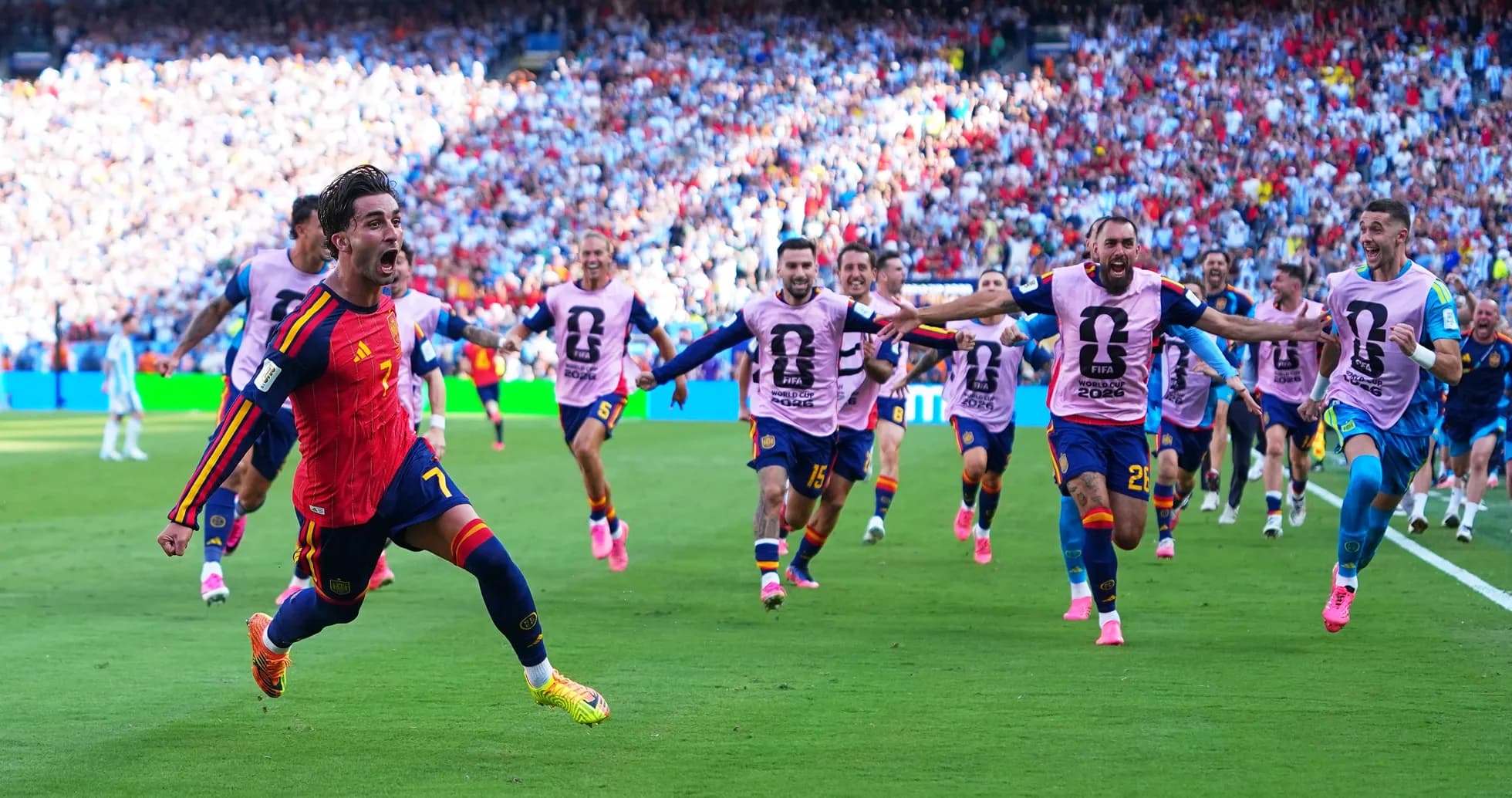
Spain face Argentina in the 2026 World Cup Final, a pinnacle fixture where two group winners collide for the title. Spain topped Group H with 7 points and a +5 goal difference (5 scored, 0 conceded), while Argentina were perfect in Group J with 9 points and a +7 goal difference (8 scored, 1 conceded). With both sides arriving as dominant group-stage leaders, this match will define the world champions and the ultimate validation of each team’s 2026 project.
Head-to-Head Tactical Summary
The most recent scheduled meeting was the CONMEBOL - UEFA Finalissima on 27 March 2026, with Spain listed as the home team and Argentina as the away side, but that match was cancelled and not played. The last completed encounter between these nations came in a friendly on 27 March 2018 at Estadio Wanda Metropolitano in Madrid, where Spain, at home, beat Argentina 6-1. The half-time score was 2-1 to Spain before they pulled away decisively after the break, underlining Spain’s capacity to exploit space and maintain attacking pressure against Argentina when given control of the ball.
Global Season Picture
- League Phase Performance: In the group stage, Spain finished 1st in Group H with 7 points from 3 matches (2 wins, 1 draw, 0 losses), scoring 5 goals and conceding none, for a +5 goal difference. Argentina finished 1st in Group J with a perfect 9 points from 3 matches (3 wins, 0 draws, 0 losses), scoring 8 goals and conceding 1, for a +7 goal difference. Both arrive in the Final as unbeaten group winners with strong defensive records.
- Season Metrics: In the tournament, Spain have played 7 matches, winning 6 and drawing 1, without a single defeat. They have scored 13 goals (1.9 per match) and conceded just 1 (0.1 per match), with 6 clean sheets, reflecting an extremely controlled defensive structure and measured attacking output. Their preferred setups have been variations of a back four with a single pivot (most often a 4-1-2-3), supporting a possession-heavy, territorially dominant style and relatively low card exposure spread mainly late in matches. Argentina have also played 7 matches and won all 7, with 19 goals scored (2.7 per match) and 7 conceded (1.0 per match). This points to a more expansive, higher-risk attacking approach, with less defensive frugality but far greater scoring volume. They tend to use a 4-4-2 or a 4-1-3-2, prioritising verticality and numbers in advanced areas, and they accumulate a notable share of yellow cards in added time phases, consistent with intense late-game duels.
- Form Trajectory: In the group stage, both Spain and Argentina posted flawless form strings of “WWWWW”, indicating five consecutive wins in their recent World Cup group and immediate lead-up matches. Spain’s broader tournament form line is “DWWWWWW”, showing an initial draw followed by six straight victories and highlighting a trajectory of steady improvement and growing control. Argentina’s extended form is “WWWWWWW”, seven wins from seven, underlining relentless momentum and a side that has not yet been forced into a reactive game state.
Tactical Efficiency
Across the tournament, Spain’s efficiency has been built on defensive suffocation and risk management: 13 goals scored against only 1 conceded and 6 clean sheets from 7 matches show a side that concedes very few high-quality chances and manages game tempo through structure and ball circulation. Their use of systems with a single pivot and three advanced midfielders or forwards suggests a focus on positional play, pressing triggers in midfield, and controlled rest defence behind the ball. Argentina’s efficiency is tilted toward the attacking phase: 19 goals in 7 matches, with averages close to three per game, indicate a team that commits numbers forward and accepts a higher defensive concession rate (7 goals allowed) in exchange for sustained attacking pressure. Their consistent use of two strikers or a narrow attacking band makes them dangerous between the lines and in the box, but leaves more space to defend in transition. In a Final context, Spain’s defensive metrics imply they are better equipped to keep the match within fine margins, while Argentina’s attacking metrics suggest they will seek to open the game and test Spain’s back line more frequently, accepting that they may give up territory or counters in return.
The Verdict: Seasonal Impact
This World Cup Final is season-defining for both nations. For Spain, a win would crown an unbeaten, near-impenetrable campaign and re-establish them at the summit of international football with a model built on structure, control, and defensive excellence; a loss, despite their numbers, would raise questions about whether their conservative balance leaves them vulnerable to high-powered attacks in single-elimination matches. For Argentina, victory would validate a more aggressive, attack-first blueprint and confirm that their capacity to outscore opponents can deliver the highest prize even against the tournament’s most efficient defence. Defeat, by contrast, would highlight the cost of their higher concession rate and could prompt a recalibration toward greater defensive stability in future tournaments. Beyond the trophy itself, this Final will strongly influence tactical trends at international level: a Spanish triumph would reinforce the premium on defensive solidity and controlled tempo, while an Argentine success would encourage more sides to embrace front-loaded, risk-tolerant attacking football in pursuit of global titles.