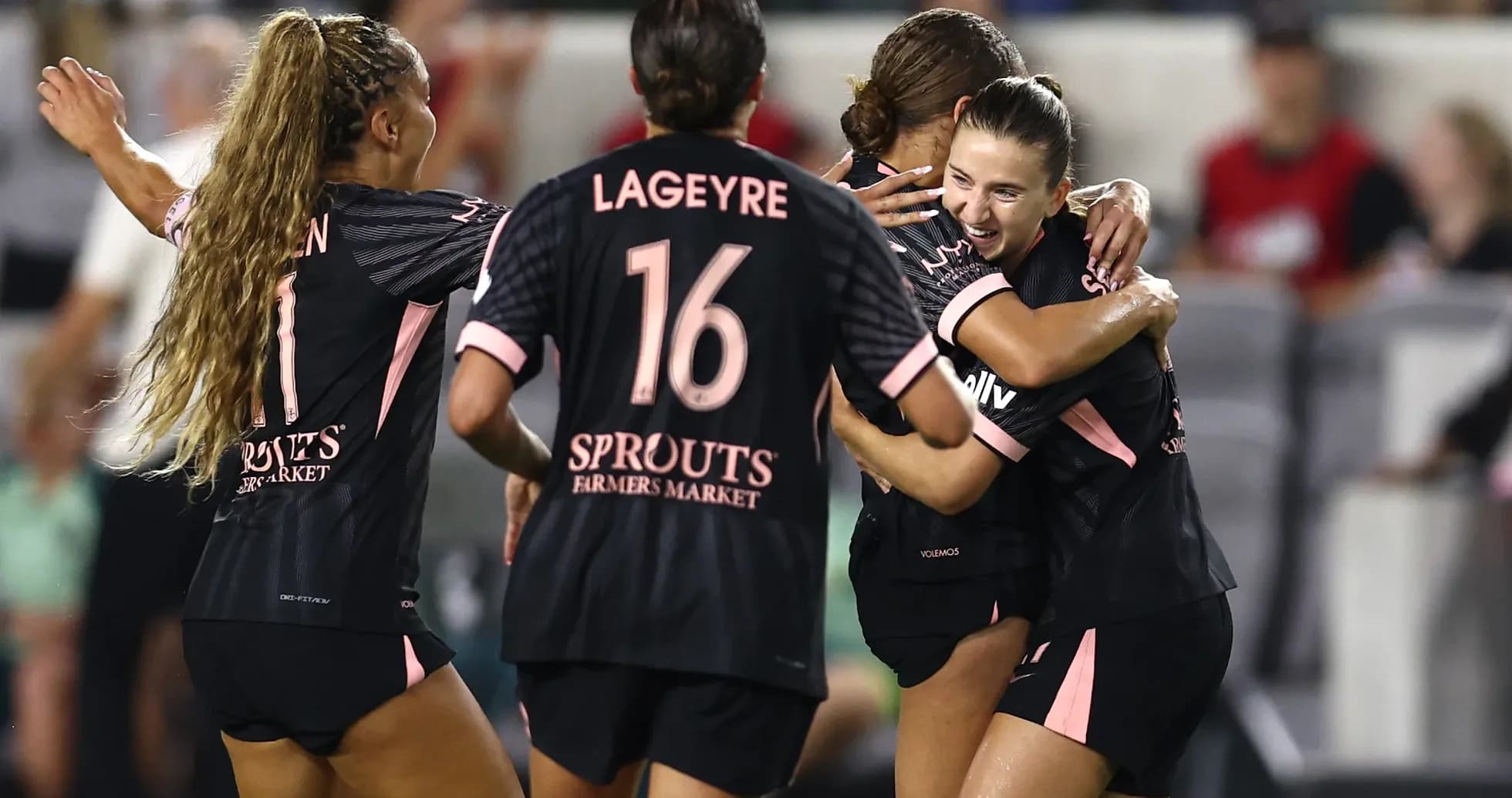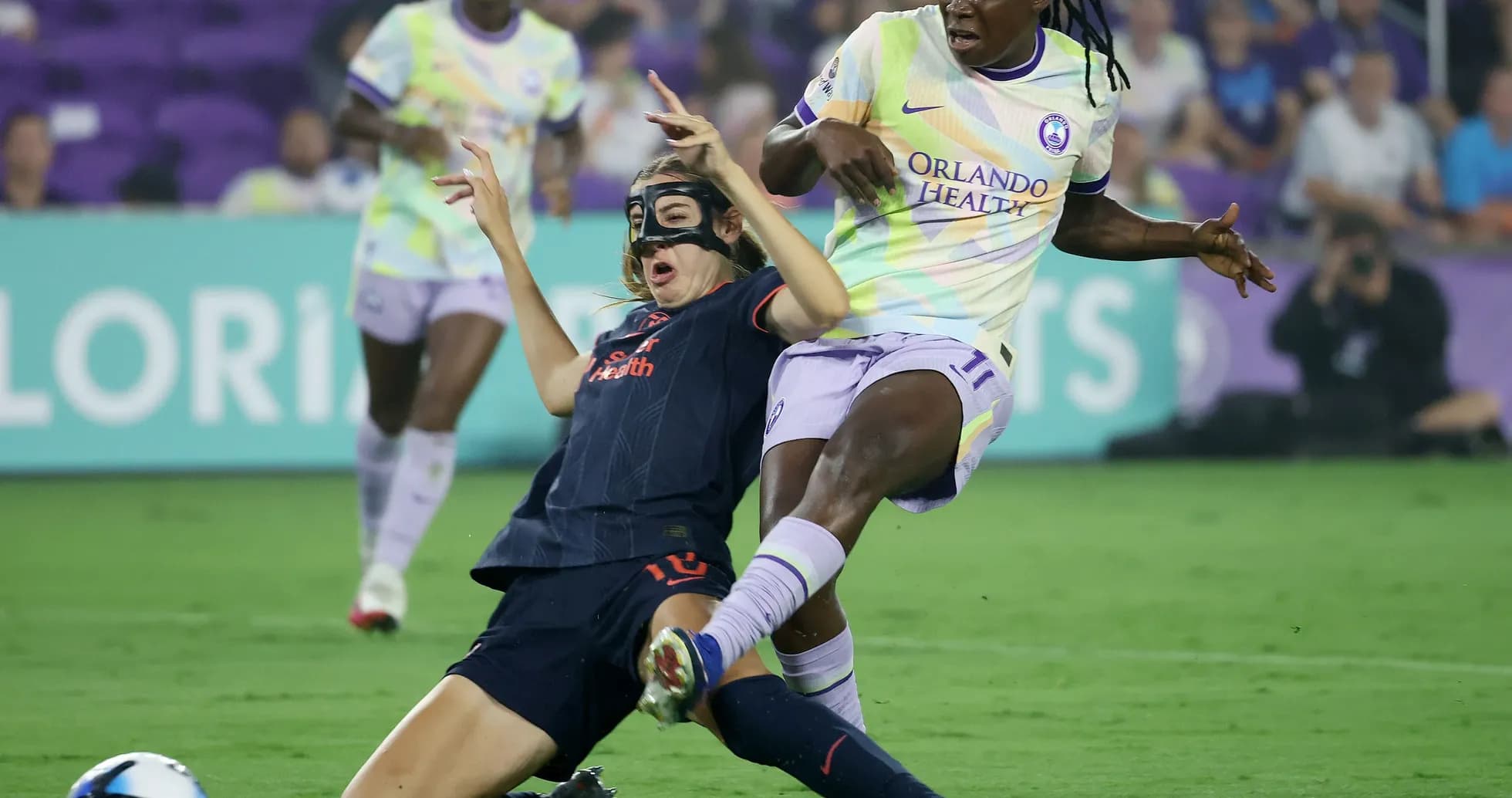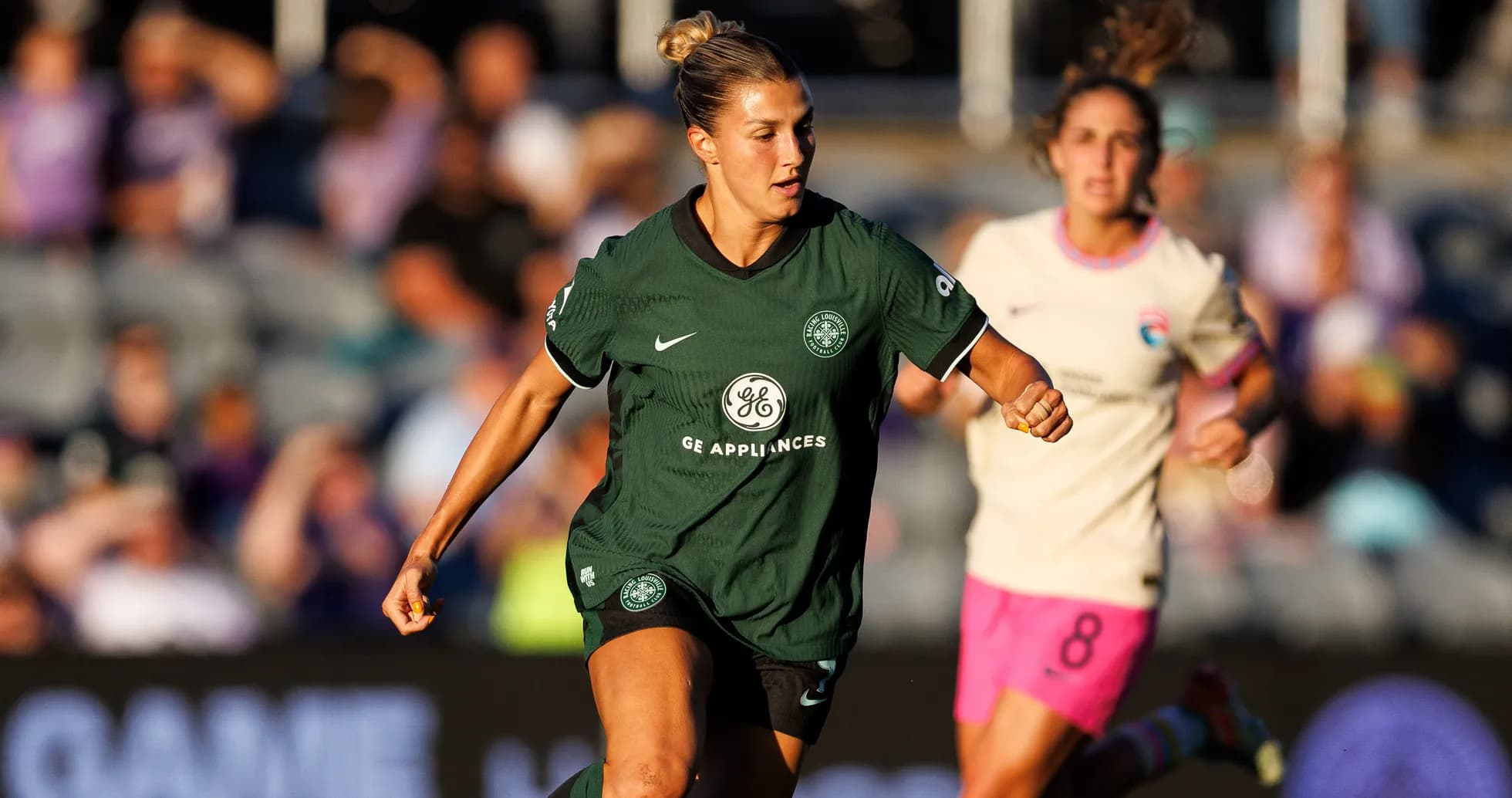
San Diego Wave W Dominates Racing Louisville W in NWSL Match
Under the Friday night lights at Lynn Family Stadium, this Group Stage meeting in the NWSL Women set a stark contrast: Racing Louisville W, 15th in the table, clinging to survival instincts, against a San Diego Wave W side riding a promotion-chasing surge in 2nd. The 2–0 final to the visitors felt less like an upset and more like the logical outcome of two teams whose seasonal identities are moving in opposite directions.
Overall this campaign, Racing Louisville have taken 23 points from 26 matches, with a goal difference of -16, built from 35 goals scored and 51 conceded. On their travels, San Diego arrive as a far more balanced machine: 48 points from 26, with an overall goal difference of +11 (38 for, 27 against), and a strong away profile of 7 wins, 2 draws and just 3 defeats.
I. Shapes, intentions, and seasonal DNA
Kim Björkegren’s choice of a 3-4-1-2 for Racing was a statement of intent. With J. Bloomer in goal behind a back three of E. Jean, A. Wright, and M. Gacioch, Louisville sought security in numbers at the back while still keeping two forwards high. The wing zones were entrusted to R. Hill and Makenna Morris, with L. Milliet and K. O’Kane forming the central platform. Ahead of them, M. Hodge operated as the link, trying to connect midfield to the front pair of S. Weber and the influential creator K. Fischer.
This was a gamble against the statistical tide. At home this season, Racing average 1.5 goals scored and 1.5 conceded per match, but their overall form line — “LLLLL” heading into this game in the standings, and a season run of long losing streaks — underlines fragility. They have yet to keep a single clean sheet in total this campaign and have failed to score 8 times overall. The three-at-the-back structure was less about dominance and more about survival with a puncher’s chance.
Across from them, Jonas Eidevall’s San Diego stuck to a familiar 4-2-3-1, one of their most-used shapes this season. Sandra Paños anchored a back four of A. D. Van Zanten, K. Wesley, K. McNabb, and Perle Morroni. In front, the double pivot of K. Dali and K. Ascanio gave San Diego both control and bite, while the attacking three of M. Barcenas, Luisa Agudelo, and G. Corley rotated behind lone striker and league top scorer for the club, T. Byars.
San Diego’s numbers give this shape real teeth. Overall, they score 1.5 goals per game and concede just 1.0. Away from home, they still find 1.4 goals on average while allowing only 1.0, backed by 4 clean sheets on their travels. The plan was clear: control the ball through Dali’s passing range and Agudelo’s vertical running, then feed Byars between and beyond the Louisville back three.
II. Tactical voids and discipline
There were no listed absences, so both coaches had their core available. That made the card profiles especially relevant.
For Racing, discipline is a quiet fault line. Across the season, their yellow cards cluster in the 46–60 minute window, where 27.27% of their cautions arrive, and again late in normal time, with 21.21% between 61–75 minutes. The emotional heartbeat of their attack, K. Fischer, embodies that edge: 6 yellow cards this season, alongside 4 goals and 4 assists. In midfield, M. Hodge brings another 6 yellows and has blocked 5 shots, a clear sign she is often the one stepping into danger to protect the back line.
San Diego, by contrast, are more controlled but not immune. Their yellow cards peak between 76–90 minutes with 23.08% of cautions, a sign of a side that pushes to close out games aggressively. Dali has 5 yellows, and Morroni another 6, both high-volume defenders and passers who live on the edge of duels. Crucially, Van Zanten carries a red card in her seasonal record, underlining that San Diego’s front-foot defending can occasionally boil over.
III. Key matchups: Hunter vs Shield, Engine Room vs Enforcer
The headline duel was always going to be T. Byars against a Louisville defence that concedes 2.0 goals per game overall and 2.4 on their travels, but even at home they allow 1.5. Byars, with 9 goals and 2 assists this season, is efficient: 27 shots, 18 on target, and a rating of 7.01. Her movement between the wide centre-backs Jean and Gacioch, and into the channels vacated by advancing wing-backs, was the primary threat.
Behind her, San Diego’s creative axis is rich. Agudelo, the league’s top assister in this dataset with 4 assists and 5 goals, has produced 32 key passes and 33 dribble attempts, 15 successful. Corley adds another 4 assists and 2 goals, with 27 key passes and 24 successful dribbles. Against a Louisville side that has never kept a clean sheet this season, this trio’s ability to overload half-spaces was decisive.
For Racing, the counterpunch was meant to flow through Fischer and Hodge. Fischer, with 20 key passes and 25 successful dribbles, is their primary conduit between lines, while Hodge’s 14 tackles, 13 interceptions, and those 5 blocked shots show her value in transition moments. In theory, winning the ball through Hodge and O’Kane, then releasing Fischer early into Weber and Fischer’s own forward runs, could unbalance a San Diego back four that prefers to defend high.
Yet San Diego’s shield is formidable. Dali has completed 1123 passes at 85% accuracy, with 50 key passes — a metronome and needle in one. Ascanio supports with ball-winning, while Morroni (64 tackles, 27 interceptions, 4 blocked shots) and Van Zanten (66 tackles, 35 interceptions, 6 blocked shots) close the flanks. The duel between Fischer drifting into Morroni’s corridor and the French full-back’s aggressive front-foot defending was central; Morroni’s 6 yellow cards show she rarely backs out.
IV. Statistical prognosis and penalty narratives
From a probabilistic lens, San Diego’s away solidity and Louisville’s defensive record made a multi-goal margin for the visitors more likely than not. Racing’s overall goal difference of -16, built from conceding 51 in 26, points to structural issues that a side with San Diego’s 1.5 goals per game profile is well equipped to exploit.
Penalties add a subtle subplot. Racing have been perfect from the spot overall this season, scoring all 4 of their penalties with no misses. San Diego are the mirror image: they have earned 2 penalties in total and missed both, a 0% conversion rate with 100.00% of their attempts failing. In a tight match, that contrast could have swung the narrative, but here San Diego’s superiority in open play meant they did not need the spot-kick crutch.
Following this result, the 2–0 away win simply reinforces what the numbers already suggested: San Diego Wave W are built like a play-off contender, with layered attacking threats and a disciplined, ball-playing back line. Racing Louisville W, despite flashes from Fischer, Hodge, and the energy of their front two, remain a side whose tactical ambition outstrips their defensive stability — and in a league this unforgiving, that imbalance continues to cost them.