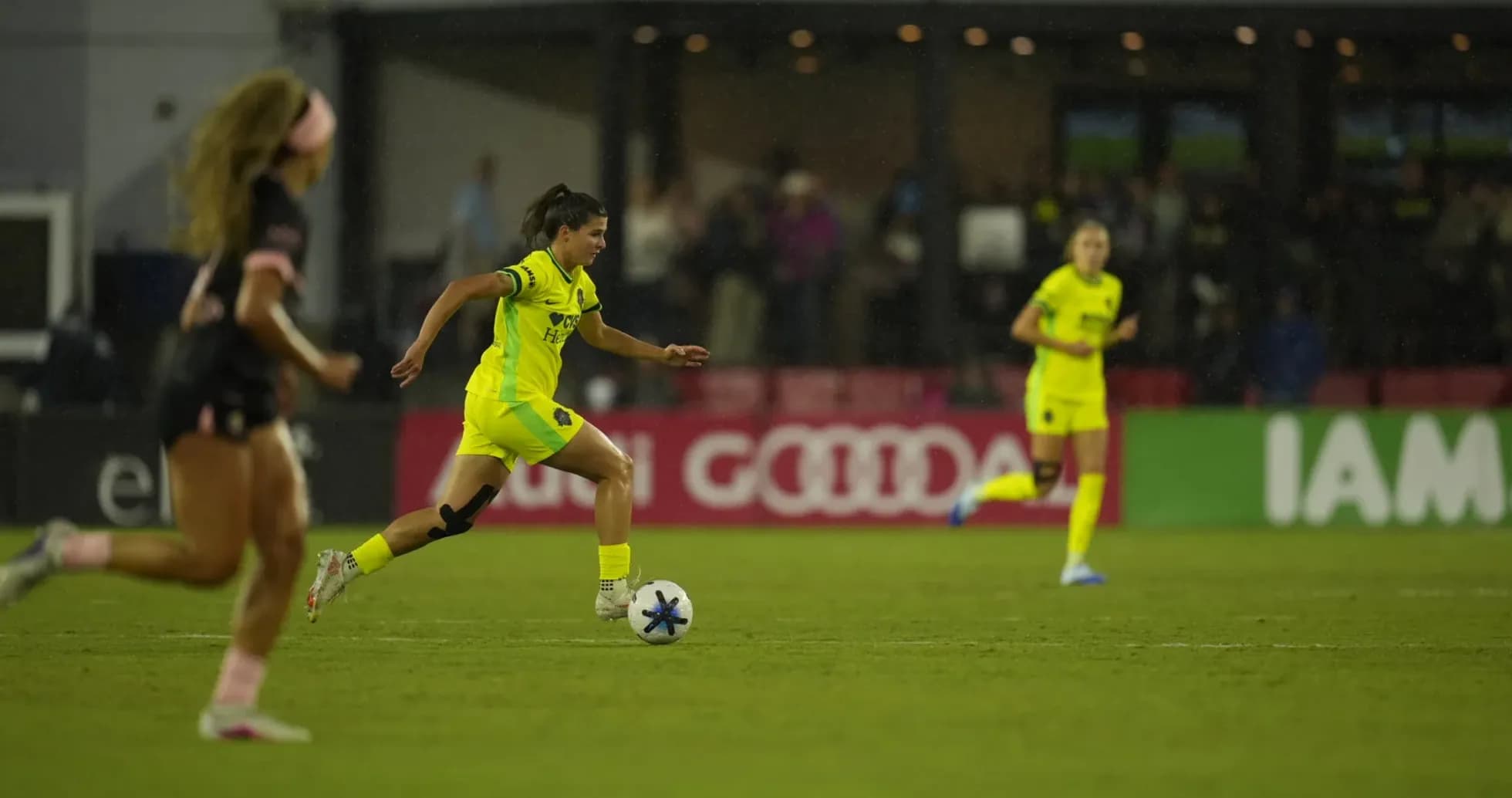
Angel City W Edges Washington Spirit W in NWSL Group Stage Clash
Under the lights at Audi Field, a Group Stage night in the NWSL Women finished with a narrow, ruthless clarity: Angel City W walked away with a 1–0 away win over Washington Spirit W, a result that sharpened the contrast between these two playoff-chasing sides. The league table had already framed this as a clash of near equals—Washington Spirit W starting the evening 3rd on 46 points, Angel City W in 6th on 42—but the way the 90 minutes unfolded revealed deeper truths about their tactical identities and what comes next.
Washington lined up in a 4-3-3 that has become their secondary but increasingly important shape this season. Adrían trusted S. MacIver in goal behind a back four of G. Carle, E. Morgan, T. McKeown, and L. Di Guglielmo. In front of them, A. Sullivan anchored the midfield with Hal Hershfelt and M. Ngock, while a front three of T. Rodman, S. Cantore, and R. Kouassi promised vertical threat and pressing aggression.
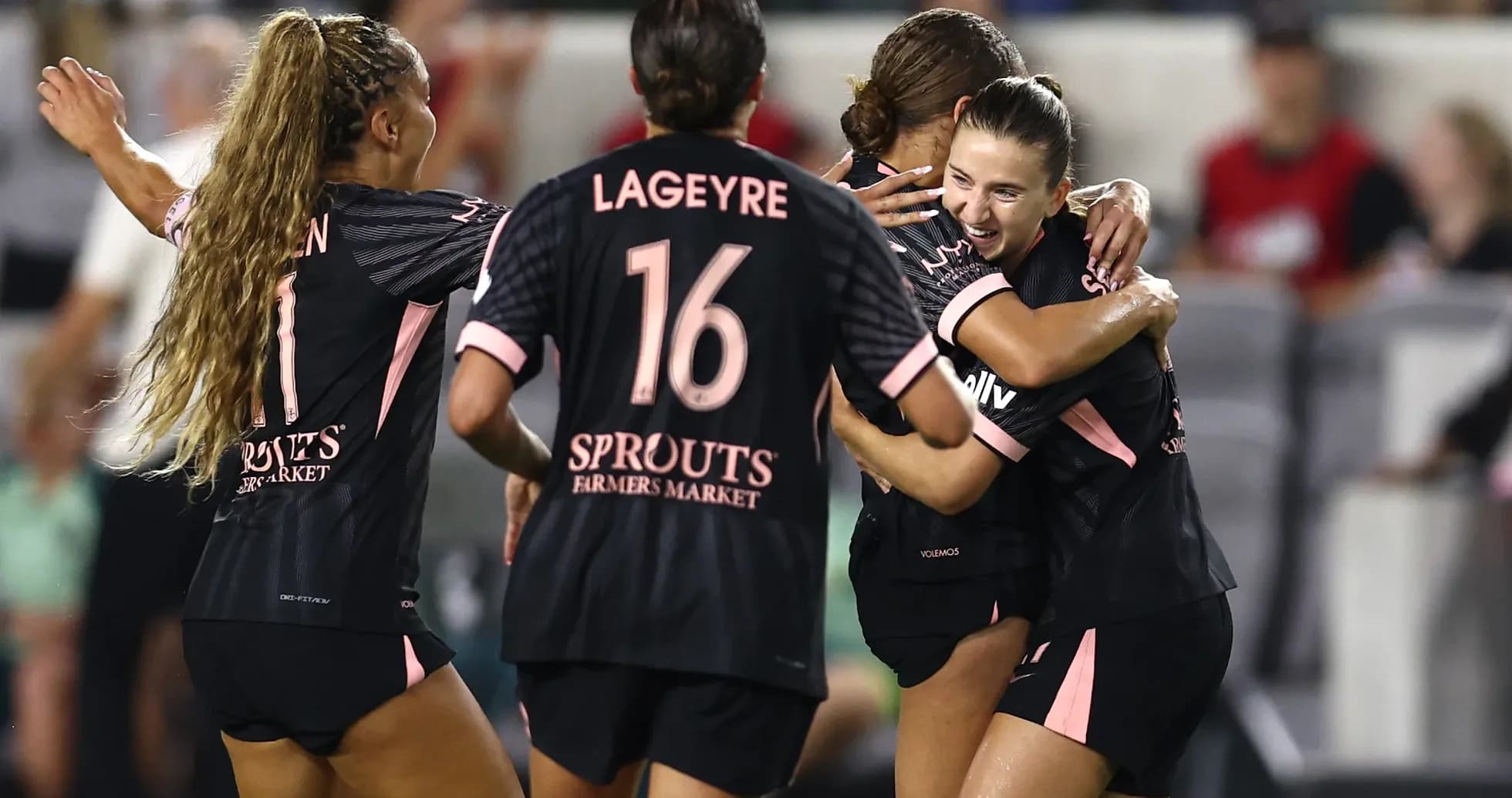
Angel City responded with a classic 4-4-2, but one that was anything but conservative. A. Anderson started in goal, shielded by a back line of E. Shores, S. Gorden, E. Madril, and S. KIng. The midfield band—G. Thompson, Ary Borges, C. Lageyre, and A. Sentnor—gave them both industry and craft, while the front two of P. Chilufya and S. Jónsdóttir offered pace and power on the break.
Team Profiles
Heading into this game, Washington Spirit W had built their season on overall balance: 36 goals scored and 24 conceded, for an overall goal difference of +12. Their attack averaged 1.4 goals overall, with 1.2 at home, and their defensive record—0.9 goals conceded on average overall, 1.1 at home—hinted at a side comfortable in tight contests. Angel City, by contrast, arrived with a more expansive attacking profile: 44 goals scored and 28 conceded overall, a goal difference of +16, and an overall scoring average of 1.7 goals, rising to 1.8 on their travels. On paper, it was Washington’s control versus Angel City’s volatility.
The tactical void that defined Washington’s night lay not in personnel absence—no missing-player list was reported—but in rhythm. Their season data shows a clear offensive surge between 46–60 minutes, where 26.47% of their overall goals arrive, and a solid spread across the first hour. Yet Angel City’s defensive profile, while vulnerable in that same 46–60 window (26.92% of their overall goals conceded), held firm here, with the visitors managing the restart phase smartly through Ary Borges and C. Lageyre’s positioning and ball circulation.
More troubling for Washington is how their late-game fragility intersected with Angel City’s capacity to punish. Overall, 39.13% of Washington’s conceded goals come in the 76–90 minute range—a glaring weakness. Angel City, for their part, may not peak in that window offensively (12.20% of their overall goals), but they maintain a steady threat across all phases and are comfortable playing to fine margins. The 1–0 away scoreline felt like the statistical knife edge made real: Washington’s tendency to concede late colliding with Angel City’s willingness to keep asking questions.
Discipline and game management added another layer. Washington’s card profile shows yellow-card spikes between 31–45 minutes and 76–90 minutes (each 22.22% of their overall yellows), with a rare but telling red-card moment in added time (a single red between 91–105 minutes, 100% of their total reds). Angel City, meanwhile, spread their bookings more evenly, with a late-game yellow concentration between 76–90 minutes (20.69%) and a single red card in the 46–60 minute band this season. This suggests that when the emotional temperature rises late, Washington are more prone to lose control, while Angel City flirt with risk around the restart. In a tight Group Stage contest decided by one goal, those psychological rhythms matter as much as tactical ones.
Key Players
Individually, the “Hunter vs Shield” duel was always going to orbit around T. Rodman. With 9 goals and 5 assists overall, plus 64 shots and 27 on target, she is Washington’s primary offensive weapon and one of the league’s most relentless duelists, engaging in 231 duels and winning 106. Angel City’s “shield” came in layers: E. Shores, one of the league’s top assist providers with 6 overall, also brings 37 tackles, 4 blocks, and 35 interceptions, while S. Gorden and E. Madril complemented her with a compact line that limited Rodman’s ability to isolate defenders.
On the other side, Angel City’s attacking trident of A. Sentnor, S. Jónsdóttir, and the bench threat of Maiara Niehues shaped the visitors’ cutting edge. Sentnor, with 7 goals and 3 assists overall and 40 key passes, is the creative hinge between midfield and attack, constantly finding pockets behind Washington’s midfield three. Jónsdóttir adds 6 goals and 3 assists overall, plus 180 duels and 84 won, making her a constant aerial and physical outlet. Maiara Niehues, with 6 goals overall and a history of drawing 19 fouls and committing 18, is a chaos agent, capable of tilting games and carrying disciplinary risk—her 1 red card this season underscores that volatility.
Midfield Battle
In the “Engine Room” battle, A. Sullivan’s role was pivotal. With 316 passes at 86% accuracy overall, plus 12 tackles, 3 blocks, and 10 interceptions, she is Washington’s metronome and shield. Yet against Angel City’s central pairing of Ary Borges and C. Lageyre, plus the roaming influence of Sentnor, Sullivan was often forced deeper, limiting Washington’s ability to build sustained, multi-line pressure. Angel City’s midfield did not simply break up play; they recycled it, turning Washington’s turnovers into quick vertical attacks that suited their 4-4-2 structure.
Statistical Overview
From a statistical prognosis standpoint, this 1–0 away win sits neatly inside both teams’ season arcs. Washington have failed to score in 7 matches overall, with 5 of those blanks at home, a reminder that their 4-3-3 can stall when the wide forwards are boxed in and the midfield cannot arrive in the box. Angel City, by contrast, have kept 6 clean sheets on their travels overall and failed to score away only twice, which aligns perfectly with a night where they absorbed, then struck.
Layer in the penalty narrative and the margins feel even finer. Washington have earned 3 penalties overall, scoring 2 and missing 1; that single miss looms large in a season defined by tight scorelines and a goal difference of +12. Angel City, in contrast, have been flawless from the spot: 5 penalties overall, all converted, no misses. In a league where playoff seeding may hinge on one moment from 12 yards, that difference in ruthlessness is decisive.
Looking Ahead
Following this result, the tactical story is clear. Washington Spirit W remain a high-ceiling, structurally sound side whose late-game defensive lapses and occasional attacking droughts at home can undercut their overall solidity. Angel City W are the more opportunistic travelers: 7 away wins overall, 23 goals scored on their travels, and a defensive unit that bends in dangerous minutes but rarely breaks completely.
If these two meet again in the Quarter-finals, the blueprint is already written. Washington must insulate that 76–90 minute window and find ways to free Rodman from the combined attention of Shores and Gorden. Angel City will look to repeat the pattern: compress space around Sullivan, let Sentnor and Ary Borges dictate transitions, and trust that their clinical edge—especially from the spot—will tilt another finely balanced contest in their favor.