Bay FC W vs Orlando Pride W: Match Analysis and Season Trends
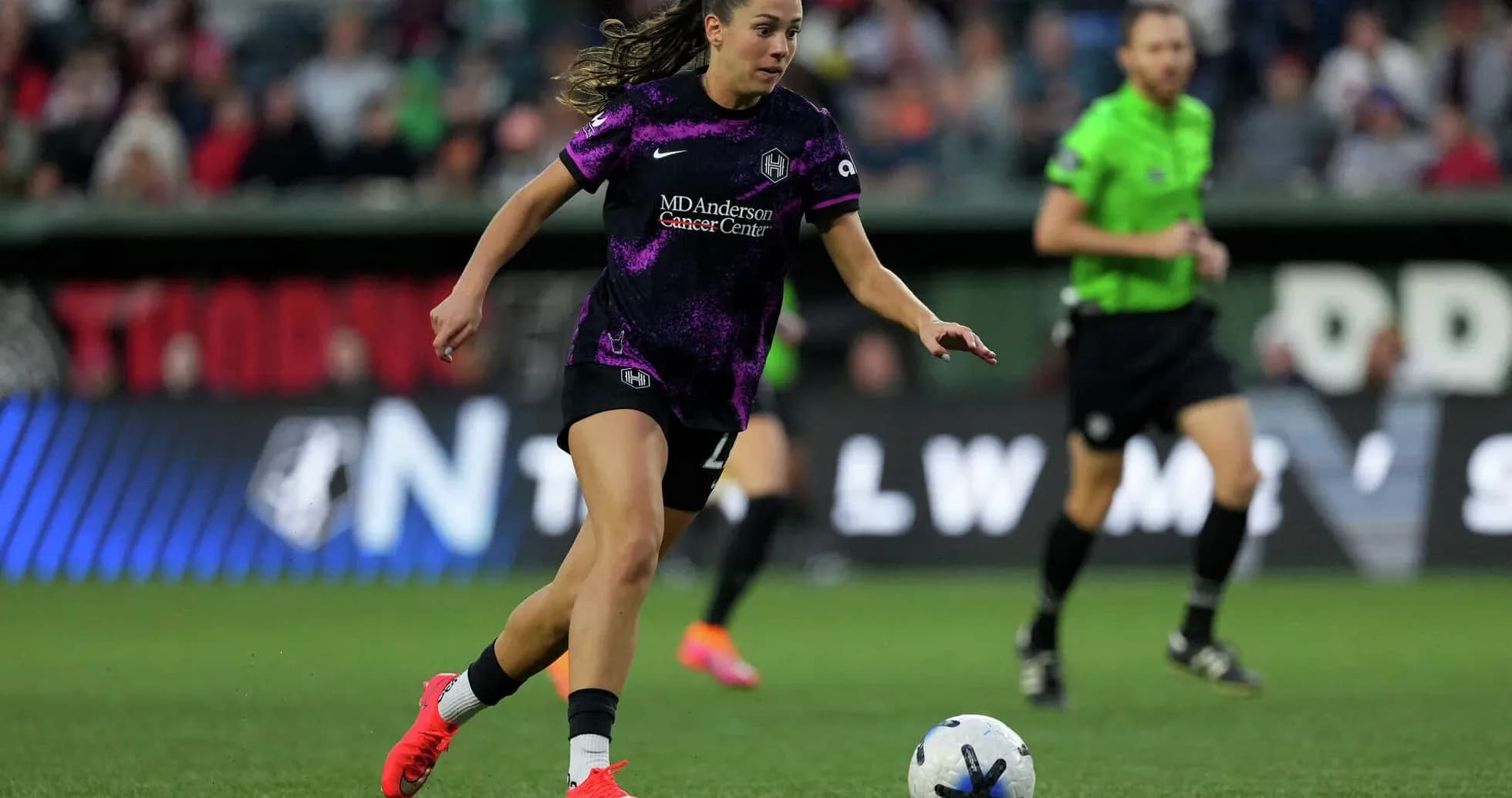
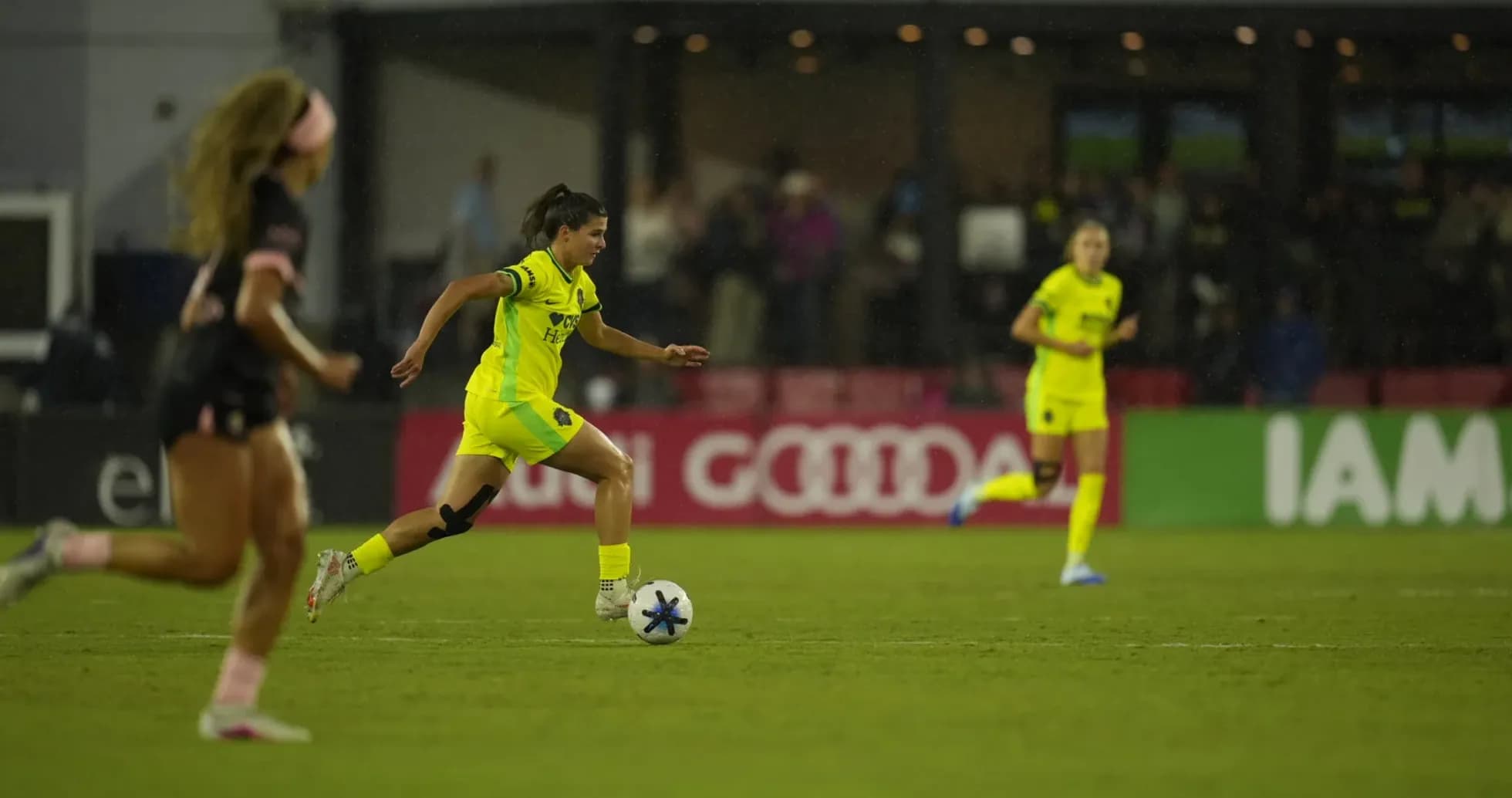
Under the San Jose lights at PayPal Park, Bay FC W’s Group Stage meeting with Orlando Pride W ended 1–3, a result that neatly mirrored the arc of their seasons. Over 26 league matches, Bay sit 13th with 26 points, their overall goal difference of -10 the product of 27 scored and 37 conceded. Orlando, 11th with 33 points and a goal difference of -6 (35 for, 41 against), arrived as a flawed but more assertive side—and left looking every inch the more complete outfit.
I. The Big Picture – Identities in Contrast
Bay’s campaign has been defined by fragility at both ends. Overall they score 1.0 goals per match and concede 1.4, with a home profile of 1.1 for and 1.3 against. They start brightly—27.59% of their goals arrive in the opening 15 minutes—but fade badly, with only 3.45% between 76–90 minutes. Defensively, those same late stages are a recurring nightmare: 22.86% of their goals conceded come in the final quarter-hour, matching the vulnerability of the opening 0–15 window.
Orlando’s numbers sketch a different story. Overall they average 1.3 goals for and 1.6 against, with a slightly stronger attacking output at home (1.5) than on their travels (1.2). Their attacking surges cluster between 31–60 minutes—20.59% of their goals from 31–45 and 23.53% from 46–60—before a second wind in the final quarter-hour (17.65% between 76–90). They are not secure defensively, conceding 21.43% of their goals in the 46–60 window and 19.05% in the opening 15 minutes, but they carry enough firepower to survive those storms.
The final scoreline at PayPal Park—Bay 1, Orlando 3—felt like a condensation of those tendencies: Bay’s early punch, then a long, painful unraveling against a side built to accelerate after the interval.
II. Tactical Voids and Discipline – Edges at the Margins
Neither side listed confirmed absences, but the season-long disciplinary profiles quietly shape selection and in-game risk.
For Bay, the spine is combative but costly. Claire Hutton, one of the league’s most carded players with 5 yellows, anchors midfield with 74 tackles, 7 blocked shots and 45 interceptions across 25 appearances. She has committed 31 fouls and drawn 25, a constant presence in the duel count (272 contested, 151 won). Behind her, Madeline Moreau also sits on 5 yellows in 23 appearances, another defender whose timing and aggression sometimes tip into danger.
Red cards have further complicated Bay’s rhythm. Aldana Cometti has one dismissal on her record, as does goalkeeper Jordan Silkowitz, whose 87 saves in 24 appearances underline how often Bay’s last line is exposed. Taylor Huff, though officially listed with a yellow-red combination, embodies the same edge: 28 tackles, 4 blocked shots, 18 key passes and a readiness to step into risk zones.
Orlando’s own discipline issues are more concentrated. Angelina, a key midfield metronome with 654 passes at 78% accuracy, carries a red card and 2 yellows, an ever-present tension between control and overreach. Haley McCutcheon has 5 yellows and a ferocious stat line—53 tackles, 10 blocked shots, 29 interceptions, 183 duels contested—making her both shield and potential liability.
Penalty data adds another subtle layer. Bay have taken 1 penalty this season and converted it, a perfect record from a tiny sample. Orlando, by contrast, have been far more volatile from the spot: 4 penalties, only 2 scored and 2 missed, a 50.00% conversion rate that has already cost them points. Any future meeting between these sides will carry that psychological residue—Bay calm from 12 yards, Orlando haunted by their inconsistency.
III. Key Matchups – Hunter vs Shield, Engine Room vs Enforcer
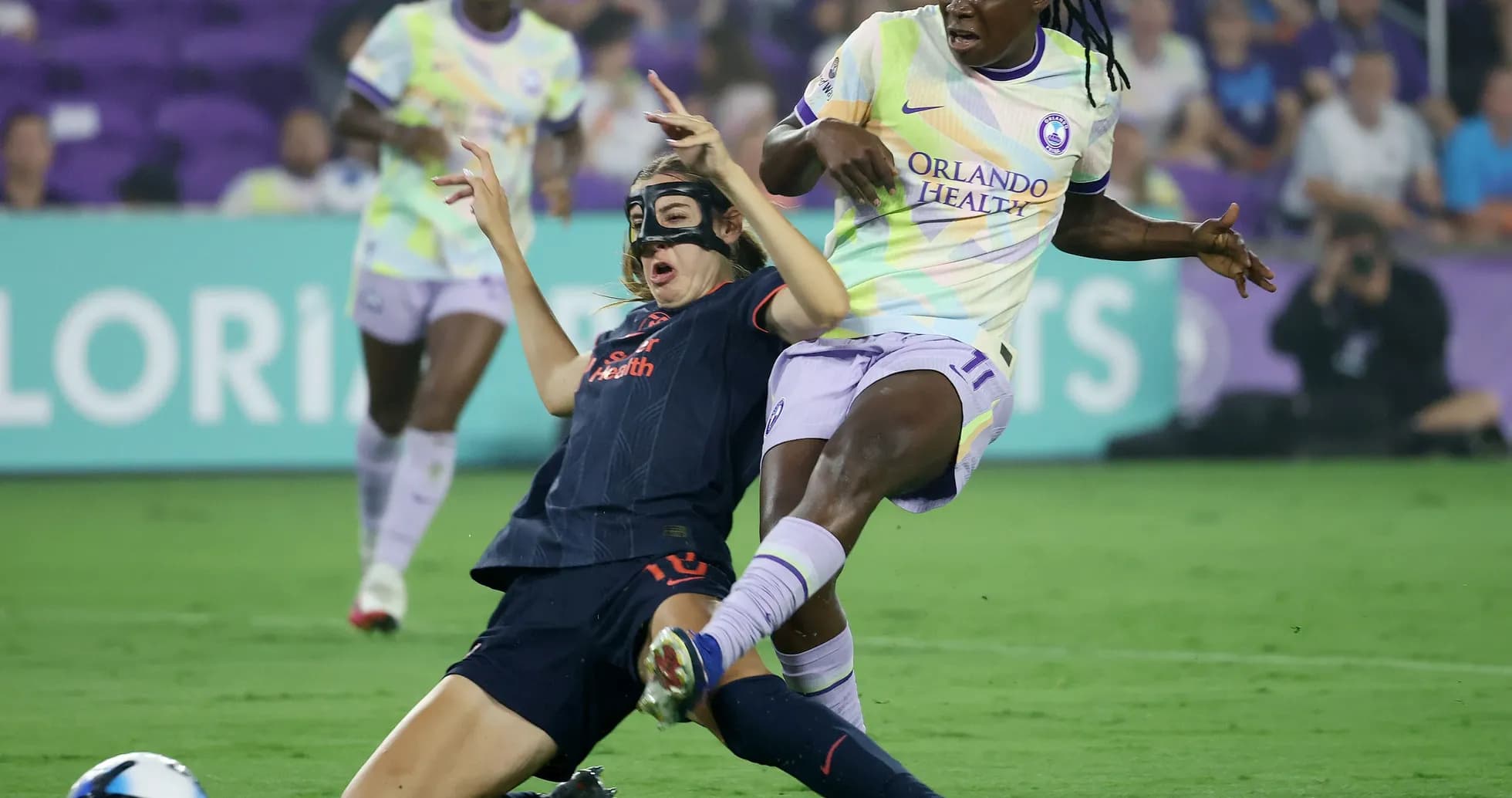
The headline duel in any Orlando game is simple: Barbra Banda against whoever dares stand in front of her. With 15 goals and 3 assists in 22 appearances, she is the league’s second-ranked attacker by rating (7.6), firing 66 shots with 36 on target. She has also won 1 penalty and drawn 36 fouls, constantly bending defensive lines out of shape.
Bay’s “shield” against that threat is less an individual and more a patchwork. Silkowitz’s 87 saves and 7 clean sheets overall show a goalkeeper capable of heroic resistance, but the defensive unit in front of her has leaked 37 goals in 26 matches. Cometti’s 29 tackles and 7 blocked shots, Moreau’s 7 blocks and 8 interceptions, and H. Gilchrist’s presence in the back four must collectively absorb Banda’s direct running and aerial threat. If Bay’s back line is forced into repeated last-ditch actions, Orlando’s volume of chances will tell.
In midfield, the engine-room confrontation is rich. For Bay, Hutton and Huff provide balance between structure and progression. Hutton’s 1153 passes at 80% accuracy and 32 key passes make her the primary distributor, while Huff adds 18 key passes, 2 goals and 2 assists from deeper lines, plus 31 drawn fouls and 70 duels won. They are the twin pistons trying to connect a front three of A. Pfeiffer, K. Lema and R. Kundananji.
Orlando’s response is a layered triangle. McCutcheon is the enforcer-playmaker hybrid, with 657 passes (23 key), 53 tackles and 93 duels won, tasked with both breaking Bay’s rhythm and launching transitions. Angelina, for all her disciplinary risk, offers 17 key passes and 32 tackles, knitting build-up with vertical progression. Ahead of them, Marta and S. Washington float between lines, feeding Banda and exploiting pockets when Bay’s midfield steps out to press.
This is where the timing profiles intersect sharply. Bay concede 20.00% of their goals between 46–60 minutes, just as Orlando score 23.53% of theirs in that same window. If Bay’s midfield tires or loses compactness after the break, Orlando’s engine—McCutcheon and Angelina releasing Banda and Marta—will find seams.
IV. Statistical Prognosis – Patterns Behind the Scoreline
Across 26 matches, Bay’s fixtures have been low-scoring on average, with only 2 matches clearing the 2.5-goal line and 24 staying under it. Orlando are more volatile but still skew under: 5 over 2.5, 21 under. Yet the 1–3 in this match fits a deeper logic.
Bay’s late-game collapse rate is stark: 22.86% of goals conceded between 76–90 minutes, and only 3.45% of their own goals scored in that period. Orlando, by contrast, retain a late punch, with 17.65% of their goals arriving in the same window. When you overlay Bay’s fading attack and brittle late-game defence with Orlando’s second-half surges, a multi-goal away win is less surprise than statistical inevitability.
From an xG-style perspective—using chance volume and timing as proxies—Orlando’s season profile suggests they regularly generate more and better opportunities than their league position implies, while Bay’s narrow goal totals and high concession rate hint at a side often chasing matches from structurally weak positions.
Following this result, the trajectories diverge further. Bay remain a side defined by bright starts and dark finishes, reliant on Hutton, Huff and Kundananji to punch above the underlying numbers. Orlando, powered by Banda’s ruthlessness and a hardened midfield core, look increasingly like a team whose statistical foundation—strong second halves, layered chance creation, and just enough defensive resilience—can drag them higher up the NWSL Women table, even if the scars of those missed penalties never fully fade.