San Antonio Triumphs Over Colorado Springs in USL Clash
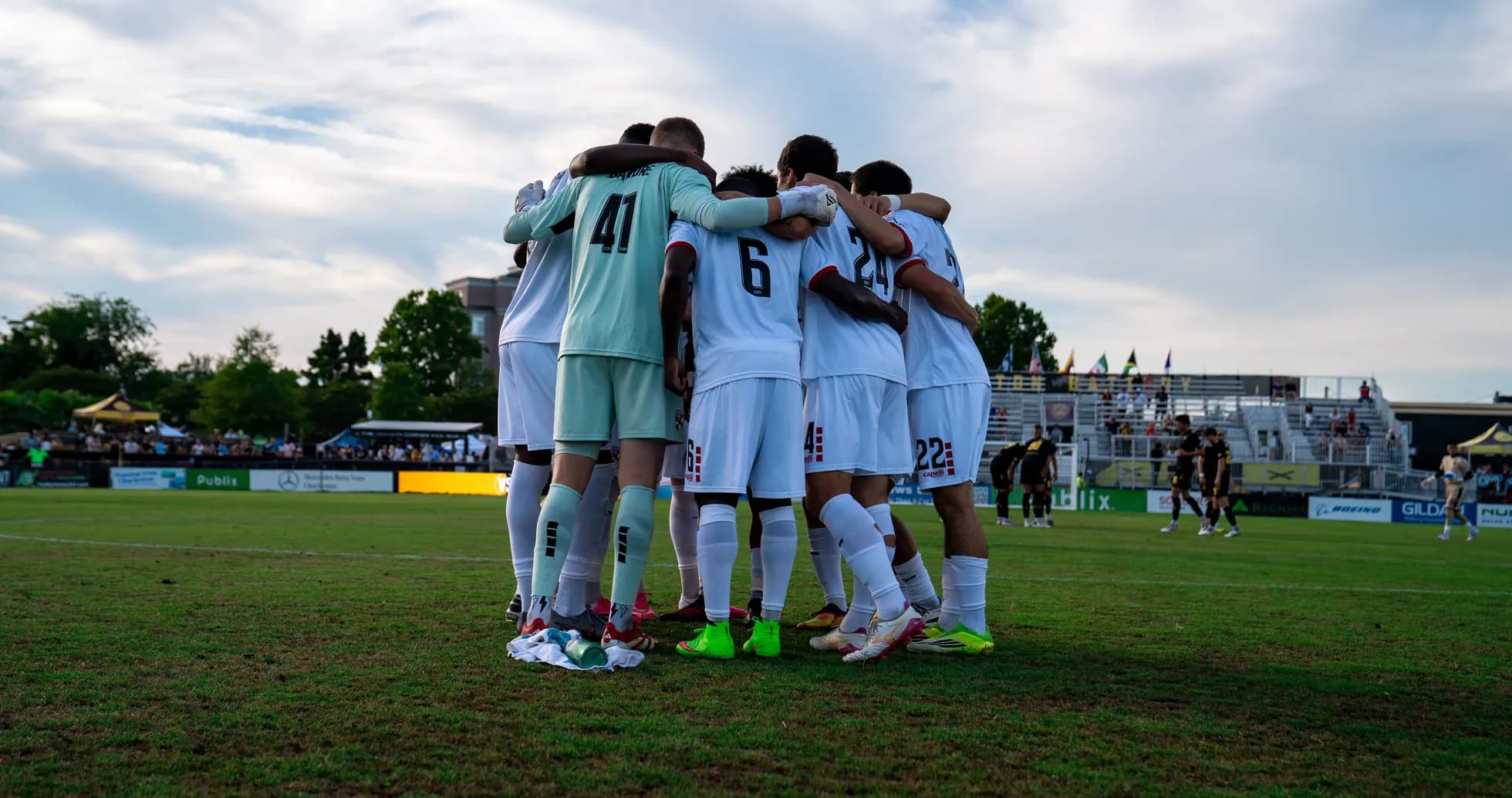
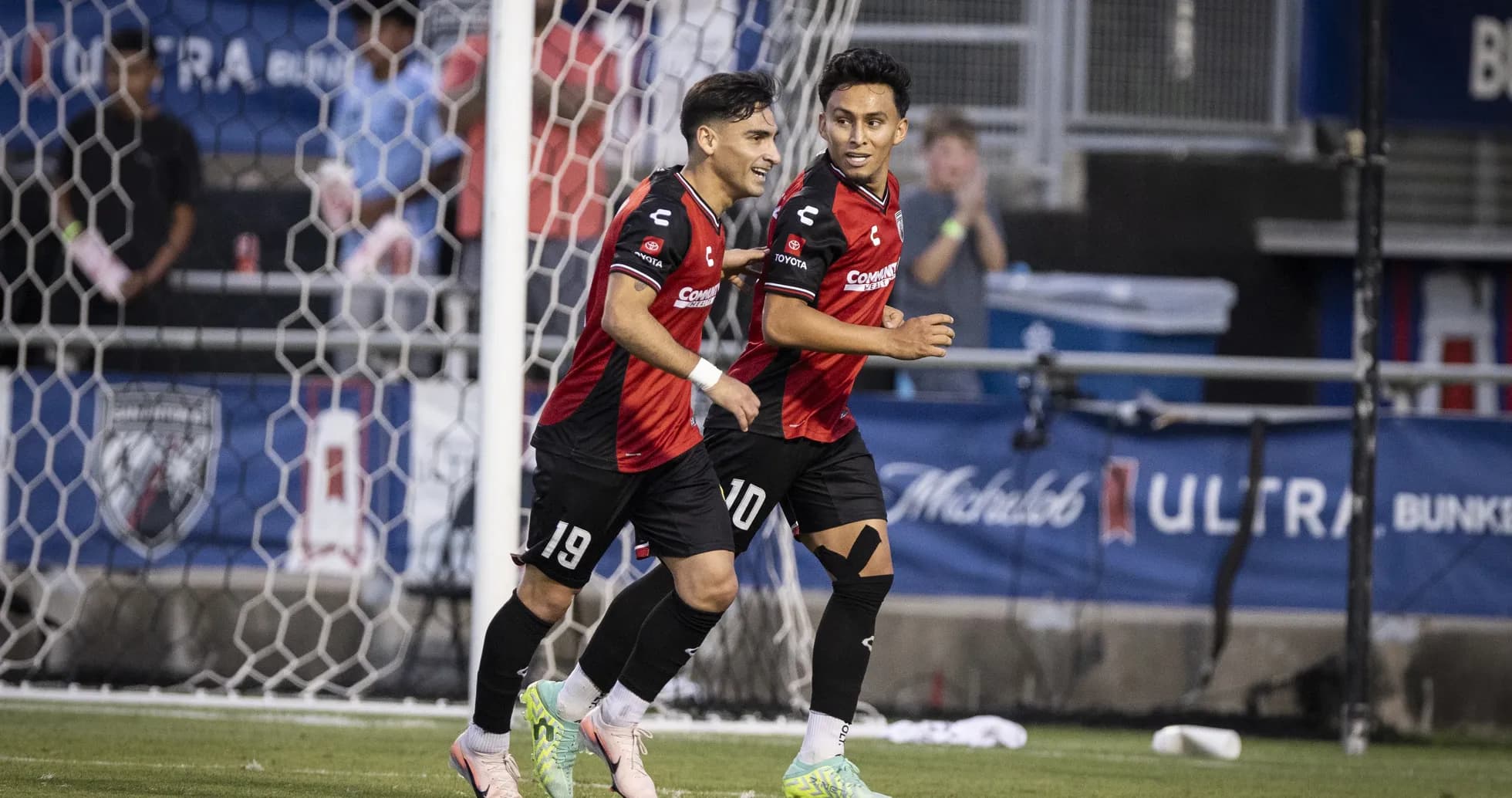
Under the lights at Weidner Field, this USL Championship Group Stage clash ended with San Antonio walking away 2–1 winners over Colorado Springs, a result that subtly reshapes the early-season narrative for both clubs. Following this result, the contrast between the sides’ seasonal DNA feels sharper than ever: Colorado Springs remain a volatile, attack‑minded outfit with a goal difference locked at 0 overall (21 scored, 21 conceded), while San Antonio’s more controlled, playoff‑calibre profile is underlined by a positive goal difference of 3 overall (20 for, 17 against) and a position near the top of the table.
Colorado Springs came into the night sitting 9th with 16 points from 13 matches, their form line of “LWLWL” already hinting at a boom‑or‑bust identity. At home, they had been reasonably productive, averaging 1.8 goals for and 1.5 against, but with zero clean sheets and only one home game where they failed to score, chaos is their natural environment.
San Antonio, by contrast, arrived as the more stable contender: 2nd in the standings with 24 points from 14 matches, unbeaten at home this season and grinding out results away. On their travels they had averaged 1.3 goals for and 1.5 against, with two away clean sheets but also four games without scoring, a profile of a team that can either shut things down or drift out of attacking rhythm.
Tactical Voids and Discipline
With no official absences listed, both coaches effectively had full decks to play with. Alan McCann’s Colorado Springs XI was built around a flexible spine: C. Shutler in goal; a defensive group fronted by P. Burner, T. Maples and M. Mahoney; and a midfield‑attacking band featuring the creativity of A. Perez and the mobility of Y. Hanya and J. Tejada behind the focal point of K. Bennett. On the bench, options like L. Johnson, J. Fjeldberg and S. Masereka offered different attacking profiles if the game state demanded a late push.
Carlos Llamosa’s San Antonio side, meanwhile, leaned into defensive stability and transitional threat. J. Batrouni anchored things in goal, shielded by a back line built around the experience and aerial presence of A. Crognale, D. Barbir and M. Taintor. Ahead of them, the technical pair of E. Cuello and J. Hernandez provided the passing lanes into more vertical runners like L. Berron and M. Maldonado, with C. Sorto leading the line. From the bench, figures such as S. Patino and C. Parano gave Llamosa the option to tilt the game toward more direct or more creative attacking in the second half.
Disciplinarily, the season profiles of both teams hinted at an edge. Colorado Springs’ yellow cards this campaign are spread across the 90 minutes but spike between 46–60 minutes at 21.74%, then again late between 76–90 minutes at 17.39%, suggesting a team that can lose composure as intensity rises after half‑time and in the closing stretch. San Antonio’s bookings are heavily clustered in the heart of games: 20.93% from 46–60 minutes and another 20.93% from 61–75, with 18.60% from 76–90. That pattern fits a side that defends aggressively during the decisive middle third, especially when protecting a lead.
One critical detail in Colorado Springs’ seasonal story is from the spot: they have earned 6 penalties, scoring 5 but missing 1, so their conversion is strong but not flawless. San Antonio, by contrast, have not taken a penalty at all this season—0 in total, with no attempts missed or scored—meaning their attacking output is built almost entirely from open play and set pieces.
Key Matchups – Hunter vs Shield, Engine Room
The attacking “hunter” for Colorado Springs is less about a single talisman and more about a collective: Bennett’s physical presence, Hanya’s movement between lines, and Perez’s ability to knit play. At home, Colorado Springs average 1.8 goals per match, a reflection of this multi‑pronged threat. Their challenge was to crack a San Antonio defence that, overall, has conceded just 1.2 goals per game and has already posted 5 clean sheets in total, including 2 away.
The “shield” on San Antonio’s side is that compact central block of Crognale, Barbir and Taintor, supported by the positional discipline of Ward out wide. This unit has helped San Antonio limit home opponents to just 0.8 goals per game and, while the away average against rises to 1.5, the structure is clear: keep the central corridor closed, funnel shots wide, and rely on Batrouni’s handling.
In the engine room, the duel between Colorado Springs’ creative axis and San Antonio’s double pivot was decisive. Perez and S. Williams were tasked with progressing the ball and linking to Hanya and Tejada between the lines. Opposite them, Cuello and Hernandez sought to dictate tempo and break Colorado Springs’ rhythm. The visiting pair’s ability to turn regained balls into immediate forward passes toward Sorto and Berron was central to San Antonio’s counter‑attacking plan.
Statistical Prognosis and Tactical Reading
Following this result, the outcome feels like a textbook expression of both teams’ seasonal tendencies. Colorado Springs, with a total average of 1.6 goals for and 1.6 against, live on a knife‑edge; their goal difference of 0 overall is the numeric embodiment of that volatility. They are good enough to hurt anyone, but their lack of clean sheets at home and a total of just 1 clean sheet overall leave them perpetually exposed to the kind of narrow defeat they suffered here.
San Antonio’s profile—1.4 goals scored and 1.2 conceded overall—points to a side that wins margins rather than blowing teams away. Their 6 wins and 6 draws from 14 matches before this fixture show a team comfortable in tight games, and this 2–1 away victory fits neatly into that pattern. Even without penalty‑driven xG boosts, they continue to find ways to edge contests, especially by managing the high‑card, high‑intensity middle phases of matches.
In xG terms, the shape of the contest likely mirrored the season arcs: Colorado Springs generating enough chances to justify their single goal, but conceding opportunities in transition that allowed San Antonio to reach or slightly exceed their typical 1.3 away‑goal output. The visitors’ defensive solidity—anchored by their central trio and disciplined midfield—once again proved sufficient to protect a slim advantage.
For Colorado Springs, the tactical lesson is clear: their attacking framework is competitive against top‑two opposition, but without tightening their defensive structure at home and reducing those card‑heavy, frantic spells after the interval, they will continue to hover in mid‑table. For San Antonio, this is the kind of road win that underpins a promotion push: not spectacular, but ruthlessly aligned with their identity as a compact, efficient, and mentally robust side built for knockout‑style football long before the actual 1/8-finals arrive.