Miami FC vs Orange County SC: A Tactical Analysis of USL Championship Clash
Under the Miami night at Riccardo Silva Stadium, this Group Stage clash in the USL Championship felt like a measuring stick for both projects. Miami FC, sitting 8th in USL 1 with 17 points and a negative goal difference of -6 (17 goals for, 23 against in total), came in as a fragile playoff contender. Orange County SC arrived as league leaders on 26 points, with a total goal difference of +7 (22 for, 15 against), and left with a 4-2 away win that underlined the gap in defensive resilience and game management between the two sides.
Heading into this game, the season’s statistical DNA already hinted at the script. At home, Miami FC had been chaotic: 11 goals scored and 13 conceded across 6 matches, averaging 1.8 goals for and 2.2 against at Riccardo Silva Stadium. They are a side that can punch, but cannot stop swinging. Orange County, on their travels, had been ruthlessly efficient: 15 away goals scored and 11 conceded from 8 away fixtures, an average of 1.9 goals for and 1.4 against. Their form line of “WWDWD” in the standings spoke of a team that rarely loses control, even when they do not dominate.
Final Score: Miami FC 2, Orange County SC 4
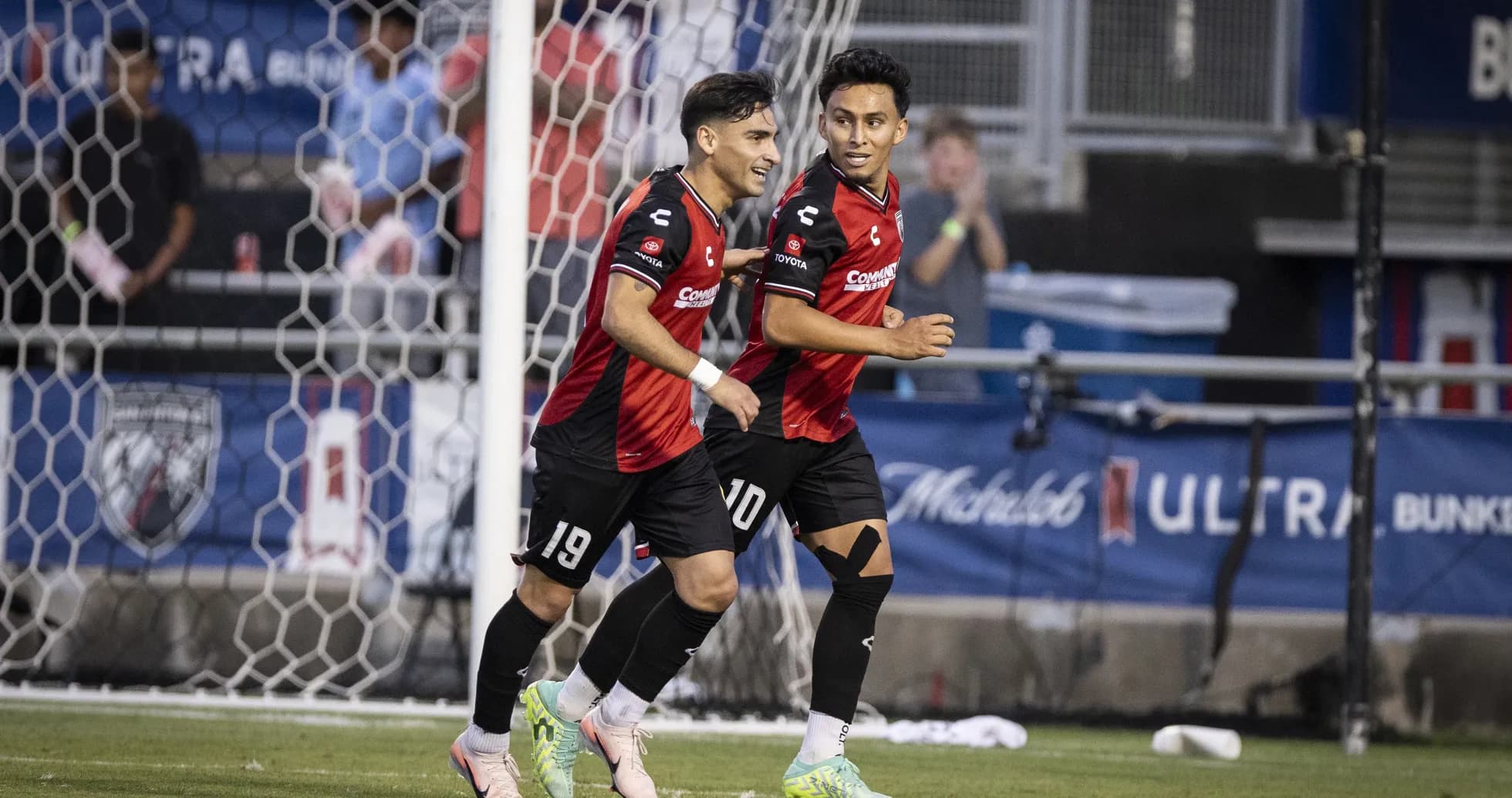
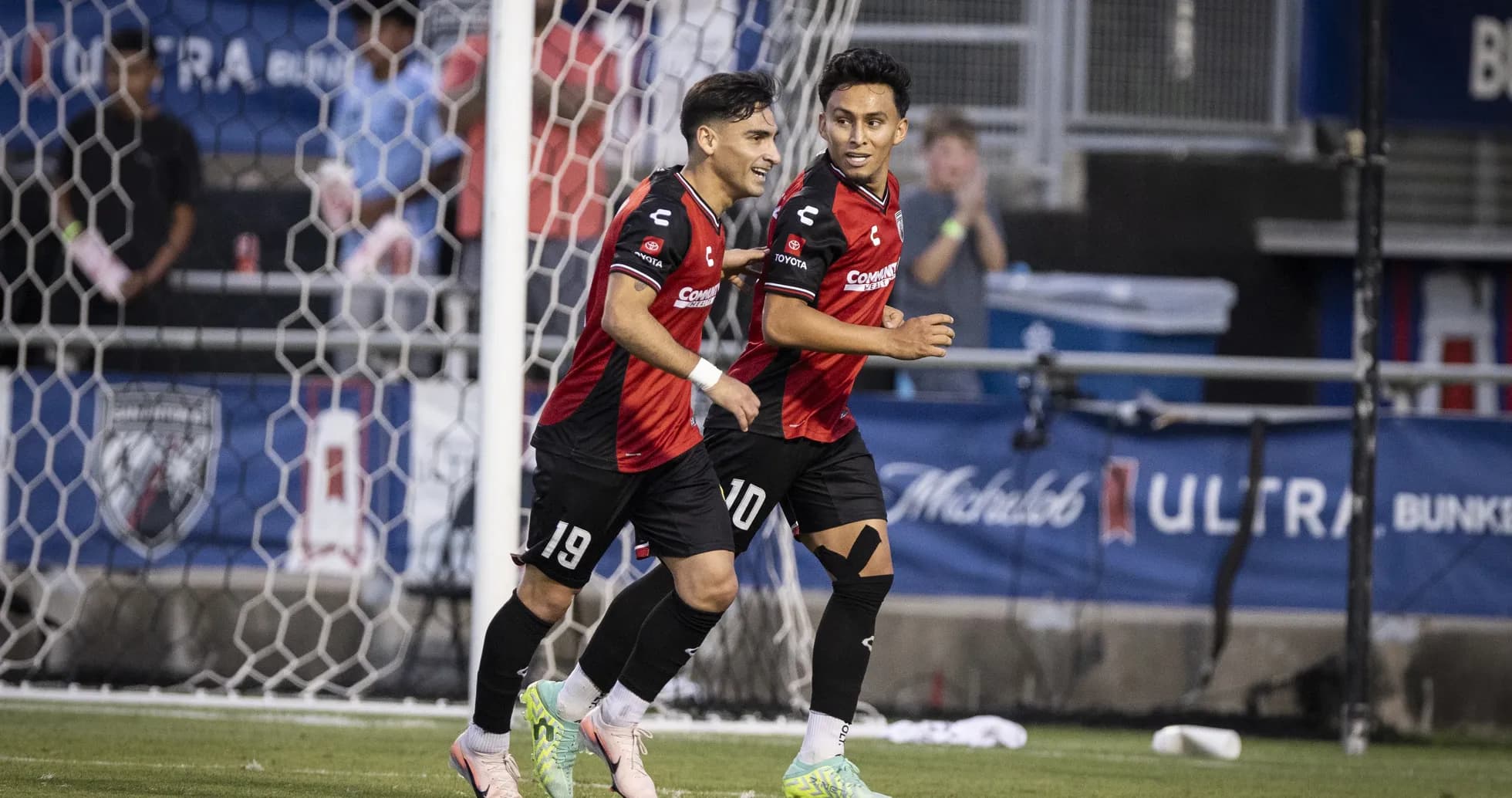
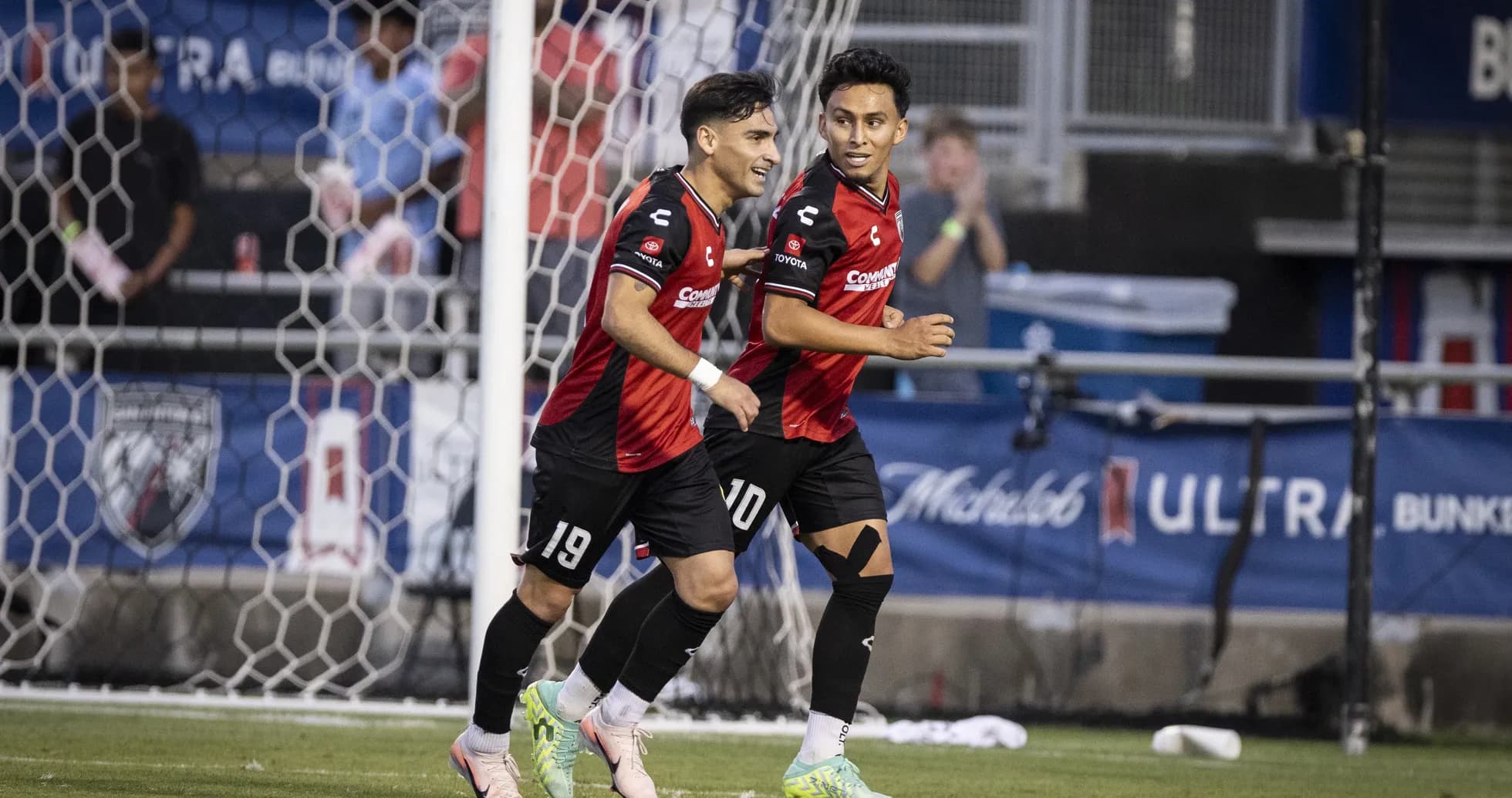
The final scoreline – Miami FC 2, Orange County SC 4 – confirmed that pattern. Miami’s total averages this campaign, 1.2 goals for and 1.6 against per match, met an away attack that sits at 1.9 goals per game. The result felt less like an anomaly and more like a statistical regression to the mean.
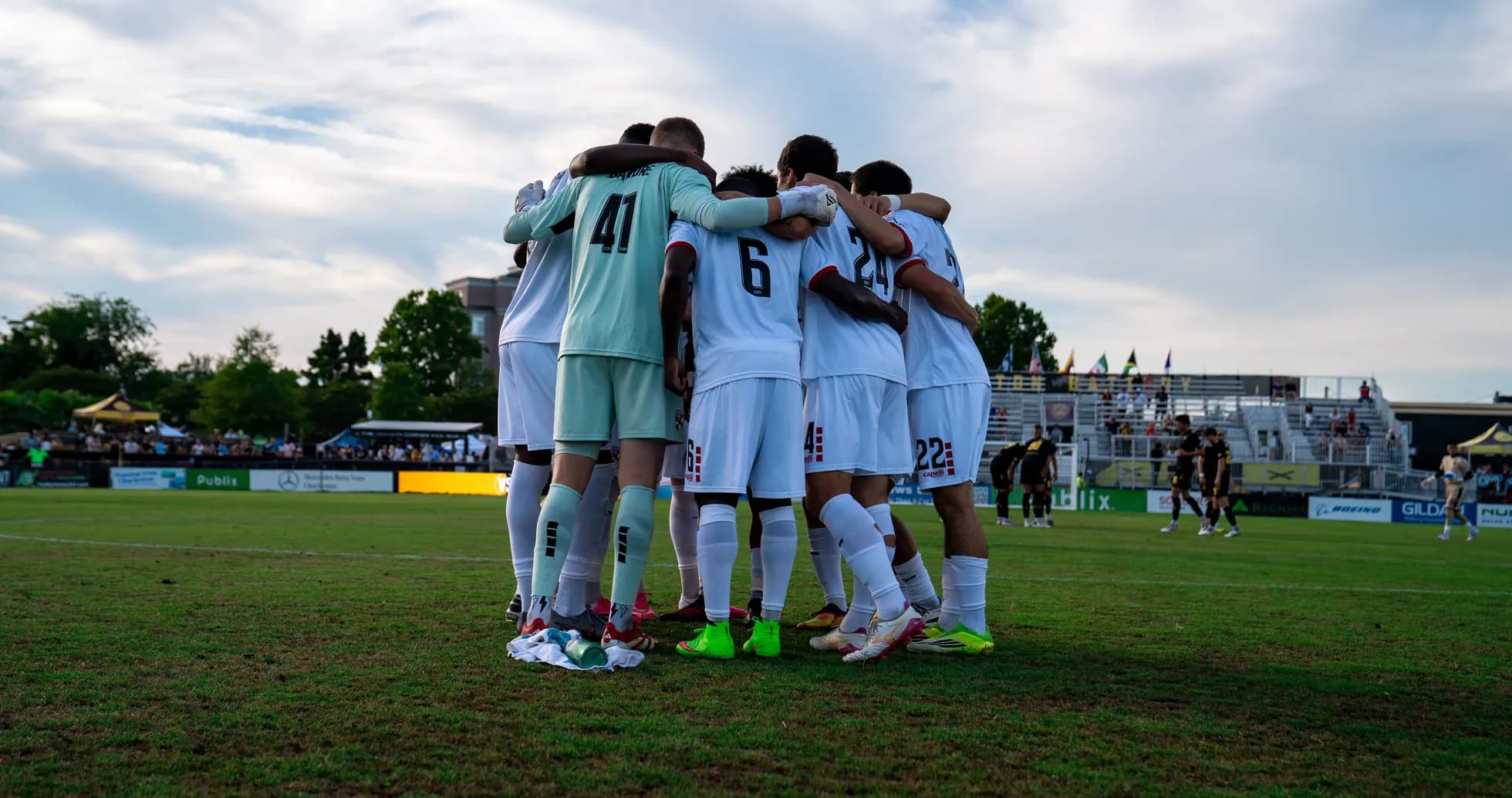
Tactically, both coaches had to work without the comfort of clearly defined formations in the data, but the personnel tells its own story. Gaston Maddoni leaned on a spine of experience and industry: F. Rodriguez as the last line, with a defensive cohort including B. Ndiaye, D. Knutson and A. Calfo, and a midfield axis shaped by A. Milesi, R. Tori and T. Musto. Ahead of them, the creative and attacking responsibility fell to G. Diaz, M. Tunbridge, J. Sonora and R. Da Costa.
On the opposite bench, Danny Stone’s Orange County SC presented a more balanced, multi-phase squad. A. Rando anchored the side in goal, shielded by a back line featuring T. Espy, T. Brewitt, G. Tubbs and N. Benalcazar. In front of them, E. Solis and S. Kelly formed a hard-working core, with L. MacKinnon, M. Palomino and J. Johnson offering the connective tissue between lines. Y. Bazini’s presence in the XI gave Orange County a focal point in the final third.
What made this contest compelling was not just the scoreline, but how the squads were constructed to deliver it. Miami FC’s season numbers show a team that can explode, but often from unstable foundations. Their biggest home win, 4-3, and heaviest home defeat, 0-3, both speak to volatility. They have managed 5 clean sheets in total, but notably 4 of those have come away; at home, only 1 clean sheet underscores how exposed they are when they take the initiative. The card distribution deepens that picture: 24.39% of their yellow cards arrive between 61-75 minutes and another 24.39% from 76-90, with a red card recorded in the 61-75 window. This is a side that frays as matches open up, and late-game discipline has been a recurring issue.
Orange County’s disciplinary and defensive profile is almost the mirror image. Their yellow cards peak late too – 39.13% between 76-90 minutes – but they maintain structural integrity far better, with only 15 goals conceded in total and 5 clean sheets split between home (3) and away (2). Their single red card coming in the 76-90 range suggests that when they do overstep, it is usually in the closing stages of tight contests, but their defensive averages (0.7 goals against at home, 1.4 away) show a unit that typically bends before it breaks.
Within the squads, the “Hunter vs Shield” dynamic played out in subtle ways. Miami’s attacking quartet of Sonora, Tunbridge, Diaz and Da Costa is built for combination play and second-phase chaos rather than pure penalty-box predation. They thrive when the game becomes stretched, which aligns with Miami’s high-scoring, high-conceding home pattern. Yet against an away defence that has allowed only 11 goals in 8 matches, they were forced to overcommit. The two goals they scored fit their home average; the four they conceded fit Orange County’s away attacking profile.
In the “Engine Room” battle, the contrast was even sharper. Miami leaned on the work rate and distribution of T. Musto and A. Milesi to link phases, but the underlying season data – 23 goals conceded in total, with 2.2 per game at home – suggests that the midfield screen in front of their back line is too easily bypassed. Orange County’s pairing of E. Solis and S. Kelly, supported by the positional intelligence of M. Palomino and the wide work of L. MacKinnon and J. Johnson, allowed them to control transitions and keep Miami chasing shadows for long stretches.
From a statistical prognosis standpoint, the result was almost baked in. Orange County entered with a total xG profile (implied by 1.6 goals for and 1.1 against per match) that speaks to a side winning the shot-quality battle most weeks. Miami’s total averages of 1.2 for and 1.6 against pointed to a team that needs efficiency in front of goal just to break even. Over 90 minutes, that gap manifested as Orange County repeatedly finding high-value situations, while Miami had to rely on moments rather than sustained pressure.
Following this result, the narrative is clear. For Miami FC, the squad’s attacking talent is not in question, but the structure around it is. The late-game card spikes, the porous home record and the imbalance between goals scored and conceded demand a recalibration in the spine – especially around figures like Musto, Tori and the defensive unit of Ndiaye, Knutson and Calfo. For Orange County SC, this was the performance of a leader: Rando’s calm, the composure of Brewitt and Tubbs, the industry of Solis and Kelly, and the layered threats of MacKinnon, Palomino, Johnson and Bazini all combining into a side that can go away from home, absorb pressure and still put four past a volatile opponent.
In the broader arc of the USL Championship season, this 4-2 away win felt less like a surprise and more like a confirmation: Orange County SC’s squad is built for a deep run; Miami FC’s, for now, is built for drama.