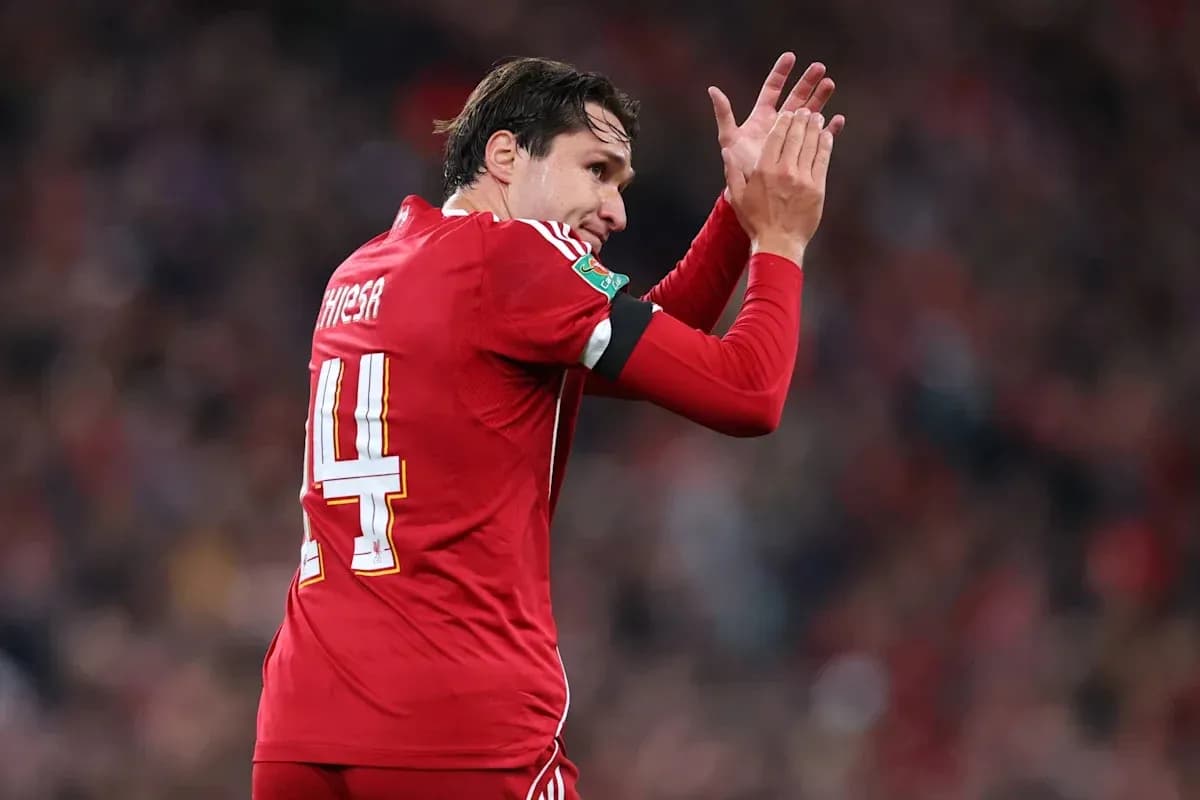
Roy Keane Questions Federico Chiesa's Liverpool Future
Federico Chiesa has become a convenient punchline in the debate over Liverpool’s squad depth. That alone says a lot about where he sits in Andoni Iraola’s plans.
A summer of upheaval has reshaped Anfield. Mohamed Salah, Andy Robertson and Ibrahima Konate all walked away on free transfers. Curtis Jones followed them out, a £30m sale to Inter Milan underlining the club’s willingness to redraw the core of the team.
Through all of that, Chiesa stayed put. Just a few months ago, that looked unlikely. His name kept surfacing in the churn of transfer gossip, often linked with a return to Serie A. Yet as the window closed, he was still on Merseyside, still in red, still a Liverpool player.
And then came Roy Keane.
“Is He Still There?” – A Line That Stung
On Stick to Football, Jamie Carragher was running through Liverpool’s options when he landed on two names he didn’t see featuring much: Chiesa and Wataru Endo, who he said “aren’t gonna kick a ball” for the club this season.
Keane didn’t wait.
“Is he still there?” he cut in, deadpan and ruthless.
It was a throwaway line, but it sliced straight into the heart of Chiesa’s situation. The Irishman wasn’t just questioning his impact. He was questioning his presence. For a player who arrived with a big reputation, being treated like a forgotten man on a panel show is a brutal marker of how far his stock has fallen.
And yet, it’s not entirely unfair.
A Bit-Part Role That Never Took Off
Chiesa’s talent has never really been the issue. The problem is how little that talent has actually mattered at Liverpool.
Last season, he featured in 26 Premier League games. On paper, that sounds respectable. Then you look closer: just one start, at home to Wolves in December. One league start in an entire campaign for a player of his calibre underlines his status better than any pundit’s barb.
He has felt like a permanent understudy. Always there, rarely central. A squad option, not a cornerstone.
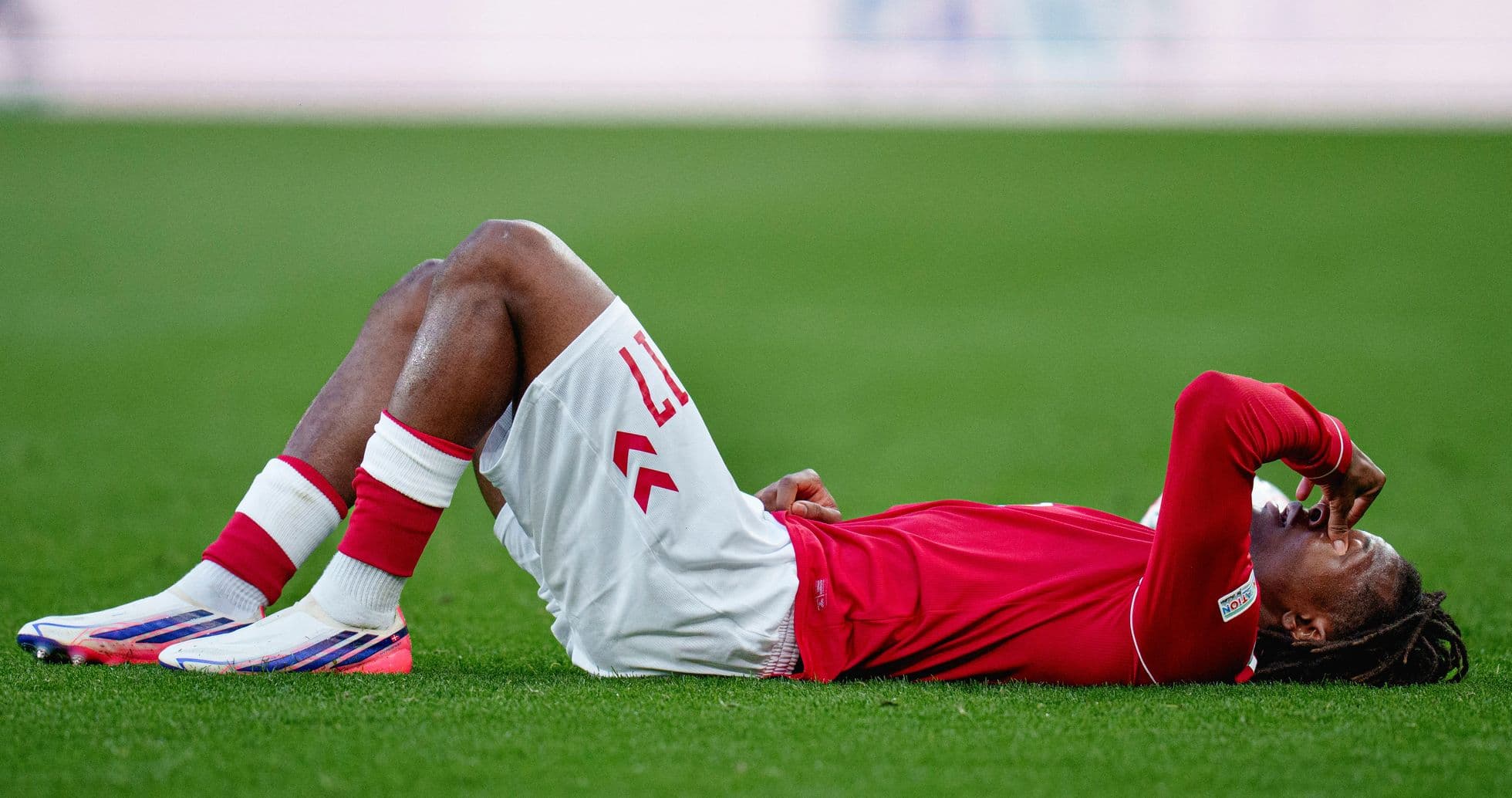
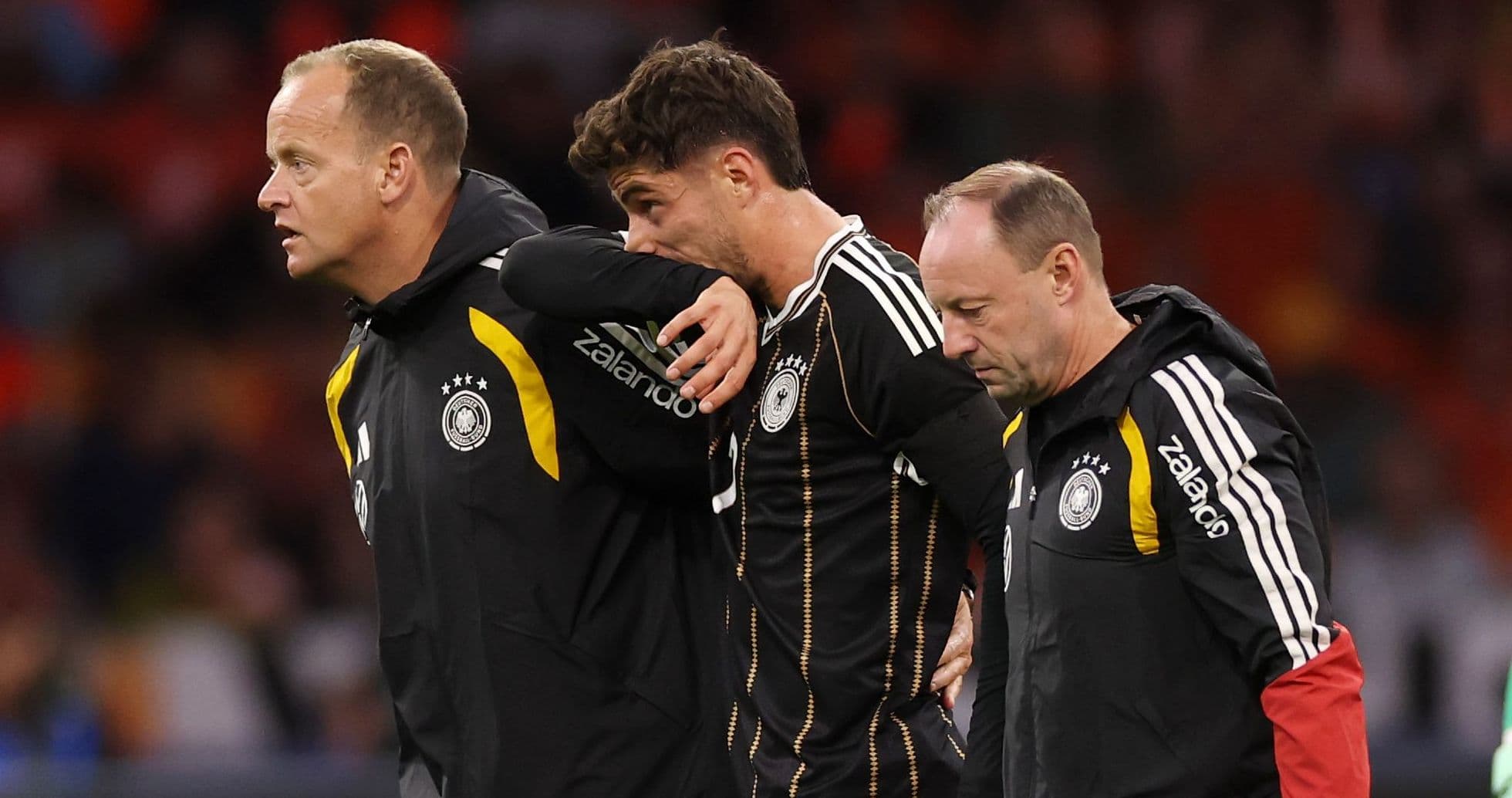
There is at least a reason for his absence from the opening weeks of this season. Chiesa picked up a minor injury in pre-season against Como, and Iraola has already made it clear he doesn’t expect the winger back in full training until the international break in late September.
That delay matters. Every week out is another week where others can move ahead of him.
Iraola’s Wide Dilemma
By the time Chiesa is ready to return, Liverpool’s flanks could be even harder to break into.
The arrival of Bradley Barcola has thickened the competition in wide areas. Iraola now has five senior wingers to juggle. For a player already battling to stay relevant, that is a grim equation.
Yet there is still one detail working in Chiesa’s favour: profile. He remains the only natural right-sided forward in the senior group. In a long season, with rotation inevitable, that specific skill set can open doors that current perceptions would slam shut.
If Iraola wants balance on that flank, if he wants a left-footer coming inside or a natural right-sided outlet, Chiesa is the obvious card to play once he’s fit. That’s his lifeline.
But it will only matter if he seizes it.
A Reputation on the Line
Right now, the biggest problem isn’t the injury or the depth chart. It’s how people talk about him.
Keane’s jab landed because it rang true. Chiesa’s Liverpool career has never really caught fire. The excitement of his arrival has faded into a vague memory of cameos and what-ifs.
Changing that story won’t come from soundbites or sympathy. It has to come in bursts: a decisive assist off the bench, a late winner, a game where his direct running shifts the tempo. Even if the starts remain rare, he can still rewrite the narrative in 20-minute spells.
At the moment, everything points to another season on the margins. Another year of being the name fans remember only when they see the teamsheet or hear a pundit scoff.
But football doesn’t always follow the script. One clean bill of health, one run of form, one stretch where Iraola leans on his only natural right-sided forward, and that cutting question – “Is he still there?” – could soon sound less like a punchline and more like the starting point of a comeback.