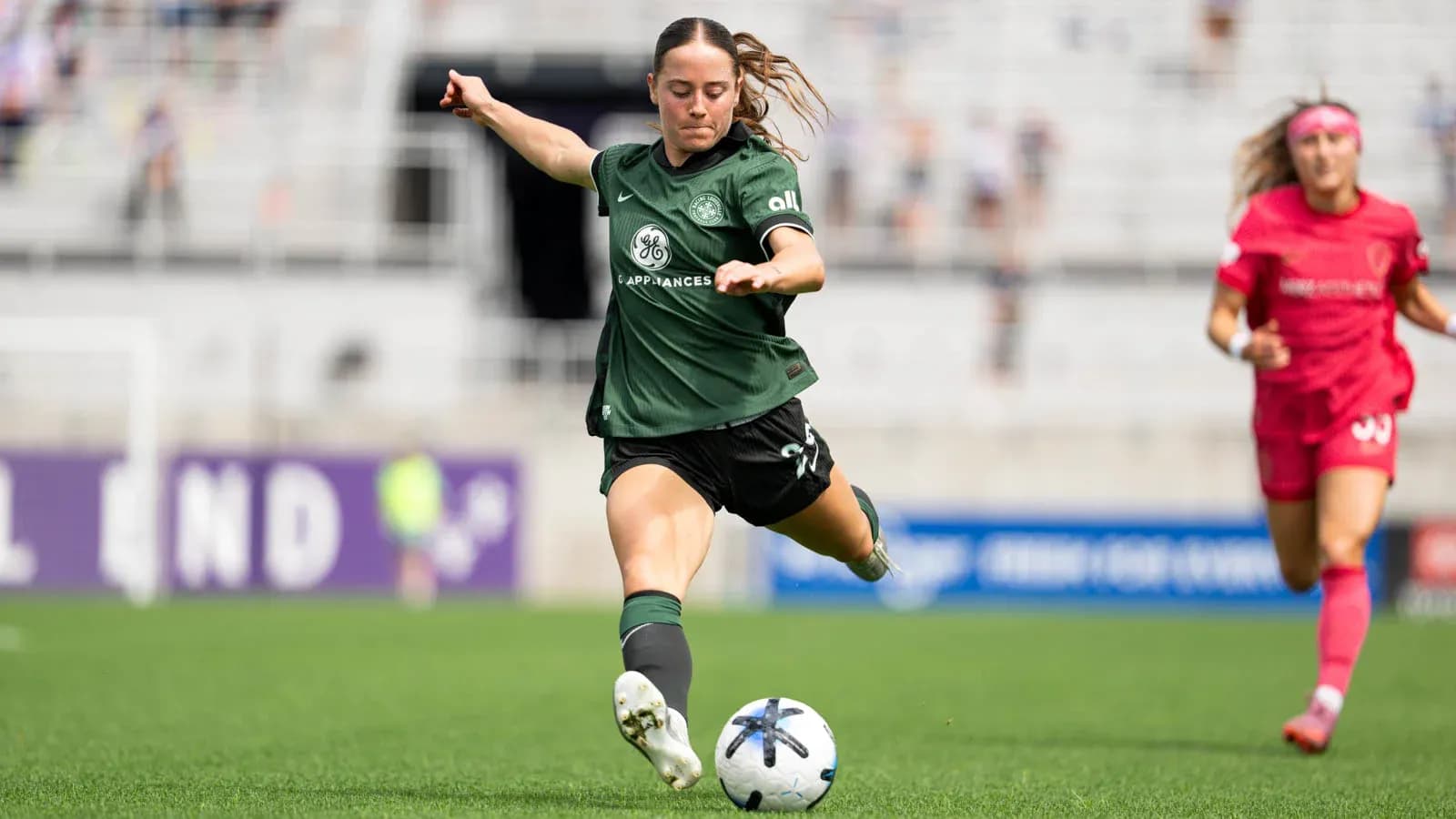
Racing Louisville W vs North Carolina Courage W: A Tactical Analysis
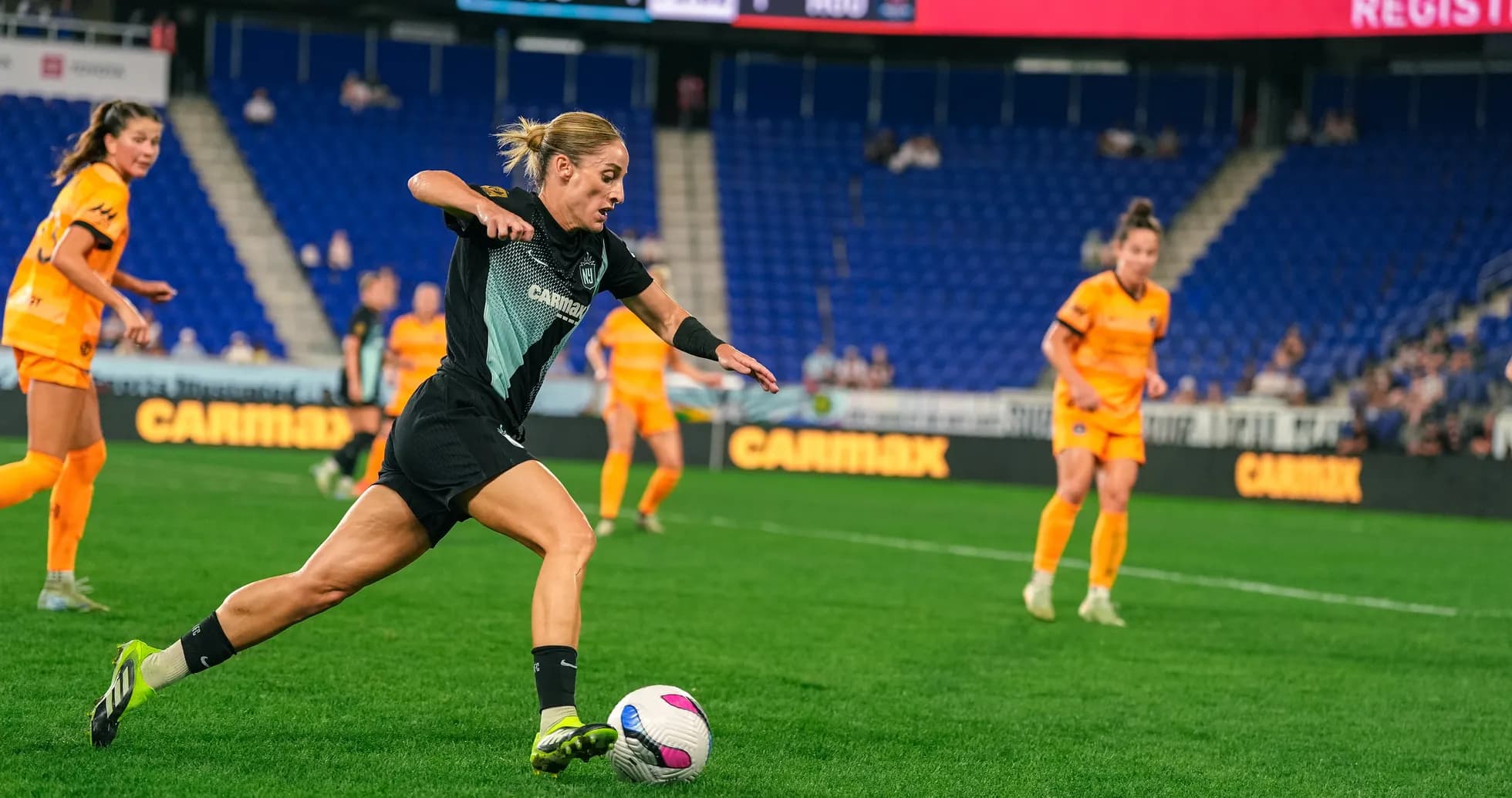
Lynn Family Stadium under the lights, a tight 2-1 defeat, and a table that tells two very different stories. Following this result, Racing Louisville W remain marooned in 16th with 7 points and a goal difference of -4 (15 scored, 19 conceded overall), while North Carolina Courage W consolidate their push from 7th with 15 points and a goal difference of 3 (15 scored, 12 conceded overall). This was a group-stage contest in the NWSL Women that felt more like a measuring stick: Louisville searching for an identity, Courage refining one.
I. The Big Picture: Structures and Seasonal DNA
On paper, this was a clash of systems as much as squads. Racing Louisville W went with their familiar 4-2-3-1, a shape they have used in 9 of their 10 league fixtures. It is a framework built to get numbers between the lines and leverage the creativity of players like Emma Sears and Macey Hodge, with Kayla Fischer leading the line.
Across from them, North Carolina Courage W deployed a 4-3-3, the formation that has underpinned half of their league matches. It is a flexible structure, able to morph into a 2-3-5 in possession through the adventurous runs of Ryan Emilie Williams and the positional intelligence of M. Matsukubo and R. Jackson.
The season-long numbers explain the dynamic. Heading into this game, Racing Louisville W were a different animal at home and on their travels. At home they averaged 2.3 goals scored and 1.8 conceded, but away they dropped to 1.0 scored and 2.0 conceded, for an overall average of 1.5 for and 1.9 against. They had not kept a single clean sheet in 10 matches, and their goal difference of -4 reflected a side that can punch but rarely guard its own chin.
North Carolina Courage W, by contrast, arrived with balance and control. Overall, they averaged 1.5 goals for and 1.2 against, with a particularly stingy away record: 1.0 scored and just 0.8 conceded on their travels. Three clean sheets in 10, and only one away defeat, underlined a team that travels with a clear plan and a solid defensive base.
II. Tactical Voids and Disciplinary Undercurrents
There were no confirmed absences listed, so both coaches leaned into their core identities. Beverly Yanez trusted a back four of L. Milliet, A. Wright, C. Petersen, and Q. McMahon in front of J. Bloomer, shielding a goal that has been under siege all season. In midfield, T. Flint and K. O’Kane formed the double pivot, with Sears, Hodge, and M. Morris supporting Fischer.
For Mak Lind, the 4-3-3 was anchored by K. Sheridan in goal, protected by a back line of Williams, U. Shiragaki, N. Staude, and D. Weatherholt. The midfield trio of Jackson, S. Koyama, and Matsukubo provided the engine, with A. Schlegel, E. Ijeh, and Ashley Nicole Sanchez forming a front three rich in movement and technical quality.
Disciplinary trends shaped the risk calculus. Louisville’s yellow-card distribution is spread but spikes at 46-60 minutes (23.08%) and again in 91-105 minutes (23.08%). This is a side that often gets stretched chasing games and pays for late lunges. T. Flint (listed as T. Kornieck in the season stats) embodies that edge: 3 yellows, heavy defensive volume, and 13 blocked shots across the campaign. She is the enforcer but also a booking risk in transition.
Courage’s card profile is more controlled but carries a sting. Their yellows cluster between 31-60 minutes (58.33% across 31-45 and 46-60), and crucially they have a 100.00% red-card rate in the 76-90 range, with Schlegel already shown a red this season. That history matters: Lind must balance Schlegel’s pressing and aggression with game-state management late on.
III. Key Matchups: Hunter vs Shield, Engine Room vs Engine Room
The headline duel was always going to be Ashley Sanchez against a defense that concedes 1.9 goals per game overall and has yet to record a clean sheet. Sanchez arrived as one of the league’s most dangerous all-around threats: 7 goals and 1 assist in 10 appearances, 23 shots with 14 on target, and 16 key passes. Operating nominally from the left of the front three but drifting into central pockets, she targeted the channels between McMahon and Wright, and between Petersen and Milliet.
For Louisville, the primary shield against that threat was the double pivot. Flint’s profile is that of a classic destroyer-playmaker hybrid: 25 tackles, 13 successful blocks, and 35 interceptions this season, plus 394 passes at 66% accuracy. She is the one stepping into Sanchez’s lane, contesting second balls, and trying to turn Courage’s high-possession phases into transition opportunities.
Higher up, Sears was Louisville’s creative compass. With 3 assists and 9 key passes in 656 minutes, she is the connector between midfield and Fischer. Her duels (70 total, 33 won) and 7 successful dribbles from 17 attempts show a willingness to take responsibility in tight spaces. The question was whether she could find pockets between Jackson and Koyama, who are tasked with closing central lanes and forcing Louisville wide.
On Courage’s right, Williams offered both a defensive shield and an attacking outlet. She has 3 assists, 12 key passes, and an 85% pass accuracy from 360 passes, alongside 21 tackles and 4 blocked shots. Her ability to pin Morris and overlap into space tested Louisville’s left side, potentially forcing Sears deeper and blunting Louisville’s attacking edge.
Matsukubo, meanwhile, is Courage’s quiet conductor: 2 goals, 2 assists, 18 key passes, and 290 passes at 74% accuracy. Her 22 tackles and 2 blocks underline a two-way presence. She squared up directly against Flint and O’Kane in the central lanes, a duel that dictated which side controlled tempo.
IV. Statistical Prognosis and Tactical Verdict
From a probabilistic lens, this match always leaned toward Courage. Their away defensive record of 0.8 goals conceded on their travels, combined with Louisville’s overall 1.9 goals against, suggested that Louisville would struggle to keep Courage out while needing to overperform in attack to win.
Louisville’s attacking averages at home (2.3 goals scored) pointed toward them creating chances, especially with Sears and Fischer both among the league’s more productive chance-creators and duel-winners. But without any clean sheets and with a tendency to concede in clusters, the margin for error was thin.
Courage’s flexibility in shape and personnel — 5 different formations used across the season — contrasted with Louisville’s reliance on the 4-2-3-1. That tactical versatility, combined with the individual quality of Sanchez and the control of Matsukubo and Williams, tilted the expected goals balance toward the visitors. Even without explicit xG figures, the underlying shot volume, passing control, and defensive solidity metrics pointed to Courage generating the higher-quality chances.
Following this result, the 2-1 scoreline feels like a faithful reflection of those trends. Louisville showed their home bite but were again undone by structural fragilities at the back. Courage, on the other hand, executed the away blueprint that has defined their season: compact, clinical, and driven by a front line that punishes even brief lapses.
For Louisville, the path forward is clear: maintain the creative platform of Sears and Fischer, but reinforce the central shield around Flint to finally chase that elusive first clean sheet. For Courage, this is validation — a road win that confirms their defensive metrics and their status as a side built for knockout-level intensity, even in the grind of the group stage.