Premier League 2026/27: A New Tactical Era Begins
The Premier League is back this weekend, and for once it feels genuinely new.
Three of the traditional heavyweights – Chelsea, Liverpool and Manchester City – arrive with fresh faces in the dugout and sharply different ideas about how the game should be played. Pressing, control, domination. The touchlines will be as intriguing as the pitch.
And for the first time in a decade, there will be no Pep Guardiola prowling a Premier League technical area.
Life After Pep
Ten years on from that extraordinary summer of 2016, when Guardiola joined City, Jose Mourinho took over at Manchester United and Antonio Conte walked into Chelsea, the league stands at another managerial crossroads.
Guardiola leaves behind a dynasty that is hard to overstate: six titles from 10 seasons, a 60% win rate, and a suffocating spell of dominance that included four consecutive championships between 2021 and 2024. For rival clubs, his departure is not just a change of scenery. It is an opening.
With the Spaniard gone, the league suddenly feels less predetermined. The title race is no longer built around the question of who can live with City’s relentlessness. It is about who seizes the vacuum.
Right now, that answer looks like Arsenal.
Arsenal: The Team to Beat, and to Stretch
Mikel Arteta’s side enter 2026/27 as defending champions, favourites to retain their crown and, crucially, the most settled of the contenders. The squad is coherent, the structure familiar, the patterns drilled over several seasons. While others reboot, Arsenal refine.
Their 3-0 dismantling of Enzo Maresca’s Manchester City in the Community Shield underlined that point. Arsenal barely had to accelerate through the gears to brush aside last season’s runners-up, a performance that felt more like a warning than a friendly curtain-raiser.
Yet nothing is straightforward in a World Cup year.
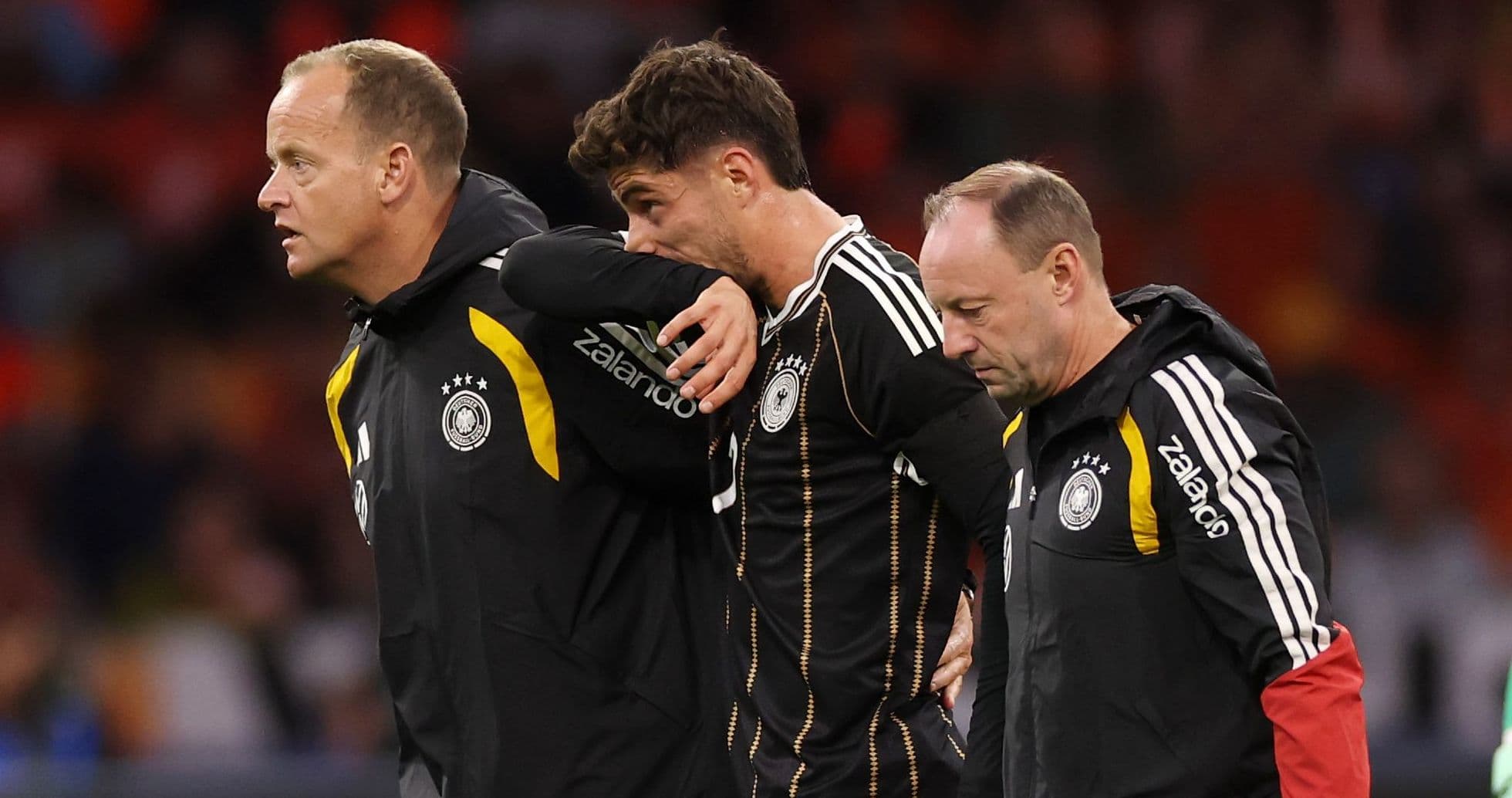
The 2026 tournament has already left its mark. William Saliba and Jurrien Timber will miss the start of the domestic campaign, while several others return with varying levels of fatigue. That depth Arteta has carefully constructed will be tested early, and tested hard.
There is another complication. Arsenal came agonisingly close to the Champions League last season, losing the final to PSG on penalties. That defeat still lingers. It could easily tilt Arteta’s priorities towards Europe, especially if injuries and tired legs stretch his resources in the league.
Arsenal have the platform to dominate. Whether they have the bandwidth to do it on two fronts is a different question.
Chelsea and Spurs: Dangerous Without Distractions
Lurking just behind the favourites are two clubs with a very different advantage: silence on midweek nights.
Xabi Alonso at Chelsea and Roberto De Zerbi at Tottenham both enter the season without European football. For two coaches so steeped in structure, repetition and detailed work on the training ground, that is a significant edge.
No long-haul midweek trips. No constant rotation. More time to drill pressing triggers, possession patterns and set-piece routines. For managers with strong tactical identities, that extra space can accelerate a project.
Chelsea, in particular, know this script well. The last time they lifted the Premier League trophy was in 2016/17, Conte’s first season in charge. They had just finished 10th, were free of European commitments, and used that clear schedule to build a ruthless, finely tuned machine that ran away with the league.
A decade later, the parallels are striking. Another 10th-placed finish. Another reset. Another philosophical coach stepping into a squad that has underperformed. Chelsea have been here before and turned it into a title. If Alonso can align the pieces, history is at least capable of echoing.
A New Tactical Cycle Takes Shape
It is not just the managers that make 2026/27 feel like a turning point. The league itself appears to be shifting into a new tactical phase.
Last season’s Premier League was shaped by three clear themes: direct football, set-piece dominance and man-oriented pressing. All three left deep marks on how games were played.
Teams increasingly chose to bypass the first phase of the press instead of insisting on building from the back. Goalkeepers went longer. Defenders launched more direct attacks. Managers accepted losing the ball if it meant gaining territory.
With man-oriented pressing schemes so aggressive, short passes from the goalkeeper often invited chaos. Going long was not a compromise. It was a deliberate strategy to go over the pressure rather than through it.
Possession became a tool, not a trophy. The league averaged around 713 completed passes per match, a drop of 4.68% from 2024/25 and 8.59% from the record high two seasons earlier. The obsession with dominating the ball gave way, in many cases, to a focus on how effectively it was used.
The Return of the Classic No 9
That shift dragged the traditional centre-forward back to centre stage.
Erling Haaland remained the benchmark, but he was no longer an outlier. Igor Thiago, Dominic Calvert-Lewin, Danny Welbeck and others thrived in more old-fashioned striker roles. Their value went beyond goals.
They offered aerial outlets when goalkeepers went long, pinned centre-backs, occupied the box and gave teams a constant threat from crosses and set pieces. At one stage, the league was on course for a record share of headed goals: 21.3% of goals after 11 matchweeks came from headers, up from 15.6% the previous season.
In a league that had spent years idolising false nines and fluid front threes, the penalty-box striker suddenly looked indispensable again.
Set Pieces as Full-Blooded Weapons
The dead ball also came alive.
Corners, free kicks, long throws and deep throw-ins were no longer mere restarts. Coaches treated them as fully designed attacking phases, each with its own choreography.
Long throws, in particular, exploded. Opta recorded 14 goals from long throws in 2024/25, the highest total on record, and that spike only encouraged teams to double down last season. At the start of 2025/26, Premier League sides averaged 3.03 long throws into the opposition box per game – almost twice the highest rate of the previous decade.
Every touchline in the final third felt like an opportunity to launch a set routine. Every throw-in a chance to turn a mundane moment into a melee in the six-yard box.
The Next Battle: Solving the Trends
So the question heading into 2026/27 is not whether these trends will continue. They will. Direct football, aggressive man-marking presses and choreographed set pieces are now baked into the league’s tactical DNA.
The real battle is who solves them first.
Which coach finds a reliable way to play through or around man-oriented pressing without inviting disaster? Who designs a possession game that punishes those long-ball transitions? Which team can neutralise the aerial bombardment at both ends of the pitch?
Without Guardiola dictating the rhythm from Manchester, the answers are no longer pre-scripted. Xabi Alonso at Chelsea, Andoni Iraola, Maresca at City and the rest of the new generation arrive with their own ideas about control, risk and territory.
Some will double down on the current trends. Others will try to subvert them.
By the time this season closes, we may not just know who has won the title. We may have seen the shape of the Premier League’s next tactical era – and discovered which club is ready to rule it.