Pochettino's Stress Test with U.S. Men's National Team
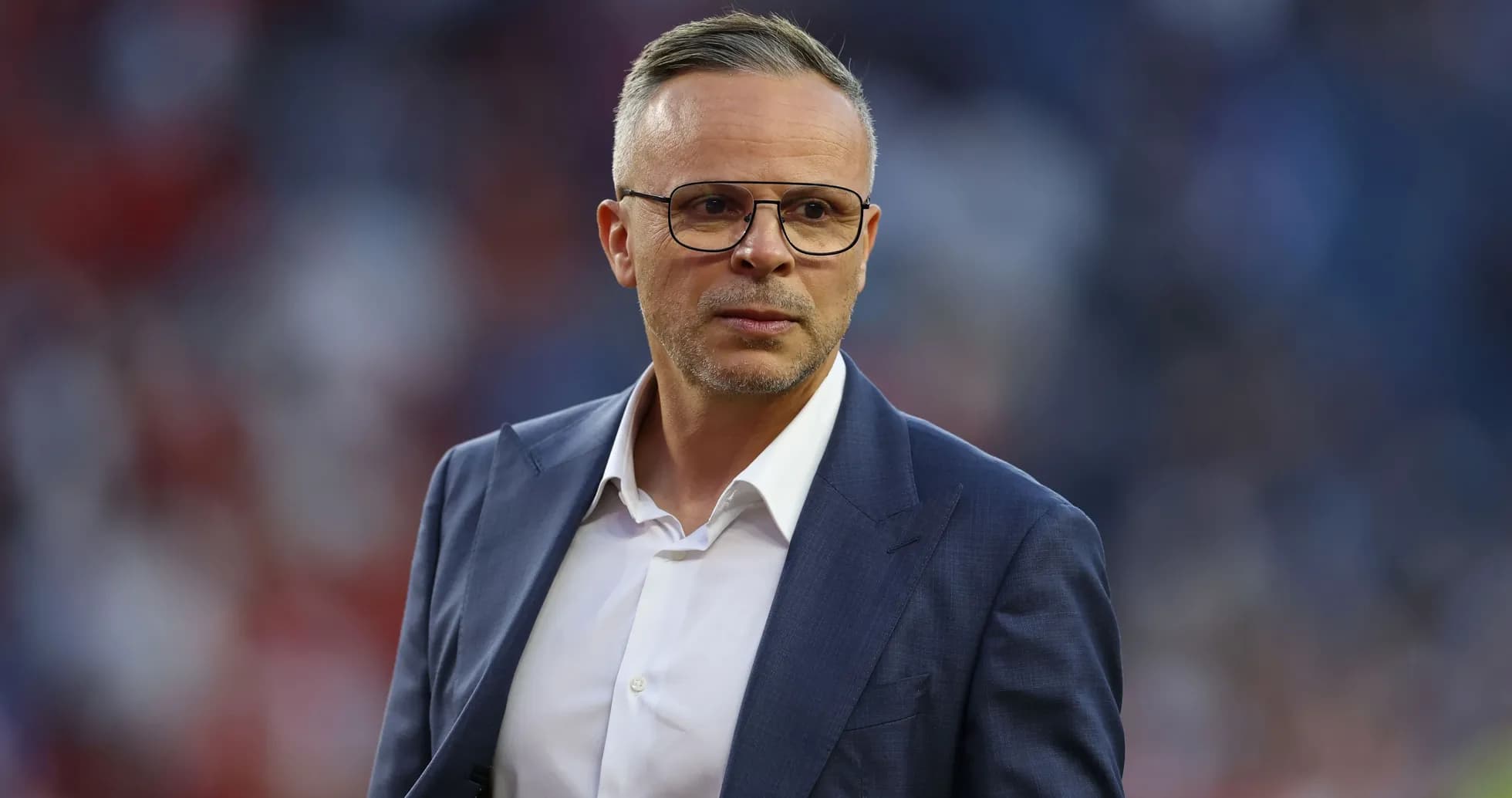
Mauricio Pochettino is about to get his first real stress test as U.S. Men’s National Team manager.
Across four games in 15 days — Peru, Chile, Mexico and Canada — the Argentine will learn exactly how far his ideas have travelled, and how much work still lies ahead. Friendlies in name only, this stretch feels more like an early audit of a project still under construction.
And the reshaping of the squad hasn’t stopped.
Pepi out, Downs in
The latest twist came with bad news for one of Pochettino’s key forwards. Ricardo Pepi, fresh off PSV Eindhoven’s 3-2 defeat to FC Twente in which he was substituted, has been forced to withdraw from the squad through injury.
Pochettino’s response was immediate and revealing. He turned to Damion Downs.
The 22-year-old striker, on loan at St. Louis City SC from Southampton, steps into the void as the next man up. It’s more than a replacement call. It’s another sign of Pochettino’s determination to widen the pool and reward players who show they can handle pressure.
Downs, a dual U.S.-German citizen, has already offered a glimpse of that temperament. During the United States’ run to the 2025 Concacaf Gold Cup final, he held his nerve in the quarterfinals against Costa Rica, burying the decisive penalty in a shootout. One kick, big moment, no fuss.
His club résumé has started to match that composure. Downs helped FC Köln win promotion back to the Bundesliga in the 2024-25 campaign, contributing 10 goals and five assists in Germany’s second tier. Those numbers earned him attention in Europe; this window might earn him something more permanent with the national team.
Now, back on this side of the Atlantic with St. Louis City, he could find himself in particularly comfortable territory when the U.S. hosts Chile at Energizer Park — his current home ground, his usual surroundings, but under a very different spotlight.
Pochettino’s depth play
For years, the United States leaned heavily on a tight core of regulars. The names barely changed. The margins for newcomers were thin.
Pochettino is trying to break that habit.
He wants a squad, not a clique. Pepi’s injury is a setback, but it also opens a door — for Downs and for others on the fringes. Across this four-match window, the staff will get a long look at options in multiple positions, not just at center forward.
That evaluation is central to where this program wants to go. Results still matter, always will. But in this phase, discovering who can be trusted beyond the first-choice XI might prove just as important as the scoreline on any given night.
Aggression with a plan
One of the defining questions of Pochettino’s tenure is already clear: can he make the U.S. more aggressive without losing its shape?
His club teams have carried a recognizable stamp — high pressing, quick transitions, relentless running off the ball. They hunt, they harass, they play on the front foot.
Transferring that identity to a national team is a different challenge. Players arrive from different leagues, with different tactical habits, and there’s very little time to drill complex patterns. Sessions are short. Camps fly by.
That’s why these next games matter. Peru and Chile will not roll over and allow the U.S. to script the tempo. They will press back, slow the game, disrupt rhythm. Perfect opponents for testing how far Pochettino’s ideas have embedded, and how quickly this group can adapt when the plan meets resistance.
If the U.S. wants to be known for intensity and organization, this is where that image is either reinforced or exposed.
Mexico, Canada and the real measuring stick
Then the temperature rises.
Mexico and Canada are no longer just regional fixtures; they are measuring sticks. They reveal more than any training session ever could.
The October 3 clash with Mexico at State Farm Stadium will again ignite one of international football’s fiercest rivalries. Form rarely matters in USA-Mexico. Rankings even less. These games strip things back to mentality, structure and edge.
Is the press coordinated or chaotic? Does the team bend under pressure or respond with its own? Who steps forward when the match tilts and the crowd turns?
Canada, too, now carries weight. A team that has grown in confidence and quality over the last cycle offers another sharp look at where the U.S. stands within its own continent.
By the end of this window, Pochettino will know a lot more about his squad — about his depth, his tactical imprint, and his new faces like Damion Downs. The question is whether the answers push this project forward, or force a rethink just as the real tests begin.