Phoenix Rising vs Louisville City: A Contrast in Styles
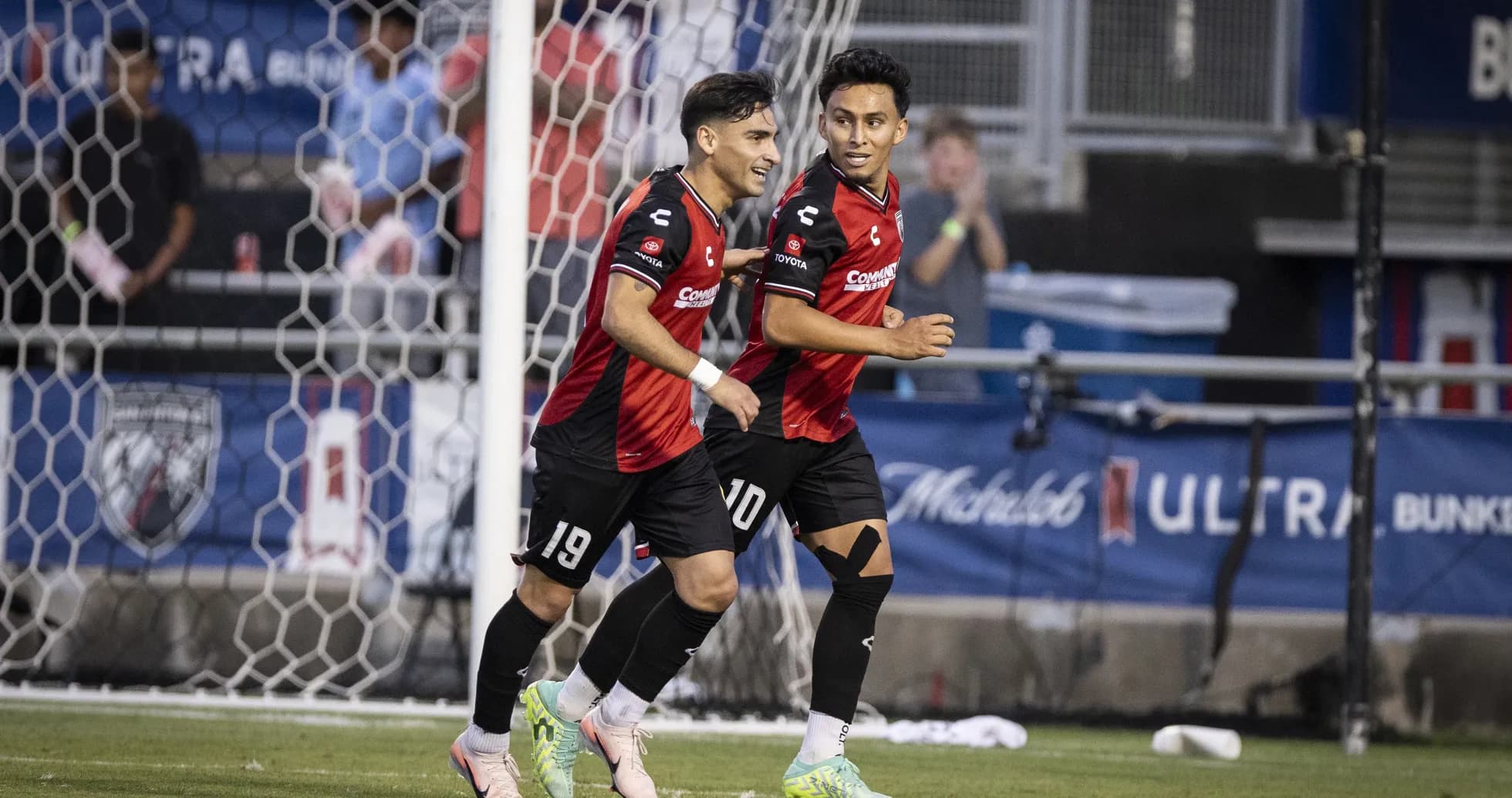
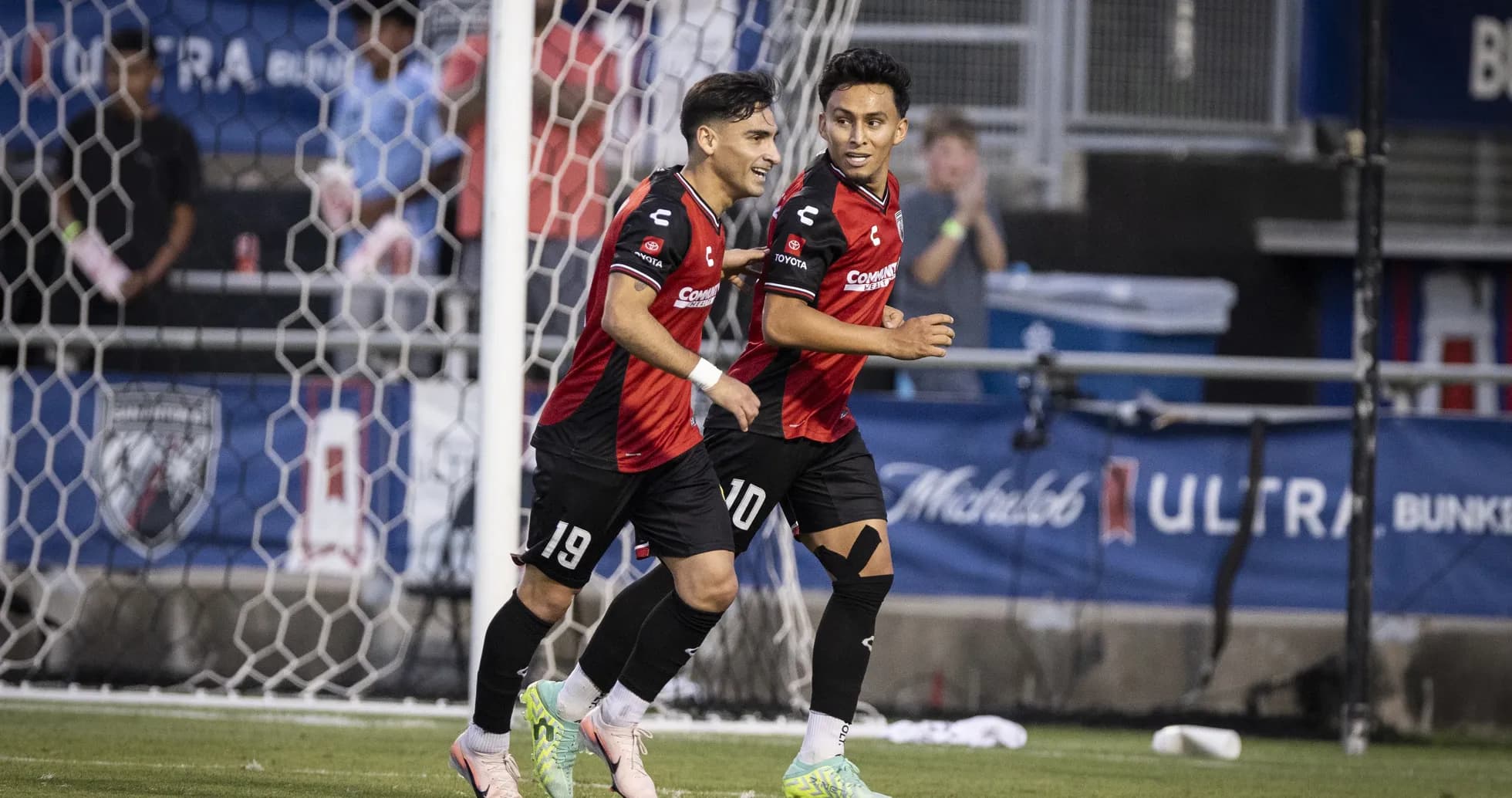
The desert night at Wild Horse Pass Stadium ended with the scoreboard unforgiving: Phoenix Rising 0, Louisville City 2. Following this result, the story of these two squads in the 2026 USL Championship feels like one of contrasting identities—Phoenix methodical and streaky, Louisville volatile but incisive.
I. The Big Picture – Two Different Rhythms of a Season
Phoenix entered this Group Stage clash as a side defined by balance and fine margins. Overall this campaign they had played 12 matches, winning 4, drawing 4, and losing 4, with 15 goals scored and 14 conceded. That gives them a goal difference of +1, perfectly mirroring their table line: 5th place in USL 1, on 16 points, hovering in that zone earmarked for “Promotion – USL Championship (Play Offs: 1/8-finals).”
At home, Phoenix had been solid rather than spectacular: 6 matches, 2 wins, 3 draws, 1 defeat, with 9 goals for and 6 against. The averages tell the same story—1.5 goals scored and 1.0 conceded per home game. They are not a free-flowing attacking juggernaut, but a side that usually finds a way to stay in contests.
Louisville City, on the other hand, came in with sharper edges. Across 13 matches, they had 6 wins, 2 draws, and 5 defeats, scoring 22 and conceding 20—another slender positive goal difference of +2. That volatility is reflected in their form line, a jagged “WWWWLDWLLLLDW” that reveals both a four-game winning streak and a four-game losing streak. Yet despite the chaos, they sat 2nd in USL 1 on 20 points, also targeting that 1/8-finals playoff path.
On their travels, Louisville had been dangerous: 7 away games, 3 wins, 2 draws, 2 defeats, with 13 goals for and 11 against. An away scoring average of 1.9, set against 1.6 conceded at home and 1.6 away, underlines a side that leans into risk, especially on the road.
II. Tactical Voids and Discipline – Where Edges Are Lost
Neither squad’s absences are listed, so the voids here are more structural than personnel-driven. For Phoenix, the numbers hint at a team that can be rattled by the rhythm of the game rather than any single missing piece.
Their card profile is revealing. Overall this campaign, Phoenix’s yellow cards spike in the 46-60 minute window at 34.15%, with another late-game surge of 24.39% between 76-90. Red cards, meanwhile, have come exclusively in the 31-45 range, with 100.00% of their reds in that pre-half-time band. This suggests a squad that can emotionally tip over either side of the break—rash challenges as legs and tempers fray.
Louisville’s discipline is more evenly spread but still telling. Their yellows peak in the 46-60 and 76-90 windows, both at 23.81%, with a solid 19.05% between 61-75. They are a side that lives on the edge in the second half, willing to foul to protect or chase a result, but without crossing into red-card territory so far.
Penalties add another layer. Phoenix have been perfect from the spot this season: 5 penalties awarded, 5 scored, 100.00% conversion, and crucially, 0 missed. In tight games, that ruthlessness is a tactical weapon. Louisville, by contrast, have not had a single penalty—0 taken, 0 scored, 0 missed—so their threat profile comes almost entirely from open play and set pieces rather than spot-kick pressure.
III. Key Matchups – Hunter vs Shield, Engine Room vs Enforcer
With no individual scoring charts available, the “Hunter vs Shield” battle becomes collective: Louisville’s away attack versus Phoenix’s home defense.
On their travels, Louisville average 1.9 goals for and 1.6 against. Phoenix at home concede just 1.0 per game. That clash of identities—Louisville’s aggressive front-foot approach against Phoenix’s comparatively tight home rearguard—was always going to define the night. The 2-0 away win suggests Louisville’s collective “hunter” unit found ways to stretch and ultimately pierce a defense that usually holds firm.
The “Engine Room” duel is written in the midfield names on the teamsheet. For Phoenix, the spine of A. Vukovic (6), D. Gomez (8), and JP Scearce (17) forms the structural core. Vukovic offers a stabilizing presence, Gomez the box-to-box thrust, and Scearce the connective tissue between lines. Around them, wide and advanced options like L. Biasi (20), J. Moursou (13), G. Rivera (37), I. Sacko (7), and D. Rivera (19) are tasked with turning possession into penetration.
Louisville’s middle third leans more toward dynamism and verticality. Z. Duncan (6) and T. Davila (8) are the heartbeat of their central zone, with B. Dayes (5) adding steel and coverage. E. Davila (27) and M. Akale (47) provide the creative and transitional spark, looking to supply C. Donovan (9) as the reference point in attack. Behind them, the back line—A. McFadden (2), S. Totsch (4), K. Adams (32), and A. Dia (13)—had to manage Phoenix’s layered wide threats while still stepping into midfield to contest second balls.
In goal, P. Rakovsky for Phoenix and D. Faundez for Louisville embodied the last line of tactical intent. Rakovsky’s mandate was to anchor a home defense that had allowed only 6 goals in 6 matches. Faundez’s task was more proactive: marshal a back line that knows it will be exposed at times by an adventurous away game plan.
IV. Statistical Prognosis – xG, Solidity, and the Path Forward
Even without explicit xG numbers, the statistical scaffolding suggests how a pre-match model would have read this fixture. Heading into this game, Phoenix’s overall scoring average of 1.3 per match against 1.2 conceded pointed to a low-variance, marginal-edge profile. Louisville’s 1.7 goals for and 1.5 against overall, especially the 1.9 away goals, hinted at higher xG swings: more chances created, more chances conceded.
A notional xG projection would likely have tilted slightly toward a score draw or a narrow one-goal margin either way—Phoenix’s home solidity versus Louisville’s away firepower. Instead, Louisville walked out with a 2-0 victory, the kind of result that implies their attacking sequences generated and finished the better quality chances, while Phoenix’s usual home control never quite translated into high-value looks.
For Phoenix, the lesson is clear. Their defensive platform at home is strong enough to compete deep into a playoff run, but they need more incisiveness in the final third to match sides with Louisville’s attacking ceiling. The existing penalty perfection is a valuable edge, yet they cannot rely on spot kicks alone to tilt big games.
Louisville, meanwhile, will see this as validation of their risk-reward identity. On their travels they already had 3 wins from 7, and adding another emphatic away performance reinforces the idea that their aggressive approach can carry them through the 1/8-finals and beyond—provided they keep their disciplinary line where it is: combative, but short of self-destruction.
In the end, this fixture read like a playoff preview in all but name: a compact, structured Phoenix Rising side trying to contain a mercurial, high-ceiling Louisville City. On this night, the hunter’s instincts won out over the shield’s resilience, and the tactical balance of the USL Championship’s Group Stage shifted subtly in Louisville’s favor.