Uruguay’s World Cup Build-Up Disrupted by Flight Fiasco
On the eve of their World Cup debut, Uruguay’s preparations were supposed to be about fine details: set-piece routines, video analysis, the last quiet words from Marcelo Bielsa. Instead, La Celeste found themselves grounded in Mexico, tangled in a bureaucratic mess that turned a simple transfer into a minor World Cup scandal.
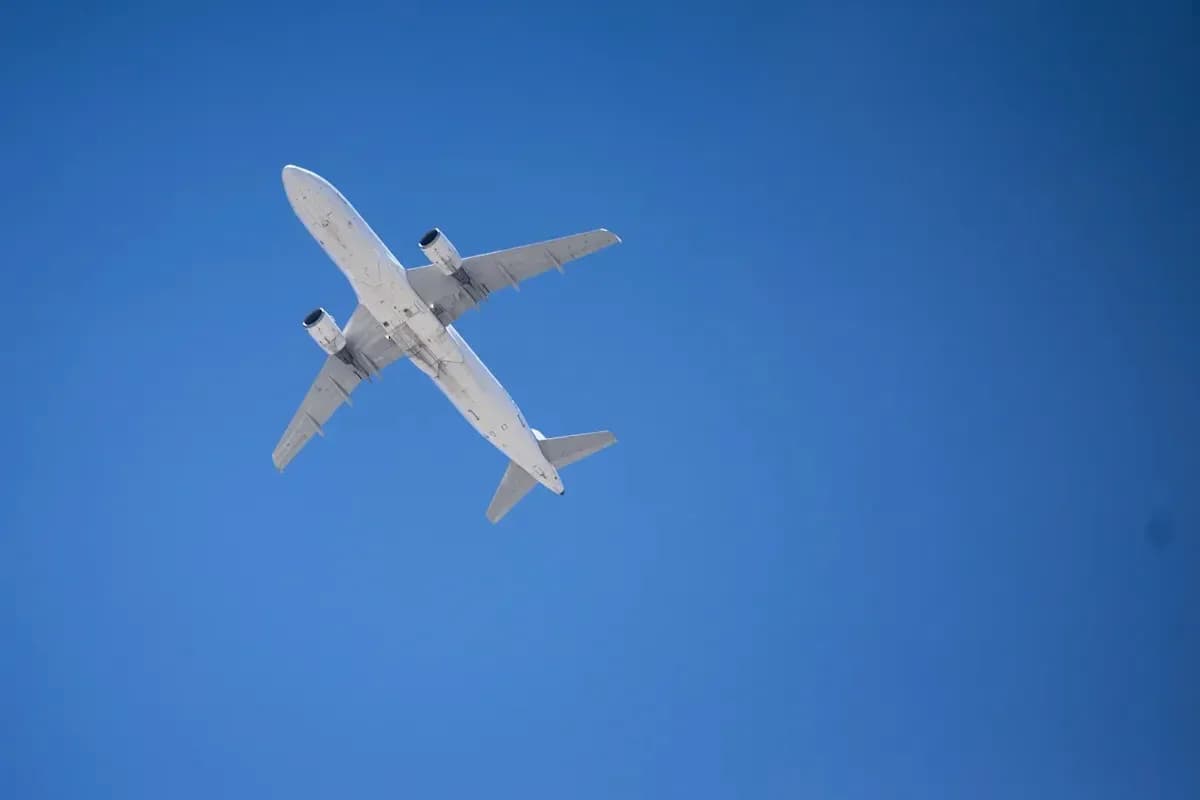
Less than 24 hours before their opener against Saudi Arabia, Uruguay’s flight from Cancún to Miami never left the runway. The reason was as mundane as it was infuriating: missing documents. Reports indicated that the necessary permits for the overland flight had not been arranged in time, with fingers quickly pointing toward FIFA’s organisation of the travel plan.
What should have been a straightforward hop from their base camp in Playa del Carmen became a standstill. Players and staff waited. Plans frayed. The clock toward kickoff kept ticking.
The Uruguayan Football Association (AUF) confirmed the disruption when contacted by The Guardian, and did not hide its frustration. A federation spokesperson acknowledged that the delay stemmed from issues outside its control, saying the departure from Mexico had been held up by factors beyond the AUF’s reach. Behind the scenes, officials scrambled for a solution, spending several hours working to secure a replacement flight and salvage what they could of the schedule.
As the story gathered pace, FIFA moved to defend its role. Speaking to ESPN, the organisation shifted the blame away from its own logistics and onto the carrier, stating that the airline had apologised for the inconvenience caused. FIFA stressed it had stayed in close contact with Uruguay throughout the delay and had worked alongside the airport and other partners to resolve the situation as quickly as possible.
Blame game aside, the damage to Uruguay’s carefully laid plans was clear. On the brink of their first match, Bielsa’s side found their routine ripped up. The official pre-match press conference with Bielsa and captain José María Giménez was scrapped, denying the team not only a key media obligation but also a familiar rhythm in the build-up to a major tournament game.
Bielsa, characteristically, refused to turn the disruption into an excuse. He insisted the circumstances “did not cause a problem,” attempting to steady the narrative and keep the focus on the pitch rather than the runway.
Giménez, though, offered a more candid assessment. The defender admitted the team had faced “a few complications” and described the situation as “difficult.” Even so, he underlined that the squad had done what they could to adapt, using the extended stay at the hotel to rest and recover rather than stew over the delay.
Eventually, a flight was arranged and Uruguay did get out of Mexico, albeit significantly later than planned. The question now is whether this jolt to their routine fades into a footnote, or lingers as the first sign that their World Cup journey will have to be navigated the hard way.