
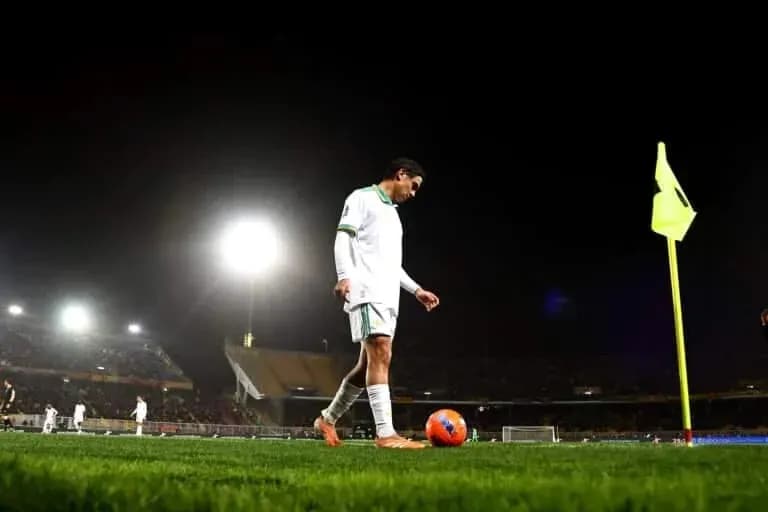
Paulo Dybala Reflects on Journey with Roma and Mourinho's Influence
Paulo Dybala is staying in Rome, and he is in no doubt about who opened the door for him in the first place.
On the eve of signing his contract renewal with Roma, the Argentine forward looked back on his journey to the capital and the figures who shaped it in an interview with YouTuber Davoo, relayed by Corriere dello Sport. At the centre of it all, one name: José Mourinho.
“Mourinho is a genius and a great person. He always spoke to us with respect, he took care of us, he loved us, and in Rome the people fell in love with him for what he gave. Thanks to him, I arrived in the capital.”
That bond between star player, coach and city defined Roma’s recent years. Mourinho’s departure left a void on the touchline, but not in Dybala’s memory. The forward’s words carry the weight of a dressing room that felt protected and energised by a coach who turned the Stadio Olimpico into a stage of constant tension and emotion.
El Ayanoui’s rise
Dybala’s gaze is not only fixed on the past. He also paused to praise a current teammate whose reputation is growing fast: El Ayanoui, a key figure for Morocco at the World Cup and now a presence in the Roma squad.
“He's having a great World Cup, I'm following him. And at Roma, besides saying he's a strong player, he's also a good guy.”
It is a simple endorsement, but a telling one. Coming from one of the most technically gifted forwards of his generation, “strong player” is no throwaway line. Inside a competitive dressing room, being labelled “a good guy” matters just as much. It hints at a player integrating well, trusted both on the pitch and in the daily grind of Trigoria.
The scar of Budapest
Then the conversation turned to the night that still stings. The Europa League final against Sevilla, lost on penalties in Budapest, remains an open wound for Roma and for Dybala himself. The match became infamous for the performance of referee Anthony Taylor, and Dybala did not shy away from revisiting the controversy.
“It's true, the handball was absurd, but that wasn't the only thing that happened during the match. There were several moments when the referee called strange things: he didn't issue any cards, he was very lenient with some Sevilla players. And then that handball would have rewritten the final result if he had awarded the penalty. It really hurt me to lose that final.”
The bitterness is still raw. Not just because of a single incident, but because of a pattern Dybala believes shaped the contest. The “absurd” handball that went unpunished has become the symbol of a wider sense of injustice, a sliding-doors moment that, in his view, could have altered the outcome of a European final and, with it, a chapter of Roma’s modern history.
For a player who has already lifted major trophies elsewhere, that defeat still cuts deep. Staying in Rome, renewing his contract, he carries that pain into the next campaign. The question now is simple: can that sense of grievance be turned into fuel for another run at Europe?



