Parma vs Pisa: A Tactical Analysis of Serie A Survival
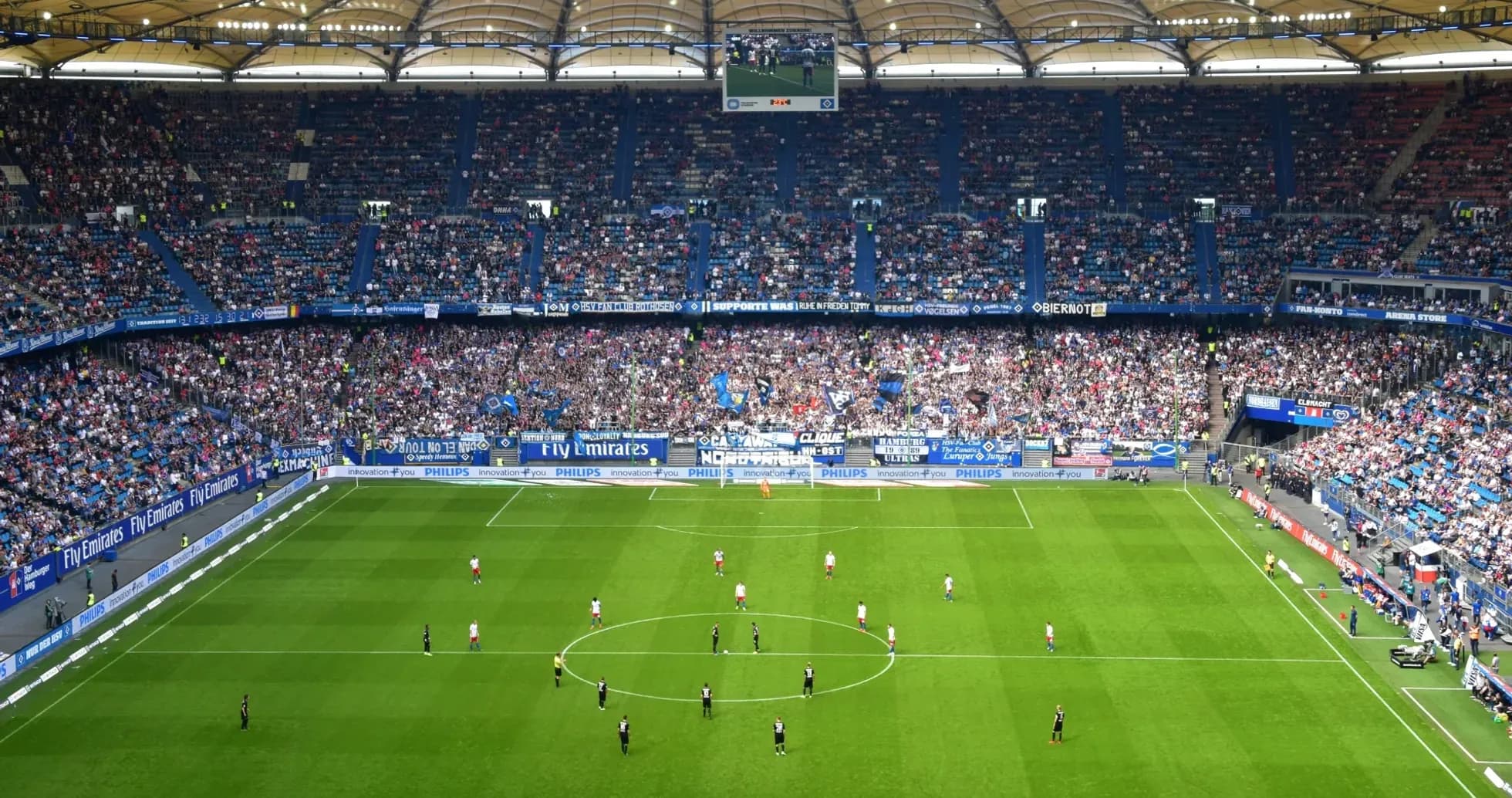
Stadio Ennio Tardini felt like a crossroads rather than a routine league stop. Heading into this game, Parma sat 12th in Serie A on 42 points, their goal difference a stark -15 from 25 goals scored and 40 conceded overall. Pisa arrived in crisis mode: 20th, bottom of the table, with just 18 points and a brutal -37 goal difference, having scored 24 and shipped 61 overall. The table told a story of survival already slipping away; the 1–0 full-time score in Parma’s favour confirmed it.
I. The Big Picture – Systems, Context, and Seasonal DNA
Both coaches doubled down on familiarity: matching 3-5-2s, but with very different intentions.
Parma’s 3-5-2 under Carlos Cuesta has been a season-long experiment in balance. Overall they average 0.7 goals for per game and 1.2 against, a low-scoring, tight-margin profile. At home, the numbers sharpen the picture: 13 goals scored and 22 conceded in 17 games, an average of 0.8 scored and 1.3 conceded at the Tardini. This is not a free-flowing home side; it is a team that lives on fine details, clean sheets (4 at home, 12 overall) and a defensive structure that usually keeps games on a knife-edge.
Pisa, by contrast, came into Parma with an identity crisis. On their travels they had yet to win a league game: 0 away victories from 17, with 8 draws and 9 defeats. The away scoring average of 0.9 goals for is modest, but the real problem is defensive collapse: 40 goals conceded away, an average of 2.4 per game. Their overall record of 2 wins, 12 draws and 20 losses in 34 matches framed this fixture less as an opportunity and more as an ordeal.
The 0–0 half-time score reflected both teams’ seasonal DNA: Parma cagey, Pisa cautious. The decisive moment after the interval – the only goal in a 1–0 home win – fitted a Parma side that rarely runs away with matches but increasingly knows how to close them.
II. Tactical Voids – Absences and Discipline
The team sheets revealed important gaps. For Parma, B. Cremaschi and M. Frigan were both ruled out, the latter with a knee injury. Frigan’s absence removed an alternative profile in attack and reduced Cuesta’s flexibility if the front line needed reshaping. It meant greater responsibility on Mateo Pellegrino and G. Strefezza to carry the threat from the start.
Pisa’s list of absentees was longer and more damaging. D. Denoon (ankle injury), R. Durosinmi (muscle injury), M. Marin (injury) and M. Tramoni (muscle injury) were all unavailable. That stripped depth from the spine: defensive rotation, midfield control, and attacking unpredictability were all weakened before a ball was kicked. For a side already conceding heavily and failing to score in 19 of 34 league games overall, those absences narrowed their margin for error to almost nothing.
Disciplinary trends further coloured the tactical picture. Parma’s season-long yellow-card distribution shows a tendency to heat up after the break, with 21.67% of yellows between 46-60 minutes and another 21.67% between 76-90. Pisa are even more combustible late: 23.88% of their yellows arrive in the 76-90 window, with significant spikes also in 31-45 and 61-75 (both 19.40%). In a tight match like this, the expectation was clear – the final quarter of an hour would be played on a disciplinary tightrope, particularly for Pisa chasing the game.
III. Key Matchups – Hunter vs Shield, Engine Room Battles
The “Hunter vs Shield” duel centred on Parma’s leading scorer, Mateo Pellegrino. Across the season he has 8 league goals and 1 assist, supported by 49 shots (21 on target). He is not a poacher who disappears between touches; his 489 duels and 212 won show a forward who lives in constant physical contact, while 63 fouls drawn underline how often he becomes the reference point of Parma’s attack.
His opponent was not a single defender but Pisa’s entire away defensive record: 40 goals conceded on their travels, an average of 2.4 per game, and a “biggest away loss” of 5-0 that speaks to fragility when the dam breaks. In that context, Pellegrino’s presence alone altered the geometry of Pisa’s back line. They had to compress space around him, which in turn created room for runners like Strefezza and the advanced midfielders.
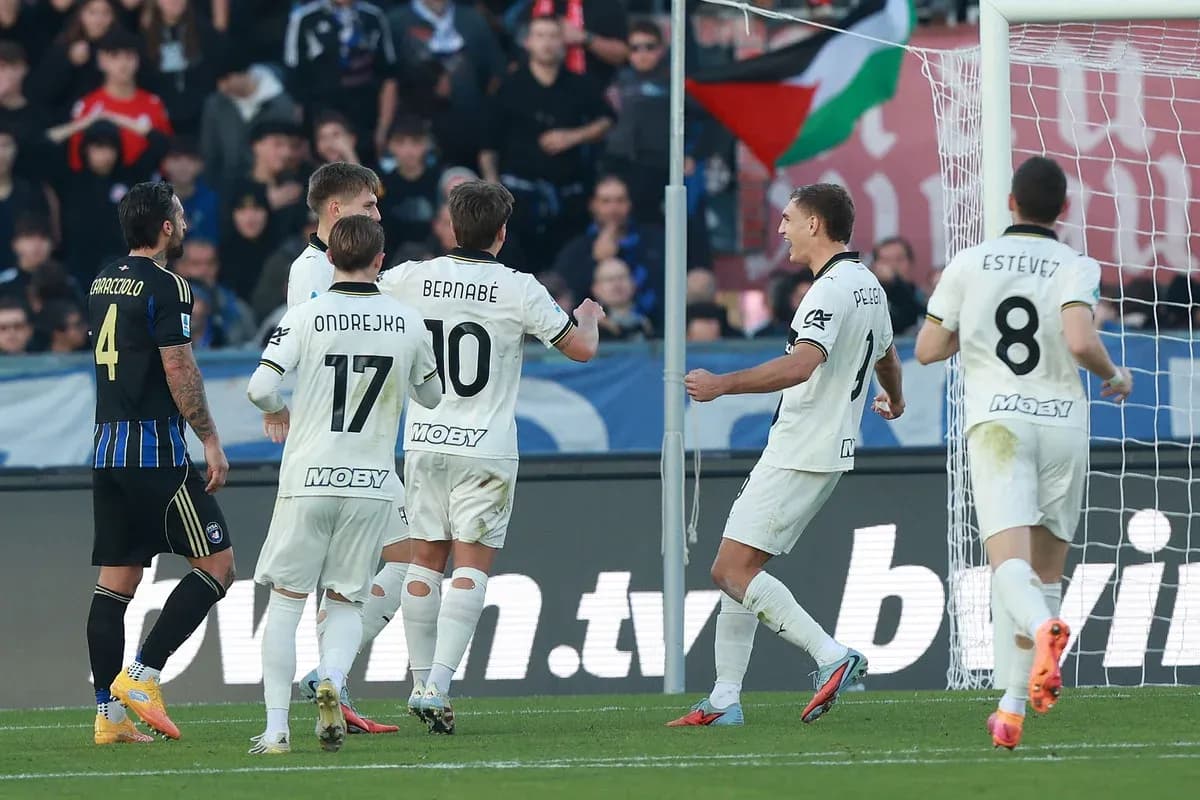
Within that defensive unit, A. Caracciolo stood out as Pisa’s main shield. Over the season he has been a constant: 32 appearances, 31 starts, and 2808 minutes. He has scored 2 goals, but his real value is defensive – 68 tackles, 24 successful blocked shots, and 43 interceptions. His 8 yellow cards underline the edge he plays with, and against a duelist like Pellegrino that edge was always going to be tested. Every aerial contest and second ball between them was a mini-battle that shaped Pisa’s ability to hold the line.
In midfield, the “Engine Room” clash pitted Parma’s central trio – anchored by H. Nicolussi Caviglia and A. Bernabe – against Pisa’s industrious core, notably M. Aebischer. Aebischer’s season numbers (1404 passes with 30 key passes at 86% accuracy, plus 61 tackles and 33 interceptions) show a two-way operator tasked with both progression and protection. For Pisa to survive in their 3-5-2, he needed to screen the space in front of Caracciolo and help Pisa play through Parma’s five-man midfield block.
Parma, who have failed to score in 14 of 34 matches overall, rely heavily on control phases rather than constant waves of attack. Their use of wing-backs like E. Delprato and E. Valeri to stretch Pisa’s shape was crucial. By pinning Pisa’s wide midfielders deeper, Parma could create central overloads where Bernabe and Nicolussi Caviglia could dictate tempo and feed Pellegrino between the lines.
Behind them, M. Troilo’s presence in Parma’s back three added a particular edge. His season profile is that of an aggressive, front-foot defender: 21 tackles, 14 successful blocked shots, 12 interceptions and a high passing accuracy of 88%. But he also leads the league’s red-card charts, with 6 yellows, 1 yellow-red and 1 straight red. That duality – organiser and risk – meant Parma’s high line always carried a disciplinary sub-plot, especially with Pisa’s forwards looking to provoke contact.
IV. Statistical Prognosis – xG Logic Without the Numbers
Even without explicit xG values, the season data points to a clear Expected Goals narrative for this fixture.
Parma’s home profile – 0.8 goals scored and 1.3 conceded on average – suggests low-volume, low-margin contests. Their 12 clean sheets overall, however, show that when their structure holds, they are capable of suffocating weaker attacks. Pisa’s away numbers scream vulnerability: 0.9 goals scored but 2.4 conceded, and only 1 clean sheet on their travels. They have failed to score in 8 of 17 away games and 19 of 34 overall, which heavily tilts the probability towards a low Pisa xG and a strong chance of Parma shutting them out.
Layer on the psychological context: Pisa arrived with a form line of “LLLLL”, Parma with “WWDDL” in the standings snapshot. One team trending towards safety, the other sinking. In xG terms, the pre-match expectation was a narrow Parma edge – perhaps something like a 1.2–0.7 xG tilt in their favour – with the most likely scorelines 1–0 or 2–0.
Following this result, the 1–0 score fits almost perfectly with that statistical and tactical script. Parma, who have scored no more than 2 in any of their “biggest wins” this season, once again found a single, decisive strike and leaned on structure to protect it. Pisa, burdened by absences and a season-long habit of conceding heavily away, could not generate enough threat to break through Z. Suzuki and the Parma back three.
In the end, this was less a spectacle and more a confirmation. Parma remain a team of narrow margins and defensive discipline, leaning on the duelling presence of Pellegrino and the controlled aggression of Troilo. Pisa remain what their numbers say they are: a side whose away defensive frailty and attacking anemia make even a single-goal deficit feel insurmountable.