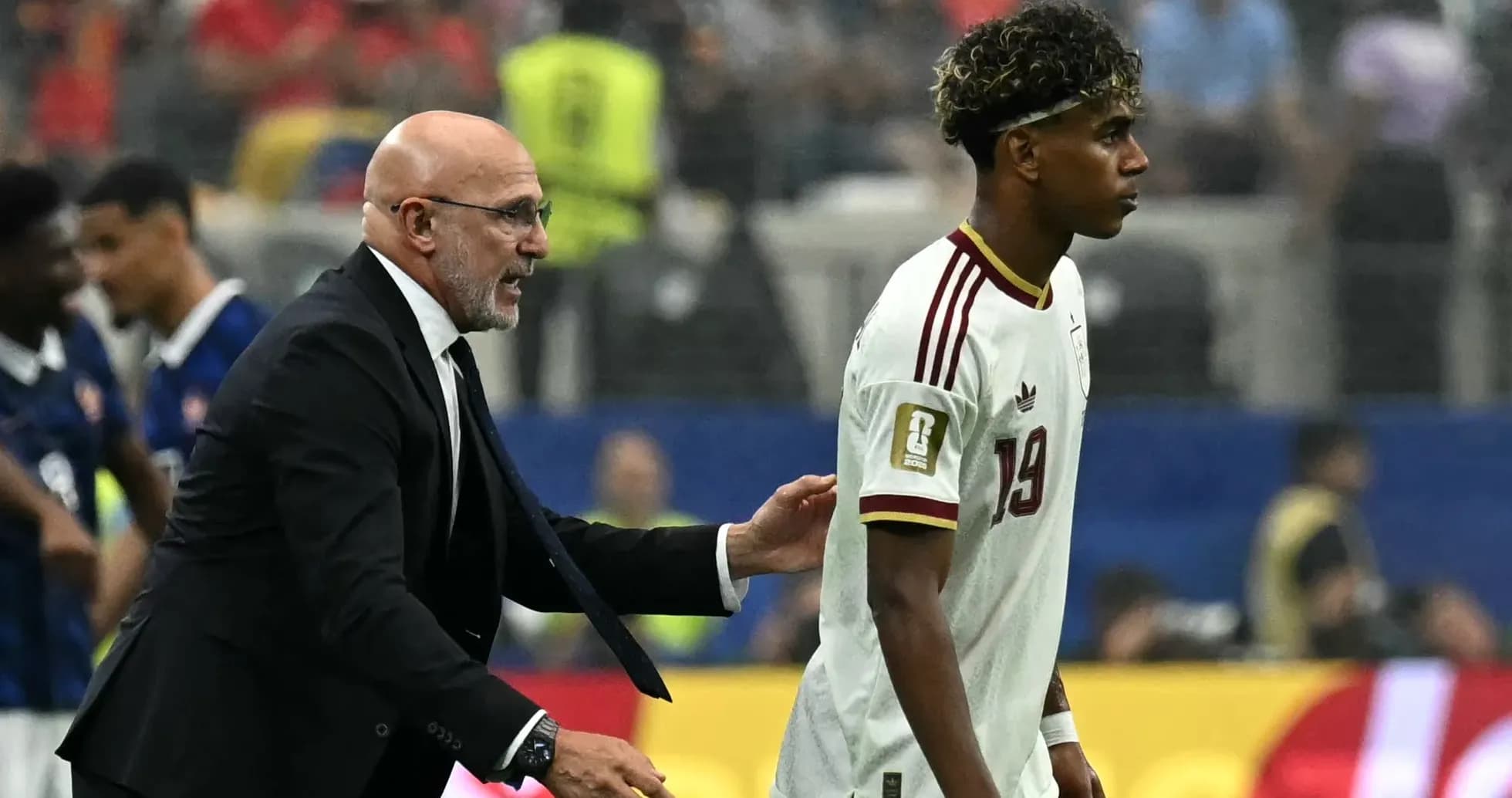
De la Fuente calms Spain as Yamal injury scare eases ahead of final
Spain walked off the pitch in Munich with a World Cup final secured and a minor scare swirling around their new superstar. Within minutes, Luis de la Fuente moved to shut it down.
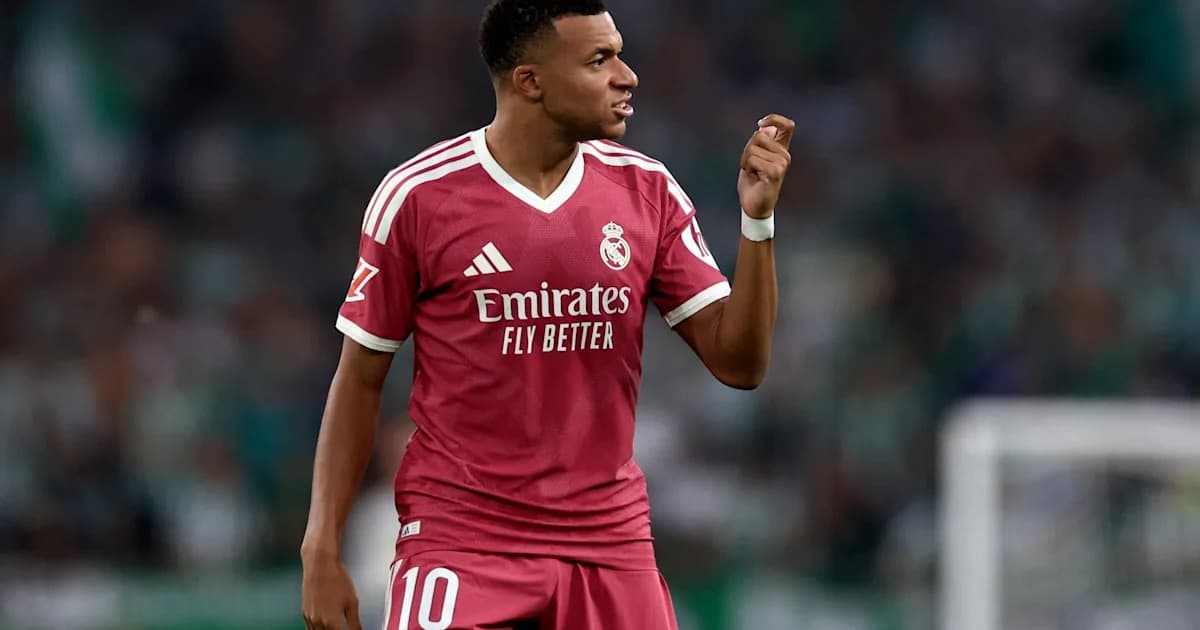
Lamine Yamal, the 16-year-old who has lit up this tournament and tormented France in the 2-0 semi-final win, did limp at times during the game. Cameras caught it, social media amplified it, and a collective Spanish heartbeat skipped. The coach, though, was categorical: there is no serious issue.
“Lamine doesn't have anything that I know of. I've spoken with the doctors now,” De la Fuente said, leaning heavily on the early medical reports that arrived in the dressing room. The message was clear – barring any late surprises, Yamal will be ready for Sunday’s final.
If Yamal’s situation brought relief, Pedro Porro’s did not. The Tottenham defender, who has been one of Spain’s most reliable outlets on the right, was forced off in the 85th minute and replaced by Marcos Llorente. This time, De la Fuente’s tone shifted.
“Pedro Porro seems to have overuse injuries, but we'll see tomorrow,” he admitted. No drama, but no guarantees either. Spain’s staff will watch the clock and the scans.
A statement win, not a surprise
In the glow of a victory over the 2018 world champions, De la Fuente refused to dress this up as a fairytale. For him, this was not a miracle night. It was a culmination.
He spoke with the calm certainty of a man who has seen this group grow from the inside, step by step, game by game.
“I'm surprised by what this team is capable of, and the room for improvement is endless,” he said. Then he pushed back against any notion that Spain had simply ridden a wave of momentum. “This isn't by chance: it's talent, hard work, sacrifice, perseverance, and we knew we had to keep improving little by little throughout the tournament.”
Spain did not start this World Cup with fireworks in every minute, but they have gathered power as they have gone. De la Fuente even allowed himself a small regret about the opening match, a nod to the ruthless standards inside this camp.
“We would have liked to win the first match, because we would have broken another record,” he noted. “But we're in fantastic form, both in terms of our football and our physical condition.”
The evidence against France backed him up. Spain pressed with intelligence, controlled long spells without the ball through positioning rather than panic, and finished with more running in their legs than a side that had chased shadows for much of the night.
“The best at understanding the game”
If there was a theme to De la Fuente’s words, it was conviction. He did not hide his admiration for his players, or for the wider ecosystem that has produced them.
“For me, Spanish footballers are the best at understanding the game in the world, and that's an achievement of Spanish coaches and clubs,” he said. It was not a throwaway line. It sounded like a manifesto.
He framed this run not as a lightning strike but as the product of years of work in academies, youth teams, and the national set-up. The semi-final, in his mind, confirmed that Spain are back at the summit of international football – but it did not mean the job is done.
“We're happy, but we're not satisfied with this,” he warned.
That line hung in the air. Spain had just beaten France to reach a World Cup final, yet the coach immediately turned the lens to what comes next. It is the kind of restlessness that often separates contenders from champions.
Eyes on the final, not the rhetoric
The temptation after a win like this is to talk about destiny, about history, about 2010 and Johannesburg. De la Fuente refused to drift into that territory.
“What's coming is more difficult, and we're eager to play the final,” he said. “But the final is meant to be played; I'm not one for literary phrases. How could you not be happy to play in a final! Whether you win it or not... there's an opponent.”
It was a sharp reminder that while Spain’s football has at times looked poetic, the man in charge is not chasing metaphors. He is chasing a trophy.
“I greatly value the journey,” he added, “and that's what makes us very strong and allows us to appreciate what we achieve.”
That journey now leads to a meeting with either England or Argentina. Two different kinds of storm, one shared stage. Spain go into it trying to repeat the achievement of 2010, when they climbed to the top of the world for the first time.
A call from the King, and a country on edge
If anyone needed a measure of what this run means back home, it arrived on De la Fuente’s phone. King Felipe VI called to congratulate the squad, a gesture that underlined the scale of the moment.
“It is a great honor that our king calls us, cares about us, and constantly encourages us,” De la Fuente said. He spoke of “a country so devoted in the streets” and a generation of players “that has a commendable attitude.”
Spain’s coach allowed himself that glimpse of emotion, that sense of a nation gathering behind a team that has rediscovered its identity with the ball and its steel without it. Then he pivoted again, back to the work.
“Let's enjoy it, the hardest step is still to come, we have to improve and that's what we're working on.”
One more match. A teenager whose fitness has become a national obsession, a right-back waiting on a diagnosis, a squad that believes it has not yet hit its ceiling. Spain stand one win from another star on the shirt.
Now they have to prove that all this talk of talent, sacrifice and understanding the game ends where it matters most – with their hands on the World Cup.