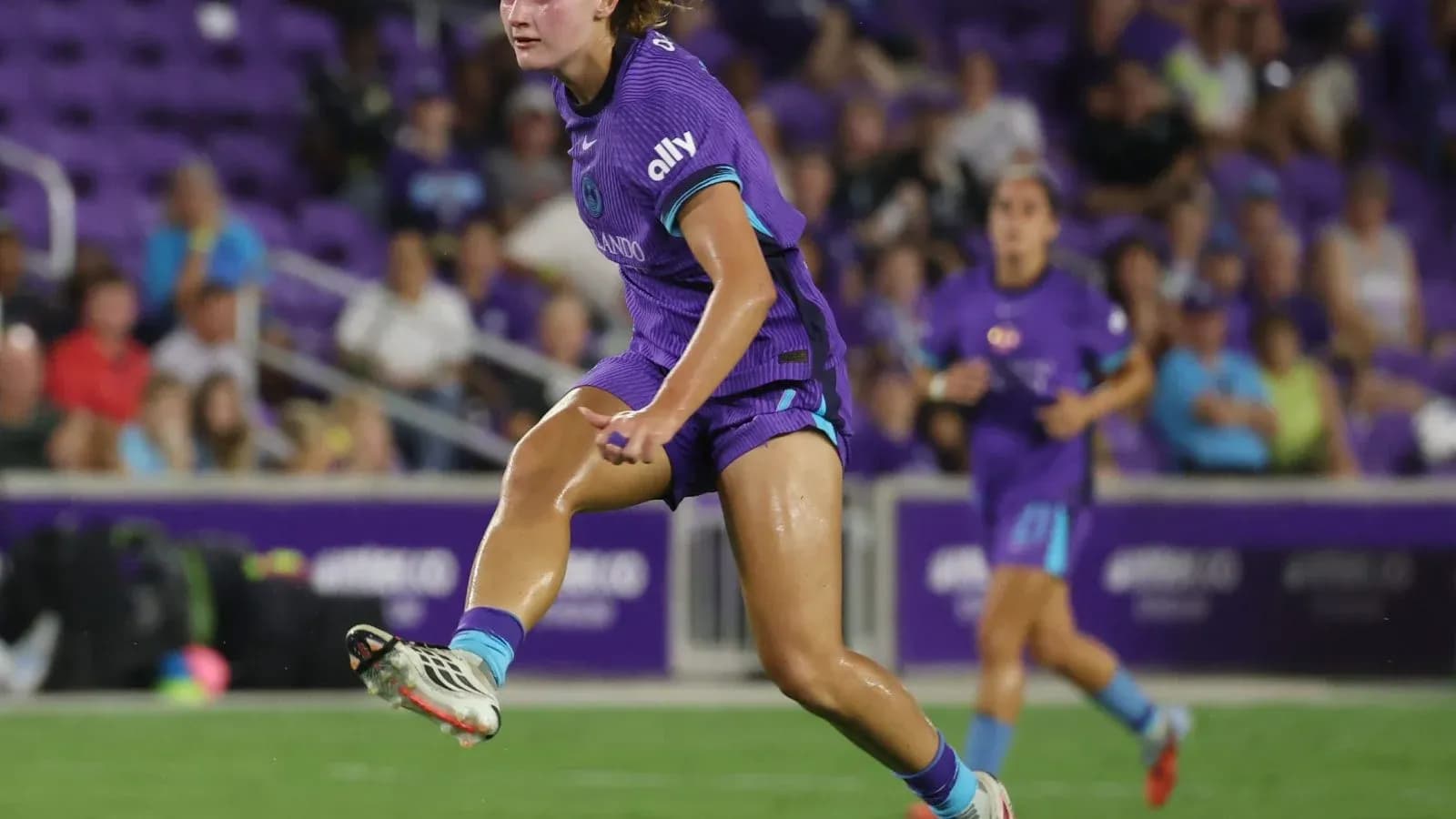
Orlando Pride vs Portland Thorns: A Clash of Styles in NWSL
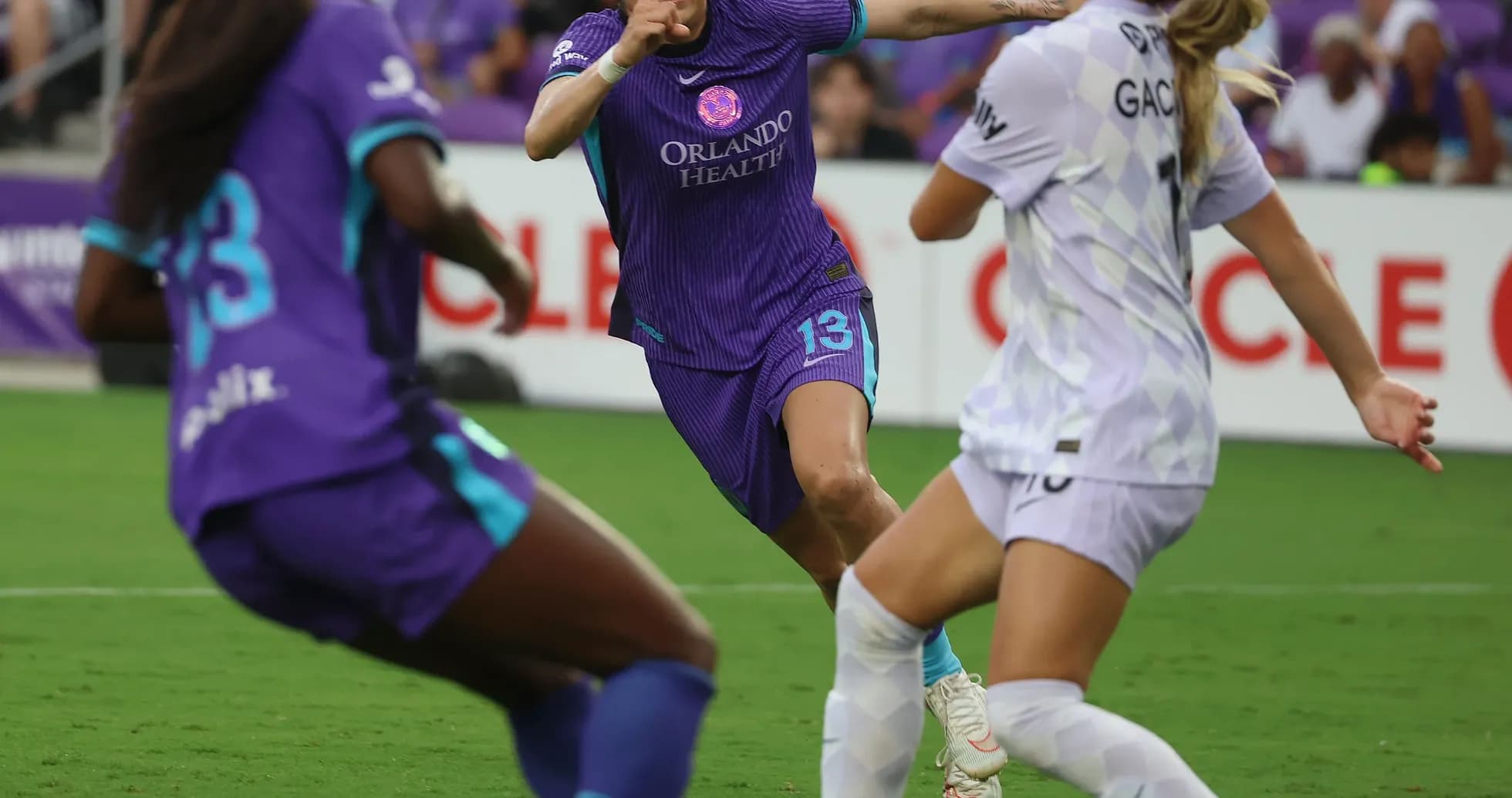
Under the lights at Exploria Stadium, this Group Stage meeting in the NWSL Women brought together two sides whose seasons have been written in very different inks. Orlando Pride W came in as a volatile mid‑table force, 11th with 30 points and a goal difference of -8, a team capable of both three‑goal wins and heavy defeats. Portland Thorns W arrived as a playoff contender in fifth, on 42 points with a goal difference of 8, their campaign defined by attacking depth and the ability to ride out adversity on their travels.
Both coaches doubled down on a shared language: the 4‑2‑3‑1. Seb Hines set Orlando up in a familiar shape they have used 16 times this season, while Robert Vilahamn mirrored it with a Thorns side that has leaned on the system in 19 league matches. On paper it promised symmetry; in practice it exposed the different stages of development these squads inhabit.
For Orlando, the structure is built around the gravitational pull of Barbra Banda. With 15 goals and 2 assists in 21 league appearances, Banda is not just a finisher but the reference point for everything in the final third. Her 66 shots and 36 on target show a volume shooter who still forces goalkeepers into regular work, while 22 key passes hint at a forward willing to drop in and connect. Behind her, S. Washington, S. Yates and H. McCutcheon formed the band of three, with Luana and A. Lemos tasked with knitting play in the double pivot.
Yet the season’s numbers underline why this framework remains fragile. Heading into this game, Orlando were averaging 1.3 goals per match in total and conceding 1.6, a negative balance that explains their 9 wins, 3 draws and 13 losses across 25 fixtures. At home they were more assertive going forward – 1.5 goals scored on average – but just as porous, also allowing 1.5 per game. That equilibrium at Exploria Stadium (20 scored, 20 conceded) is the story of a side that opens the door as often as it kicks it down.
The defensive line of Oihane Hernández, C. Dyke, H. Anderson and H. Mace reflects that tension. There is athleticism and aggression, but Orlando’s “biggest defeats” ledger – a 1‑4 home loss and a 5‑0 collapse away – shows how quickly their back four can unravel when exposed. Discipline has not always been a stabilizer either. Their season yellow‑card distribution spikes late, with 24.14% of cautions arriving between 61‑75 minutes and another 24.14% between 76‑90, a sign of a team that often ends games scrambling. The red card that has come in the 61‑75 window underlines how emotional those phases can become.
In midfield, McCutcheon is the heartbeat and fire. Across the season she has amassed 5 yellow cards, supported by 50 tackles, 10 blocked shots and 28 interceptions – the profile of an enforcer who lives on the disciplinary edge. Angelina, on the bench here but central to the campaign with 22 appearances, adds another layer of bite and distribution, though her single red card this season shows Orlando’s pivots can tilt toward chaos under pressure.
Up front, Banda’s threat is amplified by Orlando’s penalty record: 4 awarded in total, but only 2 converted. With 2 missed, any future spot‑kick for the Pride carries a psychological weight; they are not a side that can assume 12 yards means 1‑0. Banda herself has been reliable from the spot (1 scored, 0 missed), but the collective record is a reminder of squandered margins in a season where fine details have often gone against them.
Portland, by contrast, arrive with a more balanced, if still imperfect, statistical profile. Overall they have 12 wins, 6 draws and 7 defeats from 25 matches, scoring 42 and conceding 34. The math is clear: a goal difference of 8, underpinned by a total scoring average of 1.7 and just 1.4 conceded. At home they are almost impregnable (21 scored, 8 conceded, an average of 1.8 for and 0.7 against), but this fixture draws on their more complicated identity on their travels: 21 scored and 26 conceded away, an average of 1.6 for and 2.0 against.
That away profile is where the tactical story sharpens. Portland’s attack travels; their defence does not always. They have already endured a 5‑1 away defeat, a reminder that their high line and aggressive full‑backs can be punished when transitions go wrong. Yet their clean‑sheet tally – 9 overall, with 2 away – shows they are also capable of shutting games down when the structure holds.
The “Hunter vs Shield” duel is unmissable: Banda against a Portland back four anchored by J. Perry and M. Müller, with R. Reyes on the flank. Perry, one of the league’s leading card collectors with 6 yellows and 1 red, is a defender who steps into contact early and often. She has blocked 5 shots and made 12 interceptions, and her 564 completed passes at 82% accuracy speak to a player comfortable starting attacks from deep. But her disciplinary line is thin. Against a forward like Banda, who has drawn 34 fouls and thrives on physical duels (173 contested, 72 won), every shoulder‑to‑shoulder carries risk.
Reyes adds another layer to that equation. With 1 red card this season and 24 tackles plus 7 blocks, she is a proactive, front‑foot full‑back. Her willingness to step high to engage wingers and support Caiya Hanks on the left can box opponents in – or leave space behind for Banda to sprint into if Orlando can release her early from midfield.
Further ahead, Portland’s “Engine Room” is defined by J. Fleming and N. Nijstad in the double pivot and the creative axis of P. Tordin and S. Smith. Tordin is one of the league’s premier dual‑threat attackers: 6 goals, 7 assists, 41 key passes and 427 completed passes at 72% accuracy. She is the Thorns’ chief connector, drifting between the lines to feed runners and dictate tempo. Her 35 tackles and 4 blocks show she also contributes when the ball is lost, pressing from the front.
Smith, with 11 goals and 3 assists, is the pure finisher and chaos agent. Her 75 shots and 44 on target illustrate a relentless shot profile, and 31 successful dribbles from 64 attempts make her a constant one‑v‑one menace. Up against H. Anderson and C. Dyke, Smith’s movement across the front line will test Orlando’s defensive communication; every late run across the centre‑backs or into the channels will ask questions of their line integrity.
Behind them, Portland’s disciplinary pattern mirrors Orlando’s late‑game volatility but with a harder edge. Their yellow cards peak between 76‑90 minutes at 23.33%, and they have seen red in three separate windows (0‑15, 46‑60, 61‑75). Players like C. Bogere, with 2 yellows and a yellow‑red combination, embody that risk‑reward approach in midfield: high work‑rate, high contact, and the ever‑present chance of a numerical swing.
From a statistical prognosis, Portland’s attacking floor looks higher. Their total scoring rate of 1.7 goals per match, combined with the individual output of Smith and Tordin, suggests they will generate enough chances to at least match Orlando’s 1.3‑goal total average. Orlando’s home scoring rate of 1.5 offers hope, especially against a Thorns defence that concedes 2.0 goals on average away, but the Pride’s own concession rate of 1.6 – and 40 goals allowed overall – tilts the balance.
Factor in penalties and the margins tilt further toward the visitors. Portland are perfect from the spot this season, scoring all 6 penalties they have taken, while Orlando’s 50.00% conversion rate from 4 attempts undercuts their ability to cash in on rare high‑value chances.
Tactically, the decisive intersection lies in transitions between Orlando’s double pivot and back four. If Luana and Lemos can shield effectively and give McCutcheon license to step into duels without leaving holes, Orlando can compress the spaces Tordin and Smith love to exploit. If they are stretched, Portland’s superior attacking depth and clinical edge should tell.
In narrative terms, this fixture frames Orlando as the volatile puncher – capable of landing a heavy blow through Banda, but vulnerable to their own defensive lapses and disciplinary spikes. Portland, even with their away‑day frailties, are the more rounded contender: a side whose attacking structure, penalty reliability and defensive passing base give them more pathways to control the game.
On balance, the numbers and profiles suggest a match where Portland’s offensive ceiling and Orlando’s defensive instability combine to produce a high‑chance encounter. In a world of xG and defensive solidity, Portland’s season‑long trends point to them creating and converting the better opportunities, while Orlando’s hopes rest on Banda’s individual brilliance and the ability of their midfield enforcers to walk the disciplinary tightrope without falling.