Orlando Pride Dominates Houston Dash in NWSL Match
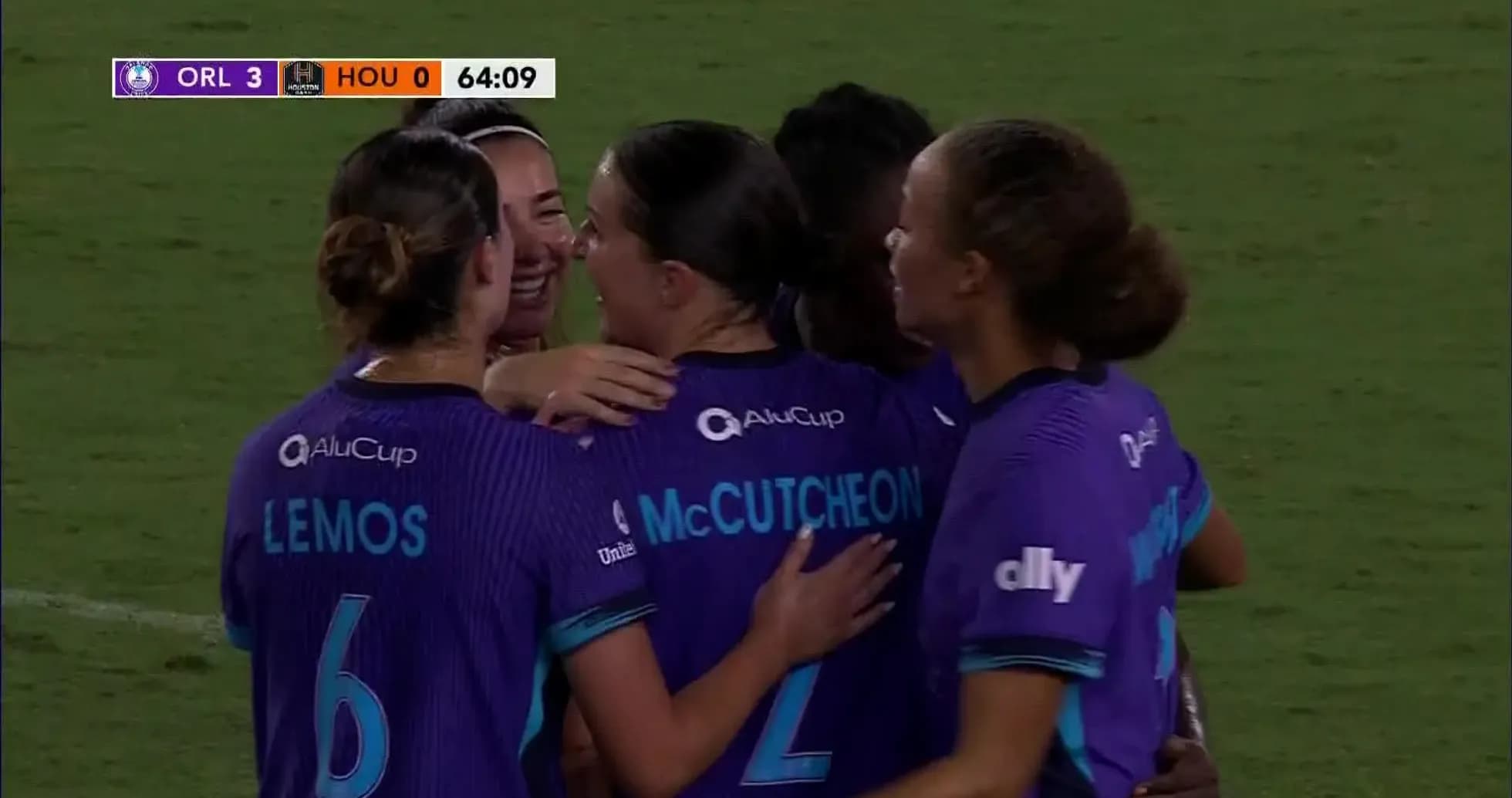
Under the Orlando lights at Inter&Co Stadium, this Group Stage fixture in the NWSL Women pitted two near-neighbours in the table against each other. Orlando Pride W, 11th with 29 points and a goal difference of -5 heading into this game, edged Houston Dash W, who sat 12th with 26 points and a goal difference of -4. On paper it was a meeting of evenly matched sides; on the pitch it unfolded as a statement home performance, Orlando winning 3–1 after a dominant 45 minutes that set the tone.
I. The Big Picture – Shapes, context and seasonal DNA
Yolanda Thomas set Orlando up in a 4-4-2, a slight departure from their more common 4-2-3-1 this season but one that made sense against a Houston side used to double pivots. C. Morche anchored the side in goal, with a back four of H. Mace, H. Anderson, C. Dyke and O. Hernandez. Ahead of them, a flat but flexible midfield line of H. McCutcheon, A. Lemos, Angelina and S. Yates worked behind a striking pair of L. Ovalle and the league’s most dangerous forward, B. Banda.
Houston, under Fabrice Gautrat, answered with a 4-2-3-1, a shape they have leaned on eight times this campaign. J. Campbell started in goal behind a back four of C. Hardin, L. Klenke, N. M. Bain and Avery Patterson. D. Colaprico and M. Graham formed the double pivot, with an attacking trio of M. Ivanovic, K. Rader and P. K. Nielsen supporting lone forward K. Faasse.
Seasonally, both teams came into this fixture with similar profiles. Overall this campaign, Orlando had played 23 matches, winning 9, drawing 2 and losing 12, scoring 29 and conceding 34. The numbers underline their volatility: at home they averaged 1.6 goals for and 1.3 against, on their travels that flipped to 0.9 scored and 1.6 conceded. Houston’s total record over 23 games mirrored Orlando’s in attack – 29 goals for – but with 33 against. At home they averaged 1.7 goals scored and 1.2 conceded; away, they dropped to 0.8 scored and 1.7 conceded, a stark indicator of their fragility on their travels.
II. Tactical Voids – Discipline, risk and the card landscape
Neither side had officially listed absentees, so the tactical voids were less about missing personnel and more about temperament and card risk.
Orlando’s season-long yellow-card distribution shows a clear late-game spike: 25.00% of their cautions arrive between 61–75 minutes and 21.43% between 76–90, with another 10.71% in added time. This is a side that grows more frantic as the clock ticks, and that risk profile is sharpened by a single red card in the 61–75 window. Angelina embodies that edge: over 20 appearances she has collected 2 yellows and 1 red, while still offering 481 passes at 78% accuracy and a combative 22 tackles and 13 interceptions.
Houston’s discipline is steadier but still flares at key moments. Their yellow cards peak at 19.35% in both the 16–30 and 76–90 minute ranges, making the second quarter-hour of each half a danger zone. The key figure is Avery Patterson: 6 yellow cards this season, alongside 44 tackles, 6 blocked shots and 24 interceptions. She is both shield and potential liability, especially against a direct runner like Banda.
On penalties, both sides carry scars. Overall this campaign, Orlando have won 4 penalties, scoring 2 and missing 2; that 50.00% conversion rate is a psychological weight as much as a tactical note. Houston, by contrast, have taken 5, scoring 4 and missing 1, a strong 80.00% return but still blemished. Any spot-kick in this fixture was never going to be a foregone conclusion.
III. Key Matchups – Hunter vs Shield, Engine Room battles
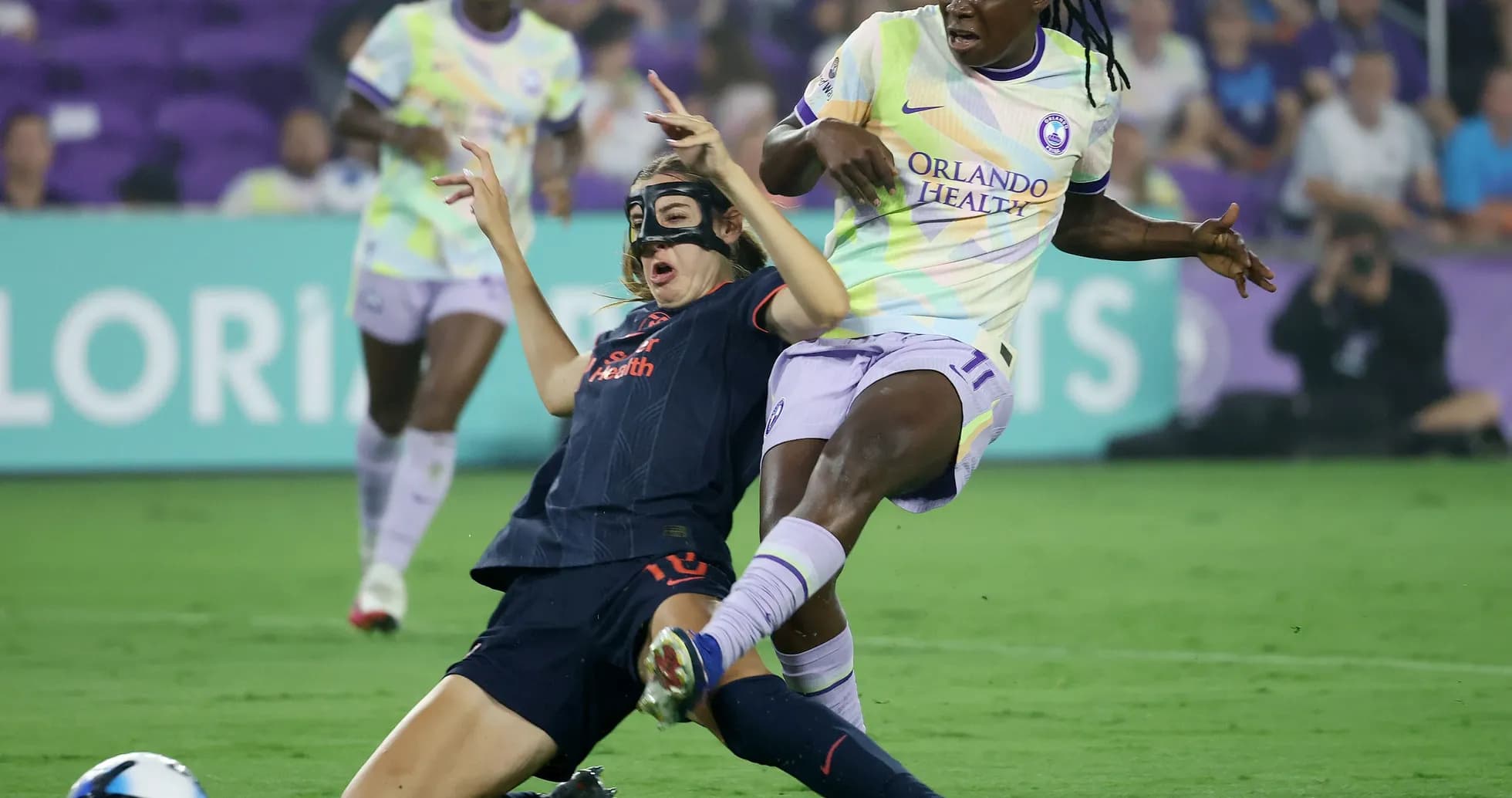
The headline duel was always going to be B. Banda versus the Houston back line. Banda arrived with 12 goals and 1 assist in 19 appearances, backed by 53 shots (30 on target) and a league-leading aura. Her profile is clear: 39 dribble attempts with 16 successful, 29 fouls drawn, and a willingness to run at defenders repeatedly. Against a back four that concedes 1.7 goals per away game overall and has suffered a heaviest away defeat of 3–0, the risk for Houston was obvious. Patterson’s 165 duels (91 won) and 6 blocked shots speak to her resilience, but the sheer volume of defending required against Banda’s movement and L. Ovalle’s supporting runs was always going to stretch the Dash.
Behind them, the engine room was a more subtle but equally decisive battleground. For Orlando, Angelina and A. Lemos had to balance ball progression with protection. Angelina’s 481 passes and 12 key passes this season show her capacity to link lines, while her 22 tackles and 13 interceptions reveal a player comfortable in traffic. Lemos, alongside her, provided the shuttle work that allowed the wide players, particularly S. Yates, to push high in the 4-4-2.
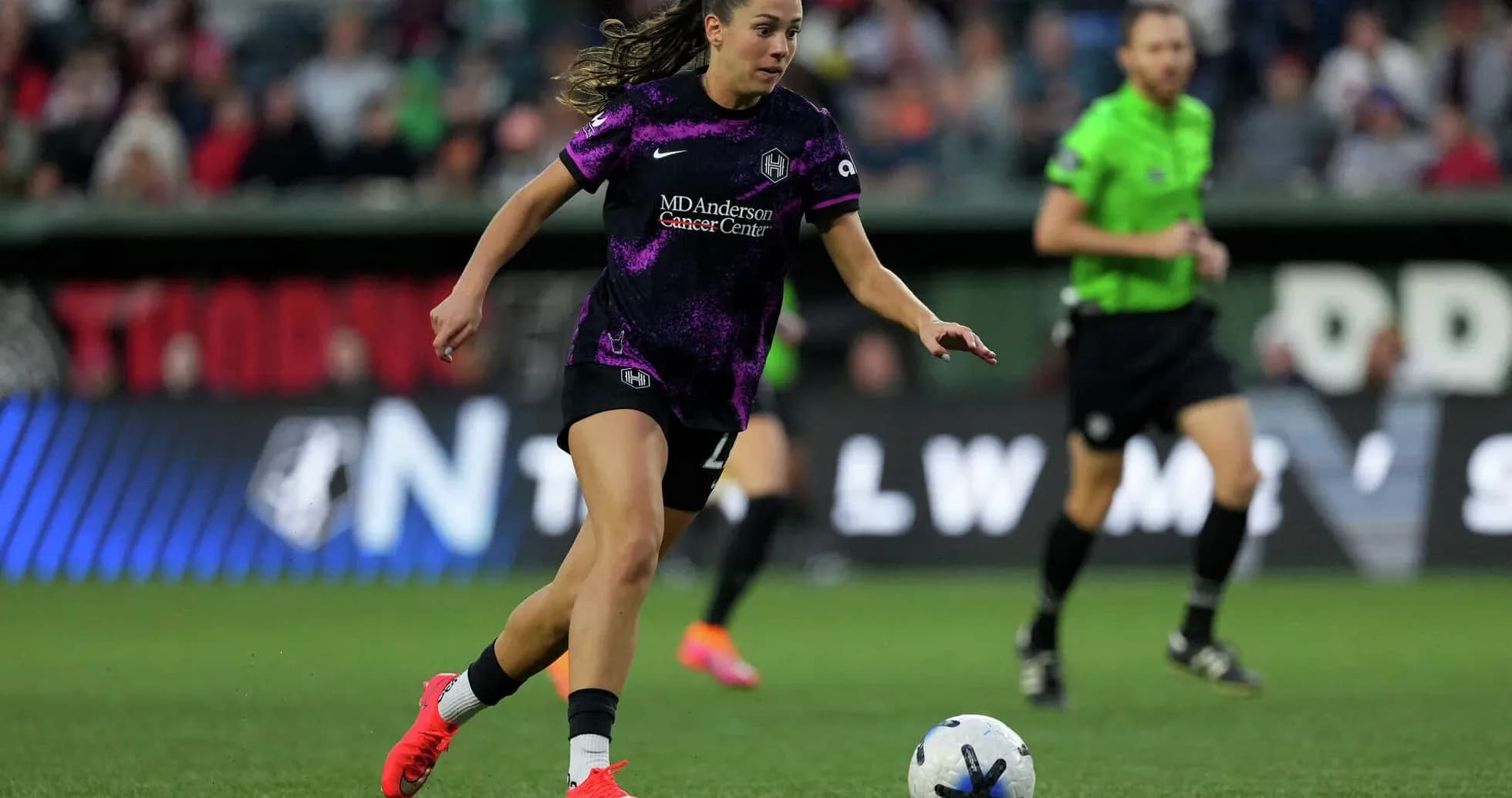
Houston’s answer lay in the double pivot of D. Colaprico and M. Graham. Colaprico’s numbers tell the story of a metronome enforcer: 468 passes at 80% accuracy, 32 tackles, 10 blocks and 21 interceptions, plus 4 yellow cards that underline how often she plays on the edge. Her job was twofold: cut off service into Banda’s feet and prevent Angelina from dictating tempo. If she stepped out too aggressively, space would open for Orlando’s forwards between the lines; if she sat too deep, Orlando’s midfield would be free to dictate.
Higher up, K. Rader carried Houston’s most consistent attacking threat this campaign. With 8 goals, 1 assist, 31 shots (20 on target) and 24 key passes, she is the Dash’s creative heartbeat. Her positioning in the line of three behind Faasse meant she often floated into pockets between Orlando’s full-backs and centre-backs. The onus fell on H. Anderson and C. Dyke to track her movement, while Yates and McCutcheon had to be diligent in recovery.
IV. Statistical Prognosis – Why Orlando’s plan was primed to work
Heading into this game, the numbers pointed toward a narrow Orlando edge, especially at Inter&Co Stadium. At home they were more efficient in front of goal, averaging 1.6 goals scored versus Houston’s 0.8 on their travels. Defensively, both conceded at similar rates in their respective dimensions – Orlando 1.3 at home, Houston 1.7 away – but the Dash’s away record of 2 wins, 2 draws and 8 losses suggested a pattern of vulnerability once they left Houston.
Orlando’s biggest home win this season (3–0) and Houston’s heaviest away defeat (3–0) intersected around the same scoreline, hinting at a ceiling in Orlando’s attacking outbursts and a floor in Houston’s defensive collapses. Combine that with Banda’s individual form and Houston’s reliance on Rader to tilt the pitch, and the statistical prognosis leaned toward a home win with Orlando creating the higher xG through direct runs and volume of shots, while Houston relied on more selective, transitional chances.
The 3–1 final scoreline fits that script. Orlando’s aggressive 4-4-2, powered by Banda’s relentless movement and a combative midfield led by Angelina and Lemos, exploited Houston’s away frailties. Houston’s structure and individual quality in Patterson, Colaprico and Rader ensured they were never entirely out of the game, but over 90 minutes, the weight of Orlando’s home attacking averages and Houston’s travel sickness told. In a clash of near-equals in the table, the underlying numbers always hinted that Inter&Co Stadium would tilt purple.