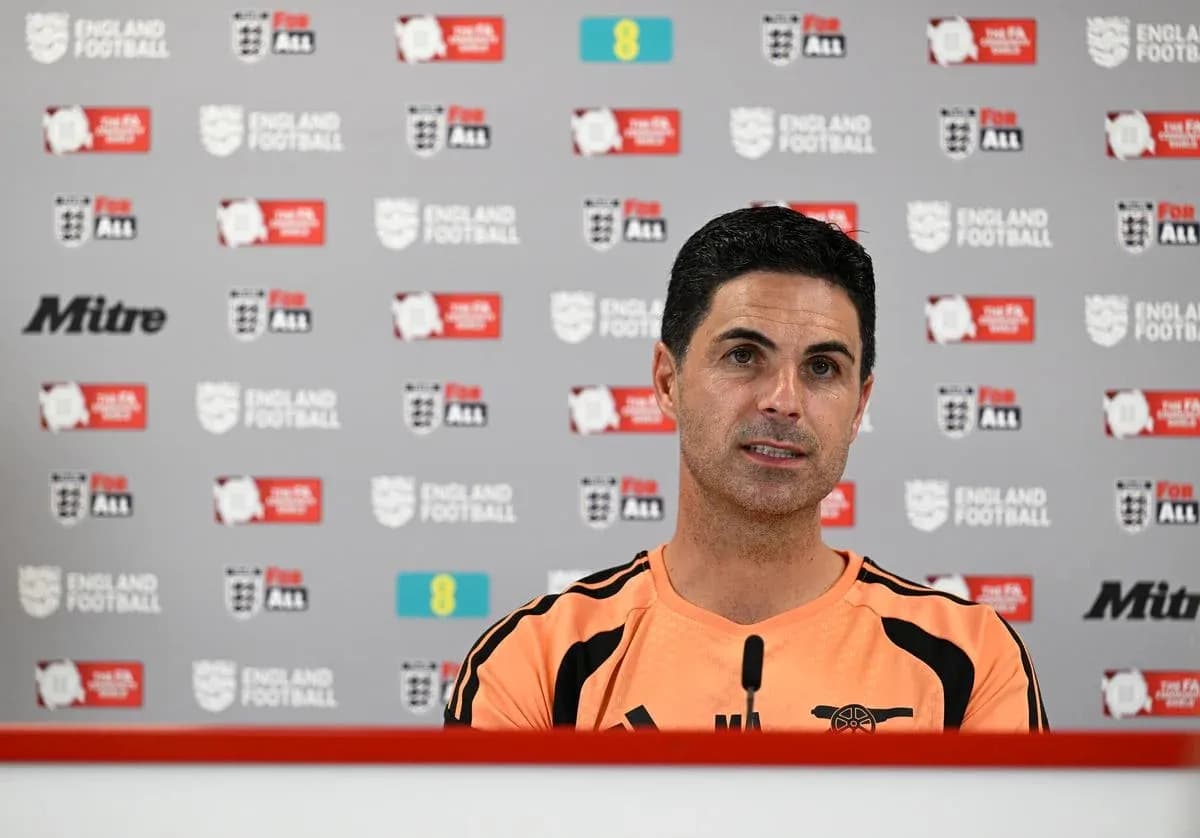
Mikel Arteta's Strategic Overhaul: Arsenal's New Approach to Player Fitness
Mikel Arteta has lifted the lid on why Arsenal have ripped up and rebuilt a key part of their operation ahead of a season in which they aim to go one better in the Premier League title race.
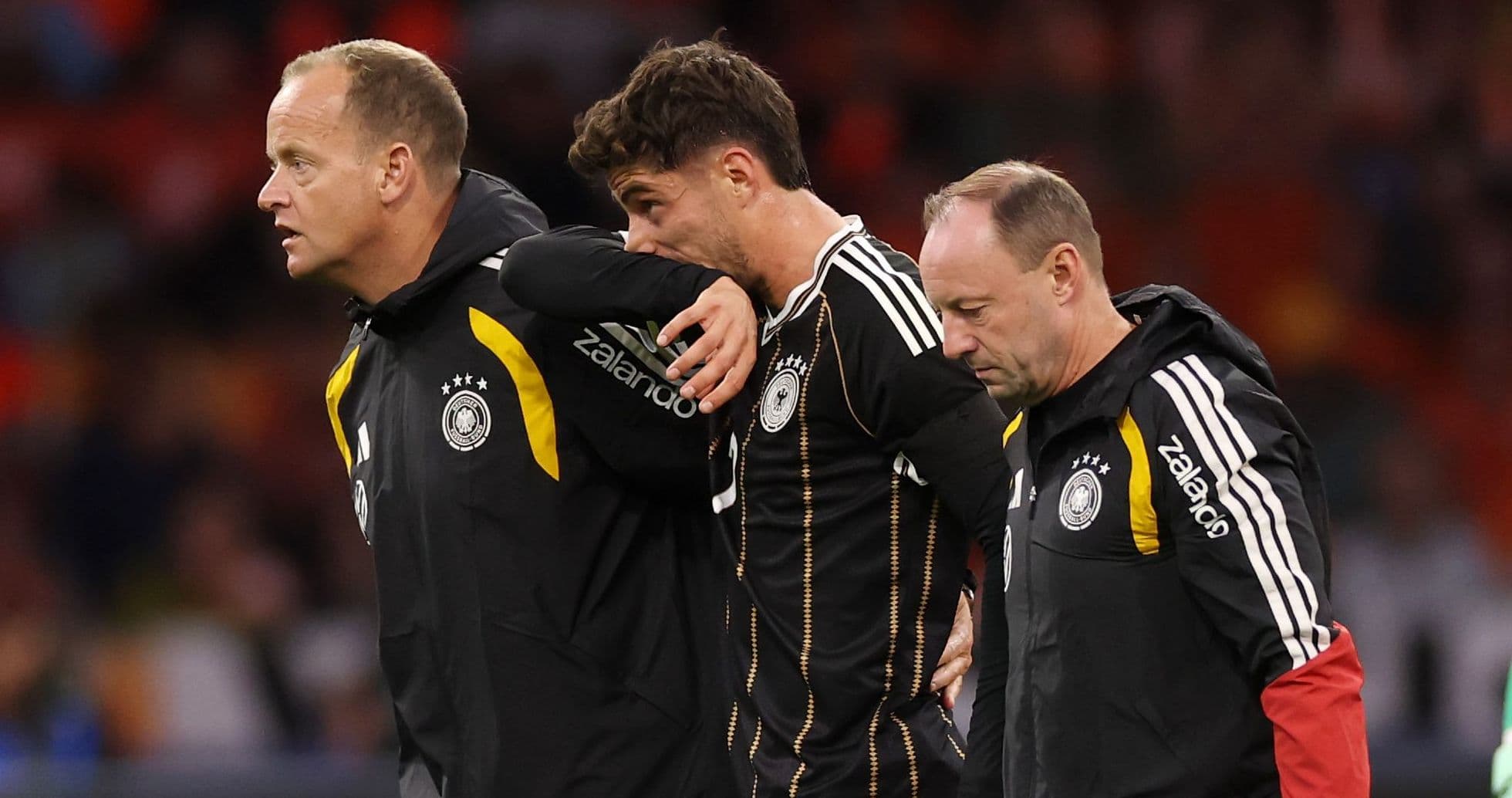
For all the tactical tweaks, for all the transfer noise, one issue has stalked Arsenal over the past few years: keeping their best players on the pitch when it matters most. Arteta has spoken about it again and again. The run-ins, the decisive weeks, the big European nights – too often they have arrived with Bukayo Saka patched up, William Saliba missing, or Kai Havertz sidelined at the wrong time.
That frustration has now triggered a full-scale reset behind the scenes.
A brutal summer shake-up
The overhaul began in the immediate aftermath of the Champions League final defeat to Paris Saint-Germain. Head of sports medicine Dr Zafar Iqbal was sacked shortly after that night, a significant move given his senior role at the club.
Tom Allen, the head of sports science and performance, then departed, followed by lead performance coach Sam Wilson at the end of June. Three prominent figures, all gone in the space of a few weeks. For a club that has preached stability, it was a jolt.
This was not a snap reaction to one result. Arsenal had already conducted a review of their medical and performance department last season, with Arteta bringing in long-term friend Joaquin Acedo to help drive that process and shape what came next.
Arteta made a point of publicly thanking those who have left, but he did not shy away from the reality that change was required.
“First of all thank you to them for all the incredible work they have done for the club, for the players, for myself – and how well they have taken us and we will look to improve and evolve in certain areas," he said.
Then came the key line, the one that underlines the ruthlessness of a team chasing marginal gains in a title race decided by fine details.
"We need to look across the club and we have made certain decisions that in our opinion will help us in medium and long term to be better.
“They are always difficult when you talk about people and you get such a strong relationship. It is always very, very tough."
Tough or not, the decisions have been made. And the replacements show exactly where Arsenal think the game is heading.
New faces, new ideas
Into this reshaped structure steps Eneko Angulo, hired after leaving his role as head of rehabilitation at Real Betis. His arrival is part of a broader push to sharpen Arsenal’s ability to manage workloads, accelerate returns and, crucially, prevent breakdowns in the first place.
The more eye-catching appointment, though, is the new head doctor: Arnaldo Abrantes, who joins from Aston Villa.
Abrantes is not a typical club medic. Before turning fully to medicine, he was a professional sprinter and represented Portugal at the 2008 Olympics. That background immediately caught Arteta’s attention.
"He was a good athlete," Arteta said, almost underplaying it.
The Arsenal manager then laid out why he believes Abrantes fits the direction he wants the club to move in.
"When we're trying to evolve the squad, the team and the relationships and where the game is evolving, we wanted to recruit different qualities.
"That's one, when you've been there and sensed things in a different way. But as well because of his background, his knowledge about a lot of things that I was very interested in.
"We believe he was the right fit. I'm very happy with what he's bringing."
A former Olympian overseeing the medical department at a club trying to squeeze every last drop of speed, intensity and resilience out of its players – it is a deliberate alignment.
Margins that decide titles
Arteta has long argued that availability is a superpower. The numbers back him up: when Saka, Saliba and the rest of his core group stay fit, Arsenal look like a machine capable of going stride for stride with anyone. When that core is chipped away by muscle problems and recurring issues, the whole structure creaks.
So this is not just a quiet reshuffle of backroom staff. It is a strategic bet that smarter medical, sports science and rehabilitation work can be the difference between finishing second and finally lifting the Premier League trophy.
The players will still carry the pressure on the pitch. But this season, the story of Arsenal’s title challenge may be written just as much in the treatment rooms, the data reports and the sprint mechanics sessions overseen by a former Olympian as it is in the penalty areas.