Mikel Arteta's Community Shield Victory and Squad Dilemma
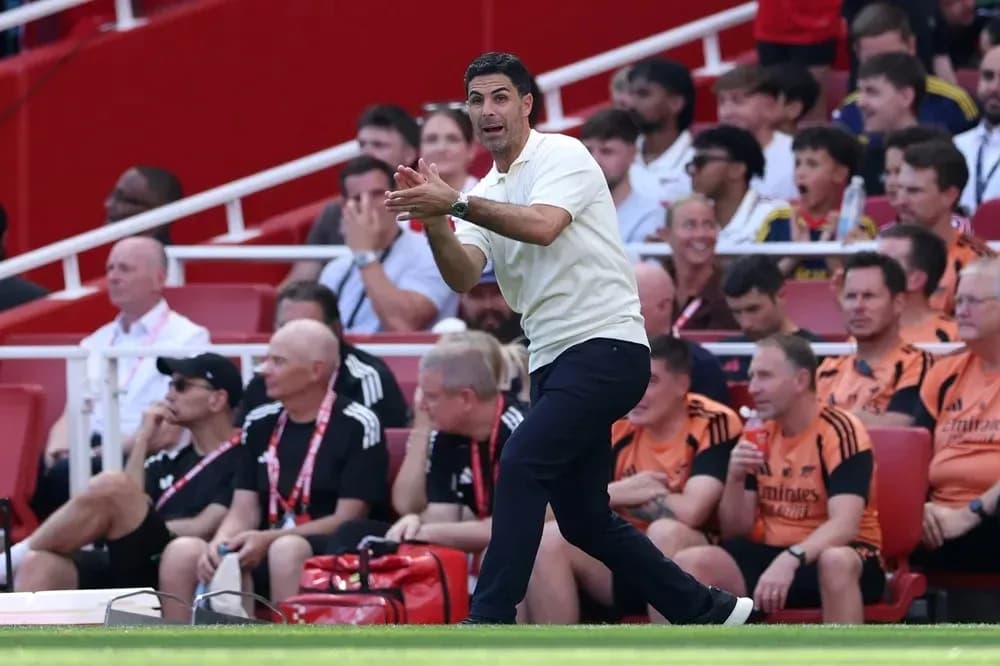
Mikel Arteta left Wembley with a trophy in his hands and a problem in his head.
Arsenal’s 3-0 Community Shield win over Manchester City ticked every obvious box: statement performance, sharp fitness levels, clean sheet. Yet as the squad celebrated, the story lingering behind the scenes was about those who never even pulled on a shirt.
Big win, big omissions
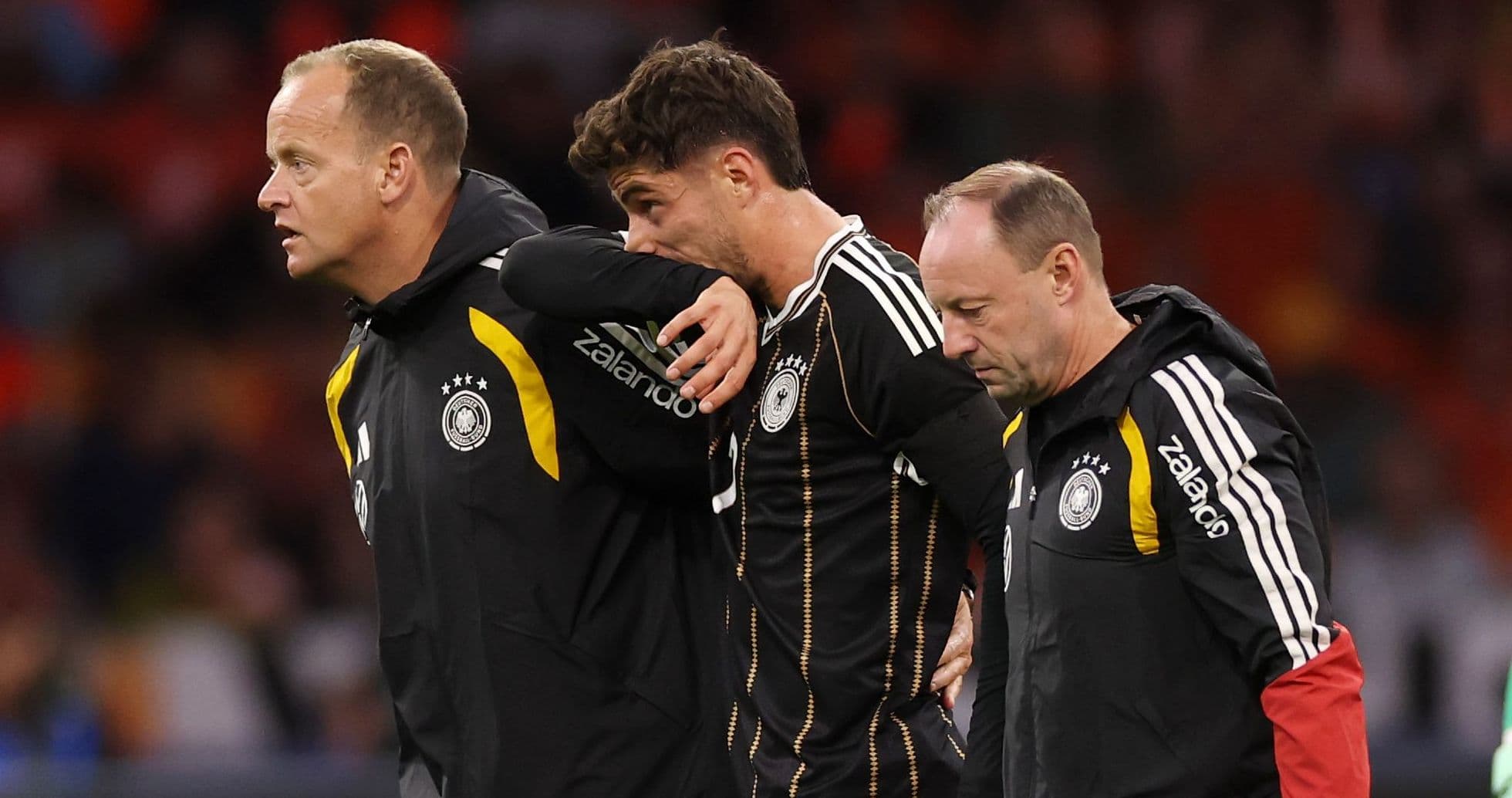
Some absences were straightforward. William Saliba and Jurrien Timber were ruled out through injury, with Timber still making the trip to Cardiff to be around the group. Illan Meslier was also there, involved in the warm-up routine, but not named among the substitutes – the familiar fate of a third-choice goalkeeper in domestic football.
And that’s the crux of Arteta’s frustration.
In UEFA competitions, benches are bigger. There is room for those extra goalkeepers, for the extra outfield options, for the players who travel and train all week only to miss out when the squad list is cut down for league duty.
Last season, Tommy Setford lived that reality. He often travelled to domestic matches, took part in warm-ups, then disappeared from the teamsheet. On Champions League nights, all the way through to the semi-final, he was in. Same club, same season, two different rulebooks.
Arteta’s push for change
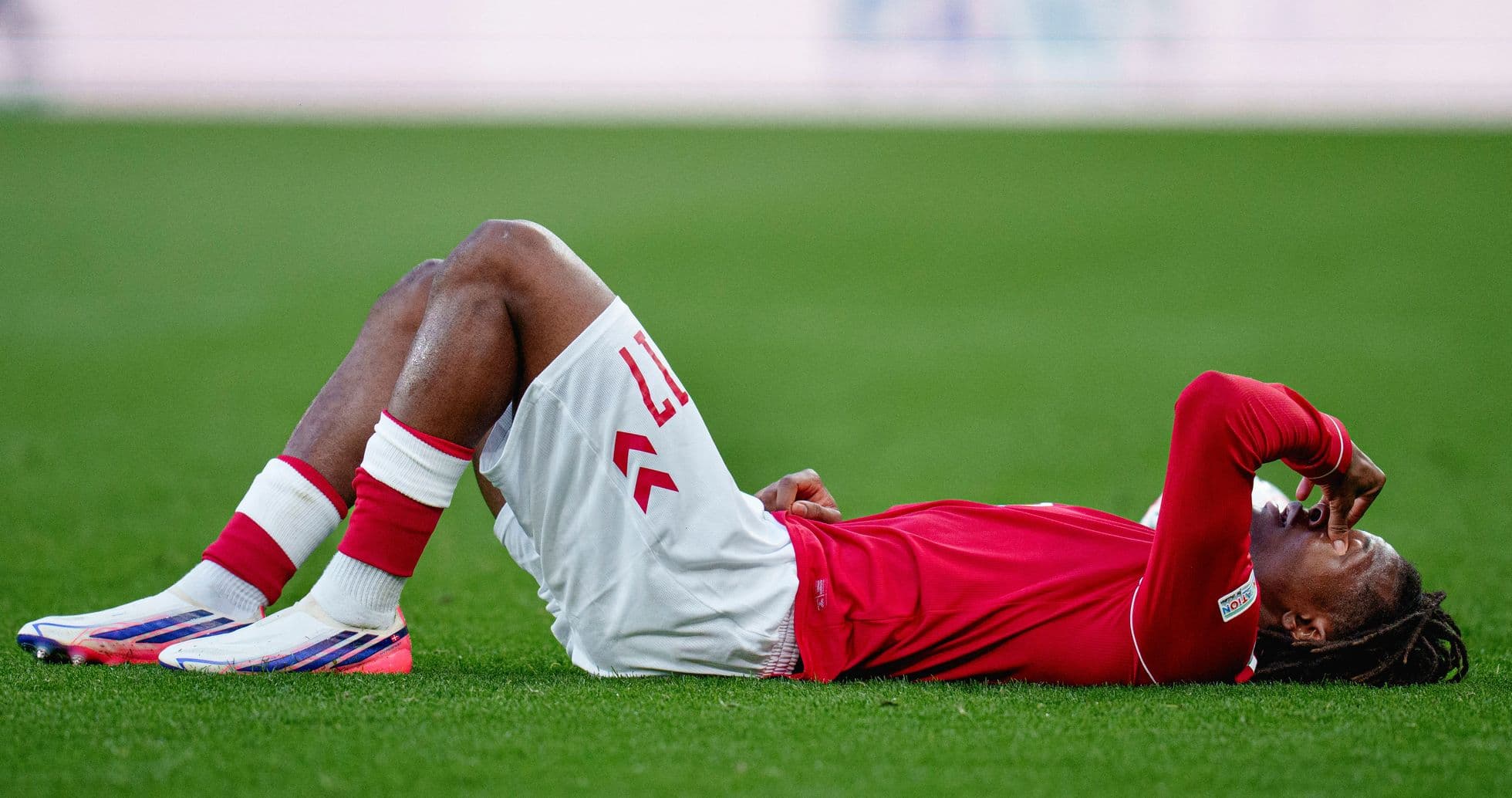
Against City, the squeeze was brutal. Beyond Meslier, Arteta had to leave out Gabriel Martinelli, Ethan Nwaneri, Gabriel Jesus, Fabio Vieira, and Reiss Nelson entirely. Not on the pitch, not on the bench. Nowhere.
Under UEFA rules, with a 23-man squad rather than 20, at least two of those players could have been involved.
Arteta has had enough of that compromise.
"I've been trying to persuade the Premier League and the clubs to be able to extend the number of players that we can have, especially the outfield players in the squads, because we play more and more games and the load is unreal," he said.
He didn’t dress it up. He called it what it is for a modern manager: the hardest part of the job.
"It's just a shame (to leave players out), so it's the most difficult part of the job. It's just a fact that we can bring 18 outfield players and we believe that for today's game these were the options that we needed, especially with the physical condition of certain players."
The physical data is clear. Seasons are longer, schedules tighter, demands higher. Managers rotate, sports scientists warn, players break. Yet matchday rules in the Premier League still belong to a lighter era.
The looming debate
Not everyone will welcome Arteta’s idea.
Smaller clubs are likely to push back, wary of handing the league’s heavyweights even more firepower on the bench. They know that if Arsenal, City, Liverpool and the rest can stack their substitutes with international quality, the gap on a matchday could stretch even wider. Some clubs might not even have 23 fully fit senior players to choose from most weeks.
But the landscape has shifted. Almost half the division now plays in Europe each season. Those clubs are already operating with UEFA’s expanded squad model in midweek, then squeezing back into a smaller frame at the weekend.
The question is no longer whether the biggest sides can cope with a 23-man squad. It’s whether the Premier League wants to keep pretending a 20-man one still fits the modern game.