Mbuemo and Diallo Respond to CAF’s AFCON Title Controversy
Manchester United’s training camp in Ireland was supposed to be about shape, fitness and fine‑tuning. Instead, it briefly turned into a snapshot of African football’s biggest storm.
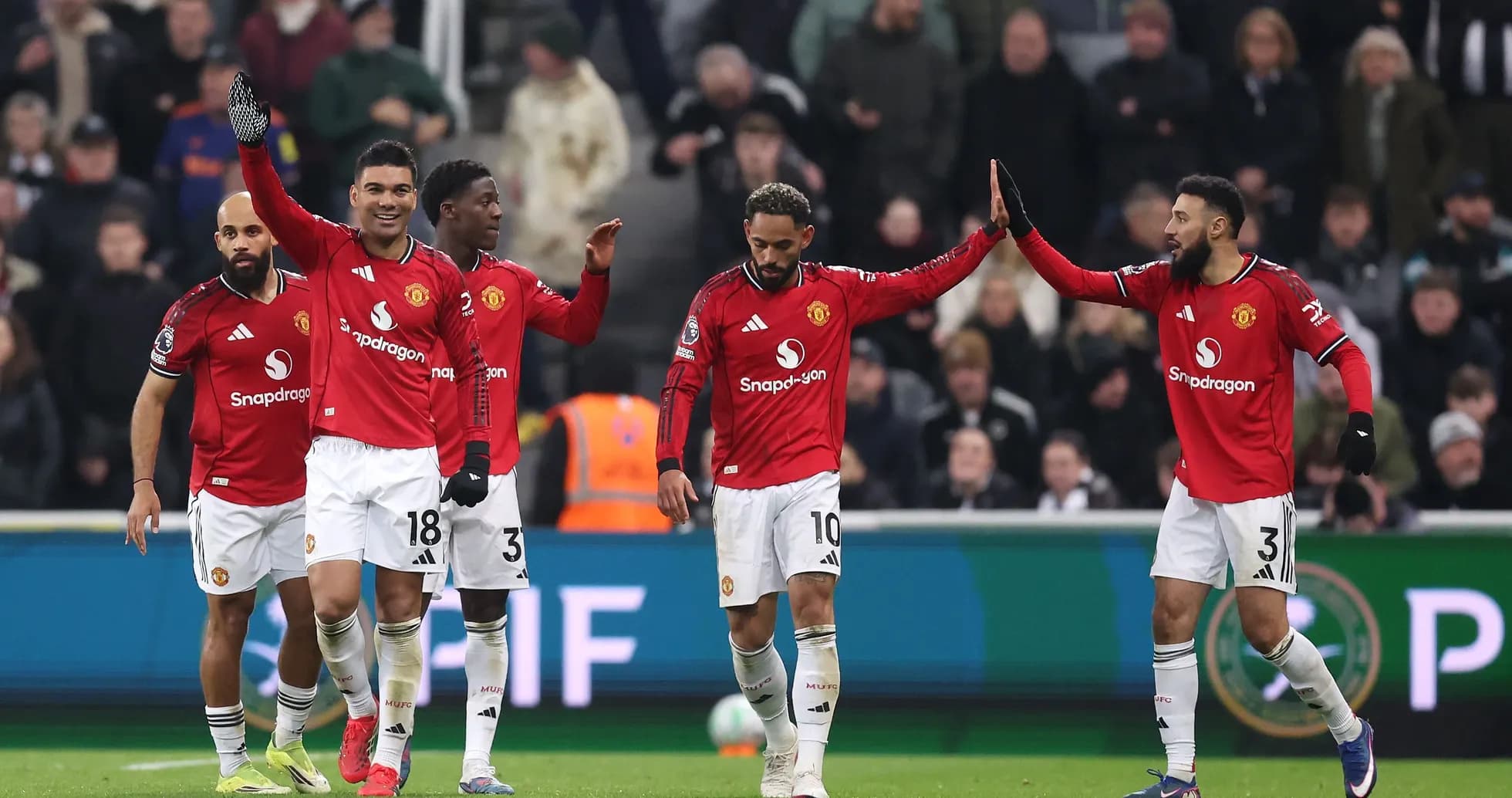
Bryan Mbuemo and Amad Diallo, two African internationals in United colours, were asked about the Confederation of African Football’s extraordinary decision to strip Senegal of the 2025 Africa Cup of Nations crown and hand it to Morocco.
They didn’t need a long answer. They laughed.
Diallo followed the chuckle with two words: “No comment.” The message, though, was loud enough.
A title won on the pitch, lost in a committee room
The backdrop could hardly be more dramatic. Senegal beat Morocco 1-0 in extra time in the AFCON final on Moroccan soil, a tight, tense contest that seemed destined to be remembered for its football.
Late in normal time, with the game still goalless, Morocco and Real Madrid midfielder Ibrahim Diaz stepped up to take a penalty. Senegal’s players briefly walked off the pitch in protest at the decision, only to return a few minutes later and finish the match. Diaz missed from the spot, Senegal survived, and in extra time the Lions of Teranga found the decisive goal to lift the trophy.
That should have been the story: a final decided by nerve, resilience and a single strike after 120 minutes.
Instead, two months later, CAF’s Disciplinary Committee tore up the script. On the grounds that Senegal’s brief walk-off amounted to a withdrawal, the committee ruled the result invalid, stripped Senegal of the title and awarded Morocco a 3-0 win.
An African champion crowned not by a final whistle, but by a disciplinary ruling.
Senegal fights back as anger grows
The fallout has been fierce. The Senegalese Football Federation has reacted with open fury and is preparing legal action to challenge the decision and defend what its players earned on the pitch.
The case has become more than a simple dispute over a result. It cuts to the heart of sporting legitimacy in African football: what counts more, the match itself or the committee room after it?
That tension hung in the air when Mbuemo and Diallo sat down in front of the microphones in Ireland. Both know the stakes for African football. Both watched as a tournament, and a title, turned into a legal and political battlefield.
Their response – a shared laugh, a clipped “No comment” – landed like a jab. No rant, no speech. Just a hint of what many players appear to think of a decision that rewrote a final months after the trophy had been lifted.
A divided dressing room, a united reaction
Adding another layer to the scene was the presence of Moroccan defender Nasser Mazraoui in the same Manchester United squad. Mazraoui was part of the Atlas Lions group at the 2025 AFCON, directly tied to the team now declared champions by administrative decree.
Yet even with that dynamic in the dressing room, Mbuemo and Diallo chose sarcasm over diplomacy. The laughter said they had seen enough, heard enough, and didn’t feel the need to dress it up.
CAF’s ruling has already shaken trust across the continent. When players start to mock a confederation’s flagship decision in front of cameras, the question grows sharper: how long can African football live with a continental title that so many still feel was decided in the wrong place?