Maradona Trial Chaos: Disputed Kidney Tests Raise New Questions
The trial into the death of Diego Maradona has been dramatically halted once again, this time over a stunning claim: key kidney tests used as evidence may not belong to the Argentine icon at all, but to his late father.
Seven healthcare workers stand accused of criminal negligence over the treatment Maradona received in the days leading up to his death at 60, in November 2020, while recovering from brain surgery at a rented house in Tigre, on the outskirts of Buenos Aires.
They deny any wrongdoing.
A case that refuses to settle
This is already the second attempt to bring the case to a conclusion. The first trial collapsed last year after two and a half months of hearings when it emerged that one of the judges had secretly participated in a clandestine documentary about the proceedings. The entire process was annulled.
A new trial opened in April and had been edging towards its final stages. Then came the latest twist.
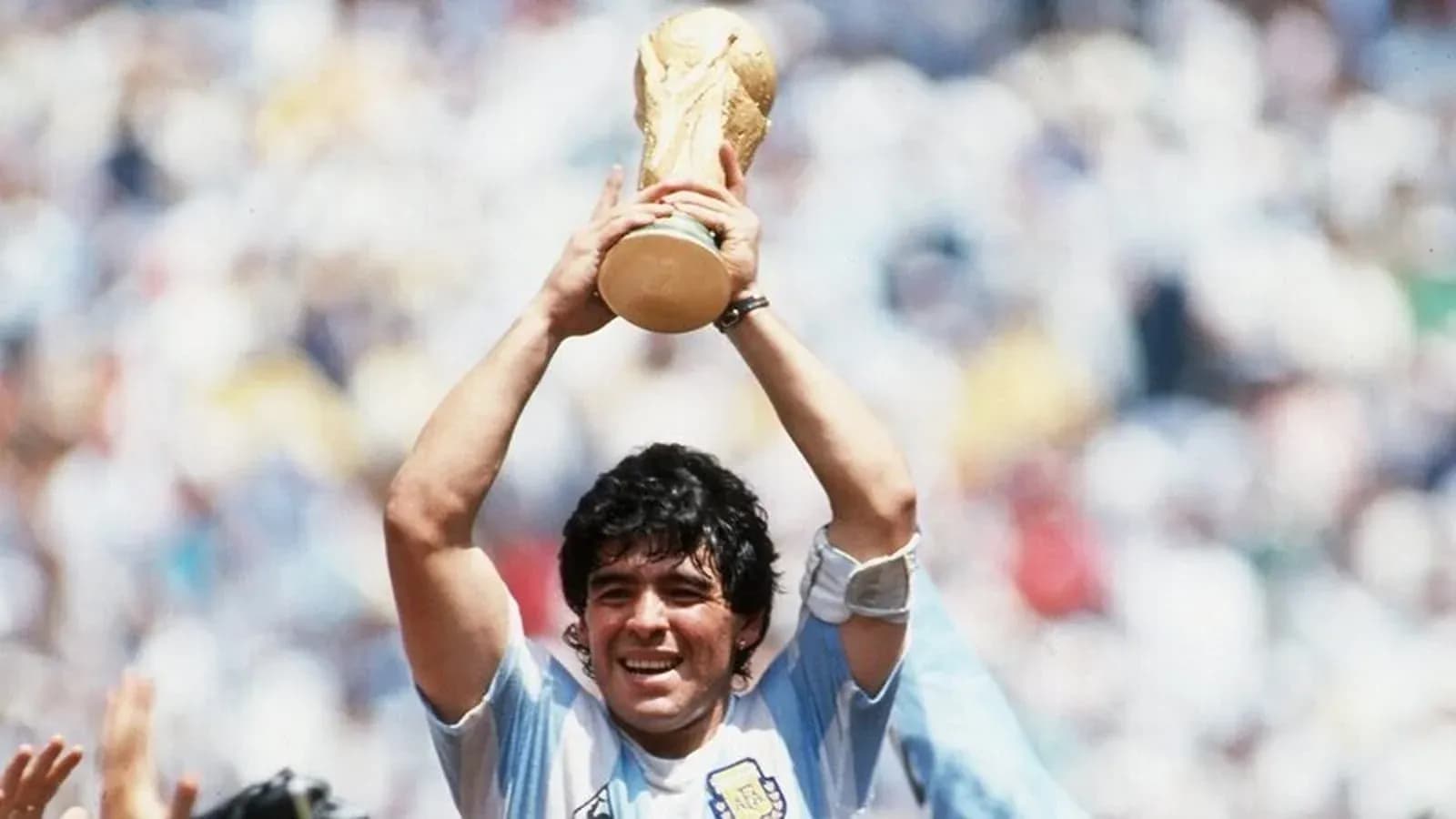
Defence lawyers now argue that kidney test results presented during the hearings do not correspond to Maradona, the 1986 World Cup winner, but to his father, also named Diego, who died in 2015.
The allegation was serious enough for the court to slam on the brakes. Hearings have been adjourned until 27 August while the evidence is re-examined.
Kidney warning signs at the heart of the dispute
The disputed tests cut straight into one of the prosecution’s central arguments: that Maradona’s deteriorating health should have triggered much closer monitoring.
On Tuesday, a nephrologist told the court that the state of Maradona’s kidneys ought to have set off alarm bells for his medical team. According to his testimony, the former Napoli and Argentina star should have been under “daily medical checkups, daily nursing care, blood tests and monitoring of his vital signs.”
Maradona died of heart failure and acute pulmonary edema — fluid in the lungs — two weeks after undergoing surgery for a brain clot. The prosecution maintains that the care he received in that period was grossly inadequate.
The nephrologist who spoke is a member of the medical commission created to analyse the circumstances of Maradona’s death. That commission has been sharply critical of how the player was treated in his final days.
Now its own credibility is on the line. If the court confirms that the kidney tests belong to Maradona’s father, the entire commission could come under intense scrutiny.
Prosecution digs in, defence seeks clarity
Despite the uproar, prosecutors insist their case remains intact.
“They will not succeed in bringing down the trial,” prosecutor Patricio Ferrari said, dismissing the idea that the alleged mix-up weakens the accusation of negligence.
On the other side, there is no rush to blow everything up and start again. A lawyer representing nurse Nancy Forlini, one of the seven accused, rejected any plan to seek a mistrial.
“I want this case to end so that my client knows her judicial fate,” he said, capturing the fatigue of a process that has already stretched on for years.
For the court, for the accused, and for a country still wrestling with the loss of its greatest footballer, the stakes are now brutally clear. If the tests are proven to be misattributed, how many more shocks can this trial absorb before the search for accountability gives way to a deeper question: whether justice for Diego Maradona will ever arrive cleanly at all.