Manchester United's Intensive Midseason Training Camp in Ireland
Manchester United have slipped quietly across the Irish Sea this week, but the mood around the squad is anything but low-key.
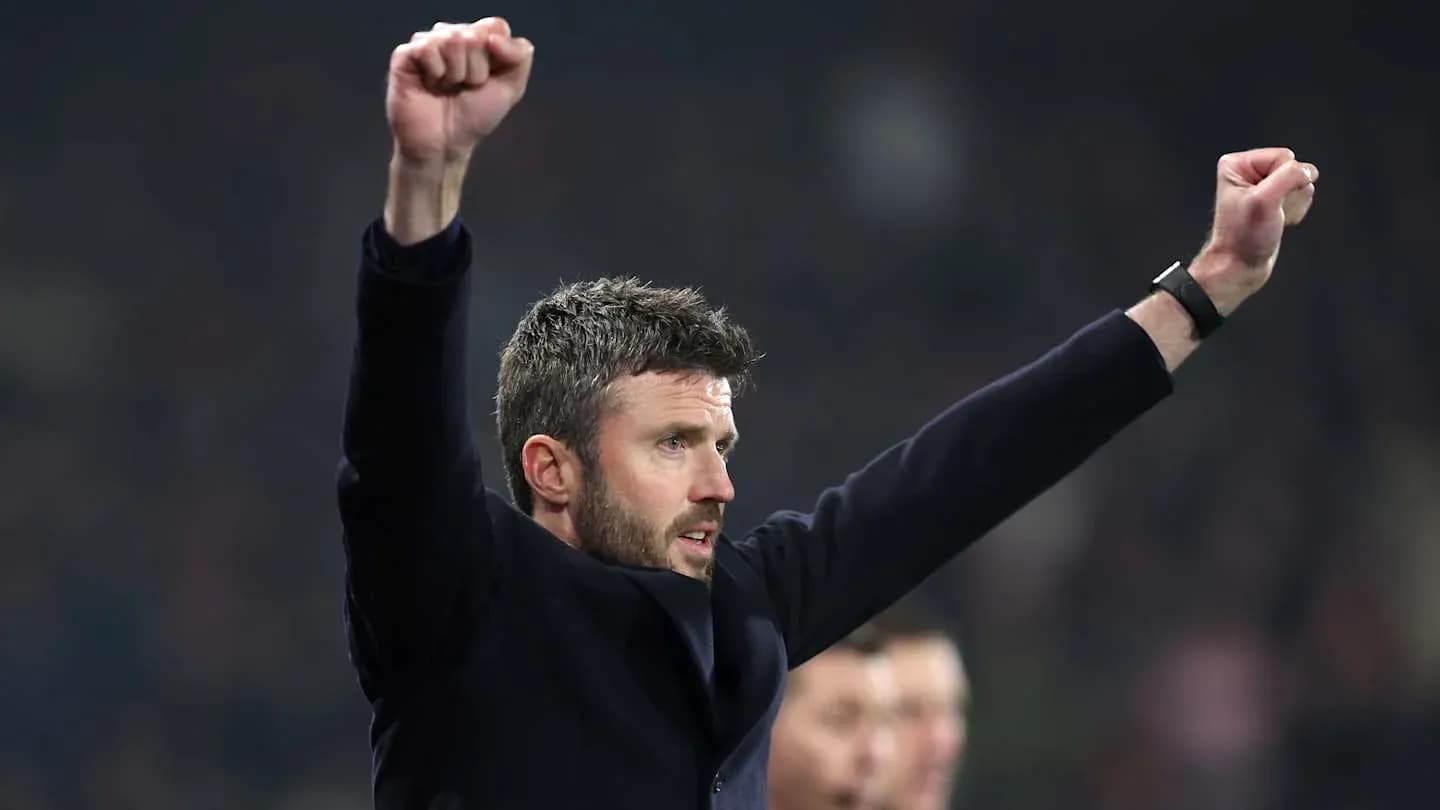
Michael Carrick has taken a 25-man group to Ireland for what the club are calling an “intensive” midseason training camp, and two names on that list will feel as important as any result they chase in the run‑in: Lisandro Martínez and Patrick Dorgu.
Carrick’s defensive heartbeat returns
For Carrick, still shaping United in his own image as interim manager, Martínez’s inclusion is a major step. The Argentine has endured a brutal spell with injuries. He lost almost the entire 2025 calendar year to an ACL tear, then saw his comeback halted again with a calf problem picked up in the draw against West Ham United on February 10.
Now he’s back on the grass and back with the group.
United have missed his aggression, his leadership, his ability to drag the back line 10 yards higher with sheer force of personality. Having him on the plane to Ireland strongly hints he will be ready for the decisive stretch of the season, when Champions League qualification is on the line and margins shrink.
Dorgu’s revival after a cruel interruption
If Martínez is the emotional anchor at the back, Dorgu had been the great discovery further forward under Carrick.
The Denmark international looked set to be one of the defining stories of this new era, pushed into a more advanced wide-forward role and responding with goals in those landmark, back-to-back wins over Manchester City and Arsenal. Then his hamstring gave way in the victory over the Gunners, and with it went United’s only natural option on that side of the pitch.
He has missed the last eight Premier League games. For a squad already short of balance in wide areas, that absence bit hard.
Now Dorgu has returned to training on grass and has been folded back into this camp. These days in Ireland should mark the next stage of his recovery, a chance to rebuild rhythm in a controlled but demanding environment. If he emerges unscathed, Carrick regains a direct, confident outlet who had been thriving in high‑pressure fixtures.
Key absences: Dalot ill, De Ligt still sidelined
Not everyone made the trip.
Diogo Dalot, one of United’s iron men this season, has stayed in Manchester through illness. The Portugal international has featured in every United game since a brief layoff in September, starting most of them. Losing him, even temporarily, strips Carrick of a reliable presence who has quietly become a cornerstone of the side’s structure.
Veteran goalkeeper Tom Heaton is also absent with illness, leaving the goalkeeping duties in camp to Altay Bayındır, Senne Lammens, Dermot Mee and youngster Fred Heath.
At the back, Matthijs de Ligt remains a conspicuous absentee. The Dutch defender has been out with a back injury since the start of December and, according to reports, has yet to resume “meaningful” training. That points to a return that is still some way off and keeps the onus on Martínez, Harry Maguire and the emerging Leny Yoro to shoulder the defensive load.
Youth choices shaped by another competition
The squad list carries a slightly unusual look. Not because Carrick has ignored the academy, but because a number of regular U21 standouts are busy elsewhere.
United’s U21s face Real Madrid Castilla in the quarterfinals of the Premier League International Cup on Tuesday. That commitment explains why names such as Jack Fletcher, Tyler Fletcher, Tyler Fredricson, Chido Obi and Shea Lacey are missing from the Ireland group.
Instead, other academy faces have been drafted in. Defenders Ayden Heaven and Yuel Helafu travel with the senior side, along with forward Victor Musa and midfielder Jim Thwaites. It is a valuable window for them: a week in a first‑team environment, in a camp designed to test fitness and mentality rather than just fill time.
The 25-man squad in full
Goalkeepers: Altay Bayındır, Senne Lammens, Dermot Mee, Fred Heath.
Defenders: Noussair Mazraoui, Harry Maguire, Lisandro Martínez, Tyrell Malacia, Patrick Dorgu, Leny Yoro, Luke Shaw, Ayden Heaven, Yuel Helafu.
Midfielders: Mason Mount, Bruno Fernandes, Casemiro, Manuel Ugarte, Kobbie Mainoo, Jim Thwaites.
Forwards: Matheus Cunha, Joshua Zirkzee, Amad Diallo, Bryan Mbeumo, Benjamin Šeško, Victor Musa.
It is a blend of hardened internationals, recent signings still knitting into the side, and kids getting a rare taste of senior demands.
Why April, why Ireland, why now?
Under normal circumstances, United would not have the luxury of a camp like this in April. The calendar would be crammed with European fixtures, domestic cup ties and a relentless Premier League schedule.
This season is different.
United’s absence from European competition, combined with early exits from both the Carabao Cup and FA Cup, has stripped the campaign back to just 40 matches – their lightest workload since 1914–15. The last outing, a 2–2 draw with Bournemouth in the Premier League, came on Friday, March 20. An international break followed, then a blank weekend as the FA Cup quarterfinals took centre stage.
The next competitive game does not arrive until Monday, April 13, when Leeds United visit Old Trafford.
That is a long time without the sharp edge of competition. Too long, in Carrick’s view, to simply rest and wait.
So this camp has been deliberately framed as “intensive”, an attempt to recreate the physical and mental demands of matchdays. High-tempo sessions, tactical drills, small-sided games with real consequences. The aim is clear: keep the legs fresh, but keep the minds switched on.
A quiet window before a loud finish
United enter this phase sitting third in the Premier League, well placed and widely expected to secure a return to the Champions League. The table flatters nobody in April. Complacency, though, has ruined plenty of promising seasons.
This week in Ireland will not decide anything on its own. It will not guarantee Martínez stays fit or that Dorgu rediscovers his pre-injury spark. It will not fix every structural flaw or erase the inconsistency that still creeps into United’s performances.
What it can do is set a tone.
Carrick has his core back together, a lighter schedule than any United manager in more than a century, and a squad that knows exactly what is at stake. With the margins for error shrinking and Europe within reach, how they work now will echo through every minute of the run‑in.