Albert Mahlangu on Injury Troubles and Muti in South African Football
Orlando Pirates legend Albert ‘Bashin’ Mahlangu has lifted the lid on what he believes lies behind the sudden loss of form and injury troubles haunting some of South Africa’s top-flight stars – and he points the finger inside the dressing room.
In a candid interview with KickOff, the former Buccaneers midfielder claimed that muti is being used by players against their own teammates, derailing careers from within.
“It’s tough on the pitch. I played for Pirates, and it wasn’t easy,” Mahlangu said, cutting through any romantic notion of the professional game. For him, the pressure to perform has pushed some players into dark territory.
“Where is Andre Jong? Where is Kabelo Dlamini?”
Mahlangu did not speak in generalities. He went straight to names.
“At Pirates, where is Andre Jong? Where is Kabelo Dlamini?” he asked.
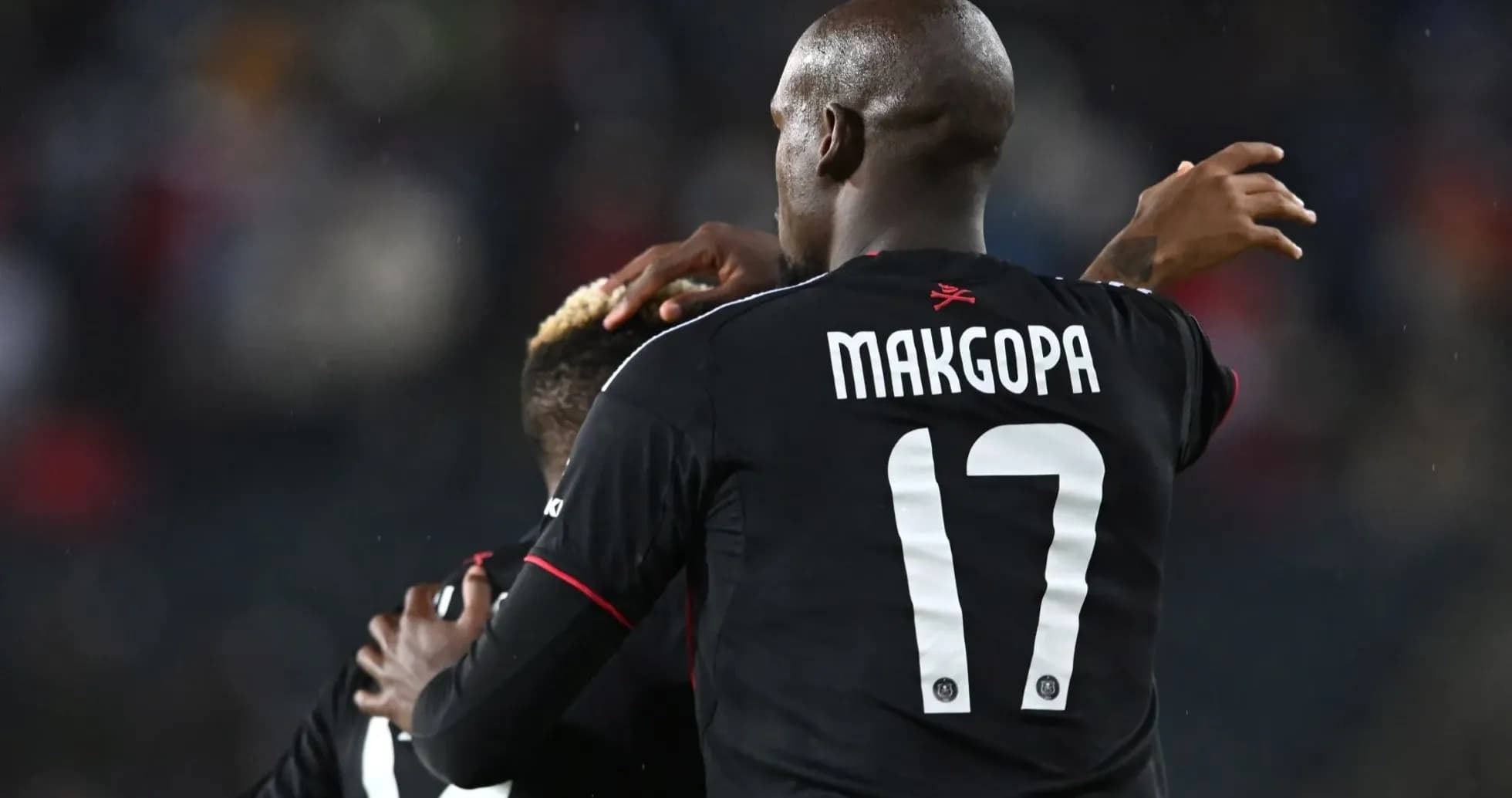
He then turned to Evidence Makgopa, a player he says he knew well and trusted to make an impact off the bench.
“Evidence Makgopa too, a player I knew very well, that he would always score if introduced in the second half, but he has disappeared.”
The pattern, in his eyes, is too stark to ignore. Yanela Mbuthuma was another example he raised – a forward brought in from Richards Bay with a reputation for scoring from “left, right, and centre.”
“He got there at Pirates, he scored and scored... all of a sudden, he has stopped scoring. Surely, there is something happening with these boys,” Mahlangu said, leaving the question hanging.
Muti as a weapon, not a boost
Mahlangu is not against the use of muti in football. Far from it. He believes it has always been part of the game. His anger lies in how it is being used.
“If you and I are teammates, you must use muti the right way. Use it to improve yourself and help the team win, not to destroy me,” he insisted.
“If I am destroyed, how are we supposed to play? You need 11 players on the pitch to form a team.”
He widened his lens beyond Orlando Pirates, pointing to the extraordinary injury situation at Soweto rivals Kaizer Chiefs.
“Kaizer Chiefs have five left-backs on the injury list. How is that possible?” he asked, again suggesting unseen forces at play.
“Please protect your gear”
For today’s professionals, Mahlangu’s message is blunt: don’t be naïve.
“It’s not easy in these teams. People scream from the stands, shouting at players, but they don’t know the many challenges players face,” he said.
His advice to players is practical and rooted in suspicion of what happens behind closed doors.
“If you are a professional footballer, use something to protect yourself. Please protect your gear – your soccer boots, kitbag with some muti of your own – so that when your teammate tries to put some muti in your bag, it doesn’t work.”
He again circled back to current players whose careers have been disrupted.
“When was the last time Tapelo Xoki played a match? Sihle Nduli had just returned from injury, but suddenly he’s injured again.”
For Mahlangu, these are not coincidences. They are warning signs.
“I got injured today, and the next day I was back”
To underline how much he believes the landscape has shifted, Mahlangu contrasted the modern game with his own era at Orlando Pirates, where he spent 12 years.
“Such things were not common during our time,” he said.
“I played for Pirates for 12 years. In that period, I only had one ankle injury. I got injured today, and the next day I was back on the pitch.”
He attributes that rapid recovery to traditional intervention.
“Thanks to an old man who cut open my ankle and put some stuff in, and I was at training the following day.”
Now, he watches players fall in training and disappear for half a season.
“Nowadays, players get injured at training and stay out for six months. Imagine six months out? Something is wrong.”
The conclusion he draws is uncompromising.
“So, players, please protect yourself. Use something,” Mahlangu urged.
In a league where form can vanish overnight and injury lists grow longer by the week, his words land less like superstition and more like a challenge: how much of this is bad luck, and how much is happening in the shadows of the dressing room?