Lazio vs Pisa: A Season Finale at Stadio Olimpico
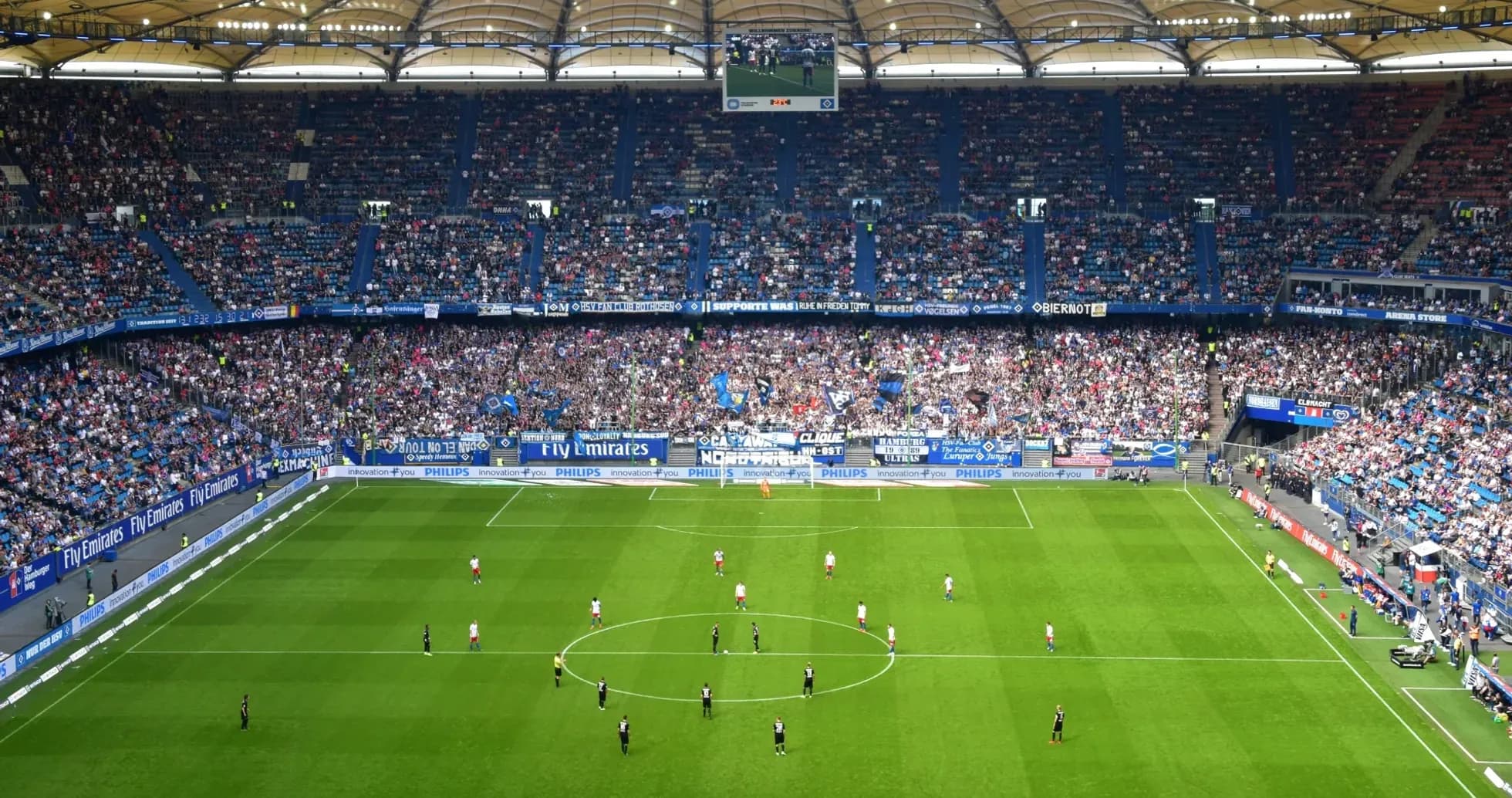
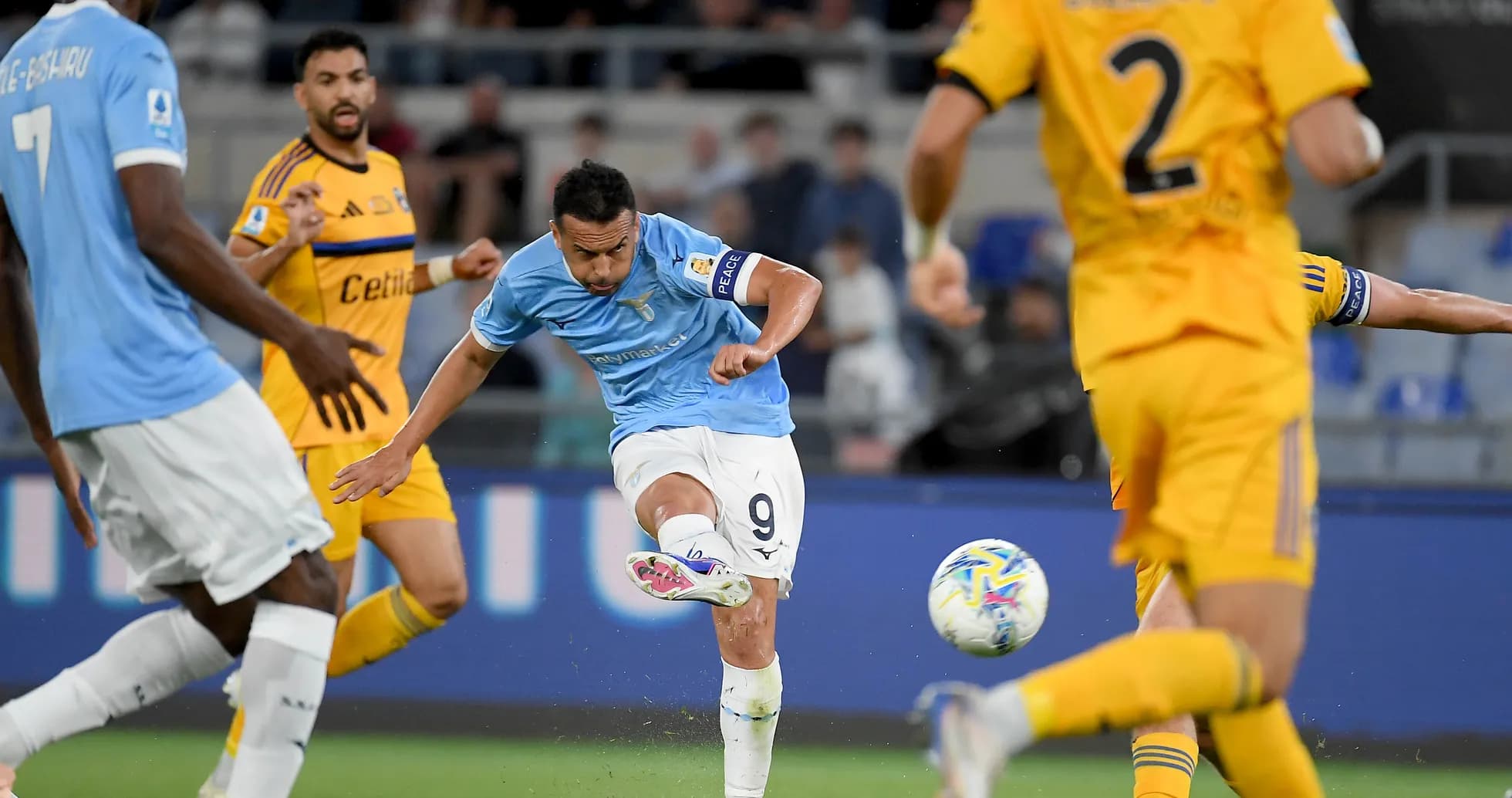
The final whistle in Rome did not just close a match; it sealed two very different seasons. At the Stadio Olimpico, Lazio edged Pisa 2–1, a scoreline that mirrored the wider story of Serie A 2025–26: the home side consolidating a top-half finish, the visitors slipping out of the division.
Following this result, Lazio finish 9th with 54 points, their overall goal difference locked at +1 from 41 goals scored and 40 conceded. Pisa end bottom in 20th on 18 points, with a brutal overall goal difference of -45, having scored 26 and shipped 71. The table numbers only confirm what the eye saw: one side managing its flaws, the other overwhelmed by them.
I. The Big Picture – Sarri’s structure vs Pisa’s survival scramble
Maurizio Sarri stayed loyal to Lazio’s seasonal DNA, rolling out the familiar 4-3-3 that has been his default in 36 league matches. A. Furlanetto started in goal, shielded by a back four of A. Marusic, Mario Gila, A. Romagnoli and L. Pellegrini. In front of them, a midfield trio of F. Dele-Bashiru, T. Basic and R. Belahyane offered a mix of legs and circulation, while the front three of M. Cancellieri, T. Noslin and Pedro were tasked with stretching Pisa’s last line.
On their travels this season, Lazio have averaged 0.7 goals for and 0.8 against, but at home the picture is more expansive: 1.4 goals scored and 1.3 conceded on average. That attacking tilt at the Olimpico was visible in a first half where Lazio struck twice before the interval, taking a 2–1 lead into the break that they would ultimately defend to full time.
Oscar Hiljemark’s Pisa arrived in Rome with a 3-5-2, the shape that has defined their season (21 league appearances in that system). A. Semper stood behind a back three of A. Calabresi, S. Canestrelli and R. Bozhinov. The wing-backs M. Leris and S. Angori had to serve as both full-backs and wingers, while the central band of M. Aebischer, E. Akinsanmiro and I. Vural tried to wrestle control from Lazio’s trio. Up front, S. Moreo and F. Stojilkovic were asked to live off transitions and scraps.
Pisa’s away numbers told the story even before a ball was kicked: on their travels they averaged 0.9 goals scored but a punishing 2.4 conceded. The 2–1 defeat in Rome was, in that sense, almost a restrained ending for a side that has lost 24 of 38 league games overall.
II. Tactical Voids – Absences and discipline shaping the contest
Both squads came into this final round carrying scars. Lazio were without I. Provedel, E. Motta and M. Zaccagni through injury, while N. Rovella was suspended by a red card and both N. Tavares and K. Taylor were out due to yellow-card accumulation. It forced Sarri to lean into his depth: Furlanetto between the posts, Dele-Bashiru and Belahyane anchoring a midfield that, on paper, lacked the passing control of a full-strength Lazio.
Pisa’s list was just as long, and arguably more damaging for a fragile side. A. Caracciolo, one of Serie A’s leading yellow-card collectors with 10 bookings, missed out through suspension, removing a defender who had blocked 24 shots across the campaign and was often their last-ditch firefighter. F. Coppola, D. Denoon, M. Marin and M. Tramoni were all sidelined by various injuries, while Lorran was omitted by coach’s decision. For a team conceding heavily, losing Caracciolo’s aggression and experience in the back line was a tactical void that Hiljemark’s 3-5-2 struggled to conceal.
Discipline has been a season-long subplot for both clubs. Heading into this game, Lazio’s yellow-card distribution peaked late: 25.64% of their yellows came in the 76–90' window, with a similar late surge in reds, 55.56% also in 76–90'. Pisa mirrored that late tension with 25.64% of their yellows in the same 76–90' stretch. This match, decided in the first half, felt like both sides consciously steering away from the chaos that has so often undone them in closing stages.
III. Key Matchups – Hunter vs Shield, Engine Room vs Enforcer
Without official top-scorer data, the “Hunter vs Shield” duel in this fixture was more about profiles than numbers. Lazio’s front three of Cancellieri, Noslin and Pedro repeatedly attacked the channels around Pisa’s outer centre-backs, Calabresi and Bozhinov. With Pisa missing Caracciolo, the central unit lacked a natural organiser; the 2–1 half-time scoreline owed much to Lazio’s ability to isolate defenders in wide spaces and attack the box with three forwards simultaneously.
On the other side, Pisa’s modest attacking output overall – 26 goals in total, 17 of them away – met a Lazio defence that, despite a positive overall goal difference of +1, has been anything but watertight. Overall, Lazio concede 1.1 goals per game, with 1.3 at home. Yet Sarri’s reliance on the Gila–Romagnoli axis has given them a defensive identity. Mario Gila’s season has been outstanding: 46 tackles, 17 successful blocks and 25 interceptions underline his timing and reading of danger, while Romagnoli adds 20 blocked shots and 32 interceptions of his own. Against Pisa, that pairing largely contained Moreo and Stojilkovic after the early scare, compressing the central lane and forcing Pisa wide.
In the “Engine Room” duel, M. Aebischer’s season-long influence for Pisa was clear. With 1,530 passes at 85% accuracy and 34 key passes, he has been their main conduit. Up against Lazio’s Basic and Belahyane, he tried to dictate the tempo, but Pisa’s structural issues – wing-backs pinned deep, forwards isolated – meant his passing rarely broke lines in dangerous zones. Lazio’s midfield three, while not spectacular, did enough to tilt the central battle in favour of the home side, especially in the first half when the game was stretched.
IV. Statistical Prognosis – xG logic, without the numbers
Even without explicit xG values, the season data allows a clear tactical verdict. Lazio at home, averaging 1.4 goals scored and 1.3 conceded, tend to play in matches that hover around the 2.7-goal mark. Pisa away, with 0.9 for and 2.4 against, live in games closer to 3.3 goals. A 2–1 scoreline sits neatly where those curves intersect: Lazio’s attack doing roughly what it usually does at the Olimpico, Pisa’s defence again conceding more than they can reasonably chase.
Lazio’s 15 clean sheets overall – 6 at home and 9 away – speak to a side capable of shutting games down once in front, and that pattern unfolded again here as the second half turned into a controlled, lower-tempo affair. Pisa, with only 5 clean sheets in total and 1 on their travels, were statistically unlikely to hold out once they went behind.
Following this result, the narratives diverge. For Lazio, a 9th-place finish with a positive goal difference and a sturdy defensive core offers a platform for refinement rather than revolution. For Pisa, relegated with -45 overall goal difference, 71 goals conceded and only 2 wins in 38 matches, the numbers and the eye test agree: this was a campaign where tactical ideas were repeatedly drowned by structural frailty, and the 2–1 in Rome was a fitting, if merciful, final chapter.