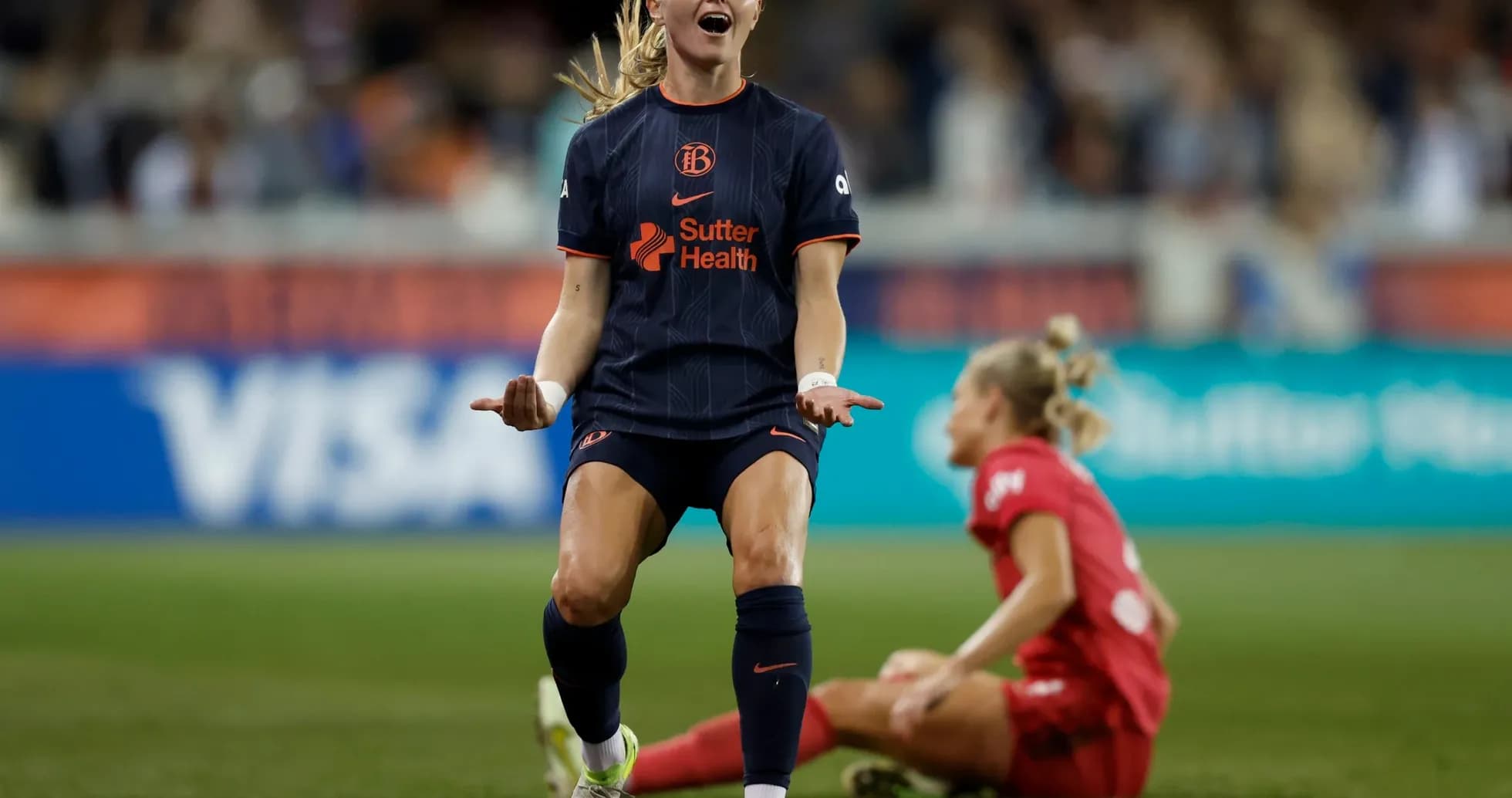
Kansas City W Edges Bay FC W in NWSL Showdown
Under the lights at PayPal Park, this Group Stage meeting in the NWSL Women finished with a narrow 2–1 win for Kansas City W, but the story of the night was written in the structures and fault lines of two very different seasons.
Bay FC W came into this fixture marooned in 15th place on 22 points after 22 matches, their overall goal difference at -8, the product of 22 goals scored and 30 conceded. At home they had been fragile: 11 goals scored and 14 allowed across 11 matches, a home average of 1.0 scored and 1.3 conceded. Kansas City, by contrast, arrived as a playoff-chasing side in 7th with 37 points from 23 games, their overall goal difference a positive 5 (37 for, 32 against). The split in their personality was stark: dominant at home, vulnerable on their travels. On their travels they had 3 wins, 1 draw and 8 defeats, scoring 11 and conceding 22, an away average of 0.9 goals scored and 1.8 conceded.
Both coaches mirrored each other on the board, choosing a 4‑2‑3‑1, but the systems carried different intentions. Bay’s version was about survival and transition; Kansas City’s about control and overloads in the half-spaces.
Bay's Formation
For Bay, Jordan Silkowitz in goal was protected by a back four of S. Collins, H. Gilchrist, J. Anderson and J. Nighswonger. The full-backs were asked to be brave, stepping into midfield to support possession, but that risk left space behind for Kansas City’s mobile front line. In front of them, the double pivot of C. Hutton and H. Bebar was the emotional and tactical core. Hutton, already one of the league’s leading yellow-card collectors with 5 bookings this season, again played on the edge: an aggressive screen who steps into duels, intercepts and recycles. Her season numbers – 50 tackles, 31 interceptions, 189 duels with 108 won – explain why Bay trust her to hold the middle alone at times, but also why they live dangerously in the card stakes.
Ahead of them, T. Huff, C. Girelli and A. Pfeiffer formed the narrow band of three, floating between lines to feed lone forward K. Lema. Huff, who has already been sent off once this season and carries a combined yellow/red history, is a classic chaos midfielder: she presses high, breaks into the box and is unafraid to foul when counter-pressing is beaten. For Bay, that edge is necessary; they have kept 6 clean sheets overall, but they also concede an overall average of 1.4 goals per match, and they rely on disrupting rhythm more than calmly defending zones.
Silkowitz’s presence is equally central to Bay’s identity. Across the season she has conceded 21 goals and made 67 saves, a shot-stopper who often keeps Bay in matches longer than their underlying numbers suggest. Her red card earlier in the campaign underlines the desperation that sometimes creeps into Bay’s last line: this is a team that defends with emotion as much as structure.
Kansas City's Formation
Kansas City’s 4‑2‑3‑1, on the other hand, was a platform for their stars. M. Bova in goal sat behind a back four of L. Rouse, I. Gemelli, K. Sharples and I. Rodriguez. The centre-backs are functional rather than flamboyant, but they benefit from a double pivot that understands tempo: L. LaBonta and V. DiBernardo. LaBonta, the metronome, drops between the centre-backs to start build-up; DiBernardo connects the lines, stepping ahead of pressure to find the attacking trio.
That trio is where Kansas City become a playoff-calibre side. On the right, M. Cooper; on the left, H. Hopkins; and in the central pocket, Croix Bethune, the league’s standout creator. Bethune’s season numbers are elite: 4 goals and 9 assists, 623 passes with 30 key passes, 42 tackles and 24 interceptions. She is not just a No. 10; she is the side’s first presser and final passer. Her 228 duels with 124 won and 85 dribbles attempted with 46 successful speak to a player who constantly asks questions between the lines.
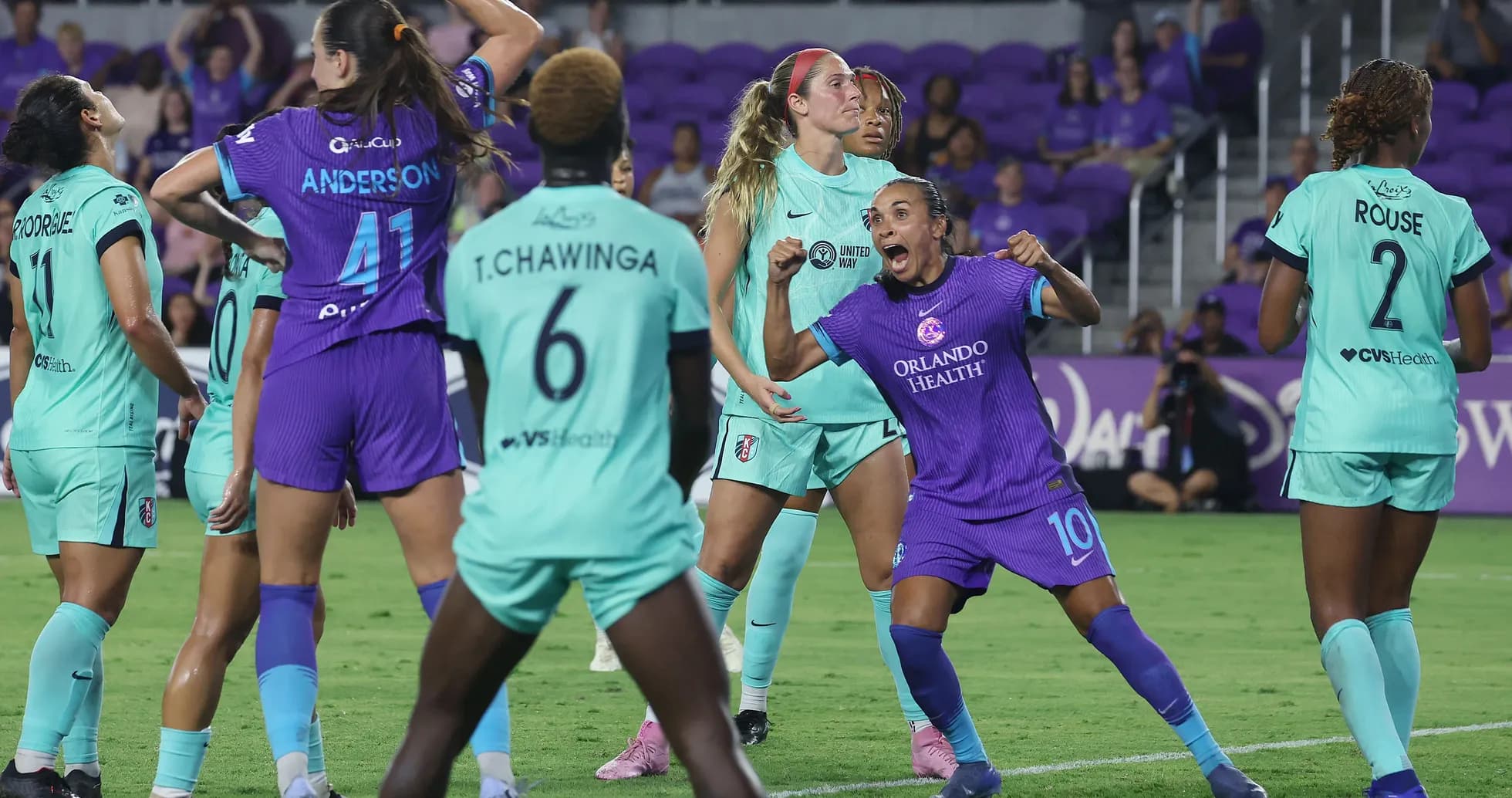
Ahead of them, Debinha led the line, dropping off to link and dragging Bay’s centre-backs into uncomfortable territory. Even without top scorer T. Chawinga in this particular lineup, Kansas City’s attacking threat remained multifaceted, with Bethune and Hopkins both among the league’s leading contributors. Hopkins, with 5 goals and 3 assists this season, offers direct running and aerial presence, while also contributing defensively with 34 tackles and 10 interceptions.
Disciplinary Profiles
The disciplinary profiles of both squads shaped the game’s rhythm. Bay are one of the league’s more combustible sides: their yellow-card distribution shows a late-game surge, with 23.53% of bookings arriving between 61–75 minutes and another 23.53% between 76–90. Add three red cards across the campaign – including one each for Aldana Cometti and Silkowitz – and you have a side that often finishes matches under duress. Kansas City, by contrast, have been relatively clean in terms of reds, but their yellow-card pattern is revealing: 26.32% between 31–45 minutes and another 26.32% in the final quarter-hour, a team that pushes the edge just before and just after half-time.
That intersection of tendencies was crucial here. Bay, who concede an overall average of 1.4 goals and often wobble late, faced a Kansas City side that scores an overall average of 1.6 per match and has the tools to punish lapses. Even though Kansas City’s away attack has been modest at 0.9 goals per match, their structural superiority and individual quality in the final third tilted the balance. The 1–1 scoreline at half-time suggested parity, but over 90 minutes Kansas City’s pressing and combination play between Bethune, Hopkins and Debinha forced Bay deeper and eventually broke them.
From a statistical prognosis, the outcome aligned with the broader season arcs. Bay’s overall average of 1.0 goal scored per match simply leaves them too little margin for error given their defensive concessions and disciplinary volatility. Kansas City, despite their away frailties, carry enough attacking ceiling and creative depth to outstrip that. Even without explicit xG data, the shot volume, chance creation and season-long scoring rates point towards Kansas City generating the higher-quality opportunities.
Following this result, the tactical narrative is clear. Bay’s 4‑2‑3‑1 has a spine – Silkowitz, Hutton, Huff – but it operates on a knife-edge of fouls and fatigue. Kansas City’s mirrored shape, anchored by LaBonta and DiBernardo and elevated by Bethune’s artistry and Hopkins’ work rate, is built for the playoff race. On nights like this, the difference between survival football and contender football is not just in the scoreline, but in the calm assurance of a system that knows exactly how it wants to win.