Johan Martínez Assaulted at Gunpoint: A Shocking Incident for Deportivo Cali
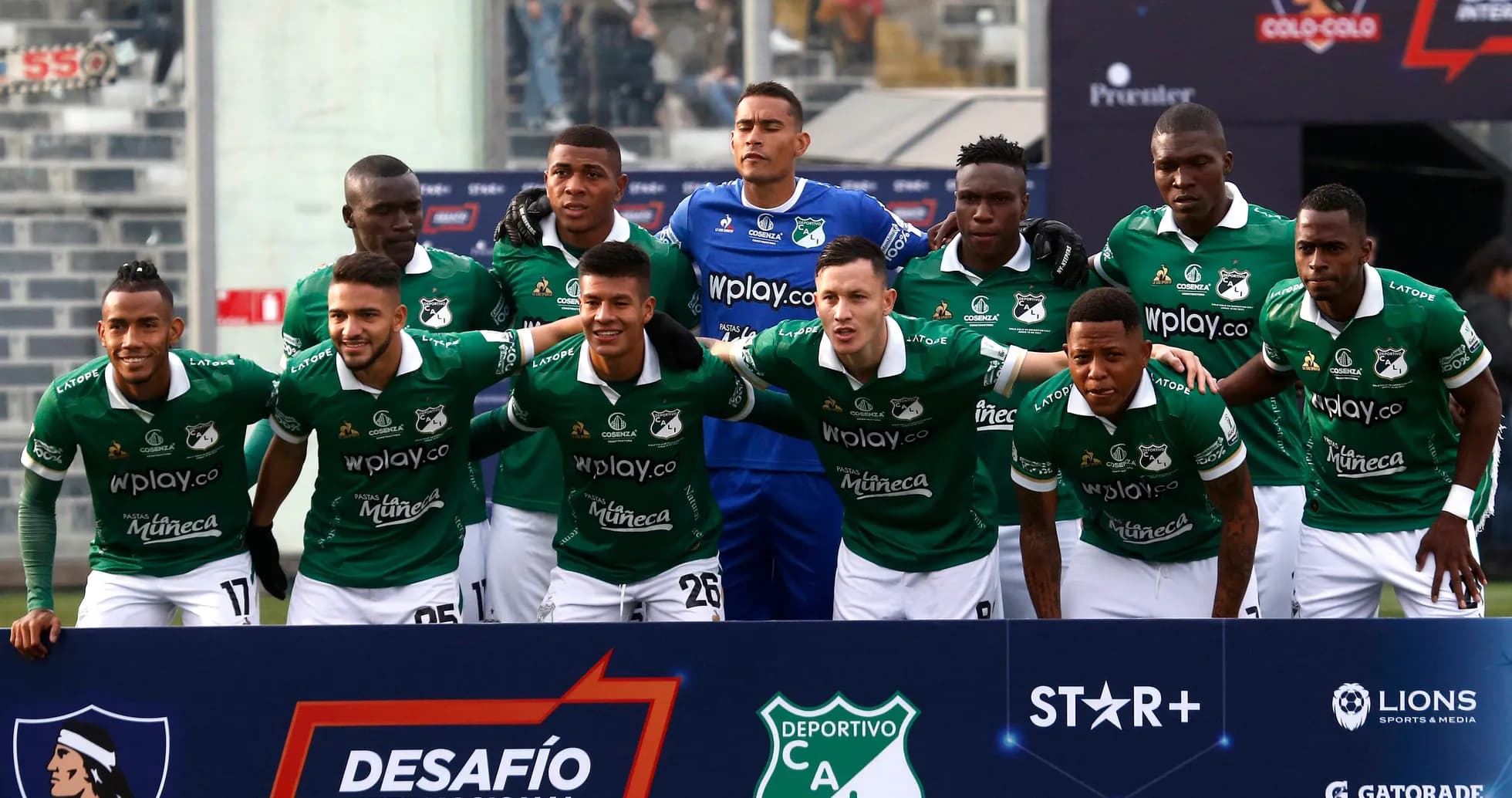
Deportivo Cali has been rocked by a violent armed attack on midfielder Johan Martínez, who was assaulted and threatened at gunpoint in Cali while travelling with his family.
Spanish outlet Marca reported that Martínez was ambushed by alleged club supporters as he moved across the city, a terrifying incident that has once again dragged Colombian football’s security crisis into the spotlight. The player and his relatives were held up and intimidated, turning an ordinary journey into a traumatic ordeal.
Deportivo Cali moved quickly. The club’s hierarchy issued a strong, unambiguous statement, denouncing the attack and throwing their full weight behind the 20-year-old and his loved ones.
“Club Profesional Deportivo Cali S.A. categorically rejects the acts of violence and intimidation to which our player was subjected yesterday. Our institution expresses its full support and solidarity with Johan and his family. No form of aggression, threat, or intimidation has a place in football or in our society,” the statement read.
Inside the club, the anger is raw. Legal director Felipe Restrepo laid bare the seriousness of the incident in an interview with Super Combo del Deporte.
“They intimidated him with a firearm, they assaulted him; this cannot happen, people who do this are not fans,” Restrepo said, drawing a clear line between genuine supporters and those using the club’s colours as cover for criminal acts.
The attack has reignited a fierce national debate: how safe are professional footballers and their families in Colombia right now? Violence around the sport has been on the rise, and Martínez’s case has become the latest symbol of a climate that many within the game consider unsustainable.
Inside Deportivo Cali, the response has gone beyond public statements. Club officials confirmed that Martínez has been given intensive psychological support to help him process the shock and emotional damage of the hold-up. The episode unfolded with his family present, deepening the mental scars even if, crucially, he escaped serious physical injury.
Despite the trauma, Martínez has already returned to first-team training, a decision that underlines both his determination and the need for some sense of normality in a deeply abnormal situation. His presence back on the pitch, though, does not erase what happened on the streets of Cali.
Away from the training ground, the club is now working hand in hand with judicial authorities and the Cali Police Department to identify those responsible and establish a clear motive for the ambush. The case has become a priority, with the institution pushing for answers and accountability.
All of this unfolds with a league fixture looming. The football does not stop. Yet the context around Deportivo Cali has shifted. Coaching staff now carry a different kind of responsibility: not just preparing a game plan, but holding together a dressing room that has watched one of its own come under armed threat.
The next match will test more than tactics or form. It will measure the squad’s psychological resilience and the club’s capacity to rally around a player whose life, and that of his family, was put at risk for wearing the wrong shirt in the wrong place.
For Deportivo Cali, and for Colombian football, the question is no longer whether this was an isolated incident. It is how long the sport can live with this level of danger before something even worse happens.