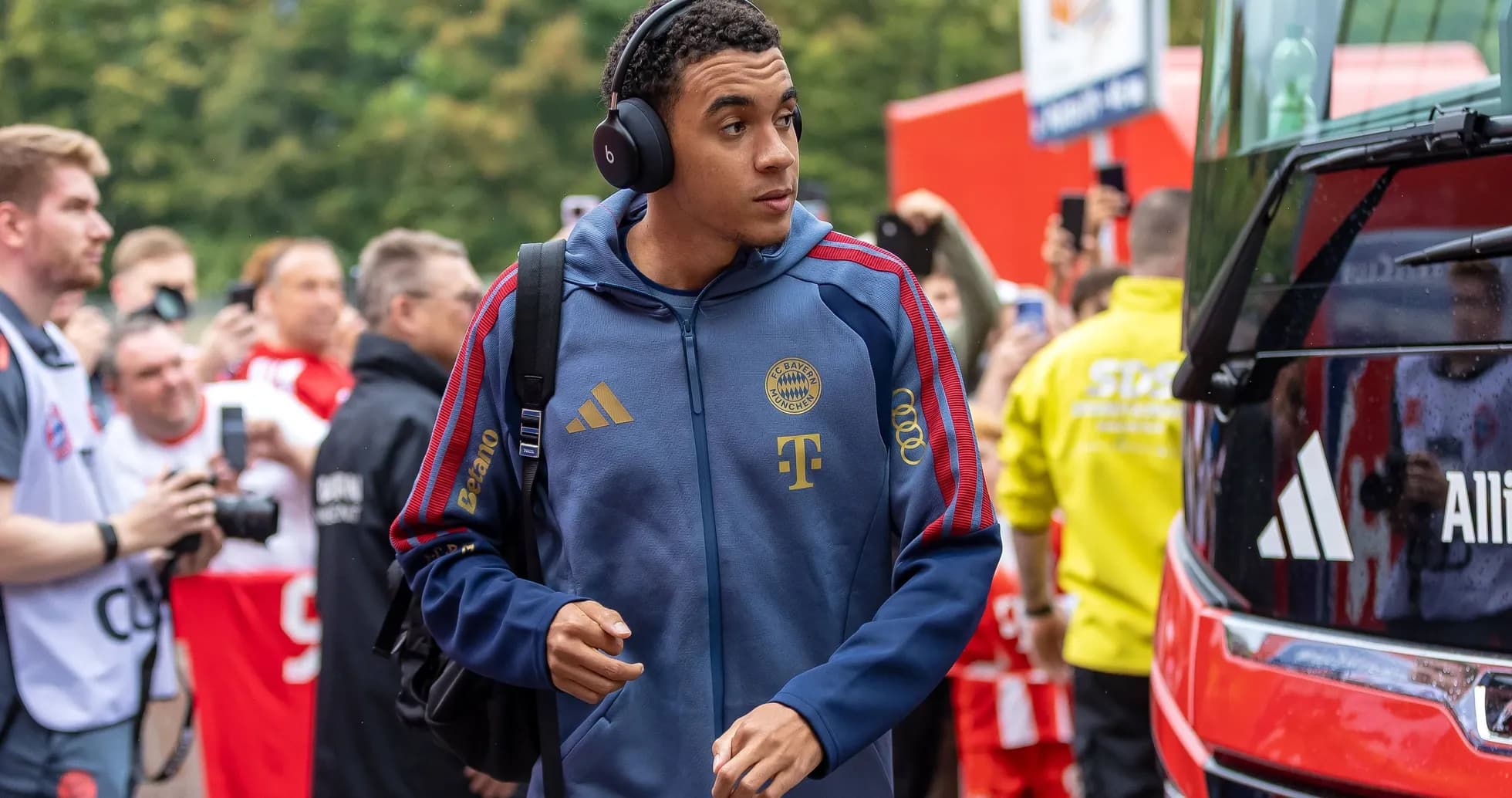
Jamal Musiala Reveals Neurological Condition Treatment
Jamal Musiala has revealed he is undergoing treatment for a neurological condition after collapsing twice on the pitch in the space of four days, but insists he is confident about continuing his career at the top level.
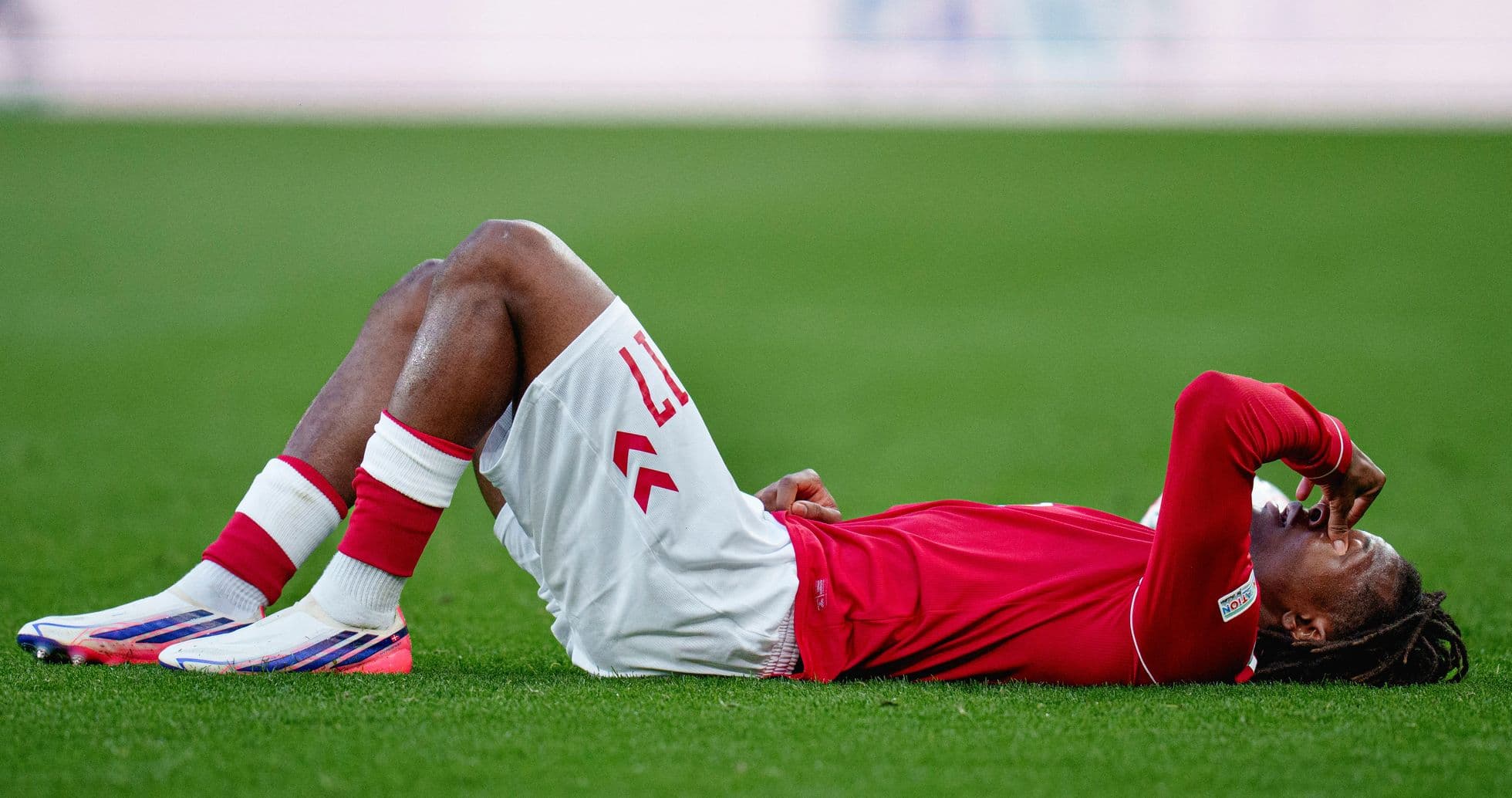
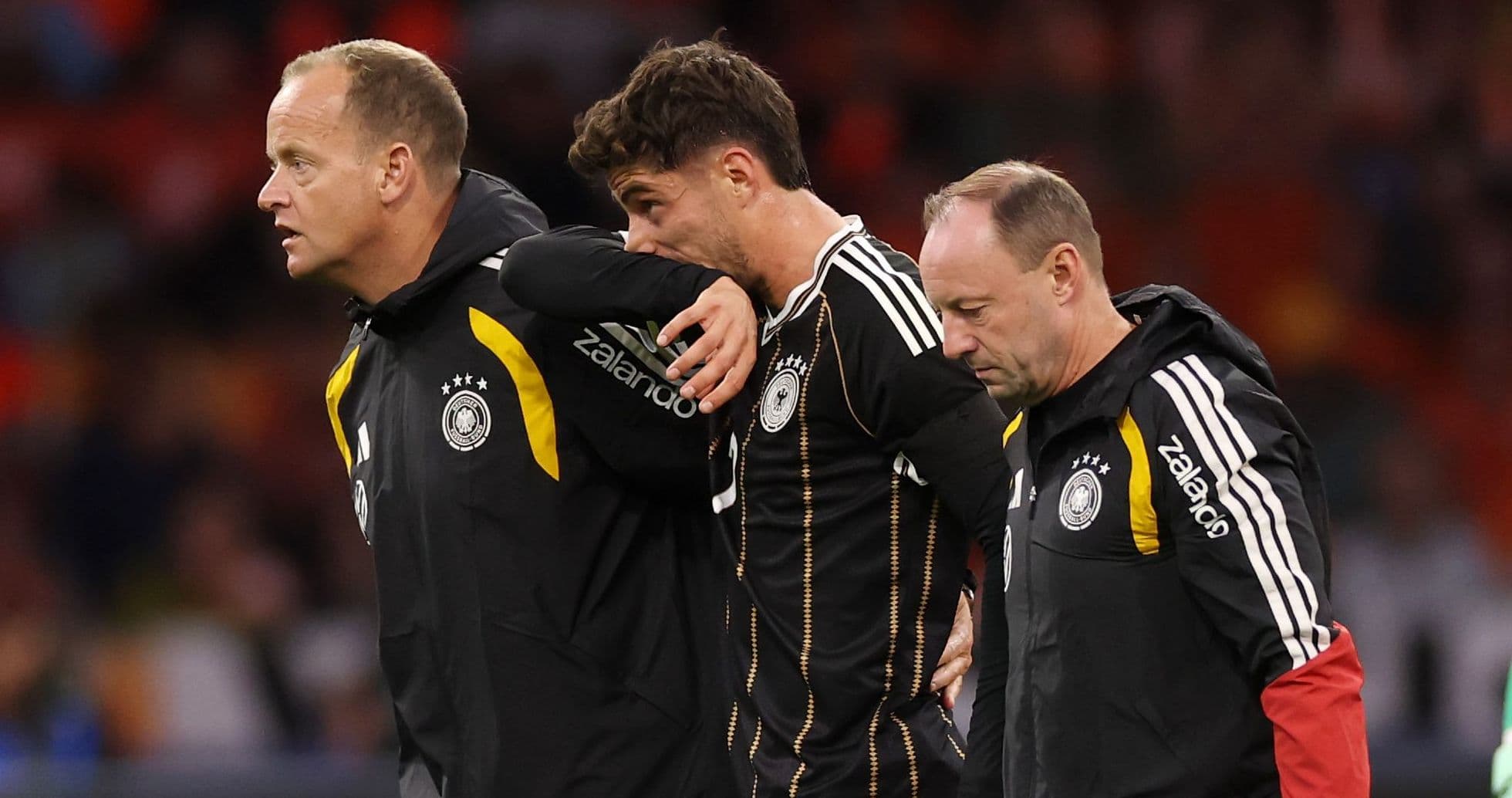
The Bayern Munich and Germany midfielder went down again during Bayern’s 4-2 friendly win over Heidenheim earlier this week, just six minutes after coming on as a substitute. Medical staff rushed on, helped him from the field and took him for immediate tests, the second such scare after a similar blackout against RB Leipzig in the Telekom Cup.
Two collapses. Four days. One of Europe’s brightest talents suddenly at the centre of a health alarm.
Musiala explains diagnosis
Musiala chose to address the situation himself. In a post on Instagram, the 23-year-old explained that doctors had “diagnosed [him] with brief, temporary but easily treatable episodes of absence, which are caused by a neurological dysfunction.”
He acknowledged the shock among fans but underlined his belief that this is a hurdle, not a stopping point. He wrote that he remains “optimistic” about his treatment and about continuing his career at the highest level.
The message calmed some of the immediate panic. It also put a name to what supporters had witnessed twice in less than a week.
Bayern play down career fears
German press agency DPA then checked the situation with Bayern sources. Their stance was clear: there is currently no indication that Musiala’s career is in danger.
Club insiders stressed that his appearances in the last two matches were “completely unproblematic” from a medical standpoint and had been thoroughly discussed with specialists beforehand. Every step, they said, had been cleared by experts.
What Bayern have not done is set a date. There is still no official timeline for his return to competitive action, and the club will wait on further assessments before making that call.
What are absence seizures?
The episodes Musiala described are known as absence seizures, historically referred to as “petit mal”. They are a form of epilepsy, typically split into typical and atypical types.
In typical absence seizures, a person suddenly stops what they are doing and seems to “switch off” for 10 to 20 seconds. They may stare blankly, sometimes with a brief upward flutter of the eyes, before snapping back and resuming normal activity, often with no memory of the moment.
According to the Epilepsy Foundation, these seizures are caused by “brief abnormal electrical activity in a person’s brain.” They can develop in adults and sometimes go undiagnosed for long periods. Some people, the foundation notes, can suffer “hundreds of brief absence seizures a day.”
Crucially for an elite athlete, the condition is generally considered manageable with targeted medical treatment and does not, in itself, rule out intense physical activity.
Bayern weigh risk and reward ahead of new season
All of this unfolds with Bayern’s season about to start. The German champions open their competitive campaign against Borussia Dortmund at Signal Iduna Park in the German Super Cup, rebranded this year as the Franz Beckenbauer Supercup.
After that, the Bundesliga title defence begins at home to VfB Stuttgart on Friday, August 28. It is the sort of stretch in which Musiala, at his best, would be central to Bayern’s attacking rhythm.
For now, the club’s stance is cautious. Officials and medical staff will monitor his response to treatment step by step before deciding when, and how quickly, to reintroduce him into competitive games.
Bayern know what Musiala can do with the ball at his feet. The question now is when they will feel safe unleashing him again.