Jamal Musiala's Health Scare: Diagnosis and Recovery Plans
Jamal Musiala’s latest scare did not come from a crunching tackle or a mistimed challenge. It came in a quiet, chilling moment on a summer afternoon in a friendly.
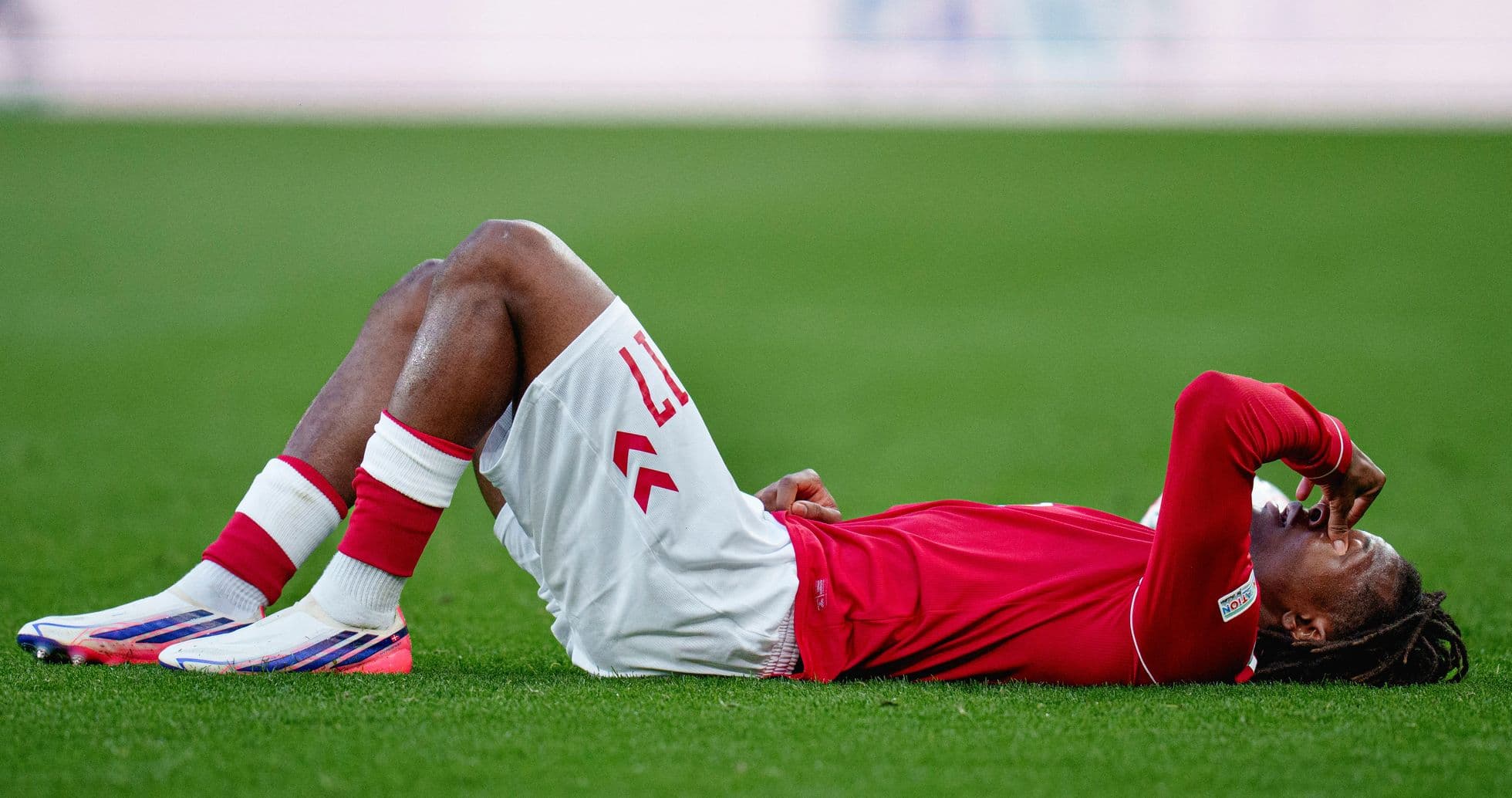
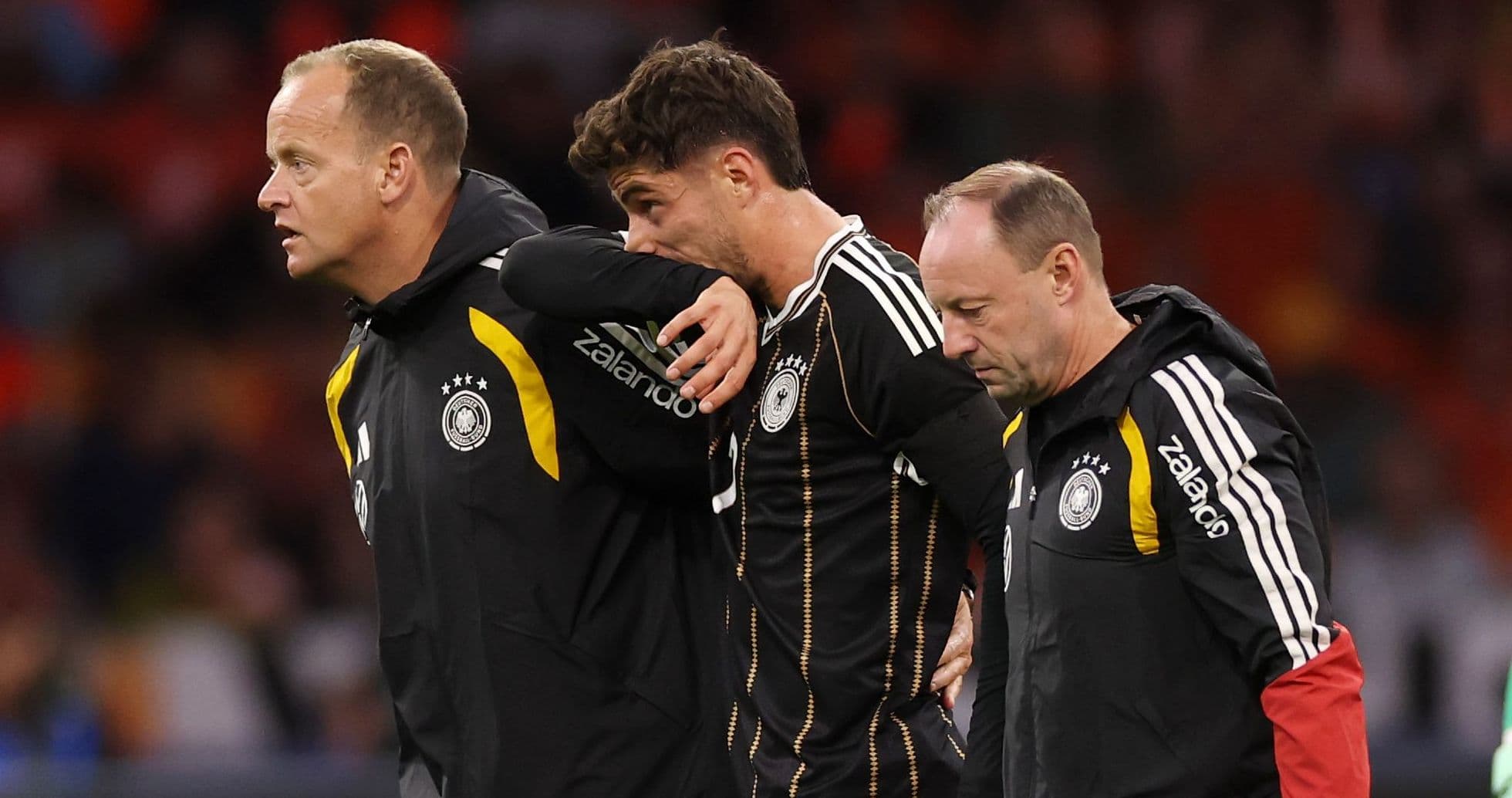
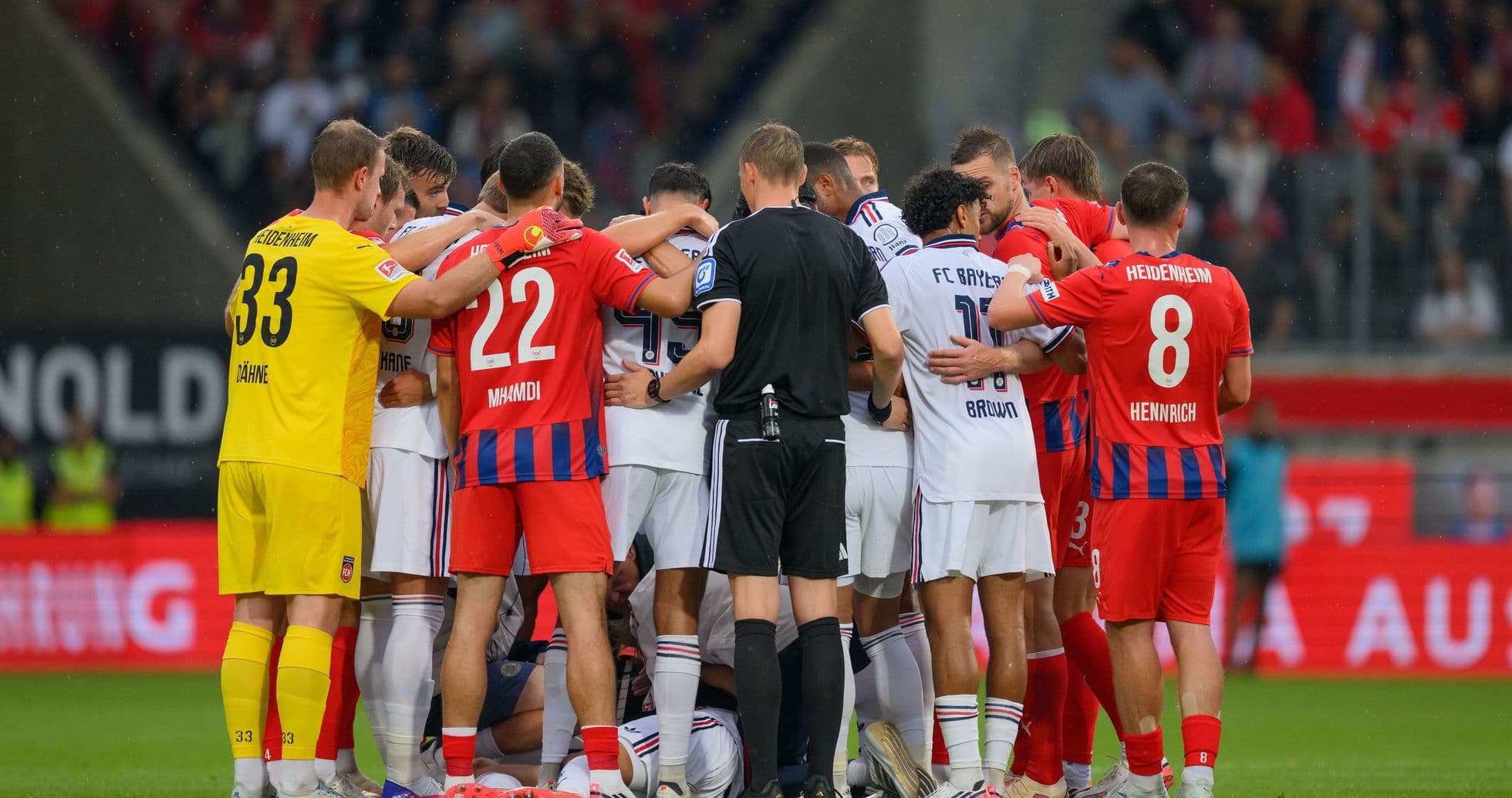
The Bayern Munich playmaker collapsed on the pitch for the second time in just four days, this time during a warm-up win over Heidenheim. The 23-year-old looked dazed, required immediate medical attention and was helped from the field – an unsettling repeat of the frightening episode he had suffered days earlier against RB Leipzig.
For a player whose game is built on balance, vision and control, those brief moments of unresponsiveness felt like the ground giving way.
Diagnosis and expert concern
Bayern moved quickly. Sporting director Max Eberl made it clear the club knew exactly how serious the situation was and that Musiala would not face it alone. Behind the scenes, the focus turned to tests, scans and specialist opinions.
Musiala then addressed the situation himself. In a statement, he revealed he has been diagnosed with temporary, brief absence seizures caused by a neurological dysfunction. The term is clinical. The reality, as the images from the pitch showed, is jarring.
To shed light on what this means, German outlet BILD spoke to Prof. Christoph Kleinschnitz, head of neurology at the University Hospital Essen. His assessment underlined both the gravity and the manageability of the condition.
“From a neurological perspective, this could potentially be an epileptic seizure. It could be a form of absence epilepsy, as symptoms such as brief periods of unresponsiveness are consistent with it,” he explained. He stressed that a firm conclusion would depend on the full results of Musiala’s neurological examinations.
Then came the line Bayern fans needed to hear.
“It is highly treatable, but would require long-term therapy. Musiala can continue playing football.”
Another battle after brutal injuries
This is not the first major obstacle Musiala has faced in the last year. His momentum had already been badly disrupted.
During the Club World Cup against Paris Saint-Germain, he suffered a fractured fibula along with a dislocated and broken ankle – a brutal combination that wiped out a large portion of his 2025-26 season. For a young star on a rapid upward curve, it was a brutal halt.
He has spent months rebuilding: strength, sharpness, confidence. Just as he began to piece his rhythm back together, the neurological diagnosis arrived. A different kind of challenge. Less visible, but no less real.
Now his entire programme has to be recalibrated. The club’s medical staff must balance the final stages of recovery from serious orthopaedic damage with the demands of managing a neurological condition that requires careful, long-term treatment.
Career outlook and Bayern’s plans
The good news, echoed by experts, is that this condition is considered highly treatable and, with the right therapy, should not derail his career. That sentence changes everything for Bayern and for Musiala himself.
He is receiving top-level care, surrounded by specialists, club staff, family and friends. Those closest to him report optimism about his daily routine and treatment plan. The fear has not disappeared, but it has been framed – understood, monitored, controlled.
Inside Säbener Straße, the question now is not whether Musiala will play again, but when and how often. Bayern want their No. 10 fully integrated as they launch another assault on trophies at home and in Europe. He remains central to their vision of how they should look with the ball: daring, unpredictable, incisive.
Yet the timing of his return will not be dictated by fixture lists or external pressure. It will be decided by medical green lights, by test results, by the confidence of doctors who must be certain that every precaution has been taken.
Until that moment comes, Bayern wait. Germany waits. And Musiala, one of the brightest talents of his generation, stands at a delicate crossroads: not between football and retirement, but between risk and responsibility as he fights to ensure that the next time he drops to the turf, it is in celebration, not in concern.