Inter vs Hellas Verona: A Clash of Footballing Identities
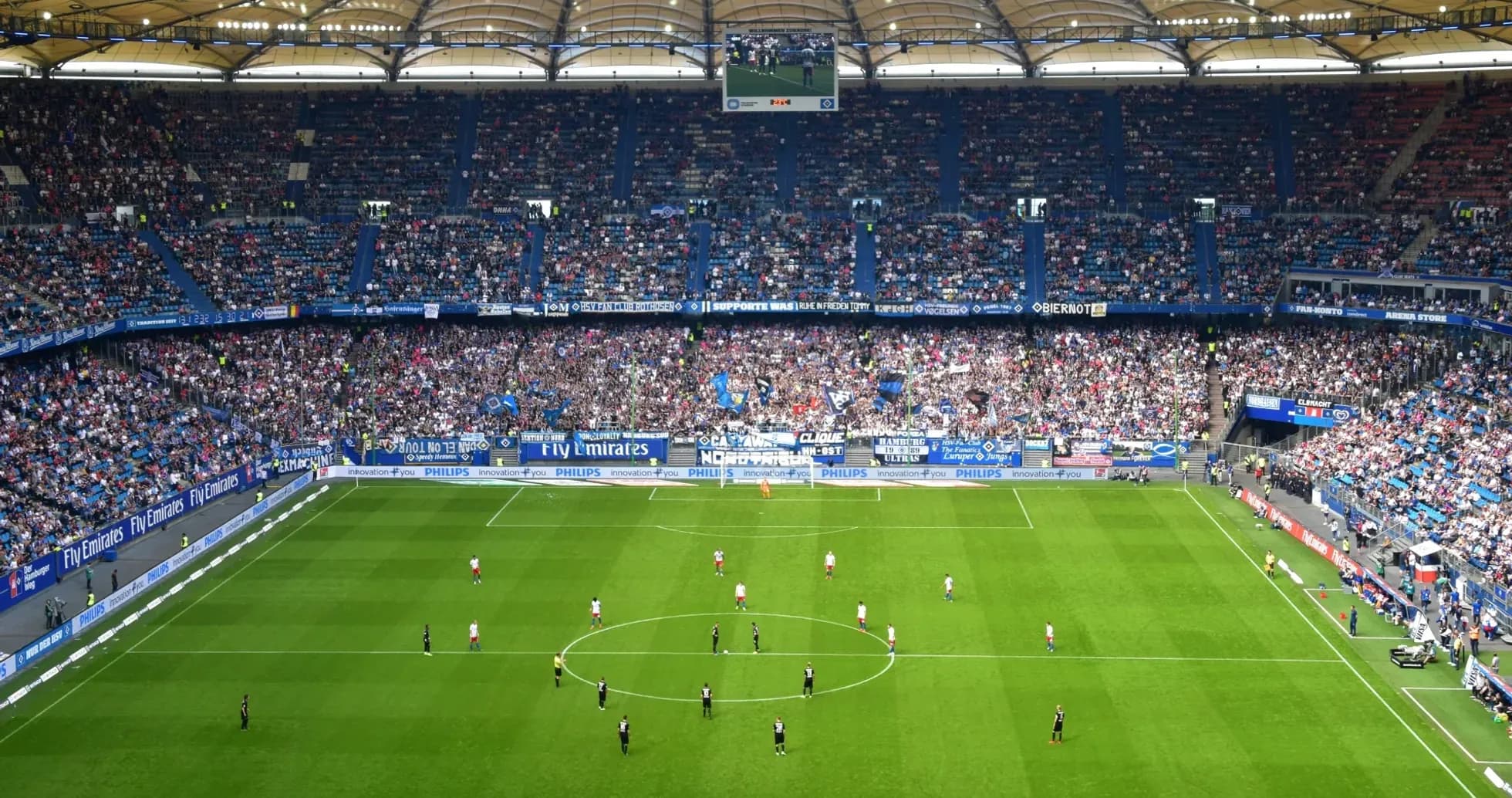
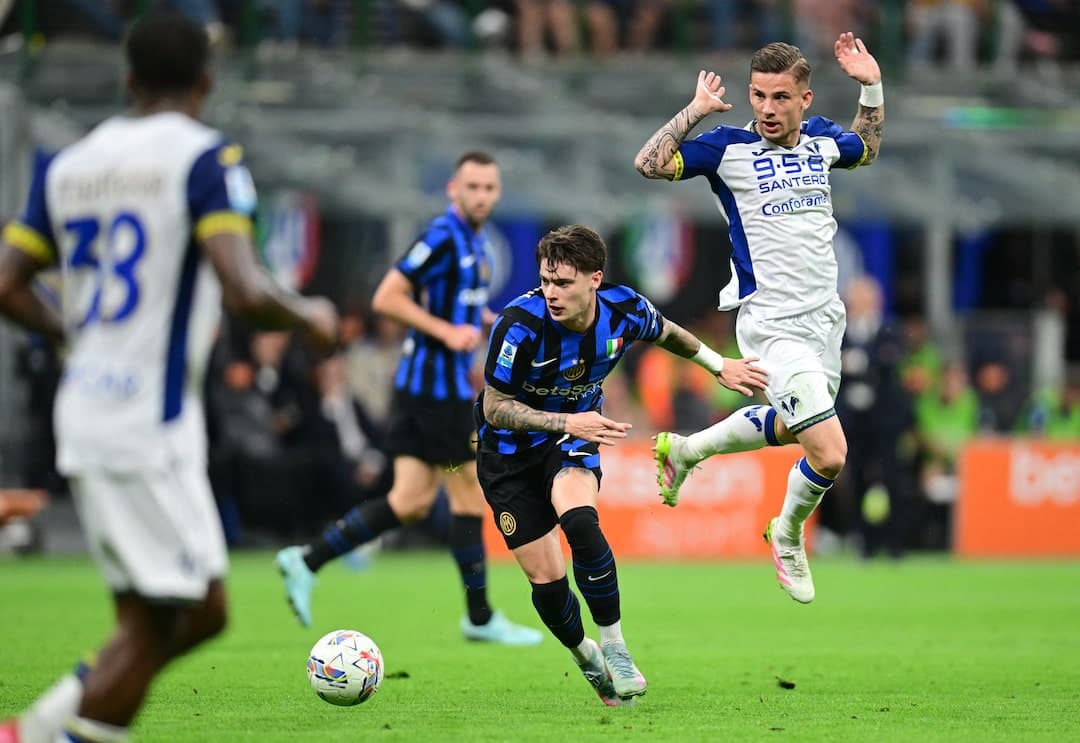
Under the grey May sky of Milan, Stadio Giuseppe Meazza hosted a meeting that said as much about a season’s arc as it did about ninety minutes: champions-elect Inter, already setting the standard in Serie A, against a Hellas Verona side clinging to the ledge in 19th. Following this result, the 1-1 draw felt like a collision between two very different footballing identities – one refined and dominant, the other desperate, rugged, and stubbornly alive.
Inter came into the game as the league’s benchmark. Overall this campaign they had taken 86 points from 37 matches, with a formidable goal difference of 54 (86 scored, 32 conceded). At home they had been ruthless: 14 wins from 19, scoring 50 and conceding just 16. The season-long statistics painted a side that not only controlled matches but bent time to their will – Inter’s goalsFor minute distribution showed a steady rise into a late-game surge, with 21.95% of their league goals arriving between 76-90 minutes, and another 18.29% between 61-75. They were a team that finished strongly and often broke opponents in the closing stretch.
Hellas Verona, by contrast, lived at the other end of the table and the spectrum. Heading into this game they were 19th with 21 points from 37 matches, their overall goal difference a bleak -34 (25 scored, 59 conceded). On their travels they had won only 2 of 19, scoring 13 and conceding 33. Their goalsFor average of 0.7 both at home and away underlined a chronic lack of punch, while a goalsAgainst average of 1.7 away spoke of a side that spent most afternoons under siege. Crucially, 28.57% of their conceded goals came in the 76-90 minute window – exactly where Inter usually went for the throat. On paper, the intersection was brutal: Inter’s late-game storm against Verona’s late-game collapse.
Match Narrative
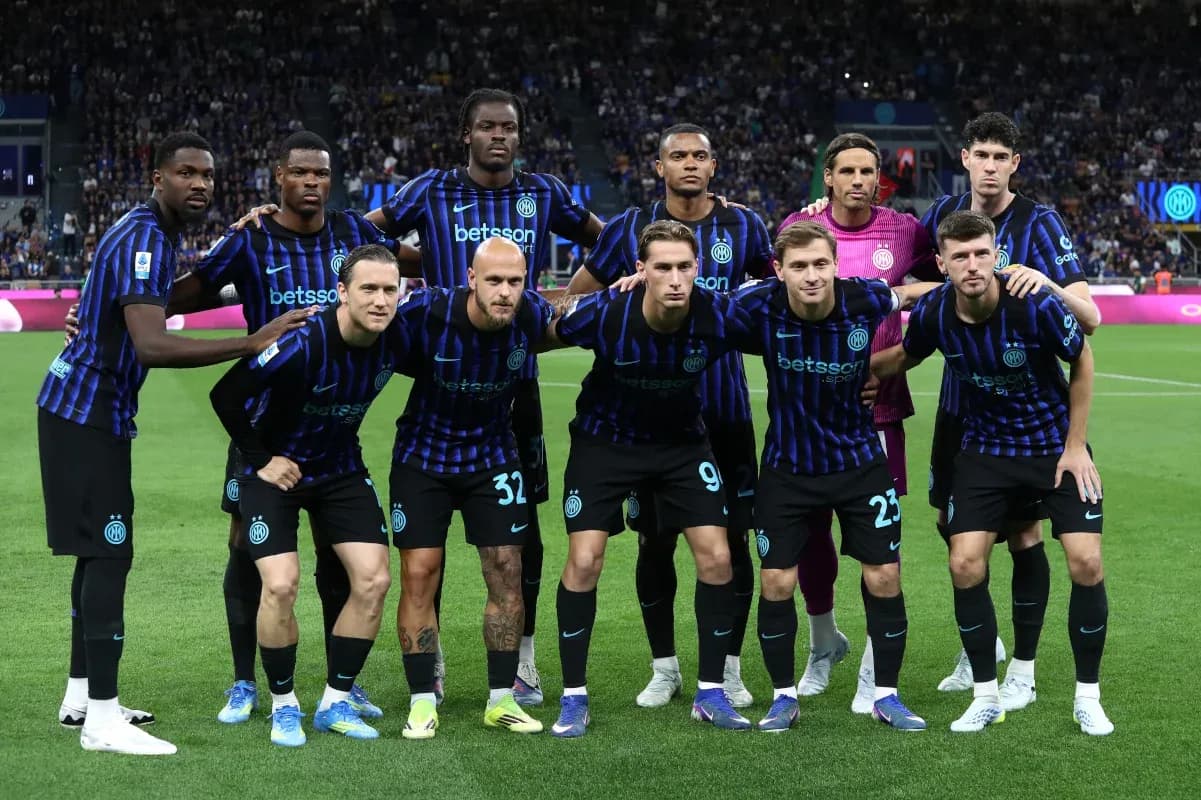
Yet the match narrative began with the lineups, and with Cristian Chivu’s choices. Inter stayed loyal to their structural identity, rolling out the familiar 3-5-2 that had been used in all 37 league outings. Y. Sommer anchored a back three of M. Darmian, S. de Vrij and F. Acerbi, a unit built more on reading of the game than raw pace. Ahead of them, the wing corridors were entrusted to Luis Henrique and Carlos Augusto, with A. Diouf, P. Sucic and H. Mkhitaryan forming a central trio that, on paper, offered more vertical running and box-to-box energy than the usual metronomic control of H. Calhanoglu and N. Barella, both on the bench.
Up front, A. Bonny partnered L. Martinez. Lautaro Martínez, the league’s standout forward, came into the fixture with 17 goals and 6 assists in Serie A, plus 69 total shots and 39 on target. His statistical profile – 37 key passes, 42 dribble attempts, 19 successful – underscored a striker who does far more than finish. He was Inter’s hunter-in-chief, the focal point around which everything bent.
Paolo Sammarco answered with resistance rather than ambition, naming a 5-3-2 that was less a formation than a trench. L. Montipo stood behind a back five of M. Frese, N. Valentini, A. Edmundsson, V. Nelsson and R. Belghali. The numbers told you what this meant: Verona’s season had been about survival work – blocks, duels, last-ditch defending. Frese, for example, arrived with 79 tackles, 10 blocked shots and 28 interceptions; a defender conditioned to suffer.
In midfield, R. Gagliardini, S. Lovric and A. Bernede formed a combative triangle. Gagliardini, one of Serie A’s leading yellow-card collectors with 10 bookings, 73 tackles and 54 interceptions, was the enforcer in the “engine room” – his brief clear: disrupt Inter’s rhythm, even at disciplinary cost. Up front, T. Suslov and K. Bowie were less a traditional strike pair and more the first line of a press, tasked with stretching transitions when Verona could finally breathe.
Absences and Impact
The absences only deepened Verona’s underdog status. D. Mosquera (knee injury), G. Orban (inactive), D. Oyegoke (injury) and S. Serdar (knee injury) were all listed as “Missing Fixture” for this game. Orban’s absence was particularly significant: 7 league goals and 2 assists, plus 61 shots and 28 on target, had made him one of Verona’s rare sources of end-product. Stripping that from an attack already averaging only 0.7 goals per game turned the visitors into an almost purely defensive project.
Inter, by contrast, had luxury rather than scarcity. From the bench, Chivu could call on M. Thuram – 13 goals and 6 assists, 56 shots, 29 on target – and creative fulcrums like Calhanoglu and Barella. Calhanoglu’s 9 goals, 4 assists, 41 key passes and 90% pass accuracy, plus a penalty record of 4 scored and 1 missed, defined him as the conductor. Barella, with 8 assists and 72 key passes, was the perpetual motion inside-right, capable of shifting the tempo with one surge or one pass.
Disciplinary Profiles
The disciplinary profile of both sides hinted at a combustible undercurrent. Inter’s yellow cards peaked late, with 30.65% between 76-90 minutes, mirroring their late intensity. Verona’s card map was more scattered but aggressive: 23.26% of yellows between 46-60, and a red-card distribution that spiked at the end of games (50.00% of reds between 76-90). This was a team that often finished matches frayed and on the edge.
Tactical Analysis
Tactically, the “Hunter vs Shield” duel was straightforward: Lautaro Martínez and, if introduced, M. Thuram, against a Verona defence that conceded 1.7 goals per game away and 28.57% of those in the final quarter-hour. Inter’s season-long pattern of 2.6 goalsFor at home and 0.8 goalsAgainst at home suggested a one-sided xG landscape, with Inter expected to pin Verona back and rack up chances, especially as fatigue set in.
In midfield, the “engine room” clash pitted Inter’s technical craft against Verona’s attrition. Should Calhanoglu and Barella step in from the bench, they would face the raw defensive volume of Gagliardini and potentially J. Akpa Akpro, another Verona midfielder with 39 tackles, 7 blocked shots and 20 interceptions but 9 yellow cards. The contrast was stark: Inter’s midfielders shape games; Verona’s destroy them.
Result Reflection
Following this result, the 1-1 scoreline felt like an outlier against the statistical tide. Inter’s overall goalsFor average of 2.3 and goalsAgainst average of 0.9, combined with Verona’s 0.7 for and 1.6 against, would have pointed to a home win and a clear xG advantage for the champions. Instead, Verona’s low block, collective suffering and emergency defending managed to bend probability for one afternoon.
In narrative terms, though, the squads told the story. Inter’s depth, late-game power and technical superiority remain the league’s gold standard. Verona’s selection, thinned by key absences and reliant on high-card, high-contact midfielders and embattled defenders, embodies a team built to cling on rather than to climb. Over a season, the numbers rarely lie – and even this brave point in Milan sits as a defiant exception within a brutally honest statistical truth.