Genoa vs AC Milan: Serie A Clash Highlights
The evening at Stadio Luigi Ferraris closed on a familiar note: Genoa brave, combative, but ultimately undone by the cold efficiency of a top‑end Serie A side. AC Milan’s 2–1 win in Genoa, in Round 37 of the 2025 Serie A season, was less about spectacle and more about hierarchy being reasserted.
Following this result, the table tells a blunt story. Genoa sit 14th with 41 points, their goal difference of -9 the product of 41 goals scored and 50 conceded overall. Milan, by contrast, travel back north entrenched in 3rd place on 70 points, with a goal difference of 19 from 52 goals for and 33 against. One team has spent a season firefighting; the other has spent it managing expectations of Champions League football.
I. The Big Picture – Structures and Season DNA
Daniele De Rossi rolled the dice with a 4‑3‑2‑1, a shape Genoa have used only once overall this campaign. It was a bolder, more expansive twist for a side whose season has largely been built on back‑three pragmatism. J. Bijlow anchored the back line behind a defensive four of J. Vasquez, S. Otoa, A. Marcandalli and M. E. Ellertsson. Ahead of them, the midfield triangle of M. Frendrup, Amorim and R. Malinovskyi was tasked with both screening and launching transitions, while T. Baldanzi and Vitinha floated behind lone striker L. Colombo.
Heading into this game, Genoa’s season profile was clear: 10 wins, 11 draws and 16 defeats in 37 matches, with an overall scoring average of 1.1 goals for and 1.4 against per game. At home, they had been marginally more productive, averaging 1.2 goals scored and 1.4 conceded. It is the profile of a side constantly living on the edge – rarely blown away, but rarely dominant.
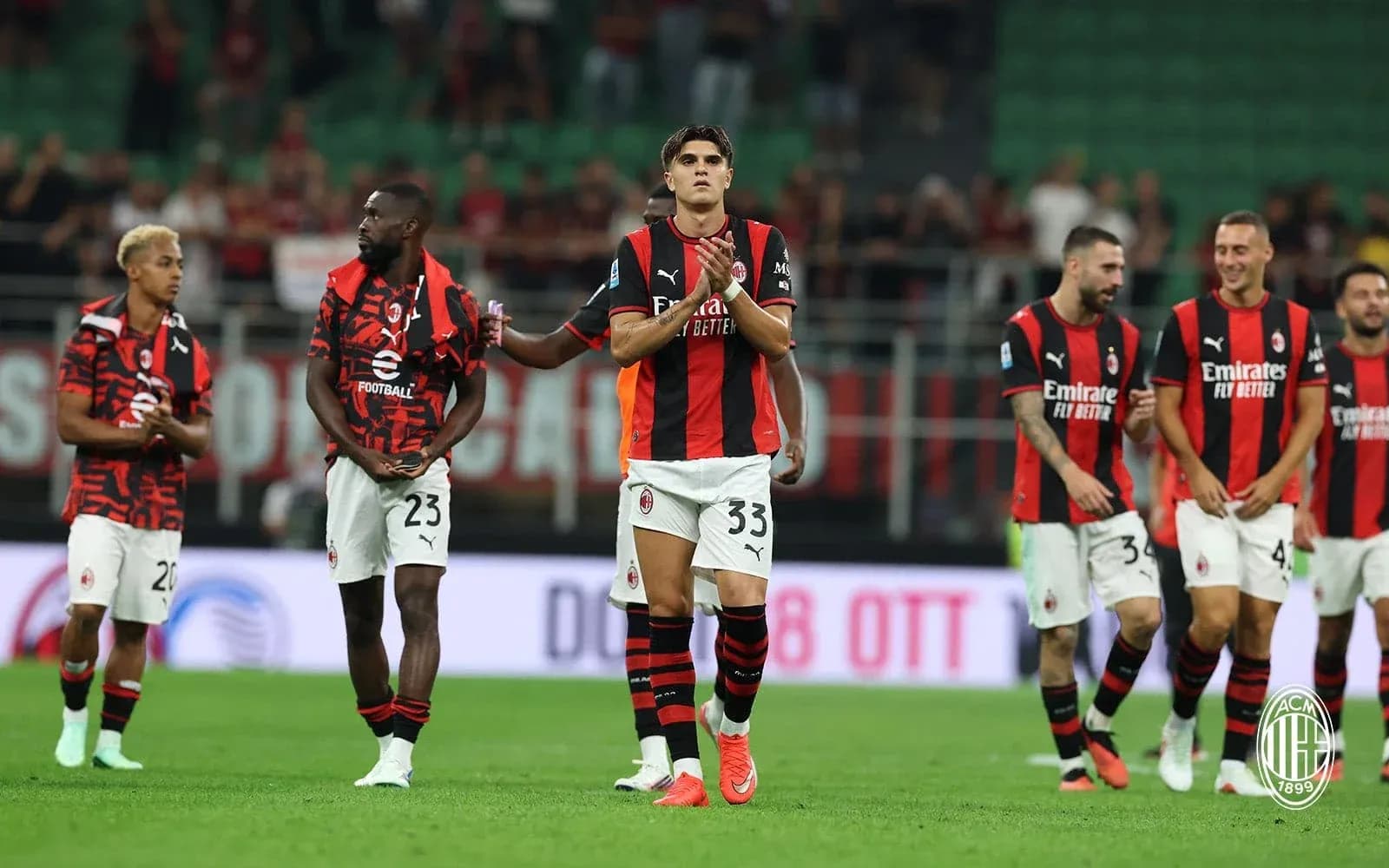
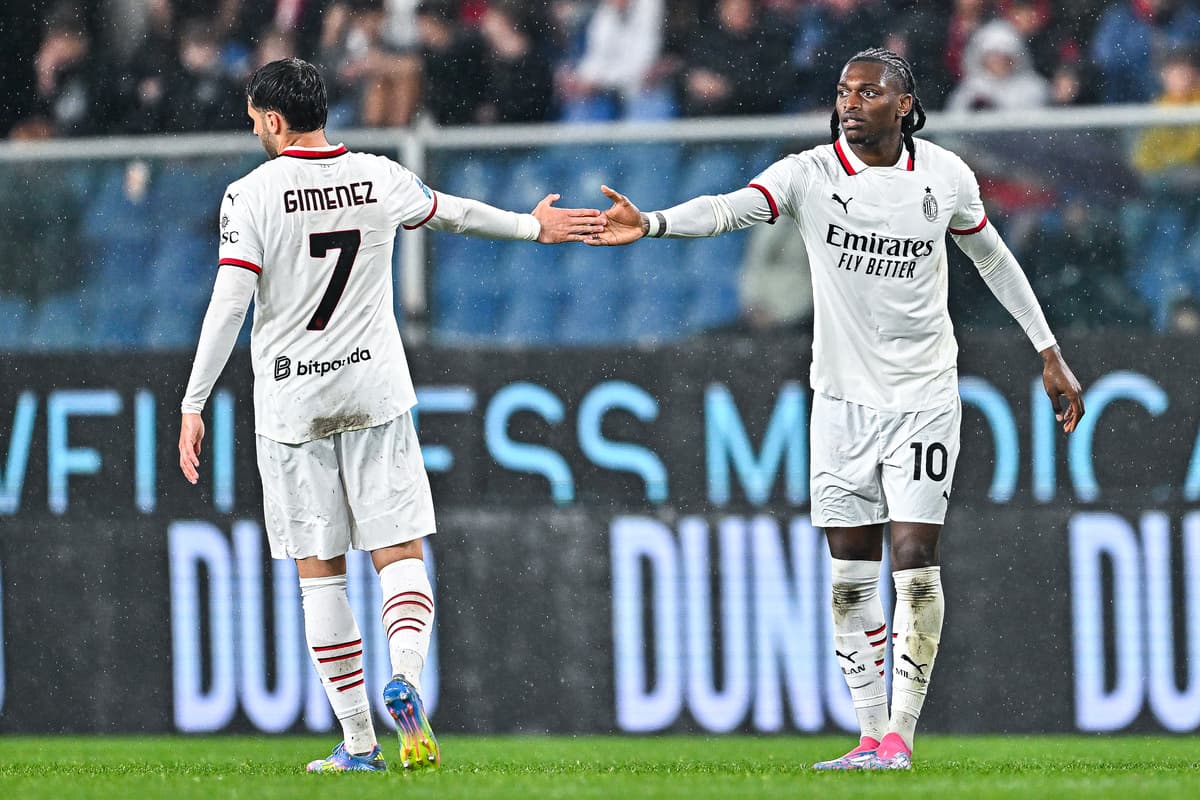
Massimiliano Allegri, in contrast, doubled down on Milan’s season-long identity with a 3‑5‑2, the formation they have used 33 times overall. M. Maignan sat behind a back three of S. Pavlovic, M. Gabbia and F. Tomori, with D. Bartesaghi and Z. Athekame stretching the pitch as wing‑backs. The central band of A. Rabiot, A. Jashari and Y. Fofana provided the control, while S. Gimenez and C. Nkunku formed a mobile, pressing front two.
Milan arrived with the numbers of an elite unit: 20 wins from 37, scoring 1.4 goals per game overall while conceding only 0.9. On their travels, that attacking edge sharpened further – 1.5 goals scored away on average, with just 0.7 conceded. Eight away clean sheets underline how comfortable they are managing games on hostile turf.
II. Tactical Voids – Absences and Discipline
Both coaches were forced into significant re‑wiring by absences. Genoa were stripped of width and depth by the losses of M. Cornet and Junior Messias (both muscle injuries), B. Norton‑Cuffy (thigh injury), J. Onana (injury) and L. Ostigard (knock). De Rossi’s decision to abandon the back three and trust Vasquez and Otoa as a central pairing, with Ellertsson and Marcandalli wide, was almost imposed by those missing pieces. Without natural wing‑backs, Genoa’s usual ability to flood the flanks was compromised.
For Milan, the bans of P. Estupiñán, R. Leao and A. Saelemaekers due to yellow cards forced Allegri into a more workmanlike selection. Without Leao’s vertical chaos, the front line leaned more on the structured movement of Gimenez and Nkunku, supported by Rabiot’s late surges and Athekame’s width. The absence of Estupiñán – who has already collected a red card this season – removed one of Milan’s more aggressive ball‑carriers on the flank, nudging Allegri towards a slightly more conservative wing‑back profile.
Discipline has been a defining subplot of both campaigns. Genoa’s yellow‑card distribution shows a real spike between 61–75 minutes, where 25.40% of their cautions arrive, hinting at a team that often frays just as matches enter the decisive phase. Milan, by contrast, peak even later: 25.81% of their yellows come in the 76–90 minute window, a sign of a side that pushes the physical and tactical limits while closing games out.
III. Key Matchups – Hunter vs Shield, Engine Room vs Enforcer
The “Hunter vs Shield” duel here was structural rather than individual. Genoa’s attacking burden was spread across Vitinha, Baldanzi and Colombo, but the season’s creative heartbeat remains R. Malinovskyi and, from deeper, Aarón Martín. Malinovskyi, who started in midfield, has 6 goals and 3 assists overall, but he also carries 10 yellow cards – a playmaker who lives on the edge of confrontation. His duel zones against Milan’s central block of Rabiot, Jashari and Fofana defined much of Genoa’s attacking ceiling.
On the Milan side, the absent Leao still loomed in the narrative. His 9 goals and 3 assists overall, backed by 45 shots and 20 key passes, normally provide the vertical threat that pins back full‑backs. Without him, more creative responsibility naturally shifted towards profiles like C. Pulisic off the bench – a player with 8 goals and 4 assists overall, 38 total shots and 38 key passes, but who has also missed 1 penalty this season. That miss matters in the psychological ledger: Milan’s overall penalty record is perfect this campaign (7 scored from 7, 0 missed), but Pulisic individually has failed from the spot once in league play.
The “Engine Room” clash was brutally compelling. On one side, Malinovskyi’s 1,217 passes and 39 key passes overall, his 235 duels and 30 tackles, make him Genoa’s all‑purpose metronome. On the other, Rabiot and Jashari were tasked with smothering his space, while Fofana stepped out to disrupt Baldanzi between the lines. Every Genoa surge depended on Malinovskyi finding an angle; every Milan counter hinged on that pass being intercepted or rushed.
From wide, the latent threat of Aarón Martín – introduced from the bench – was another subplot. With 5 assists overall and 60 key passes, plus 11 successful blocked shots defensively, he represents Genoa’s best crossing outlet and one of their most diligent defenders. His presence late on tilted Genoa’s shape towards a more familiar back‑three/back‑five hybrid, allowing Vasquez to step out and Ellertsson to push higher.
IV. Statistical Prognosis – Why Milan’s Edge Endured
Following this result, the numbers still explain why the match tilted red and black. Genoa, with 9 clean sheets overall and 14 matches where they failed to score, live on fine margins. Their biggest home win is 3–0, but they have also suffered a 0–3 at home – a volatility that mirrors their form line of short winning and losing streaks.
Milan, meanwhile, combine control and ruthlessness. Fifteen clean sheets overall, only 7 defeats in 37, and a defensive average of 0.7 goals conceded away form the backbone of a side that can suffer, then strike. Even without their headline winger, they had enough structure and depth – from Gimenez’s penalty‑box craft to Nkunku’s movement and the option of Pulisic and N. Fullkrug from the bench – to turn pressure into goals.
In tactical terms, this was a meeting between a side still discovering what it wants to be under De Rossi and a side already fully fluent in Allegri’s 3‑5‑2 grammar. Genoa’s 4‑3‑2‑1 offered promise, especially when Malinovskyi and Baldanzi found pockets, but over 90 minutes Milan’s superior defensive solidity and away efficiency told.
The 2–1 scoreline feels almost archetypal for both seasons: Genoa competitive but punished, Milan measured and clinical. As the curtain draws on the campaign, this match reads like a condensed version of their respective journeys – one club clinging to safety, the other fine‑tuning for the Champions League stage.