Atalanta vs Bologna: A Tactical Analysis of Serie A Clash
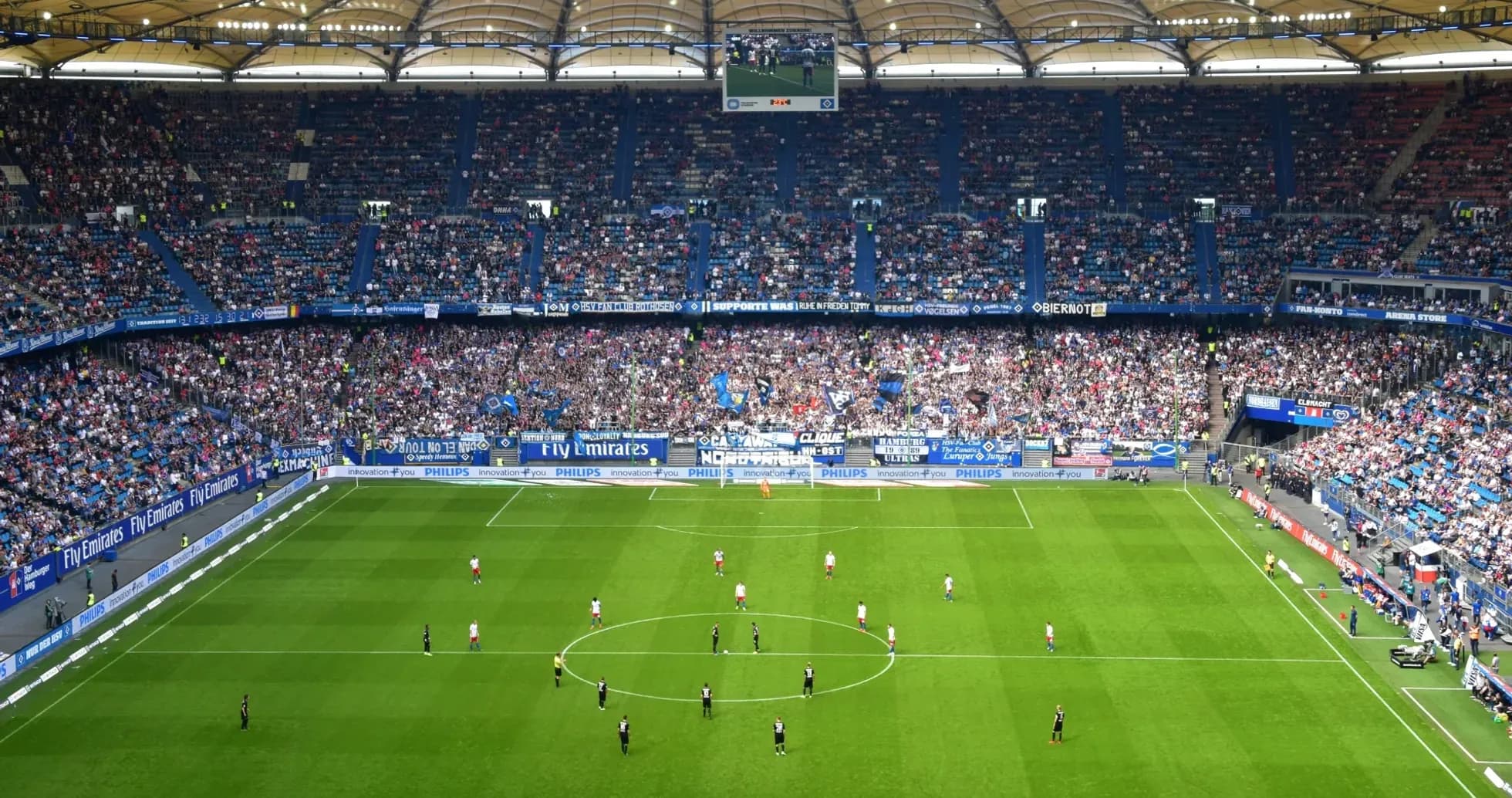
The New Balance Arena closed its Serie A season under a slate-grey Bergamo sky, and by full time the story was a familiar one: Atalanta’s structure and possession without incision, Bologna’s ruthlessly efficient away machine stealing another victory on their travels. Following this result, the 1-0 away win locks the table into a tight knot: Atalanta in 7th on 58 points, Bologna just behind in 8th on 55, two sides whose seasonal identities could hardly be more different.
I. The Big Picture – Two Identities, One Fine Margin
Across the campaign, Atalanta have been a balanced, almost symmetrical side: in total they have scored 50 and conceded 35, a goal difference of +15, with their threat split evenly – 25 goals at home, 25 away. At home they average 1.3 goals for and 0.8 against, numbers of a team comfortable dictating territory and tempo.
Bologna, by contrast, are split in two. Overall they have scored 46 and conceded 43 (goal difference +3), but the real story lies in their away form. On their travels they have scored 30 and conceded 23, averaging 1.6 goals for and 1.2 against, and winning 10 of 19 away fixtures. New Balance Arena was simply the latest stage for a side that has learned to live off hostile atmospheres.
The tactical shapes reflected those identities. Atalanta stayed loyal to their season-long blueprint, a 3-4-2-1 that has been used in 33 league matches. Bologna, whose most common setup has been a 4-2-3-1, came here in a more assertive 4-3-3, signalling they were not content to simply absorb.
II. Tactical Voids – Who Was Missing, and What It Meant
The absences subtly rewrote both game plans.
Atalanta’s back line was shorn of depth and experience. I. Hien missed out through yellow-card suspension, O. Kossounou through a thigh injury, and L. Bernasconi with a knee problem. That thrust the young H. Ahanor into the back three alongside G. Scalvini and B. Djimsiti. Without Hien’s aggression in duels and Kossounou’s recovery pace, Atalanta’s 3-4-2-1 became more cautious, the line a shade deeper, the wing-backs D. Zappacosta and N. Zalewski slightly less liberated to bomb on.
Bologna’s defensive core was even more disrupted. Centre-back J. Lucumi was suspended, while N. Casale and M. Vitik were sidelined with calf and ankle injuries respectively. K. Bonifazi was listed as inactive, further thinning the pool. That forced Vincenzo Italiano into a makeshift central pairing of E. Fauske Helland and T. Heggem, shielded by R. Freuler at the base of midfield. Ahead of them, the absence of N. Cambiaghi – out with a muscle injury despite being one of the league’s more dynamic wide creators and a player who has already seen red this season – removed a key outlet on the break.
Disciplinary trends framed the risk. Heading into this game, Atalanta’s yellow-card profile showed a pronounced late spike: 24.14% of their yellows arrive between 76-90 minutes, with another 15.52% in added time. Bologna are even more combustible late on, with 26.87% of yellows between 61-75 and 25.37% between 76-90. That shared tendency to fray under fatigue made control of the final quarter-hour tactically critical.
III. Key Matchups – Hunter vs Shield, Engine Room vs Engine Room
The headline duel was always going to be “Hunter vs Shield”: Atalanta’s front three against Bologna’s patched-up back four.
Nikola Krstović, one of Serie A’s joint top scorers for Atalanta with 10 goals and 5 assists in total, led the line. His season profile is that of a complete attacker: 75 total shots with 34 on target, 21 key passes, and 39 dribble attempts. Flanked by C. De Ketelaere and G. Raspadori, he formed a trident built on rotation and half-space overloads. De Ketelaere, in particular, has been Atalanta’s creative compass – 997 total passes, 62 key passes, 51 successful dribbles – operating between the lines as a roaming No.10.
Against them stood the improvised Bologna shield of Fauske Helland and Heggem, with Joao Mario and J. Miranda at full-back. Without Lucumi’s aerial dominance and Casale’s experience, Bologna’s centre-backs had to defend more space than Italiano would have liked. The plan, then, was to compress that space through the midfield triangle: Freuler sitting, with L. Ferguson and T. Pobega stepping out aggressively to disrupt Atalanta’s build-up.
In the “Engine Room” battle, the clash was equally compelling. Atalanta’s double pivot of M. De Roon and Ederson is constructed for control and counter-pressing. De Roon’s positional discipline allowed Ederson to surge forward, linking with De Ketelaere between the lines. Bologna’s response was to trust Freuler’s reading of the game – a familiar figure in Bergamo – to clog passing lanes into Krstović’s feet, while Ferguson’s late runs tried to drag Atalanta’s midfield backward.
On the flanks, Zappacosta and Zalewski sought to pin Bologna’s full-backs, but Italiano’s front three of F. Bernardeschi, S. Castro and J. Rowe worked diligently in reverse, turning the 4-3-3 into a compact 4-5-1 without the ball. The absence of Cambiaghi reduced Bologna’s one-vs-one threat on transition, but it also nudged them toward a more controlled, possession-friendly approach rather than pure counter-attacks.
IV. Statistical Prognosis – Why Bologna’s Template Worked
Heading into this game, the numbers suggested a narrow contest tilted slightly toward the hosts. Atalanta’s overall scoring rate of 1.4 goals per game, combined with 13 clean sheets in total and only 0.9 goals conceded on average, painted the picture of a side that usually finds a way. They had also been perfect from the spot this season, converting all 3 penalties with none missed, removing one classic source of variance.
Bologna, though, brought a different kind of edge. Their away scoring average of 1.6 goals per game, coupled with 5 away clean sheets and only 3 total failures to score on their travels, indicated a team that rarely leaves empty-handed. Their season-long penalty record – 5 scored from 5, with 0 missed – underlined a clinical streak in high-leverage moments.
Overlay those trends with the disciplinary data, and the late-game phase becomes decisive. Atalanta, prone to accumulating cards in the final 15 minutes, often see their structure fray just as Bologna’s away confidence peaks. With both teams’ xG profiles (inferred from their goals-for averages and shot volumes) hovering in the mid-range rather than explosive, the likeliest script was always a match decided by a single high-quality chance or a set-piece.
In the end, Bologna’s away template held: compact mid-block, calculated pressing triggers from Ferguson and Pobega, and just enough incision from the front three to carve out that one decisive moment. Atalanta’s 3-4-2-1 controlled much of the territory but, as their tally of 8 total failures to score this season hints, they can still drift into sterile domination when the box is crowded and the wing-backs are contained.
Following this result, the table confirms what the night suggested: Atalanta remain the more balanced, structurally coherent side over 37 matches, but Bologna’s sharper edge on their travels – and their capacity to execute a low-margin game plan – has turned them into one of Serie A’s most dangerous visitors.