Hartford Athletic and New Mexico United End in Tactical Stalemate
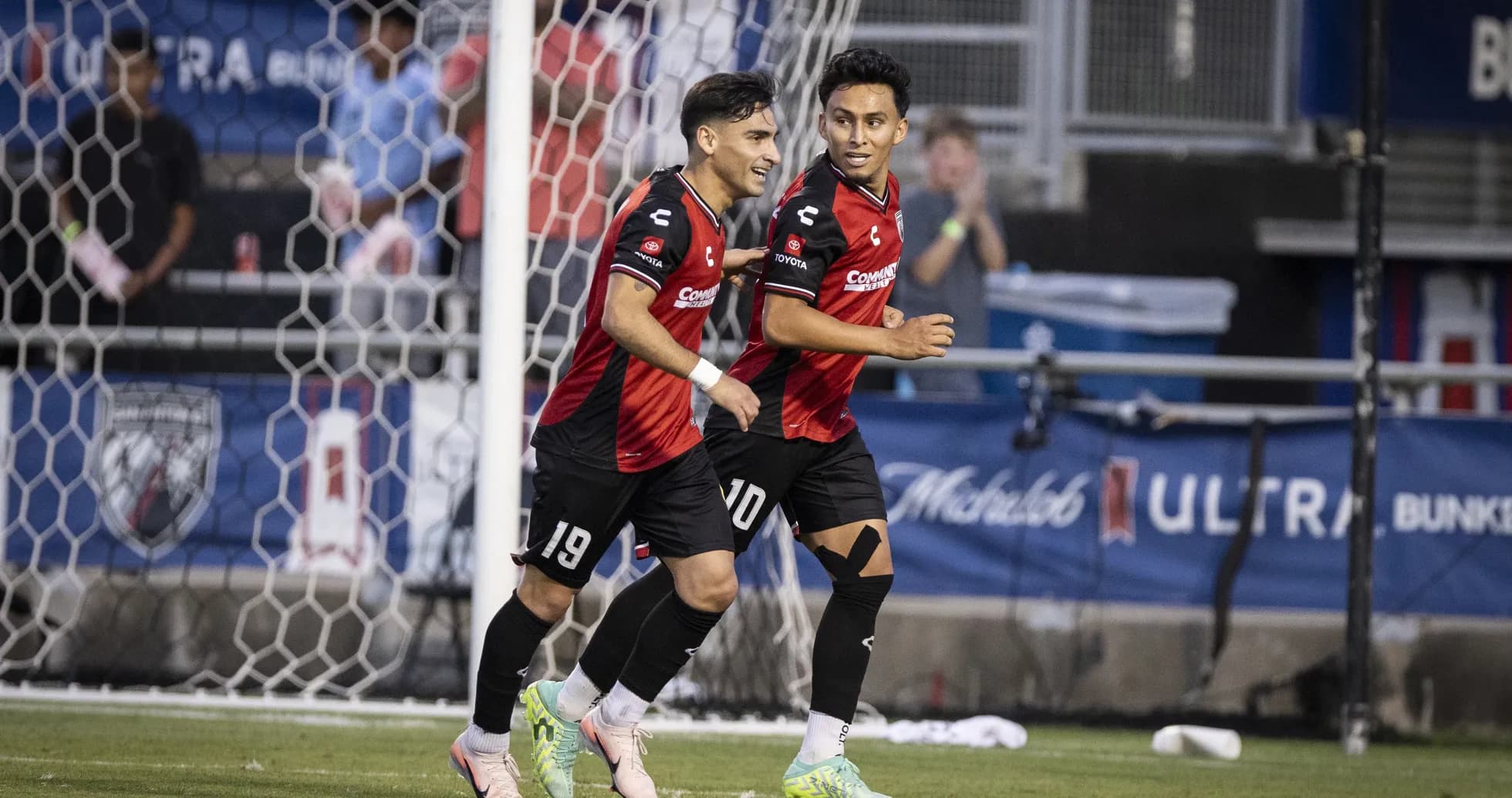
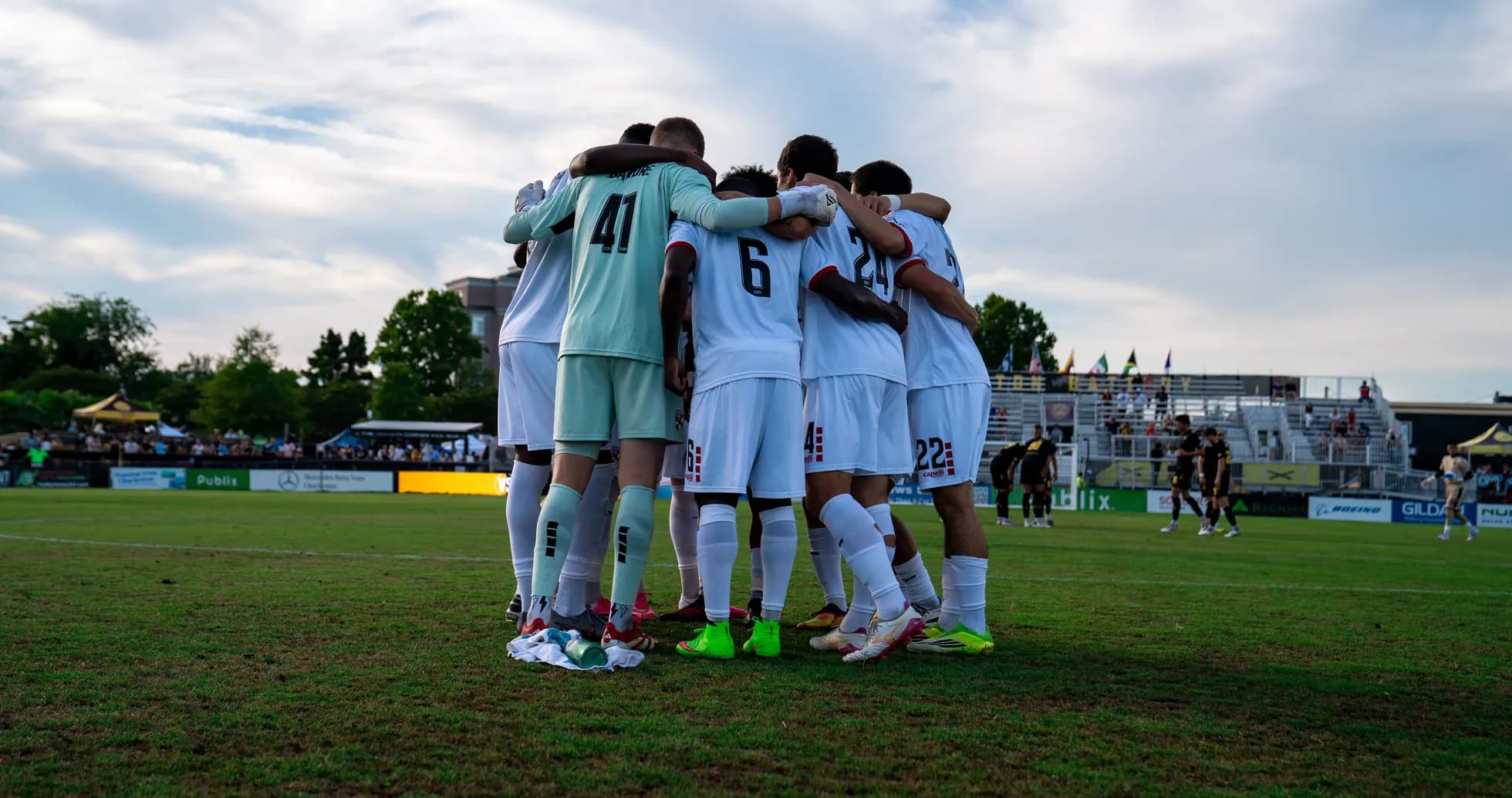
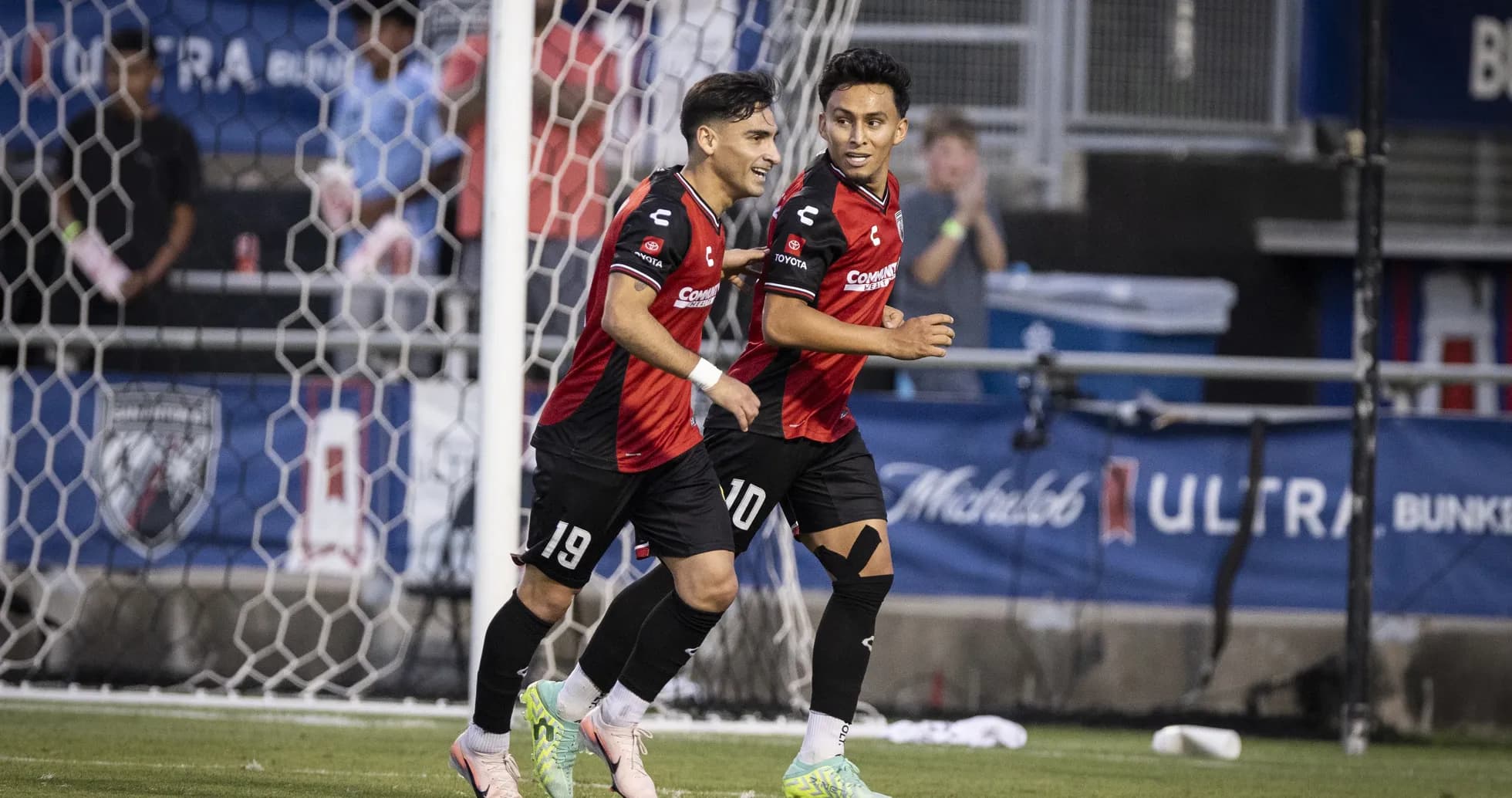
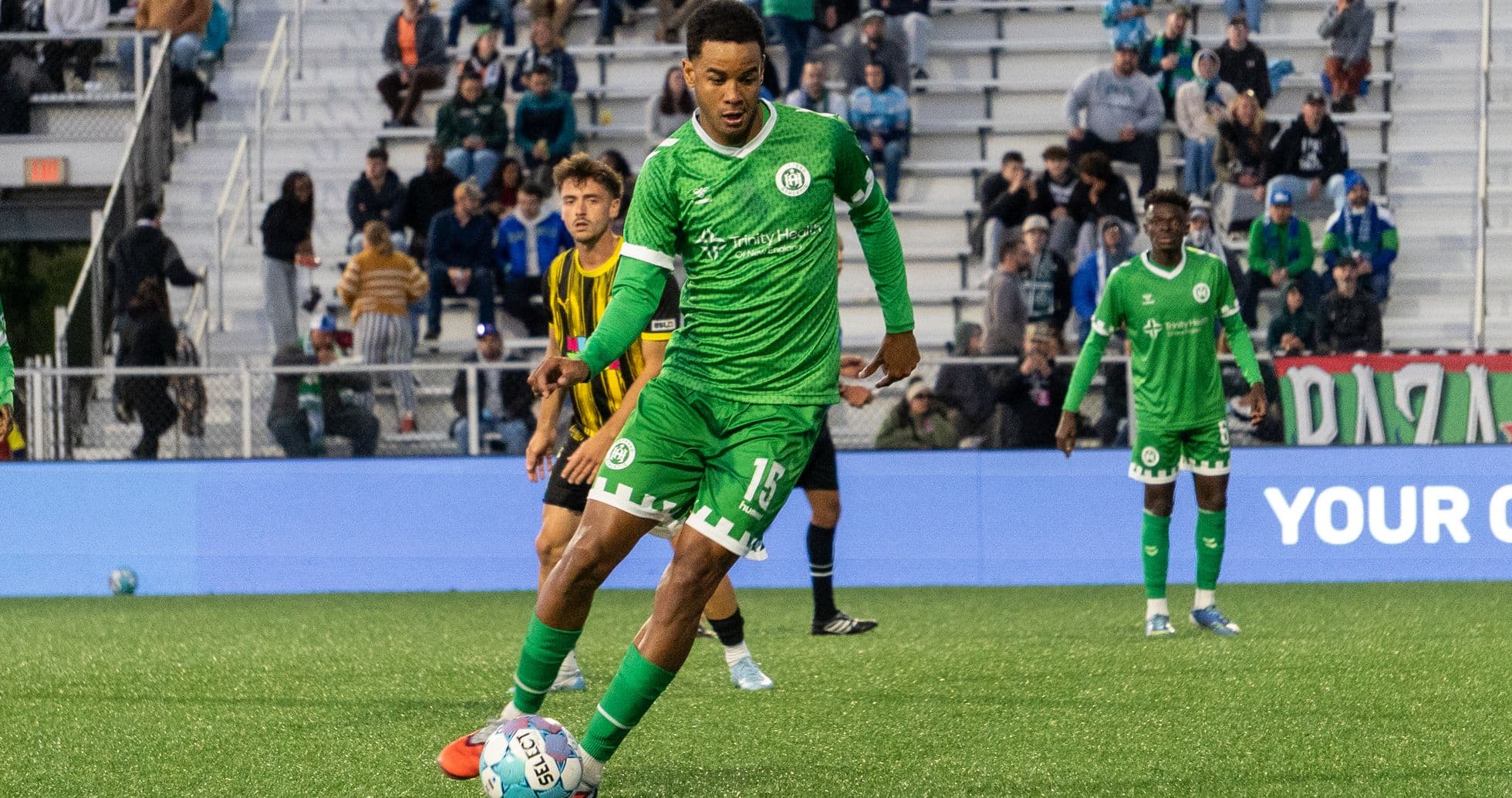
Under the Hartford lights at Trinity Health Stadium, two playoff-chasing sides met and cancelled each other out. Following this result, Hartford Athletic and New Mexico United remain locked on 14 points, their 0–0 draw as much a tactical arm-wrestle as a missed opportunity for separation in a congested USL 1 table.
I. The Big Picture – Cautious Contenders
This was a Group Stage fixture in the USL Championship season of 2026, but it carried the tension of a knockout tie. Both teams came in with identical goal differences of -1 overall, Hartford in 8th and New Mexico in 7th, each described as sitting in the promotion playoff lane. The numbers framed the narrative: Hartford had drawn 5 of their 10 matches overall, New Mexico had already lost 4, and both had struggled to find a consistent attacking rhythm.
Hartford’s seasonal DNA is that of a low-scoring, fine-margin side. Overall they average 0.9 goals for and 1.0 against per match, with just 3 wins and 5 draws from 10. At home, the pattern is even more conservative: 0.8 goals scored and 1.4 conceded on average, with a record of 1 win, 3 draws and 1 defeat. New Mexico arrive as a team split in two: at home they are vibrant, averaging 1.8 goals for, but on their travels they drop to just 0.4 goals scored per match, with 3 away defeats in 5.
The goalless full-time score felt like the statistical midpoint between Hartford’s blunt home attack and New Mexico’s anaemic away offense.
II. Tactical Voids – Risk Management and Discipline
With no official absentees listed, both Brendan Burke and Dennis Sanchez had their core groups available, yet both lineups hinted at pragmatism. Burke entrusted A. Siaha between the posts, shielding him with a defensive spine featuring J. Scarlett and B. Fischer, and a double layer of industry in B. Makangila and S. Anderson. Wide threat and transition speed were delegated to M. Ngalina and A. Williams, with B. Coffey and J. Moreira asked to stitch the lines.
New Mexico mirrored the caution. K. Shakes started in goal, protected by a back unit including K. Keller, N. Hamalainen and C. Gloster, while the midfield core of Z. Bailey, O. Jabang and D. Harris was built to compete first, create second. Ahead of them, the movement of J. LaCava and the guile of G. Hurst were intended to break Hartford’s structure without overcommitting.
Disciplinary tendencies shaped the edges of the contest. Heading into this game, Hartford’s yellow-card profile showed a clear spike after the interval: 21.43% of their yellows came in the 46–60 minute window, and another 21.43% between 76–90, plus a further 21.43% in added time (91–105). They also had red cards clustered late, with 50.00% of their reds between 76–90 and 50.00% in 91–105. That history explains why Hartford’s second-half pressing was aggressive but measured; the memory of late dismissals lurked behind every challenge.
New Mexico’s bookings were more evenly spread but still leaned toward the middle and late phases: 20.59% of yellows between 31–45, 23.53% between 61–75, and 17.65% from 76–90. The result was a match that simmered without boiling over, both teams keenly aware that one rash tackle could tilt a finely balanced table battle.
III. Key Matchups – Hunter vs Shield, Engine Room vs Enforcer
Without explicit goal tallies by player, the “Hunter vs Shield” narrative lived in the units rather than individuals.
For Hartford, the attacking “hunter” collective was led by the vertical running of A. Williams and the dribbling of M. Ngalina. Their job was to probe an away defense that, on their travels, had conceded 6 goals in 5 matches at an average of 1.2 per game. Yet New Mexico’s away profile is deceptive: while they concede steadily, they rarely open up, preferring to lose 1–0 or 3–0 rather than engage in shootouts. Here, Keller’s reading of the game and Hamalainen’s positioning were crucial, repeatedly stepping in front of early balls toward Williams and narrowing the channels Ngalina loves to attack.
On the other side, New Mexico’s attacking “hunter” unit – with Hurst drifting into pockets and LaCava stretching the line – faced a Hartford defense that is paradoxically more porous at home (1.4 goals against on average) than away (0.6). Siaha’s command of the area and Scarlett’s duels became the “shield.” Hartford’s five clean sheets overall this season, including two at home, underpinned the confidence with which they held their line and dared New Mexico to find a final pass they never quite produced.
In the “Engine Room,” the duel between Hartford’s central trio – Makangila, Anderson and Moreira – and New Mexico’s Bailey, Jabang and Harris decided the tempo. Hartford, with 6 matches this season where they failed to score, needed Moreira’s creativity to unlock a compact block. New Mexico, having failed to score in 4 matches overall, relied on Bailey’s ball-carrying to bridge midfield and attack. The outcome was a stalemate of attrition: Hartford’s enforcers disrupted, New Mexico’s engines recycled, but neither side consistently progressed through the thirds.
IV. Statistical Prognosis – A Draw Written in the Numbers
Following this result, the 0–0 feels less like an anomaly and more like a statistical inevitability. Hartford, overall, score 0.9 and concede 1.0 per match; New Mexico sit at 1.1 for and 1.2 against. Hartford’s home attack (0.8) versus New Mexico’s away attack (0.4) pointed toward a low xG landscape from the outset.
Hartford’s five clean sheets overall and New Mexico’s three suggested at least one side could shut the other down; in the end, both did. With neither team conceding a penalty all season and New Mexico perfect from the spot with 1 penalty scored out of 1, there was always a chance that only a set-piece or a mistake would separate them. None came.
In tactical terms, this was a match where structure beat spontaneity. Hartford protected their fragile home defensive record, New Mexico leaned into their conservative away identity, and the table picture barely shifted. For two sides eyeing the 1/8-finals of the USL Championship playoffs, the next step is clear: the defensive frameworks are sound enough, but without sharper movement from the likes of Williams, Ngalina, LaCava and Hurst, and more risk from the respective midfields, their Expected Goals will continue to mirror this night in Hartford – controlled, cautious, and ultimately goalless.