Hansi Flick's Strategy Against Atletico Madrid: The Importance of Work-Rate
Hansi Flick knows glamour doesn’t win Champions League ties on its own. Not at this stage. Not against Atletico Madrid.
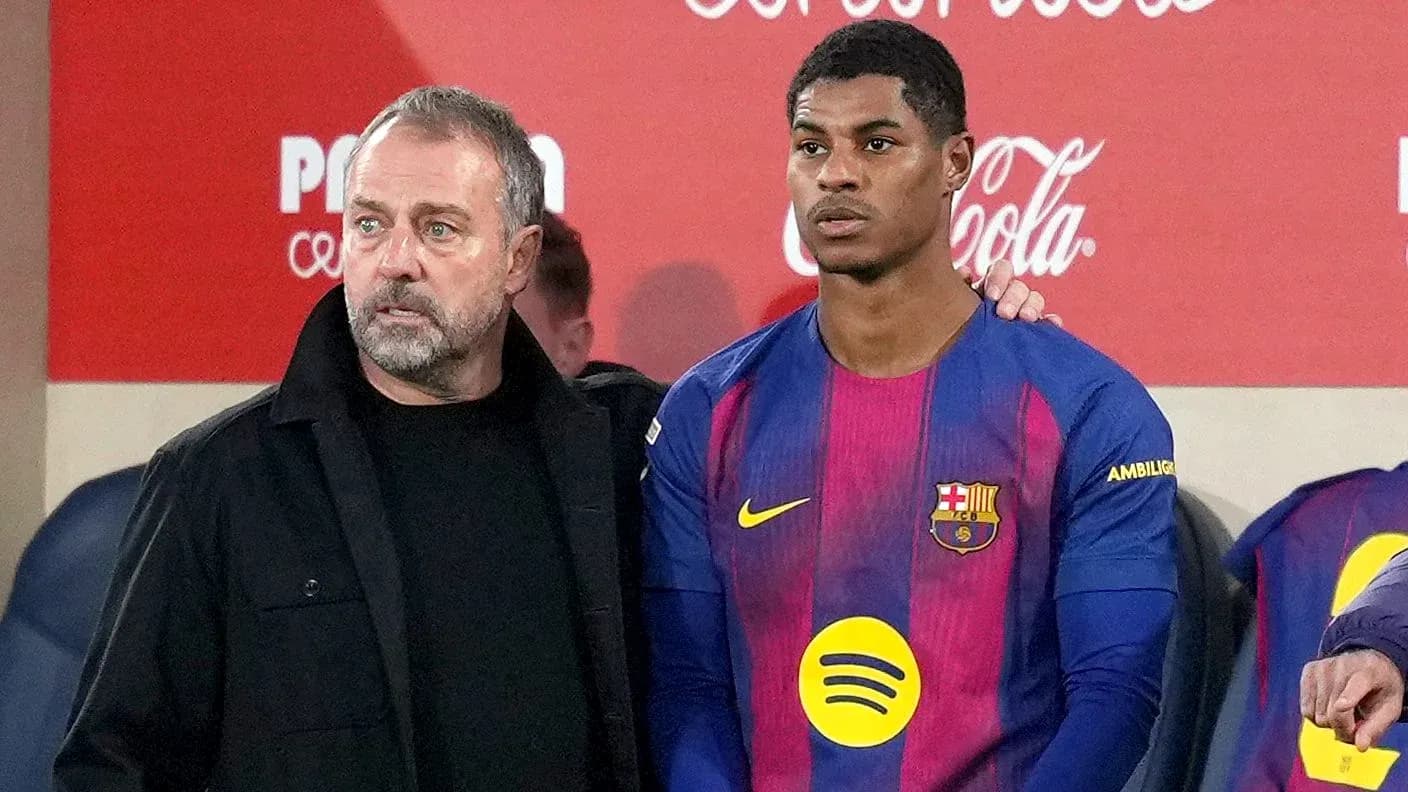
On the eve of a meeting with Diego Simeone’s side, the Barcelona coach cut through the noise around Marcus Rashford’s promising start in Spain and went straight to the hard truths: if his forwards don’t run, suffer and defend, Atleti’s wide men will tear open the game.
“It’s not just about pressing with the ball; in the end, you also have to defend,” Flick warned when asked about Rashford’s role. The message was clear. Skill is welcome. Work-rate is non‑negotiable.
Rashford has impressed since arriving, and Flick acknowledged that adaptation has gone “well”. But Atletico’s strength on the flanks – those relentless wide runners who live off space behind full-backs – changes the equation. Against this opponent, any lapse from the front line could leave Pau Cubarsí, Gerard Martin and the rest of Barça’s defence brutally exposed.
“We’re going to play against Atletico, and they are good down the wings,” Flick said, underlining the danger. The implication was obvious: if Barcelona’s forwards don’t track back, Simeone’s side will happily exploit the gaps.
Flick then widened the lens, moving from one player to the collective identity he is trying to build. “We have our style and we know how we want to play. When we don't press, it's easier for the opponent to find space. We saw that with the first goal; we didn't pressure the ball.”
That reference to a soft concession wasn’t accidental. It was a reminder, almost a rebuke. In his mind, pressing is not a tactical choice but a condition for survival at this level. Fail once, and you might get away with it in La Liga. Fail in Europe, and you’re out.
Now comes the Champions League, a stage Flick still speaks about with the enthusiasm of a coach who understands its weight. “Now we're talking about the Champions League, it's a fantastic competition that everyone wants to play in,” he said. The excitement was there, but so was the warning: this tournament punishes teams that switch off, even briefly.
That edge has been sharpened by recent pain. Flick pointed to the 2-1 La Liga defeat to Girona in mid-February as a turning point, a night when Barcelona’s flaws were laid bare and their response quietly began.
“After the match against Girona, we played at a better level,” he explained. That loss stung, but it also forced a young group to grow up faster. Mistakes were no longer just moments; they were lessons.
“Our team is very young,” Flick continued. “The two center-backs, [Pau] Cubarsí and Gerard [Martin], are doing a fantastic job, but it's normal that in some situations they don't make the right decision. They are young, and adapting to this level is difficult to see.”
It was both protection and challenge. He praised their courage and quality, yet didn’t hide from the reality that Champions League nights will test their judgement in ways Girona never could. One wrong step, one mistimed press, and Atletico will be in.
So the demand goes back to the top of the pitch. Rashford may be settling in well, but under Flick that only buys him a place in the conversation, not a free pass. Against Atletico, every wide sprint, every recovery run, every moment of pressure from the forwards will decide how exposed those young centre-backs really are.
Barcelona know how they want to play. The question now is whether, under the lights of Europe and the strain of Atletico’s wings, they are ready to live every second of it.