From 32 to 48: Everything You Need to Know About the Wildest World Cup Format Ever
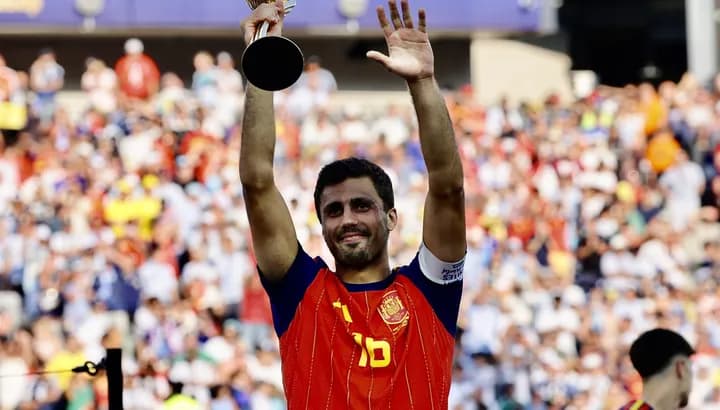
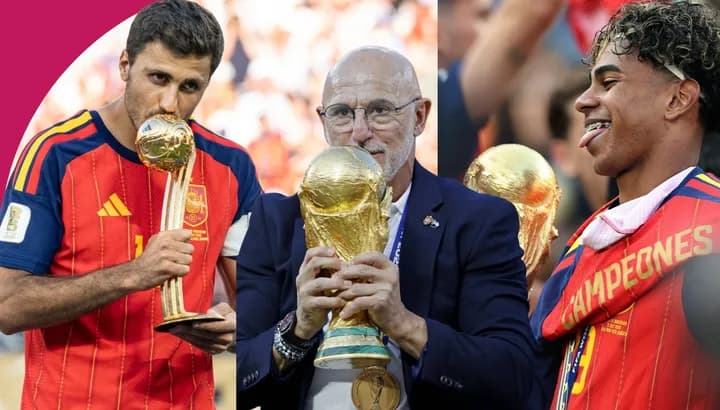
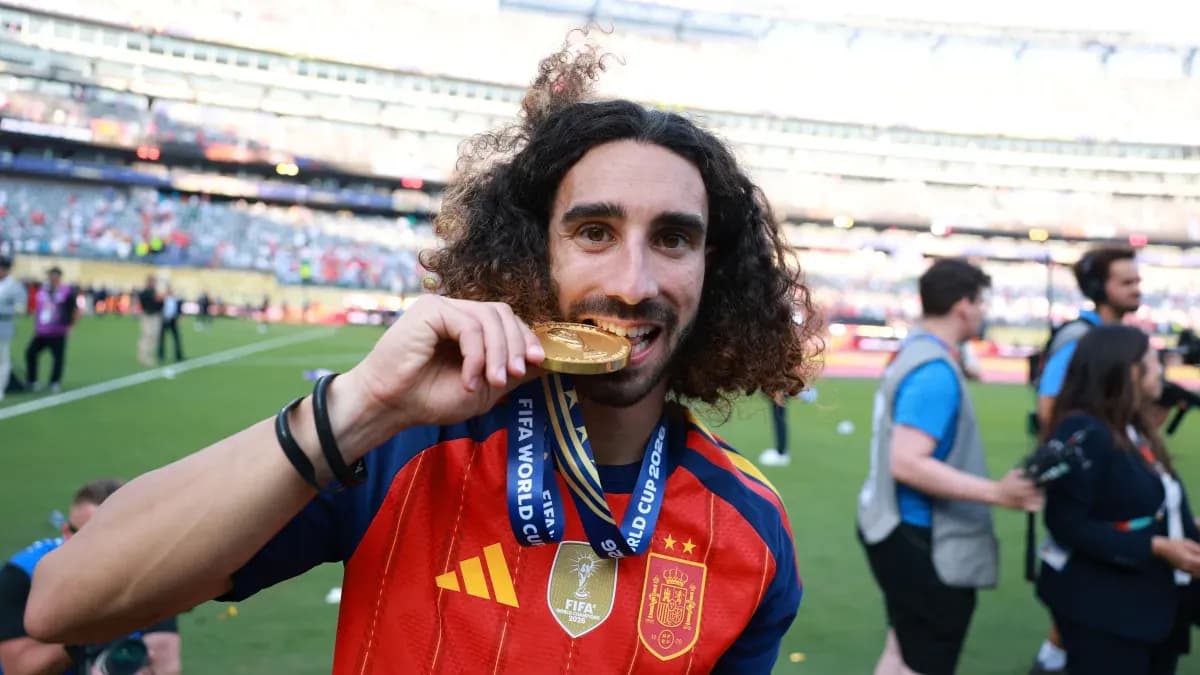
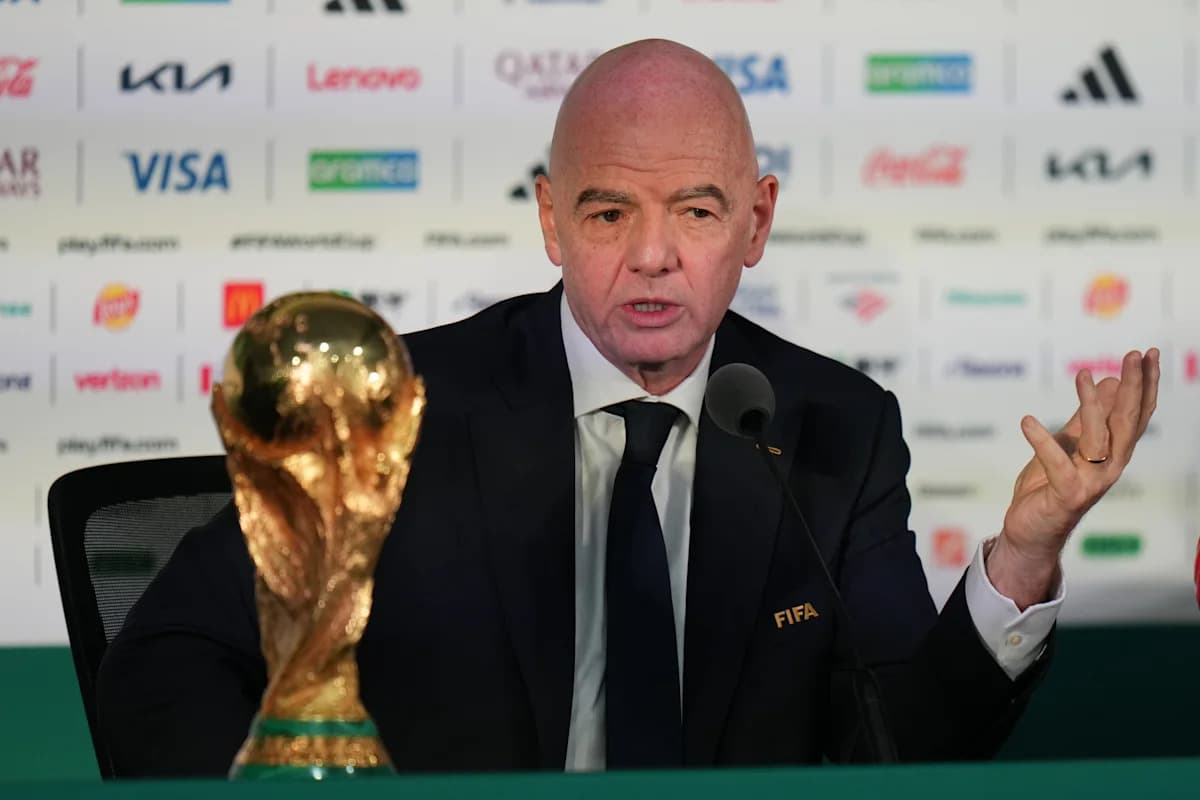
The FIFA World Cup 2026 isn't just another tournament — it's a complete reinvention of football's biggest stage. More teams, more matches, a brand-new knockout round, and three host nations sharing the spotlight. Here's everything you need to know about how it all works.
A Bigger Field: 48 Teams
The 2026 edition welcomes 48 national teams, up from the 32-team field that defined the tournament from 1998 through 2022. FIFA's decision to expand was driven by a desire for broader global representation — making this, by every measure, the largest World Cup ever played.
How the Group Stage Works
The 48 teams are split into 12 groups of four. Every side plays three matches — one against each group opponent — for a total of 72 group-stage games, compared to 48 in previous editions.
Who Advances
The path to the knockout rounds looks like this:
- The top two finishers from each group (24 teams total)
- The eight best third-placed sides across all groups
That combination produces a 32-team bracket — a structure the World Cup has never seen before.
The New Knockout Bracket
For the first time, the World Cup features a Round of 32. From there, it's straight single-elimination:
Round of 32 → Round of 16 → Quarter-finals → Semi-finals → Third-place play-off → Final
Finalists will now play eight matches to lift the trophy, one more than in any previous edition. In the knockout rounds, draws are settled by extra time (2×15 minutes) and, if needed, a penalty shootout.
104 Matches. 39 Days.
The tournament runs from June 11 to July 19, 2026 — 39 days and 104 matches in total. That's a massive leap from the traditional 64-game format, and the first summer World Cup after Qatar's winter edition.
Three Nations, One Tournament
The United States, Mexico and Canada become the first trio of co-hosts in men's World Cup history. The breakdown of venues: USA across 11 cities, Mexico across 3, Canada across 2. All three qualify automatically. Mexico makes history as the first country to host or co-host the men's World Cup three times; Canada does so for the very first time.
Why Three-Team Groups Were Scrapped
FIFA's original 2017 plan called for 16 groups of three. It was quietly shelved after serious concerns emerged around match-fixing risk, too few games per team, and competitive imbalance. By March 2023, FIFA confirmed the current 12-group, four-team model as the right call — balancing fairness, player welfare, and fan experience.
Tiebreaker Rules
When teams finish level on points, the ranking is decided by: goal difference → goals scored → head-to-head results → fair play record → FIFA World Ranking.
The tournament begins with the opening match in Mexico City on June 11, followed by the group stage running from June 11 to June 27. The knockout rounds start with the Round of 32 from June 28 to July 3, then the Round of 16 from July 4 to 7, and the quarter-finals from July 9 to 11. The semi-finals take place on July 14 and 15, with the third-place play-off on July 18. The competition concludes with the final at MetLife Stadium in New Jersey on July 19.
What It All Means
For underdogs, the expanded format is an open door — more games, more chances, more upsets. For the elite, it's a test of depth and endurance across a longer, more grueling campaign. The World Cup 2026 isn't a gamble — it's a calculated leap forward, and when the first ball rolls in Mexico City on June 11, football will never look quite the same again.