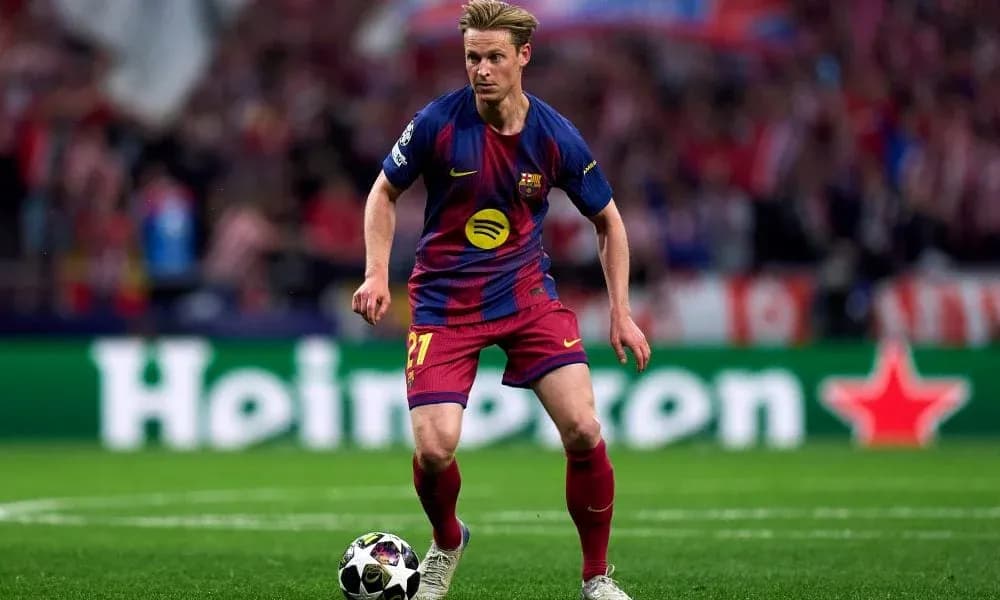
Frenkie de Jong Faces Uncertain Future at Barcelona
Frenkie de Jong’s place at Barcelona is under serious scrutiny again, with one prominent Dutch voice warning this could be his final season in Catalonia.
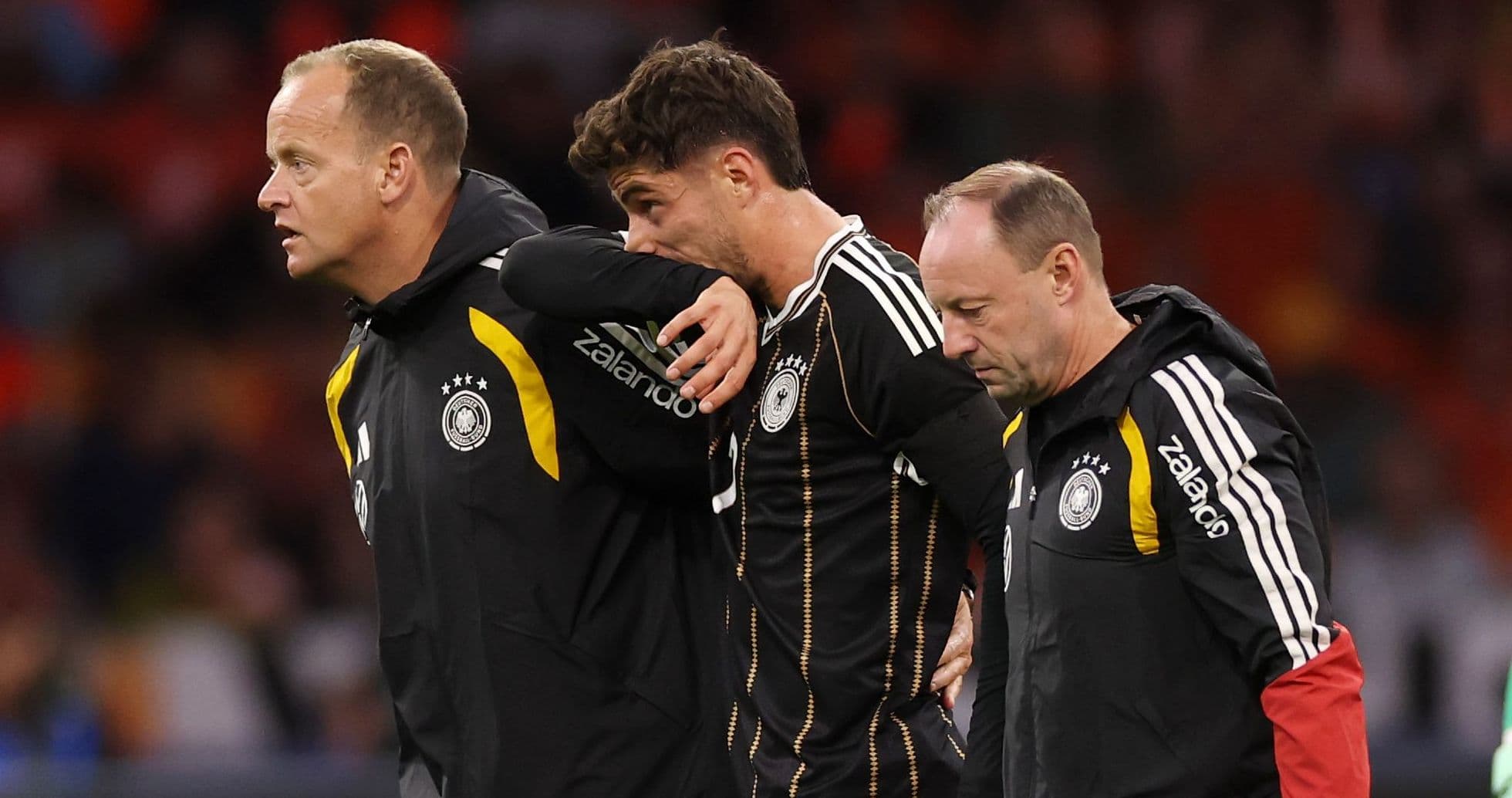
Valentijn Driessen, speaking on De Telegraaf’s podcast, argued that a perfect storm is forming around the midfielder: a fresh, elite rival for his position in Rodri, and another injury lay-off just as Hansi Flick begins to shape his team.
“He has been injured a lot; they already tried to get rid of him before, and now they bring Rodri,” Driessen said, pointing to a pattern that, in his view, Barça will eventually act on. “I don’t think that now that he’s injured they’re trying to transfer him – I can’t imagine it – but I do think he’s in his last season at Barça.”
Rodri’s arrival shifts the ground
De Jong has never hidden it: he wants to stay at Barcelona for the rest of his career. He has spoken of that dream repeatedly since arriving from Ajax, seeing himself as a long-term pillar of the club’s midfield.
Driessen doesn’t buy that it will end that way.
Barcelona have brought in one of the most complete midfielders in the modern game. Rodri is expected to anchor Flick’s system, dictating the tempo and locking down the centre of the pitch. That is the territory where De Jong has always felt most at home.
Driessen stressed that Rodri’s signing does not automatically mean Barcelona will rush De Jong out of the door while he is still recovering. The club has tried to move him on before, he noted, but that does not mean they will repeat that attempt mid-injury.
The real issue, in his eyes, is more subtle: status.
“He wanted to stay at Barcelona until the end of his career, but that’s a privilege granted to very few players,” Driessen said. “He’s not the sort of player you’d think would remain a first-team regular at Barcelona until he’s 35. In short, he won’t see out the end of his career there.”
The Dutch journalist even questioned whether Flick can realistically field both Rodri and De Jong from the start on a regular basis.
“You always have to perform to keep playing. If an excellent player comes in who plays in your position, I can’t imagine those two playing together.”
A tactical crossroads for De Jong
The challenge, then, is clear. If De Jong wants to coexist with Rodri, he may have to become a different type of midfielder.
So far, his career has been built on controlling the rhythm from deep, gliding past the first line of pressure, and stitching together phases of play. He likes to see the whole pitch in front of him, not chase it near the box.
Driessen believes that picture has to change if De Jong is to survive this new era.
According to him, the Dutchman would need to move higher up the pitch, take on more attacking responsibility, and threaten goal more consistently to complement Rodri rather than clash with him. That, Driessen argued, has always been the sticking point.
“He might be able to try, but he needs to be more attacking, and that’s usually the point of criticism: that he lacks that. He’s never managed it.”
Whether Flick shares that assessment will define what happens next. Barcelona’s midfield is stacked with players who can interpret different roles, and the coach’s system once De Jong returns from injury will dictate who bends and who breaks.
Rodri’s arrival does not guarantee that De Jong is pushed straight out of the XI. But it does guarantee something else: the comfort zone he once imagined at Barcelona no longer exists.