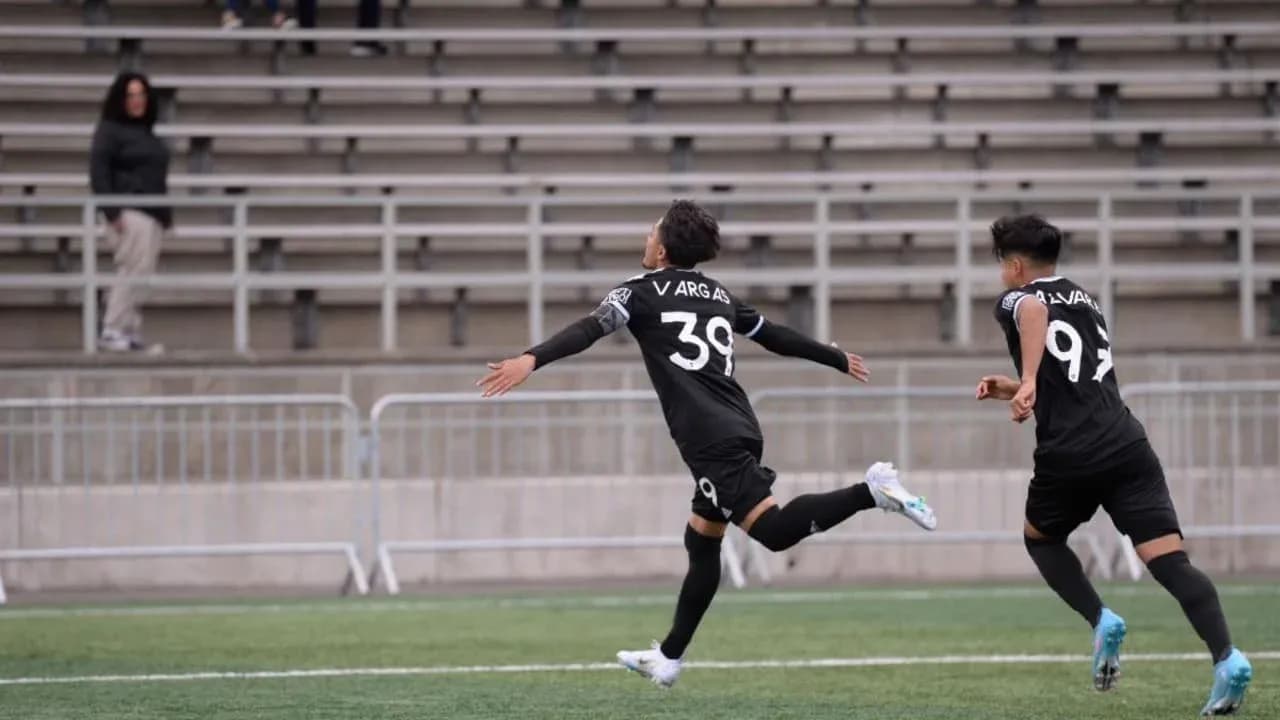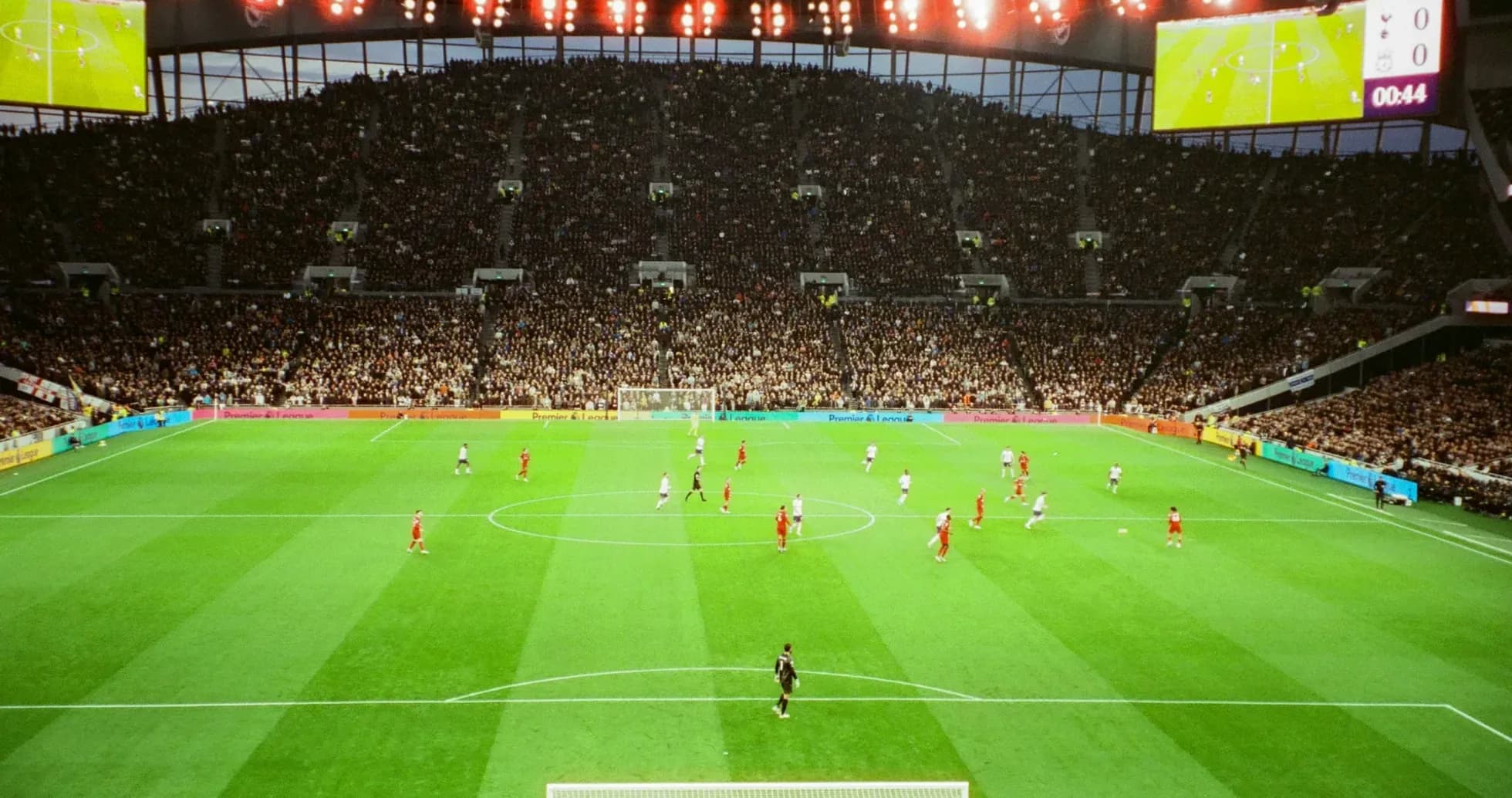
FC Cincinnati II Triumphs Over Columbus Crew II in Tactical Showdown
Under the lights at NKU Soccer Stadium, FC Cincinnati II edged Columbus Crew II 2–1 in a result that cut against the grain of the broader MLS Next Pro narrative. Following this result, the league table still paints Columbus as the more complete project – 17 points from 10 matches, a goal difference of 0 built on 17 goals for and 17 against – but on this night the hosts leaned into their home identity and made it count.
Cincinnati’s season has been sharply split by venue. Overall they have 9 points from 8 matches, with 11 goals scored and 12 conceded for a goal difference of -1. At home, though, they are a very different proposition: 3 wins from 4, 9 goals for and only 4 against. Their attacking DNA at NKU is front-foot and opportunistic, reflected in an overall goals-for average of 2.3 at home versus just 0.5 on their travels.
Columbus arrived as a promotion-chasing side in the Eastern Conference, sitting 3rd with that 17-point haul and a perfect home record (5 wins from 5). Yet on their travels they have been fragile: 1 win and 4 defeats away, scoring 7 and conceding 13. The full-season averages underline the split personality: 2.2 goals for at home, 1.4 away; 0.8 goals against at home, 2.6 away. This fixture became another chapter in that story – a high-ceiling, high-risk side that struggles to export its dominance away from Columbus.
Tactical voids and disciplinary undercurrents
With no official list of absentees provided, both coaches essentially leaned on their available core. Federico Higuain’s Columbus Crew II walked out with a young, technically inclined XI: K. Abbott and O. Presthus anchoring from deep, G. Di Noto and Q. Elliot providing structural balance, and a forward line built around the mobility of J. Chirinos and Z. Zengue, supported by N. Rincon and B. Adu-Gyamfi between the lines. The bench options – M. Nyeman, R. Aoki, Z. Lloyd, I. Ewing, A. Zochowski – offered energy and ball progression more than like-for-like defensive cover.
Cincinnati II, without a listed head coach in the data but clearly well-drilled at home, set up with F. Mrozek in goal behind a back line marshalled by G. Flores and W. Kuisel, with F. Samson and C. Holmes providing width. In midfield, C. Sphire and M. Sullivan formed the engine, while A. Lajhar and A. Chavez connected play to the attacking pair of L. Orejarena and S. Chirila. The bench was notably deeper than Columbus’s, with nine substitutes including D. Paz, M. Vazquez, N. Gray, D. Hurtado, N. Gassan and G. Marioni, giving Cincinnati the capacity to adjust tempo and structure late on.
Season-long disciplinary patterns framed the risk profile. Cincinnati II’s yellow-card timing is scattered but with an early spike: 27.78% of their yellows arrive in the first 15 minutes, then 22.22% between 46–60’. Their only red card this season has come very late, in the 76–90’ window. Columbus, by contrast, have a different rhythm: 26.32% of their yellows fall in 31–45’, and another 26.32% between 61–75’, suggesting a team that bristles when the half is closing or when chasing control after the break. Crucially, their only red card of the campaign has come in the opening 0–15’ block, a sign of how combustible their aggressive starts can be.
Key matchups – hunter vs shield, engine room vs enforcer
Heading into this game, the most intriguing tactical intersection lay between Cincinnati’s late-game attacking surge and Columbus’s mid-half defensive wobble.
Cincinnati’s goals-for minute distribution shows a clear pattern: just 8.33% of their goals arrive in the opening 15 minutes, but the match opens up dramatically later. They score 25.00% of their goals between 46–60’, 16.67% between 61–75’, and a striking 33.33% in the 76–90’ window. This is a side that grows into matches and finishes with a punch.
Columbus’s defensive profile, meanwhile, is most vulnerable in the very phases when Cincinnati are most dangerous. They concede 23.53% of their goals between 31–45’ and another 23.53% between 16–30’, but the real stress test for them away from home is the middle of the second half: 17.65% of goals against arrive in 46–60’, 11.76% in 61–75’, and another 11.76% in 76–90’. That 46–60’ zone is particularly combustible, because Columbus also score 29.41% of their own goals there; they tend to open the throttle after half-time, leaving space for counters.
On the pitch, that played out as a duel of structures rather than star names. For Columbus, the “hunter” was the collective front unit of Chirinos and Zengue, fed by Rincon and De Libera. Their season-long attacking data shows 35.29% of their goals arriving in 31–45’ and 29.41% in 46–60’, which dovetails with Cincinnati’s defensive soft spots: 36.36% of Cincinnati’s goals against come in 31–45’ and 27.27% in 46–60’. The theoretical danger zone for the hosts was the spell either side of half-time.
Yet Cincinnati’s “shield” – the back line around Flores and Kuisel, with Mrozek behind – held firm in those windows often enough to keep the game within reach. The home side’s defensive timing shows they are most exposed just before the break (that 36.36% in 31–45’), but after weathering that phase they are more stable, conceding only 18.18% of their goals in the final 15 minutes. That resilience underpinned their ability to flip the narrative late.
In midfield, the engine room duel was defined by Sphire and Sullivan against Brown and Adu-Gyamfi. Columbus’s season pattern – 18 goals for at an overall average of 1.8 per match, with 11.76% of those in both the 16–30’ and 61–75’ ranges – requires a steady supply line. Cincinnati’s central pair disrupted that flow, particularly after the interval, forcing Columbus to attack more directly and exposing the away side’s transition defence, which has already shipped 13 goals on their travels.
Statistical prognosis and xG-style verdict
Even without explicit xG numbers, the season-long shot and goal patterns allow a tactical projection of how this match likely unfolded.
Heading into this game, Columbus were the more prolific side overall, with 18 goals from 10 matches compared to Cincinnati’s 11 from 8. Their away average of 1.4 goals for suggested they would generate enough chances to score, especially given Cincinnati’s overall goals-against average of 1.5. Conversely, Cincinnati’s home attacking average of 2.3 goals for, against a Columbus defence conceding 2.6 away, pointed toward a high-chance environment in favour of the hosts whenever they could drag the game into broken-play phases.
The 2–1 full-time scoreline fits neatly inside that statistical corridor. A notional xG map would likely show Columbus with a strong cluster of opportunities around the 31–60’ window, where they habitually attack with volume, and Cincinnati with a growing set of chances in the final half-hour, reflecting their 61–90’ scoring bias.
Cincinnati’s clean-sheet record – 2 overall, both at home – already hinted that they can compress space and protect a lead at NKU. Their failure-to-score metric (0 at home, 2 away) also underlined that if they create, they usually convert on familiar turf. Columbus, with only 1 match all season in which they have failed to score, again fit the pattern: they found a way through once, but their away defensive fragility, especially in transition, ultimately cost them.
Following this result, the tactical takeaway is clear. Cincinnati II, though still only on 9 points with a -1 goal difference overall, have a home template that works: survive the mid-half storms, trust their late-game surge, and lean on the depth of a nine-man bench to tilt the final quarter-hour. Columbus Crew II remain a contender with a promotion trajectory, but until their away structure matches their home dominance, nights like this – where the numbers quietly pointed to danger – will continue to haunt them.