New England II Claims Victory Over New York City II in Thrilling Match
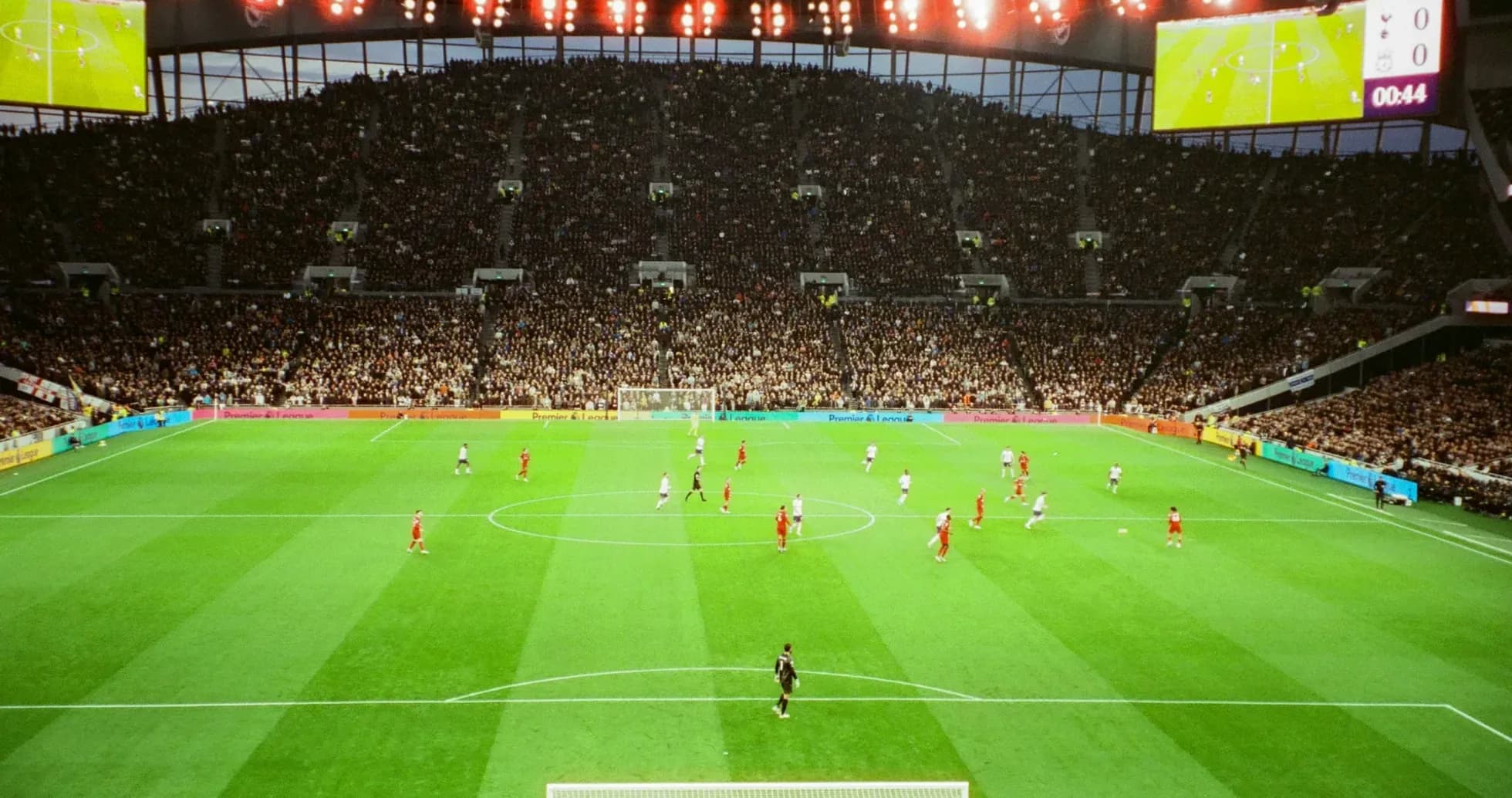
On a cool evening at Gillette Stadium, New England II turned a precarious group-stage assignment into a statement of identity, edging New York City II 3–2 in a match that felt like a miniature playoff tie rather than an ordinary MLS Next Pro fixture.
I. The Big Picture – A comeback that fits the season’s DNA
Heading into this game, the standings painted a clear narrative frame. New England II sat 4th in the Northeast Division and 8th in the Eastern Conference with 14 points from 8 matches, built on a sharp overall record of 5 wins and 3 losses. Their overall goal difference was 2, exactly matching 10 goals for and 8 against in the conference snapshot, and their season profile was unmistakable: ruthless at home, vulnerable on their travels.
At Gillette Stadium, that home dominance has been the backbone of their campaign. In total this season, New England II have played 6 times at home, winning 5 and losing just once. They have scored 11 home goals and conceded 6, for a home goals-for average of 1.8 and a home goals-against average of 1.0. The venue has become a laboratory for controlled aggression and front-foot football.
New York City II arrived as a study in contrast. In the Northeast Division they were 7th, and 13th in the Eastern Conference, with 9 points from 8 matches. Their overall goal difference was -6, correctly reflecting 8 goals scored and 14 conceded in the conference table. The split between home and away was stark: at home they had 3 wins from 4, but on their travels they had played 4, lost 4, scored 3 and conceded 6. Their away attacking average of 0.8 and away defensive average of 1.8 framed this fixture as a test of whether they could export their Bronx bite to Foxborough.
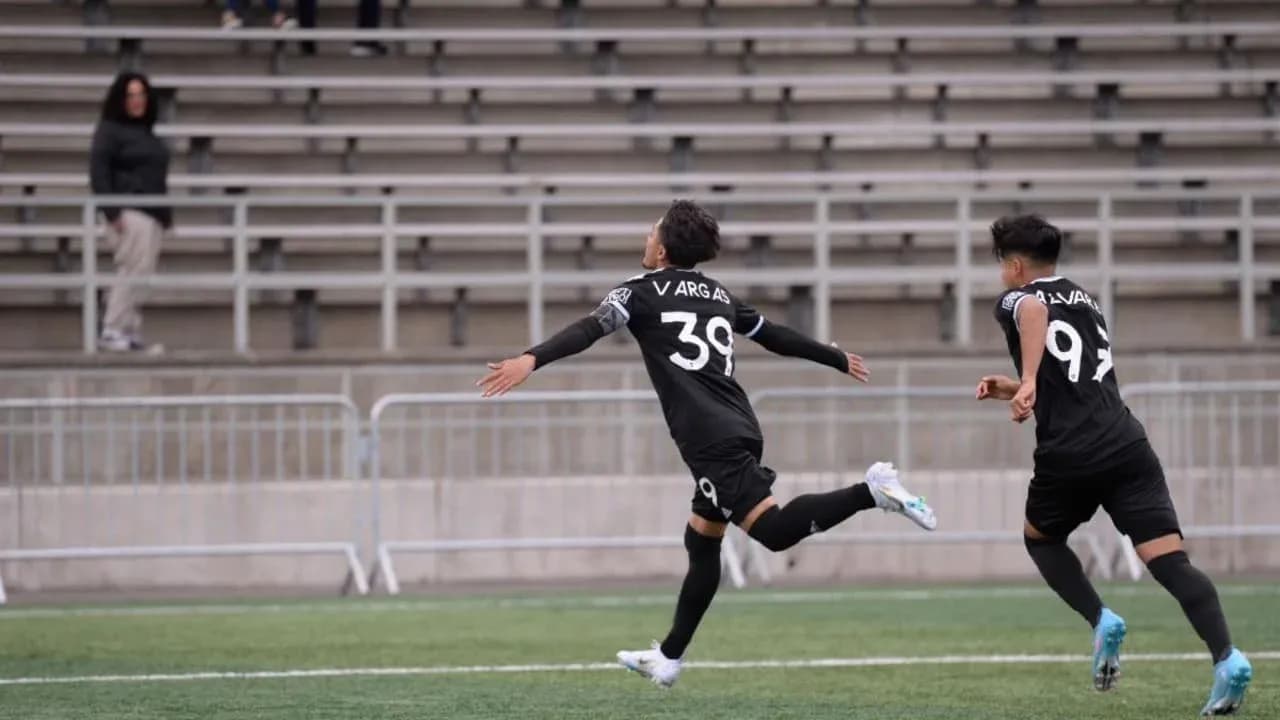
The first half followed the visitors’ season-long pattern of volatility. New York City II struck first, taking a 1–0 lead into the interval, but the match’s true story unfolded after the restart, when New England II leaned into their home identity and turned the game.
II. Tactical Voids and Discipline – Edges in the margins
The lineups offered a glimpse into each side’s structural priorities, even with formations not explicitly listed. Matt Pilkington’s New York City II named M. Learned, D. Randazzo, J. Loiola, J. Suchecki, K. Smith, P. Molinari, C. Flax, C. Danquah, D. Duque, D. Kerr and S. Musu as starters, with a relatively short bench of six substitutes including B. Klein, D. McDermott and G. de Souza. It was a group built for vertical transitions and individual duels, but with a season-long defensive fragility that has yet to be solved.
New England II, by contrast, rolled out a balanced XI: D. Parisian, D. McIntosh, G. Dahlin, C. Mbai Assem, S. Mimy, J. Mussenden, E. Klein, A. Oyirwoth, C. Oliveira, M. Morgan and S. Sasaki, supported by a deeper bench of eight, including M. Tibbetts, J. Da, J. Siqueira and C. Zambrano. The depth allowed them to manage tempo and inject fresh energy in the critical final third of the match.
From a disciplinary standpoint, the season data hinted at how the emotional temperature might rise. New England II’s yellow cards cluster between 46–60, 61–75 and 76–90 minutes, each window accounting for 23.81% of their cautions. That pattern suggests a side that grows more combative as matches wear on, particularly when protecting or chasing a result. New York City II, meanwhile, show a different profile: 31.25% of their yellows arrive between 16–30 minutes, and 37.50% between 76–90, with a notable late-game red-card spike – 100.00% of their reds have come in the 76–90 window. This is a team that can lose emotional control in the dying moments.
In a tight 3–2, those tendencies matter. Even without explicit card logs for this fixture, the statistical backdrop suggests that New England II’s ability to ride the chaos of the second half, without tipping into self-destruction, was a subtle but decisive edge.
III. Key Matchups – Hunter vs Shield, Engine Room vs Enforcer
The “Hunter vs Shield” dynamic here was less about a single star striker and more about collective patterns. New England II’s home attack, averaging 1.8 goals per game, went up against a New York City II away defence conceding 1.8 per match. The result – 3 home goals – underlined that the hosts’ attacking mechanisms can overwhelm a fragile back line, especially once the match state forces the visitors to open up.
Conversely, New York City II’s away attack of 0.8 goals per game faced a New England II home defence that concedes 1.0 on average. Scoring twice away from home, in that context, was actually an overperformance relative to their usual road output and a reminder that Pilkington’s side can hurt opponents in bursts, particularly when players like D. Duque, C. Flax and D. Kerr find space between the lines.
In midfield, the “Engine Room” battle was defined by New England II’s blend of structure and improvisation. Players such as G. Dahlin, J. Mussenden and E. Klein formed the spine that allowed A. Oyirwoth, C. Oliveira and M. Morgan to push higher and combine. For New York City II, P. Molinari and C. Danquah were tasked with both shielding and launching counters, a dual role that becomes increasingly taxing when the team spends long spells without the ball.
As the match tilted after the break, New England II’s deeper bench became a tactical weapon. Each substitution – [IN] replaced [OUT] moments not detailed in the raw feed but implied by the bench composition – would have been used to either lock down central zones or attack tired legs in wide areas, a classic home-side pattern when chasing a deficit and then protecting a lead.
IV. Statistical Prognosis – What this result tells us about both squads
Following this result, the numbers and the narrative converge. New England II have validated their statistical profile: at home they are a high-functioning, front-foot side, with 11 home goals in total and a home goal difference of +5 (11 scored, 6 conceded) in the season statistics block. Their overall attacking average of 1.5 goals per match and defensive average of 1.1 align with a team that can absorb an early punch and still find multiple routes back into a game.
Their penalty record – 2 taken, 2 scored, 100.00% conversion and 0 missed – underscores a clinical edge in high-pressure moments, even if no spot-kick was recorded here. Combined with just 1 total match in which they have failed to score, New England II project as a side that will always give themselves a chance, especially at Gillette Stadium.
For New York City II, the prognosis is more complex. In total this campaign they have scored 9 and conceded 15, for an overall average of 1.1 goals for and 1.9 against. The overall goal difference of -6 is not an illusion; it is the statistical echo of a team that can create moments but cannot yet control matches. Their away numbers remain a glaring concern: 4 played, 4 lost, 3 scored, 6 conceded, with no clean sheets anywhere this season and 3 total matches without a goal.
The late-game disciplinary profile – 37.50% of yellows and 100.00% of reds in the 76–90 window – suggests that as fatigue and pressure mount, New York City II’s structure frays. In a 3–2 defeat where the margins are thin, that psychological fragility is as important as any tactical detail.
In the broader group-stage arc, New England II’s comeback win reinforces their status as a serious Eastern Conference contender, perfectly aligned with their “Promotion – MLS Next Pro (Play Offs: 1/8-finals)” description. New York City II, meanwhile, leave Foxborough with familiar questions: the talent is evident, the flashes are real, but until the away defence tightens and the emotional curve flattens, nights like this will continue to slip away in the final act.