FC Cincinnati II vs Chattanooga: A Tactical Analysis of MLS Next Pro
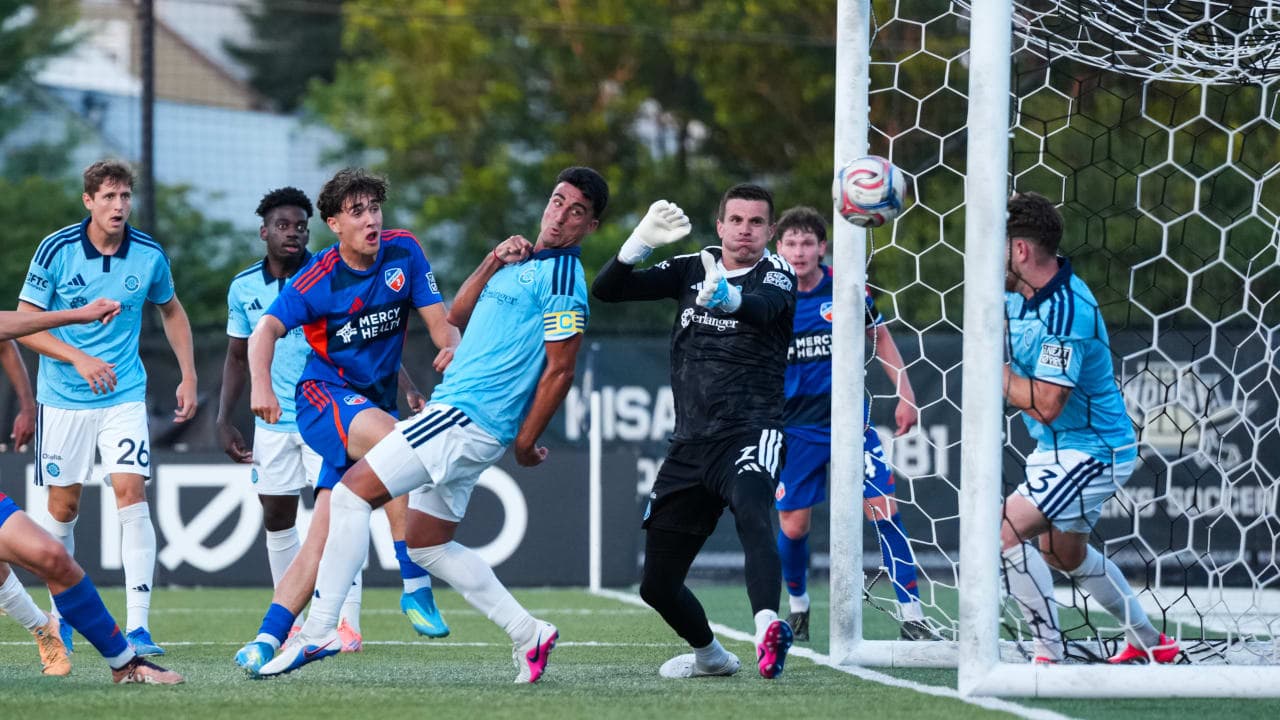
Under the lights at NKU Soccer Stadium, FC Cincinnati II’s 3–1 home defeat to Chattanooga felt less like a one-off slip and more like a crystallisation of where these two MLS Next Pro projects stand heading into the heart of the 2026 season. In a Group Stage landscape where Chattanooga sit 7th in the Eastern Conference with 16 points and a positive goal difference of 2 (18 scored, 17 conceded), and Cincinnati II trail in 13th with 9 points and a goal difference of -7 (12 scored, 19 conceded), this fixture underlined the different trajectories of a side pushing toward the play-off picture and one still wrestling with its own identity.
Cincinnati II’s seasonal DNA is starkly split between home comfort and travel sickness. Overall, they have 3 wins and 7 losses from 10 matches, but all 3 victories have come at home, where they average 2.0 goals for and 1.4 against. On their travels they have yet to take a point, scoring just 0.4 and conceding 2.4 on average. Chattanooga, by contrast, have embraced volatility: 5 wins and 5 losses from 10, but underpinned by a consistent attacking output of 1.8 goals per match overall, with 2.0 at home and 1.6 away.
On this night, Chattanooga’s squad construction and game model looked more mature. The starting XI, anchored by the experience of E. Jakupovic in goal, had a clear spine: F. Sar-Sar and M. Hanchard patrolled the central defensive lanes, while S. Louis and L. Husakiwsky offered legs and balance in midfield. Ahead of them, the creative thrust of D. Mangarov and the presence of D. Barker gave Chattanooga both a reference point and a runner to attack space. Wide of that core, A. Krehl and Y. Cohen stretched the pitch, providing the verticality that Chattanooga’s numbers suggest they thrive on.
The visitors’ season-long minute distribution for goals told us they are most dangerous early in halves and particularly late in games. Heading into this match, 22.22% of their goals arrived between 31–45 minutes and 27.78% between 76–90. Cincinnati II, meanwhile, had a defensive soft spot in the first half: 27.78% of their goals conceded came in the 31–45 window, with another 22.22% in the 46–60 segment. That intersection – Chattanooga’s offensive surge at the end of the first half against Cincinnati II’s defensive fragility in the same period – was always likely to be decisive.
The 0–3 half-time scoreline fit that script almost too perfectly. Chattanooga pressed those known fault lines, attacking aggressively as the first half wore on, and Cincinnati II’s back line, marshalled by W. Kuisel and C. Holmes, struggled to manage the tempo and protect B. Dowd. Without a clearly defined formation or a deep-lying organiser, Cincinnati II’s structure bent under pressure, leaving gaps between midfield and defence that Mangarov and Barker exploited.
For Cincinnati II, the starting group had promise but lacked cohesion in the early phases. L. Orejarena and M. Sullivan tried to stitch together possession, while D. Hurtado and A. Chavez offered running power, but the team’s overall pattern mirrored their season: slow starters who grow into games. Their attacking minute distribution shows only 7.69% of goals in the first 15 minutes, but a combined 76.93% between 46–90, with a particular late surge of 30.77% in the 76–90 window. That profile makes them a dangerous chaser but a vulnerable front-runner – and here, spotting Chattanooga a three-goal head start left them too much to do.
The second half, and Cincinnati II’s solitary goal, reflected their better side. With the bench options of D. Paz, J. Mize, and the dynamic D. Mosquera, the hosts had the capacity to raise the tempo and attack in waves. Even without explicit substitution data, the squad composition hints at a plan: inject energy and direct running from the bench to lean into that late-game scoring trend. It was also a glimpse of what Cincinnati II can be when they compress the field and play higher: their home record of 10 goals from 5 matches is no accident.
Tactically, Chattanooga’s defensive profile added another layer. Heading into this game, they conceded 1.7 goals per match overall, with a particular wobble between 61–75 minutes, where 25.00% of their goals against were clustered, and another 18.75% between 76–90. That dovetailed with Cincinnati II’s offensive peak, especially from 76–90. The late push from the hosts, culminating in their goal, was almost pre-written in the numbers: a tired Chattanooga block, having done the damage early, retreating into a lower line and inviting pressure from a side that is statistically at its most incisive in the closing stages.
Disciplinary trends for both teams also shaped the tone. Cincinnati II’s yellow cards are spread, but they spike in the 0–15 and 46–60 windows (21.74% each), and their lone red card this season has arrived in the 76–90 range. Chattanooga’s yellow card profile is more concentrated around half-time and the final third of the match, with 27.27% between 31–45 and a combined 45.46% from 61–90, while both of their red cards this season have fallen between 61–90. This is a team that plays on the edge when protecting leads. The fact they navigated this contest without a late collapse speaks to a growing game management maturity, even if the underlying risk remains.
In “Hunter vs Shield” terms, Chattanooga’s attack – 18 goals in total, with strong production in every 15-minute segment of the first half – proved too multi-dimensional for a Cincinnati II defence conceding 1.9 goals per match overall. Cincinnati II’s own “hunter” is more collective than individual, a late-surging unit whose 4 goals between 76–90 represent their most potent phase. But when your “shield” is porous early, the chase becomes desperate rather than calculated.
In the “Engine Room,” Chattanooga’s blend of Louis and Husakiwsky against Cincinnati II’s Sullivan and Orejarena tilted the battle. Chattanooga’s midfield two were more efficient at shuttling the ball into advanced zones quickly, matching their direct scoring profile, while Cincinnati II’s central unit looked more suited to control than comeback football – a mismatch with the game state they repeatedly find themselves in.
Following this result, the statistical prognosis for both sides sharpens. Chattanooga’s xG profile – implied by 18 goals from 10 matches and 4 perfect penalties from 4 – suggests a side that reliably creates and converts, especially when they can impose their tempo early. Their defensive numbers are not elite, but their capacity to outscore problems keeps them firmly in the play-off hunt. Cincinnati II, by contrast, project as a high-variance home side whose path forward depends on tightening the first-half structure. If they can drag opponents into the chaotic, late-game phases where their attack peaks and the opposition’s discipline frays, their season can still bend upward. But as this night at NKU Soccer Stadium showed, spotting efficient finishers a three-goal head start is a tactical gamble they cannot afford to repeat.