Eva Carneiro Responds to Mourinho and Terry in Netflix Documentary
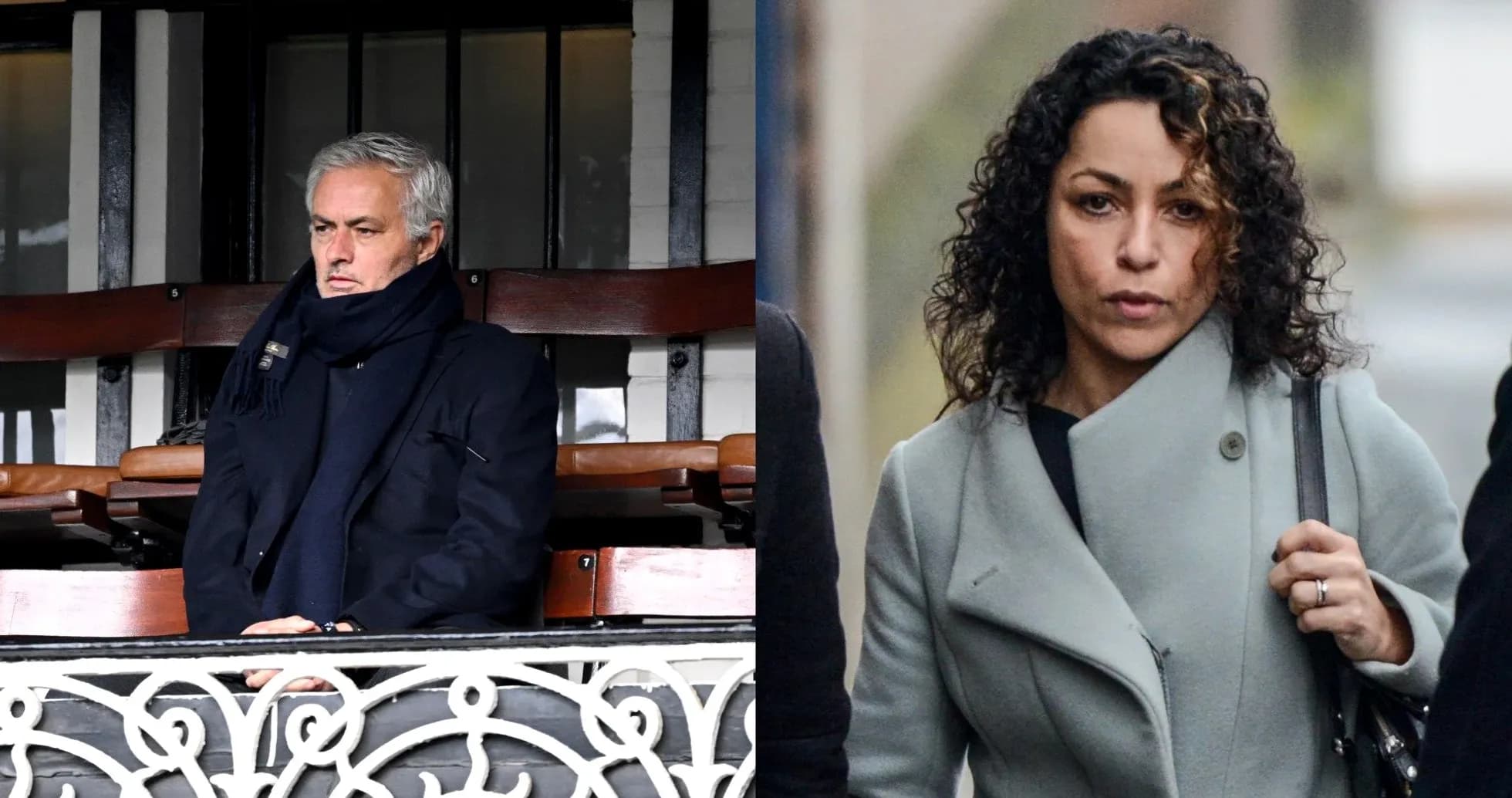
Eva Carneiro has reignited her feud with Jose Mourinho and John Terry after the release of Netflix’s new documentary Mourinho, accusing the pair of dragging her "worst" professional moment back into the spotlight and fundamentally misunderstanding the rules that governed her job.
The former Chelsea first-team doctor took to social media after watching the film, which revisits the explosive incident from August 2015 when Mourinho publicly criticised her and then-head physio Jon Fearn for entering the pitch to treat Eden Hazard in stoppage time of a 2-2 draw with Swansea.
With Thibaut Courtois already sent off, Chelsea were briefly reduced to nine men when the medical team responded to the call. Mourinho’s fury on the touchline, and his subsequent comments, set off a chain of events that ended with Carneiro leaving Stamford Bridge and later settling a legal claim for constructive dismissal at an employment tribunal.
Now, 11 years on, Carneiro has made it clear she has no interest in seeing the episode repackaged as entertainment.
"11 years on and here we are reliving the worst. Hope they made some money," she posted on X, a pointed nod towards the documentary’s creators and its high-profile contributors.
Her frustration sharpened when addressing Terry’s contribution. The former Chelsea captain backs Mourinho in the film, saying there was an unwritten "understanding" in the dressing room that medical staff would only come onto the pitch if an injury was "really, really bad".
Carneiro dismantled that notion in a few sharp lines.
"We are bound by a medico-legal code of conduct. Genuinely it would be healthy for John Terry to learn the rules of the game. It’s been long enough mate," she wrote, making it clear that any informal agreement among players and staff is irrelevant when set against medical and regulatory obligations.
Mourinho, in the documentary, stands by his original stance. He describes the decision of his medical staff to run on as "impulsive and naive" with the result on the line.
"I’m not a doctor, but my eyes know when a player is injured, and they know when a player is not injured," he says. "I knew that he was not injured, but the doctors went to the pitch, and in that moment we were left with nine players."
He also addresses the controversy around his language towards Carneiro at the time.
"For me, a lady doctor is the same as a man’s doctor. So, as always, I use my vocabulary when I’m not happy. There are words in moments where the tension is very, very high. Normally, people with football culture, with football DNA, with football background, they go over it in one second. In that case, it was different."
Terry, speaking from the players’ perspective, echoes Mourinho’s belief that the medical team should have stayed off the pitch unless absolutely necessary.
"Medically, he would say unless it’s really, really bad, then they’re not coming on," Terry recalls. "That was the understanding for us as players, the medical staff, everyone bought into that."
He admits the fallout from that Swansea match snowballed, turning into a huge distraction during what became a disastrous title defence. Chelsea, champions the previous season, slumped to 10th in 2015-16 – their worst finish of the Roman Abramovich era.
"It was a big moment, obviously, and he took a lot of backlash for that. There was a lot of heat on the football club," Terry adds.
Carneiro’s view is blunt: none of that "understanding" matters. Not the manager’s wishes. Not the players’ preferences. Not in that moment.
For her, the only voices that counted were the referee’s and the player’s, combined with her professional duty of care.
"So IT IS really simple," she wrote on X. "Referee Michael Oliver called us on TWICE, player Eden Hazard requested medical assistance we then made eye contact from side line and he confirmed he needed medical assistance, TWICE. At that point my hands are bound as a medical professional."
She backed up her position by highlighting guidance from the British Association of Sport and Exercise Medicine, which states that when a referee summons the medical team, they have an "absolute duty of care to attend and assess the player."
The old wounds from that afternoon at Stamford Bridge clearly have not healed. The documentary has given Mourinho and Terry a fresh platform to restate their case. Carneiro has answered with equal conviction, insisting the laws of the game and the ethics of medicine always outweighed any "understanding" in the dressing room.