
England’s Defensive Concerns Ahead of Ghana Match
England’s attack roared in Dallas. Their defence whispered.
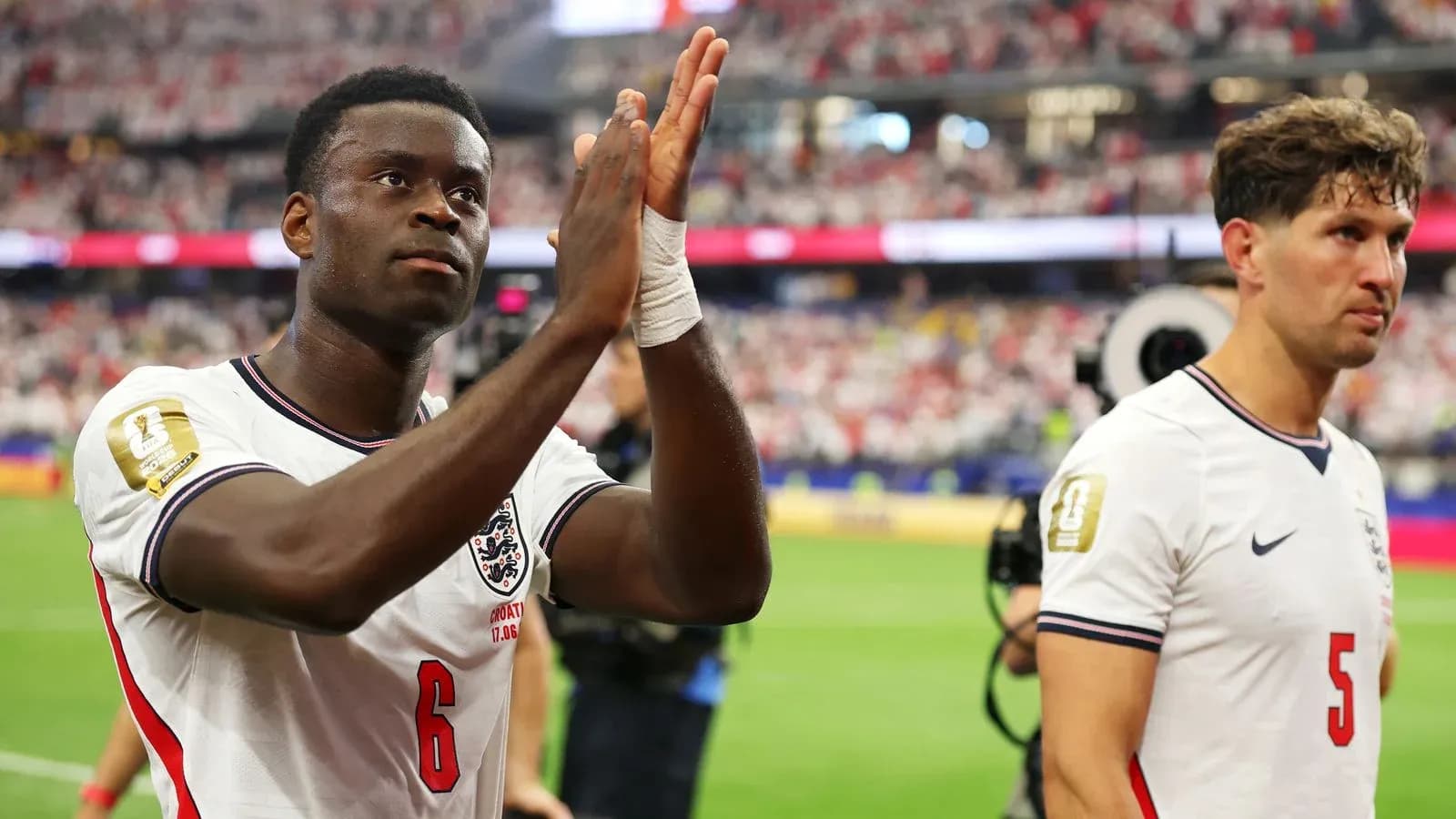
For all the fireworks in that second-half blitz against Croatia, the questions at the other end of the pitch grew louder, not quieter. Ezri Konsa and John Stones were the centre of it all – literally and figuratively – and the evidence from England’s World Cup opener did little to silence the doubts that greeted their selection.
A partnership under the spotlight
The surprise came an hour before kick-off. Marc Guehi, the defender whose rise at Manchester City has been one of the stories of the Premier League year, sat on the bench. Konsa and Stones got the nod. On paper, two composed, modern centre-backs. On grass, it looked far less secure.
By half-time, Gary Neville had framed the national debate in a single line on ITV: “Is Konsa and Stones a partnership that can win us the World Cup?” The timing was pointed. Stones had already gone to ground too early before Croatia’s first goal. Konsa had misjudged a chipped ball in the build-up to the second. The kind of lapses that linger in tournament football.
Neville didn’t spare the midfield either. Declan Rice and Elliot Anderson, he argued, would have to be “outstanding” to shield a back line that looked exposed in that opening 45 minutes.
England’s issues weren’t just about the big mistakes. The nerves showed in possession. Faced with Croatia’s aggressive high press, both Stones and Konsa coughed up the ball in dangerous areas. The numbers at full-time painted a neater picture of their passing, but the eye test – and the scoreboard – told a different story.
Stones ended his 87 minutes with just one attempted tackle, which he didn’t win, and a single clearance. He did win four of his seven duels. Konsa’s figures were starker: three duels won from eight, only one of five in the air, and no tackles or interceptions at all.
Jamie Carragher didn’t dress it up on Sky Sports News the next morning. “We probably lack something defensively to go all the way,” he said, pouring cold water on the surge of optimism created by that “full gas” attacking display after the break.
The Guehi question
The obvious solution is sitting right there for Thomas Tuchel. Restore Guehi. Change the picture.
The 25-year-old has transformed his reputation since the last Euros, when England were seen as solid at the back and short of spark in attack. His move from Crystal Palace to Manchester City in January pushed him into a different bracket. He stepped in seamlessly, helped deliver another FA Cup, and emerged as one of the Premier League’s most complete defenders over the second half of the season.
The data backs the impression. Since his Premier League debut for City, Guehi has ranked among the league’s best both with and without the ball: 10th for possession won in the defensive third, fourth for interceptions, sixth for forward passes and fifth for passes completed in that spell. Combative, front-foot, but also progressive. Exactly the blend England seemed to lack against Croatia.
Crucially, his rise has come at Stones’ expense. Stones could not get into the City side ahead of him. He has made it clear he was fit and available during the run-in, but Pep Guardiola still went with Guehi. The question now is whether Tuchel follows the same logic.
Stones’ club season offers little ammunition in his defence. He played only five times for City in 2026, starting five Premier League games across the past year. City lost four of those. Yet Tuchel, a long-time admirer, still found room for him in this World Cup squad, valuing his experience, leadership, defensive nous and composure on the ball.
So perhaps the mistake in Dallas was not picking Stones, but where he played.
The left-side problem
To fit Konsa on his preferred right side, Tuchel pushed Stones to the left of the centre-back pairing. The combination had a dress rehearsal against Costa Rica in the final warm-up game. It didn’t convince then, and the modern game is unforgiving when players are even slightly out of rhythm in unfamiliar roles.
The numbers underline how unusual that switch is for Stones. Across the past three seasons at City, he has logged just 371 minutes at left centre-back, compared with 1,151 on the right. That imbalance matters. Body shape, angles, passing lanes – they all change.
Guehi, by contrast, has grown up on that side of the pitch. Right-footed but comfortable on the left, he often played there in a back three at Palace and has done the same in a back four. He can operate on either side, just as Stones can, but the habits of a career count.
Guehi himself explained it neatly to Sky Sports in December: “When you have been playing on one side for a long time and you switch to the other side it can throw you off a little bit.” England saw a live example of that in Dallas.
Recalling Guehi on the left and shifting Stones back to his natural right-side role feels like the obvious corrective. It’s also not theoretical. Tuchel used that pairing in England’s first World Cup warm-up against New Zealand, and it looked like the blueprint for this tournament.
But that raises a harsh reality.
Konsa’s dilemma
What then for Konsa, one of Tuchel’s most trusted players?
Only Jordan Pickford and Harry Kane have played more minutes for England under the German. At centre-back, Guehi has actually started more games alongside Konsa than alongside Stones. Konsa has been central to Tuchel’s rebuild, a reliable presence through qualifying and friendlies.
To drop him after one World Cup match – a match England still won – would be brutal. Yet tournament football often demands that kind of ruthlessness.
There is a compromise on the table. All three could start against Ghana.
Tuchel has already trialled that idea. Against Wales in October, Konsa played at right-back with Stones and Guehi as the central pair. It told its own story about what the manager wants from that role. He has repeatedly overlooked Trent Alexander-Arnold, one of the finest attacking full-backs in the game, in favour of more physically imposing, defensively robust options.
Konsa fits that template. Strong, quick, comfortable enough on the ball, but first and foremost a defender.
The casualty in that scenario would be Reece James.
Managing James – or risking him?
James impressed against Croatia, particularly when he stepped into midfield late on, offering control and an extra passing option. He appears to be Tuchel’s first-choice right-back, with five starts there under this regime – more than any other player.
His body complicates the picture. James has battled injuries for the past few seasons. Before this recent run with England, he had not started back-to-back games for Chelsea since March. Tuchel has already pushed him through consecutive starts against Costa Rica and Croatia. Asking him to go again against Ghana, with the schedule only getting more intense, carries a clear risk.
On paper, the obvious time to manage his minutes would be the final group game against a weaker Panama side. But tournaments don’t live on paper. England’s qualification and final position in Group L are not yet secured. Tuchel must weigh the value of James’ quality against Ghana against the cost of potentially losing him later.
If he opts to protect James now, Konsa at right-back with Stones and Guehi in the middle suddenly looks less like an experiment and more like a necessity.
Tuchel’s tightrope
England’s World Cup campaign has started with a familiar contradiction. The attack looks ready to take on anyone. The defence looks one decision away from trouble.
Tuchel’s task is to find a back line that can live with the chaos of knockout football without blunting the edge of that thrilling front line. Guehi’s return feels inevitable. Stones’ experience still carries weight. Konsa’s reliability over the past year is hard to ignore. James’ fitness looms over every selection meeting.
There is no perfect answer, only the right answer at the right time.
Ghana will reveal whether Tuchel has found it – or whether England are still one mistake away from seeing their World Cup dream unravel.



