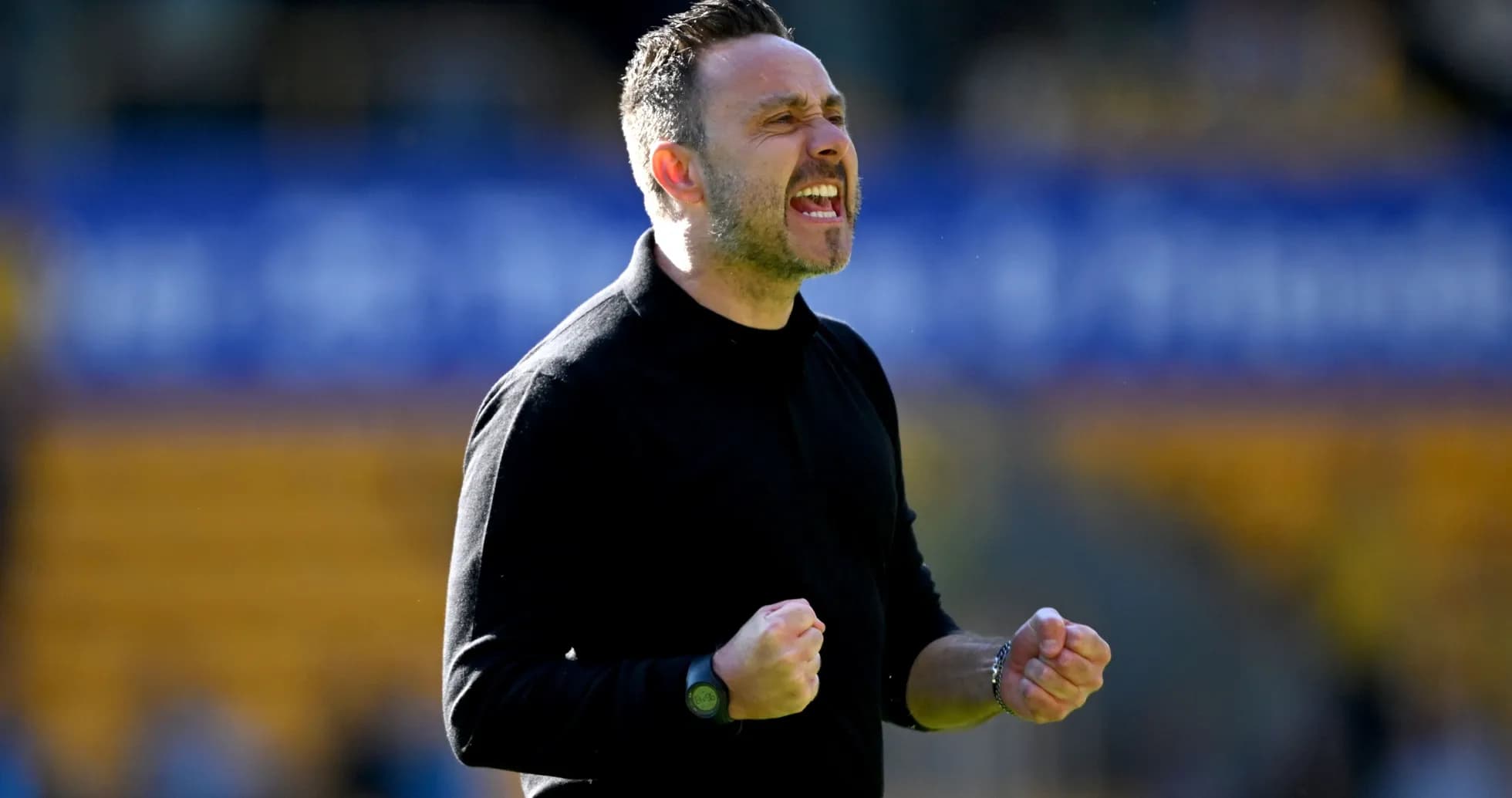
De Zerbi's Tactical Gamble: Managing Porro and Udogie's Fitness
Tottenham fans arrived at the Tottenham Hotspur Stadium expecting a reaction. Instead, the first jolt of the afternoon came before a ball had been kicked.
Pedro Porro and Destiny Udogie were nowhere to be seen.
De Zerbi’s calculated gamble
Both full-backs had started the previous weekend’s goalless stalemate at Nottingham Forest. Both were expected to be central to Roberto De Zerbi’s plan against Everton. Their complete omission from the matchday squad instantly set tongues wagging in the stands and online.
De Zerbi had hinted this might happen. Speaking on Friday, he made it clear he was walking a tightrope with two of his most demanding runners.
“Porro felt a small muscular problem, we have to see tomorrow if he’s available or not but in this moment I don’t want to take any risks. The same [with] Udogie,” he said.
No disguises. No late smokescreens. Just a manager deciding that early-season caution beats long-term damage.
He then spelled out why Porro, in particular, is a delicate case. The right-back’s relentless schedule has caught up with him.
“Porro and Udogie are similar players because one, Pedro played a World Cup, a long World Cup and we already knew after the World Cup it could be a difficult management for him,” De Zerbi explained.
High-intensity full-backs, heavy minutes, a condensed calendar. Something had to give.
Managing Udogie’s fragile rhythm
On the opposite flank, Udogie’s situation is just as finely balanced.
The Italian has struggled to build rhythm in North London, his progress repeatedly checked by fitness setbacks. Tottenham know what a fully fit Udogie gives them – and what they lose when he breaks down. They cannot afford a repeat of last season’s stop-start campaign.
“For Udogie, last season [he] suffered many injuries, he played 60 minutes in Nottingham and we have to manage also Destiny in the best way we can,” De Zerbi added.
So this was not just about Everton. It was about October, November, and beyond.
No Porro. No Udogie. Two pillars of De Zerbi’s wide structure gone in one swoop. The tactical reshuffle was unavoidable.
Fernandes backs the project
If the team sheet brought anxiety, Matheus Fernandes offered a different mood: conviction.
The £85m summer signing has walked into a club still searching for its first win of the campaign, but his belief in where this is heading has not wavered.
He spoke about standards. About quality. About why he chose this project, and this manager, when other giants were circling.
Fernandes arrived from West Ham after a standout spell in East London, turning down interest from Manchester United to join De Zerbi’s Spurs. The decision, he says, was driven by the Italian’s energy on the touchline and clarity off it.
“I believe that I can be a much better player than I was last season,” the Portuguese international said. “If you look at the squad, it's a big team with big players, important players, players with experience, players with a lot of quality. So, when you play with better players, I think you play better. So, I believe that I can be much better.”
It’s a simple message: the environment will raise his ceiling. De Zerbi’s vision, he insists, will eventually translate into results.
Gray and Robertson thrown into the fire
With Porro and Udogie ruled out, the plan had to change. The responsibility shifted quickly.
Archie Gray, still a teenager but already carrying the weight of a sizeable reputation after his move from Leeds United, was asked to step in and steady the right side. Versatile, brave on the ball, and tactically flexible, he has already been used all over the pitch. This, though, was a different kind of test.
Everton’s wide players bring power, direct running, and a willingness to isolate their man. Gray was not just filling a gap; he was being asked to survive a physical examination in one of the league’s most unforgiving roles.
On the left, Andy Robertson offered the opposite profile: experience, nous, and years of high-pressure Premier League football in his legs.
He had to do more than simply stand in for Udogie. De Zerbi’s system leans heavily on the full-backs’ movement – stepping inside to create overloads, then bursting outside to stretch the pitch. Robertson was tasked with mirroring those inverted runs and overlapping surges that usually belong to Udogie in the final third.
Two new full-backs, one established star in midfield, and a manager refusing to gamble on fragile muscles.
Tottenham’s season will be shaped by how quickly those pieces click – and by whether Porro and Udogie can stay on the pitch long enough to make De Zerbi’s blueprint truly come alive.