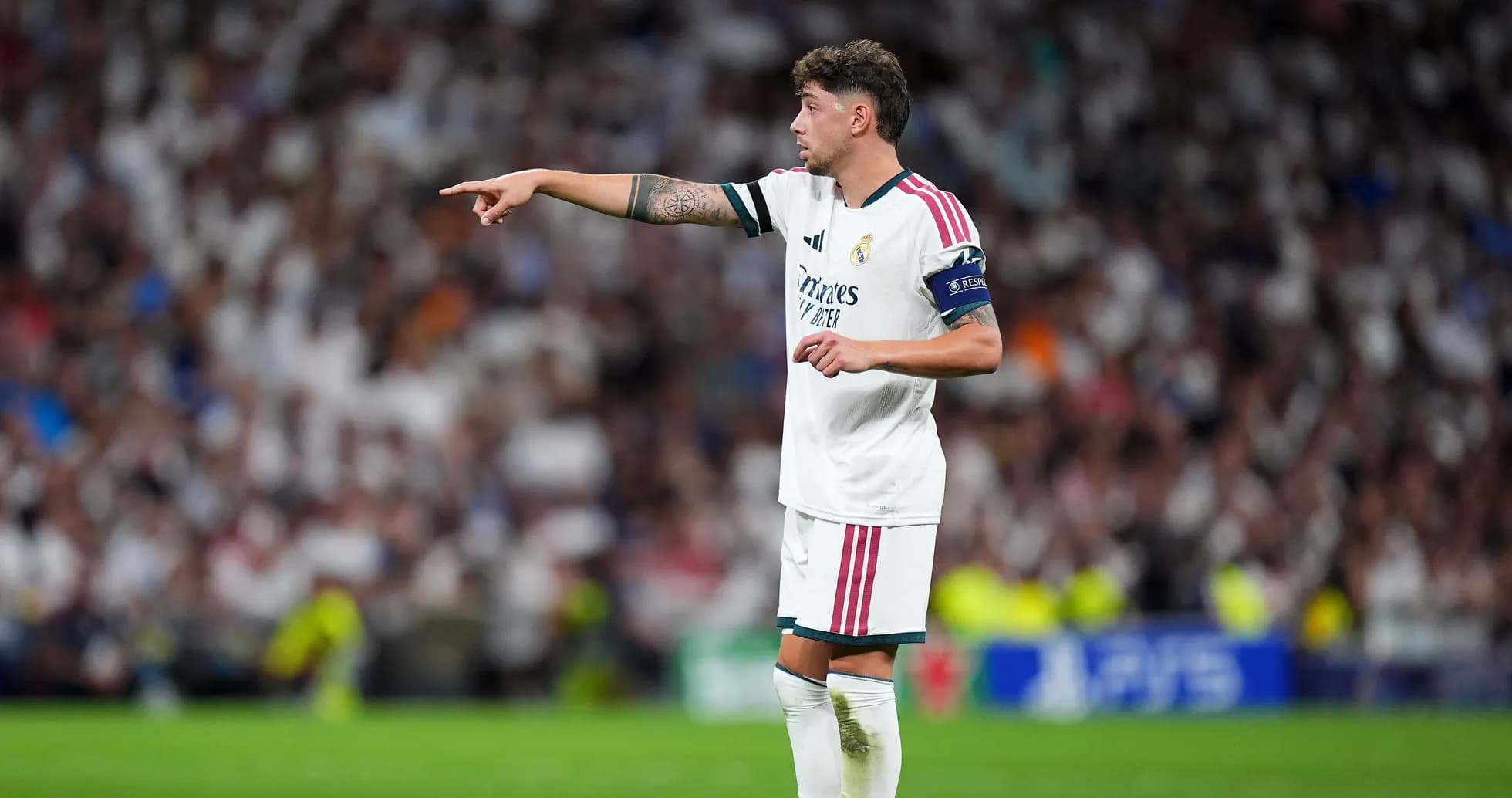
Cristian Volpato Faces Legal Battle After Second Positive Cocaine Test
Cristian Volpato’s insistence that he was the victim of a faulty roadside drug test has been rocked by a second positive result for cocaine, piling pressure on one of the Socceroos’ brightest new stars and raising fresh questions for club and country.
The 22-year-old midfielder, who lit up the World Cup for Australia earlier this year, had repeatedly denied taking cocaine after a roadside test in late July, when police pulled him over for speeding on Anzac Bridge in Sydney.
For weeks, Volpato and those around him argued the initial positive was wrong. They now face a very different landscape.
NSW Police confirmed a secondary sample of his oral fluid, taken for analysis last week, has also returned a positive result for cocaine. Police said in a statement that Volpato has been issued a traffic infringement notice and fined $722.
The sanction adds to what was already a serious driving matter. Volpato has lost his international driver’s licence for six months after being clocked in a BMW at almost 50km/h over the speed limit on the eve of the Italian Serie A season. It happened at the same location where he had been fined for speeding just two hours earlier.
He flew back to Italy the next day, rejoined Sassuolo training and tried to let his football do the talking. He scored twice in the club’s first five league matches, an early reminder of why Australia had been so excited about his emergence.
Then his body gave way.
Volpato limped off in the 38th minute of Sassuolo’s 2-2 draw with Bologna at the weekend with a hamstring injury. The setback is expected to rule him out of Australia’s friendlies against Brazil in Queensland later this month, sparing coach Tony Popovic and Football Australia from any immediate call on his national-team status while the off-field saga unfolds.
For now, the fight shifts to the legal arena.
Volpato’s lawyer, Paul McGirr, said the player is considering appealing the fine and maintained his client’s categorical denial.
“Our client has never touched cocaine and strenuously denies consuming it ever,” McGirr said.
He revealed that immediately after the July incident, Volpato went to a medical facility and submitted to a voluntary urinalysis. According to McGirr, that test showed no traces of cocaine, other drugs or alcohol.
Any appeal would drill into the way the roadside sample was taken and the possibility of contamination, McGirr said.
“We want to look at how it was done,” he said.
Privately, Volpato told family and friends he believed his drink had been spiked while he celebrated a friend’s birthday in the Sydney CBD on July 21, days before the roadside stop.
Sassuolo, keen to protect an asset and a young player under intense scrutiny, released a statement shortly after the initial positive became public. The club said Volpato had undergone further urine and blood tests on his return to Italy, and that those tests had come back negative. Cocaine, though, can clear from blood and urine within days, and it is not known exactly when Sassuolo conducted their checks.
Football Australia confirmed it has been notified of the reported secondary oral test result and is now seeking independent verification. Until that arrives, any disciplinary or selection stance remains on hold.
Popovic, speaking on Tuesday before news of the second positive became public, chose his words carefully when asked whether Volpato had breached team standards.
“These young men, things happen and you can get caught for something that we have to look into,” he said. “There is a process that’s playing out at the moment about that, and we need to follow that process.”
The process will now unfold under a far harsher spotlight. A World Cup breakout, a speeding BMW on Anzac Bridge, a disputed drug test, and a second positive: Volpato’s season has veered sharply away from the script he and Australian football had imagined.