Connecticut FC Edges New England II in Tense Penalty Shootout
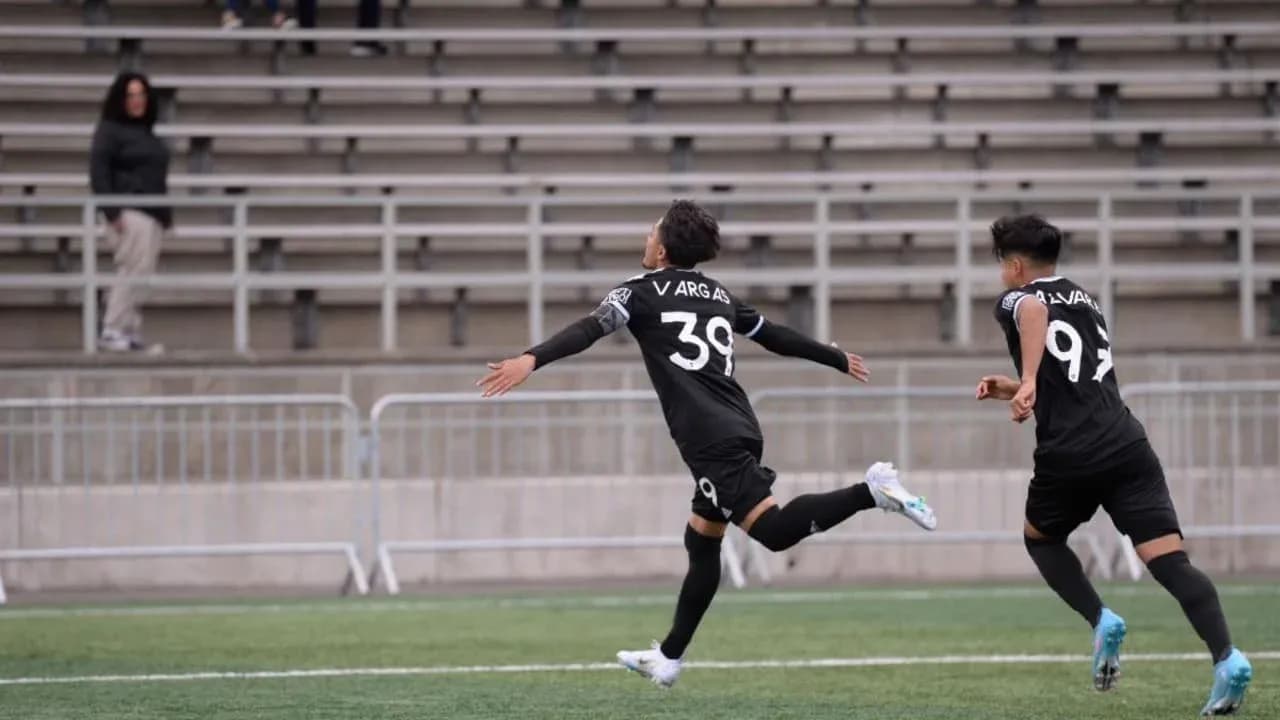
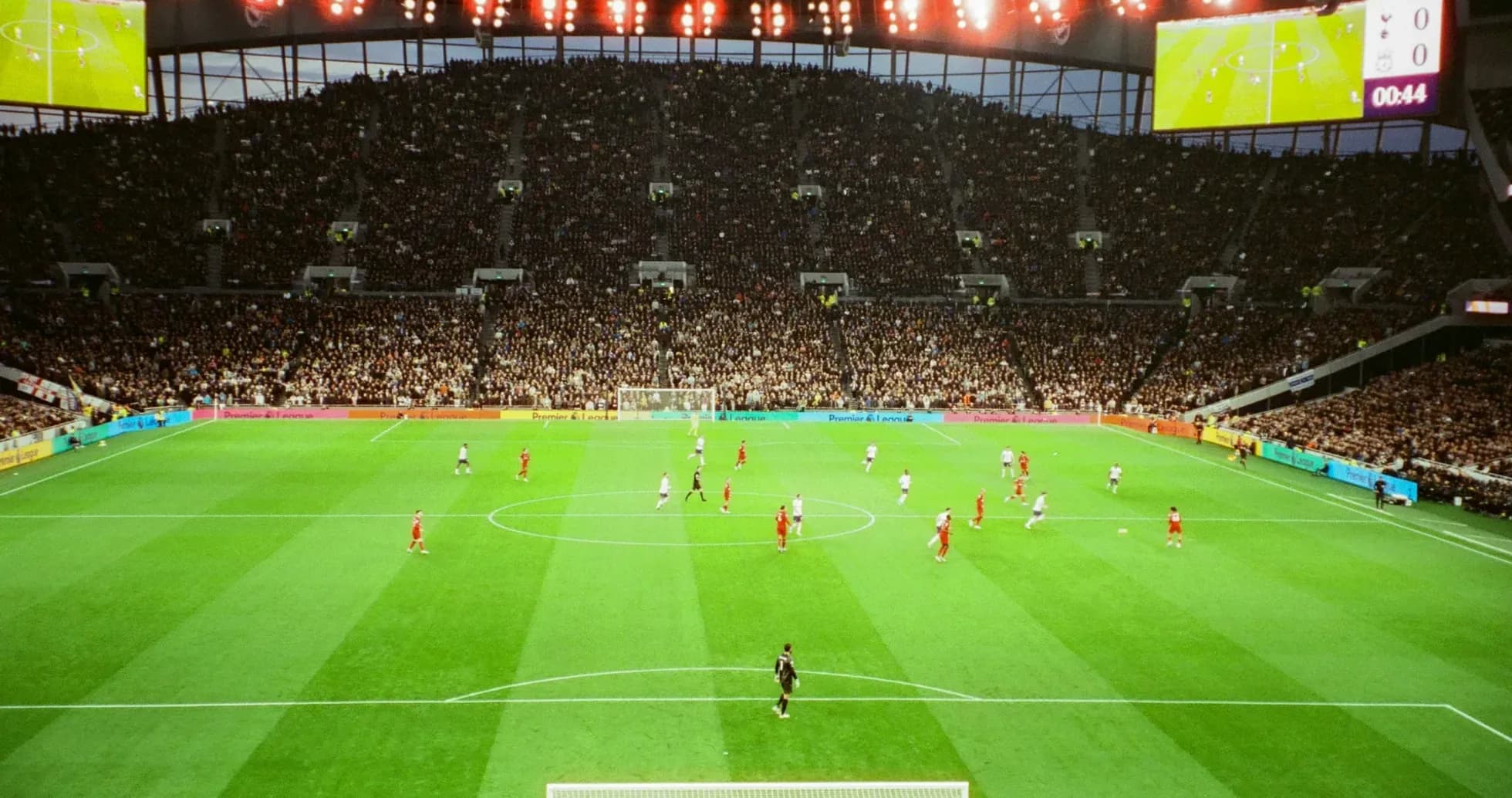
Under the lights at Morrone Stadium, Connecticut FC and New England II played out the kind of tense, tactical stalemate that belongs to knockout football, even if the label here was “Group Stage.” Across 120 minutes the scoreboard refused to budge, but the penalty shootout finally tilted the night toward the hosts, 6–5, after a 0–0 draw in regulation and extra time.
Following this result, it felt less like a routine MLS Next Pro group game and more like a stress test of two very different footballing identities. Connecticut, sitting 6th in the Northeast Division and 12th in the Eastern Conference with 8 points from 8 matches, came in as a team still searching for balance: 11 goals scored overall against 15 conceded, a goal difference of -4 in the stats snapshot, and a form line that veered wildly between wins and long losing streaks. New England II, 5th in the Northeast and 9th in the East with 11 points from 7 games, arrived with a sharper edge: 9 goals for and 7 against overall, a positive goal difference of 2 and a season narrative built on home dominance and away fragility.
Yet for all that pre-match contrast, the game itself compressed into a narrow band of margins, where structure and mentality mattered more than attacking fluency.
I. The Big Picture: Identities Under Pressure
Connecticut’s season data paints a side that is more dangerous on their travels than at home. On their travels they average 1.6 goals for and 2.0 against, but at home that drops to 1.0 scored and 1.7 conceded. Their overall attacking output of 1.4 goals per match is offset by 1.9 conceded, which explains the negative goal difference and the “WLWLLLLW” form line: streaky, volatile, and often too open.
New England II are the inverse. At home they look like contenders, averaging 1.6 goals for and just 0.8 against. Away, the numbers plunge to 0.5 scored and 1.5 conceded, with 0 wins and 2 defeats on their travels. The underlying pattern is clear: a side that compresses the game well at home but struggles to translate that control into hostile environments.
In Morrone Stadium, the script bent toward Connecticut’s need for stability. They did not play like a team that concedes 1.9 per match overall; instead, they leaned into a compact, disciplined shape that protected the penalty shootout as a viable path to victory.
II. Tactical Voids and the Discipline Battle
There were no formally listed absentees, but the tactical voids were structural rather than personnel-based.
Connecticut’s season-long disciplinary profile is a red flag: yellow cards cluster heavily between 31–45 minutes (25.00%) and 76–90 minutes (29.17%), with a red-card spike in the 76–90 window at 100.00% of their reds. This is a team that typically frays as halves close, especially late on.
New England II, by contrast, distribute their yellows more evenly but still spike in the second half: 26.32% of their yellow cards arrive between 46–60 minutes, with a combined 42.10% from 61–90. They are aggressive after the break, often walking a fine line between proactive pressing and unnecessary risk.
In this match, the absence of goals hinted that both benches had clearly read those trends. Connecticut resisted the urge to over-commit late, prioritizing line integrity over transition chaos. New England II, who usually ramp up intensity after half-time, found themselves pushing against a home side that refused to crack under the kind of late pressure that has undone them in the league.
III. Key Matchups: Hunter vs Shield, Engine Room vs Enforcer
Without explicit top-scorer data, the “Hunter vs Shield” battle was defined by roles rather than numbers.
For Connecticut, the attacking trident of Caua Paixao, E. Gomez and A. Monis formed the primary threat. Paixao, wearing 9, was the natural reference point up front, with Gomez and Monis offering the fluidity between lines. Their task was to test a New England II defence that, overall, concedes 1.0 goals per game but is much more generous on their travels at 1.5.
Opposite them, New England II’s back line anchored by C. Mbai Assem, S. Mimy and J. Shannon had to transpose their home solidity into an away environment. Across the season they have shown a particular vulnerability in the final quarter of matches: 50.00% of their goals conceded arrive between 76–90 minutes, with another 33.33% between 31–45. This is a defensive unit that can be prised open as halves wear on.
The “Engine Room” duel was just as decisive. For Connecticut, S. Sserwadda and R. Perdomo were the stabilisers. Their season’s numbers show a side that rarely draws (0 draws overall), which usually implies games that swing wildly. Here, Sserwadda’s metronome passing and Perdomo’s screening work stitched together a more controlled version of Connecticut, one that could live with long spells without the ball and still carry enough threat in transition.
New England II’s midfield, led by G. Dahlin and supported by the likes of C. Zambrano and M. Wells, typically drives their early scoring surges. Their goals-for distribution shows a pronounced early- and mid-game presence: 14.29% of goals between 0–15 minutes, 28.57% between 16–30, and another 28.57% in both the 46–60 and 61–75 ranges. This is a side built to strike before fatigue and game state complicate their patterns.
On this night, Connecticut’s midfield screen blunted that rhythm. New England II never found the sustained central superiority that usually feeds J. Da and M. Morgan between the lines, and the match drifted toward a stalemate that suited the hosts more.
IV. Statistical Prognosis and Penalty Epilogue
If we layer in an Expected Goals lens, the underlying data from the season suggests New England II generally generate slightly more controlled attacking value, especially at home, while Connecticut’s matches are higher variance, with more defensive exposure. On neutral terms, a pre-match model would likely have leaned marginally toward New England II, given their positive goal difference and four-game winning streak earlier in the campaign.
Yet the defensive solidity Connecticut showed here—mirroring their only clean sheet at home this season and improving upon it—reshaped the probabilities. They leaned into their one recorded clean sheet at home and extended the template: compact lines, disciplined spacing, and a willingness to take the game to penalties.
Both sides entered the night with no penalties taken or missed in league play—0 total, 0% conversion, 0% missed—so the shootout was a step into the unknown. Connecticut’s 6–5 edge from the spot becomes more than just a tiebreak; it is a psychological turning point for a team that has spent much of the season chasing equilibrium.
Following this result, Connecticut emerge not just with progression in hand, but with a new defensive blueprint. New England II leave Morrone Stadium reminded that their away issues are not merely statistical noise: their inability to convert territorial control into goals, especially late, remains the tactical riddle they must solve if they are to turn promise into a sustained campaign.