Charleston Battery Dominates FC Tulsa 5–1 in USL Championship Clash
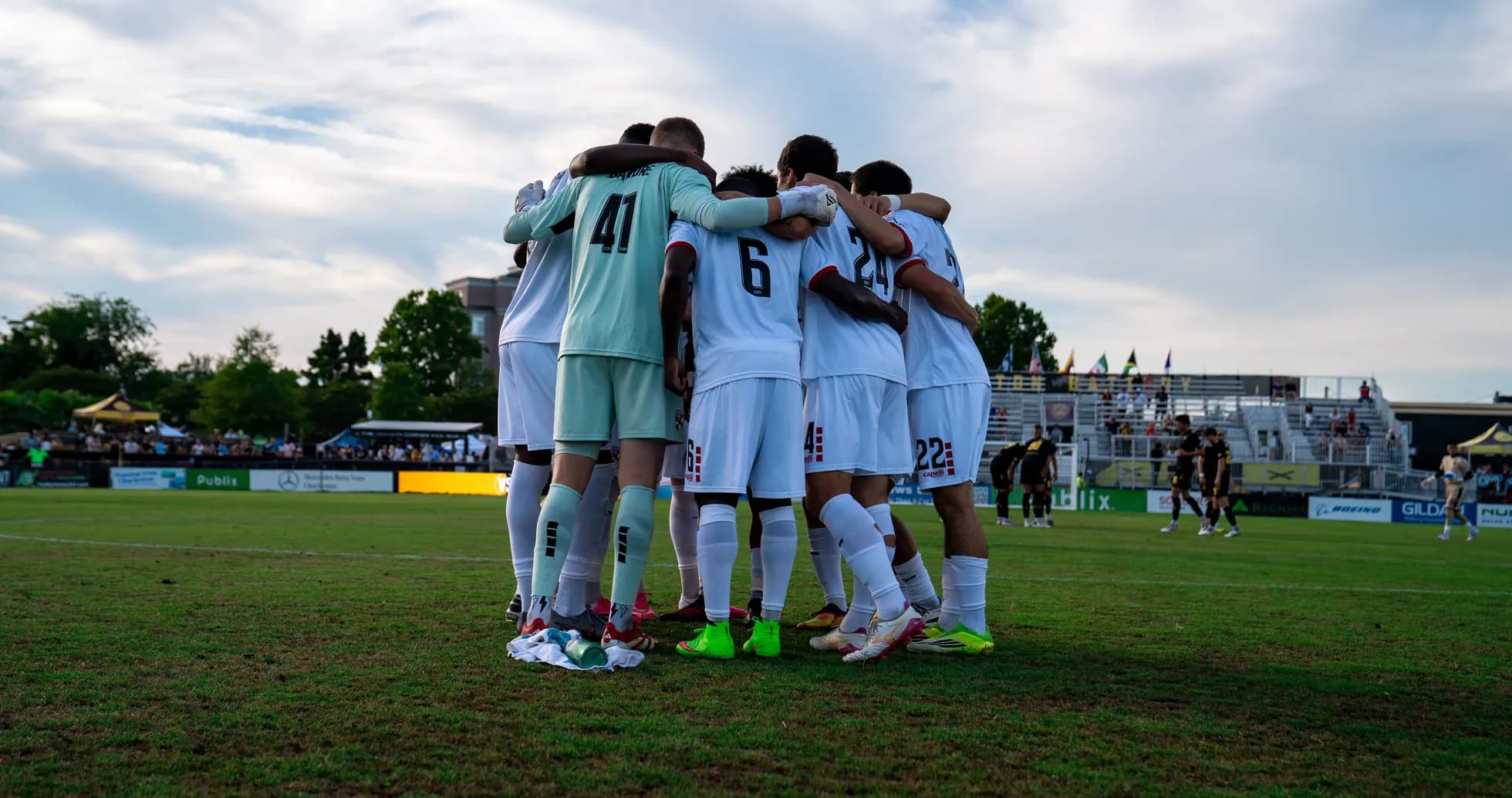
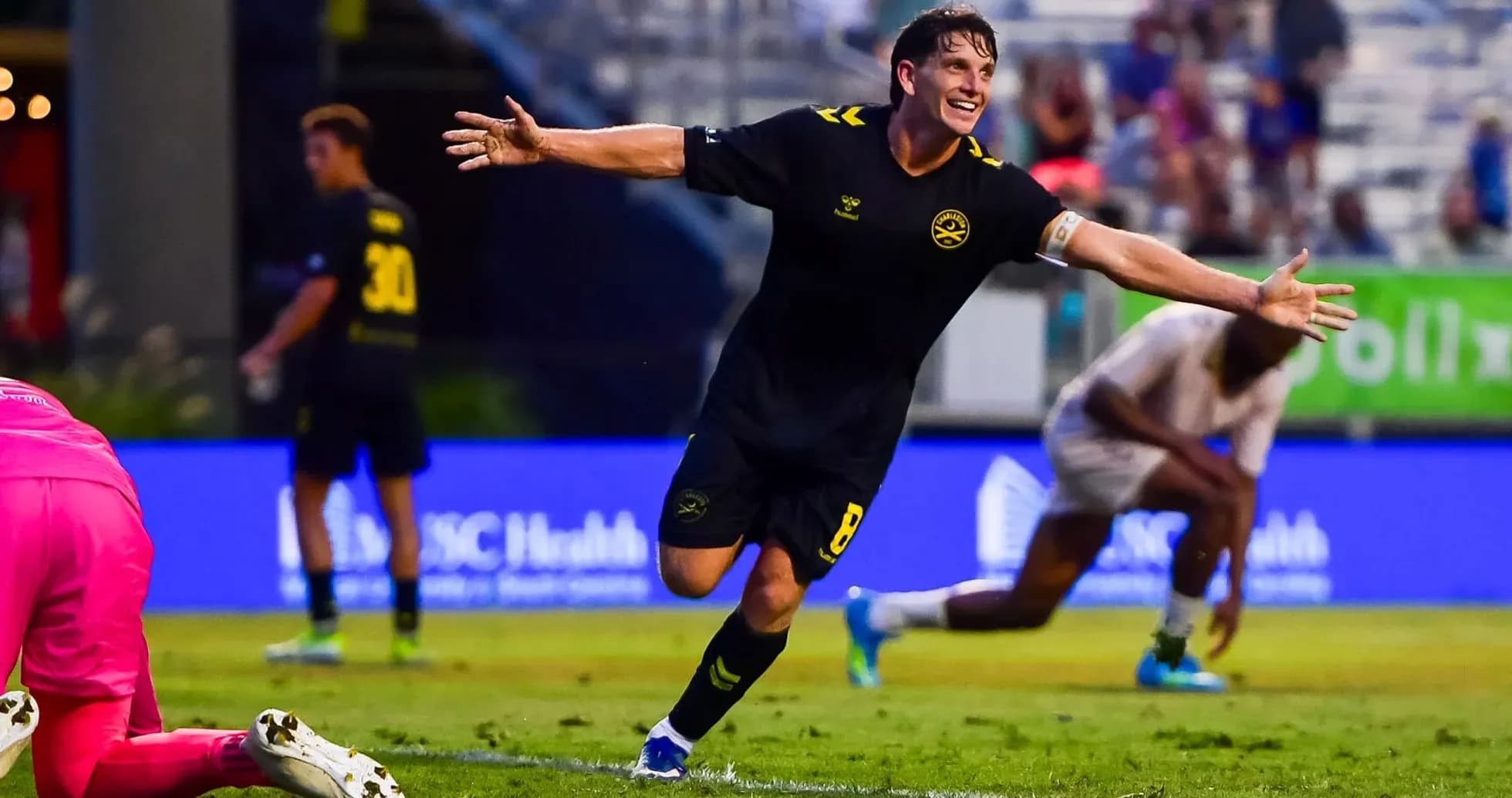
Under the lights at Patriots Point Soccer Complex, Charleston Battery turned what looked like a balanced USL Championship clash into a statement of intent. In a Group Stage meeting that finished 5–1 in their favour, they dismantled FC Tulsa with a ruthless first-half blitz and a controlled, almost swaggering second period. Following this result, the league table and the broader narrative around both squads feel subtly but decisively altered.
Heading into this game, Charleston were already one of the league’s most intimidating home sides. They had played 6 matches at home, winning 5 and drawing 1, scoring 17 and conceding just 5. That home goal difference of 12 was the platform for their promotion push, contrasting sharply with a vulnerable away record. Overall, they had 21 goals for and 16 against in 12 matches, a total goal difference of 5 that underscored how much of their identity is built on Patriots Point. FC Tulsa arrived with a more balanced profile: 11 matches in total, 14 goals for and 14 against, a total goal difference of 0, and a respectable away return of 8 goals scored and 10 conceded across 6 trips.
From the opening whistle, the fixture unfolded like a clash between a side fully at home in its surroundings and one still learning its own limits. Charleston’s starting XI, anchored by goalkeeper L. Zamudio and a defensive line featuring D. Martinez, G. Smith, J. Akpunonu and N. Messer, looked physically imposing and mentally assured. In front of them, the midfield pairing of E. Ycaza and K. Pakhomov provided the game’s rhythm, with M. Foster, M. Berry, J. Kelly and C. Swan offering a fluid, interchangeable front line.
Tulsa’s shape was more conservative. With A. Tambakis in goal and a back line including Ian, A. Clarke, L. Batista and L. Stauffer, they tried to keep things compact, trusting a midfield core of G. Colli and J. Kocevski to knit play together and release the likes of G. Robinson, B. Sparks, R. Cabral and J. Webber. On paper, Tulsa’s away averages of 1.3 goals scored and 1.7 conceded suggested a team capable of trading blows but vulnerable when the tempo rose. Charleston’s home averages of 2.8 goals for and 0.8 against hinted that if this turned into a track meet, there would only be one winner.
First Half
The first half, which Charleston won 3–1 by the interval, was where the tactical story crystallised. Without official formations listed, the patterns told their own tale. Charleston pushed their wide players high, with Foster and Swan stretching Tulsa’s full-backs, while Berry and Kelly constantly attacked the spaces between centre-backs and midfield. Ycaza, operating as the quiet conductor, linked lines with short, sharp passes, allowing Charleston to recycle possession and pin Tulsa deep.
Defensively, Charleston’s season profile had already shown a team that could keep its shape at home: only 5 goals conceded in 6 home matches, an average of 0.8 per game. Here, even with Tulsa finding a first-half reply, Zamudio and his back four rarely looked stretched. The aggression was controlled rather than reckless, which fits a disciplinary pattern where Charleston’s yellow cards are spread across the match, with notable peaks at 31–45 minutes and 76–90 minutes (23.08% in each range). It speaks to a side that knows when to disrupt rhythm and when to sit in.
Tulsa, by contrast, showed the same fragility that has occasionally haunted them on their travels. Their biggest away defeat in the league so far had been 5–1, and this match echoed that storyline. The defensive unit struggled to track Charleston’s rotations between the lines. While Colli and Kocevski tried to hold the midfield, they were often outnumbered or forced to chase, and once Charleston broke the initial press, Tulsa’s back line had to defend large spaces facing their own goal.
One of the more intriguing undercurrents was the disciplinary and emotional management of the contest. Tulsa’s yellow-card distribution this season spikes in the 61–75 minute window (25.81%), reflecting a tendency to lose control when chasing games in the second half. As Charleston extended their lead after the break to 5–1, that psychological pattern felt almost pre-written: Tulsa pushed higher, left more gaps, and the hosts punished them with clinical transitions and sustained pressure.
Charleston's Attack
From a “Hunter vs Shield” perspective, Charleston’s attack at home has been one of the league’s most potent weapons. With 17 home goals heading into this match and a total average of 1.8 goals per game overall, they already carried a heavyweight punch. Tulsa’s defence, conceding 10 goals away at an average of 1.7 per match, was always going to be stressed. The 5–1 scoreline did not feel like an anomaly; it was the statistical fault line between a dominant home attack and a fragile away back line finally cracking.
Midfield Battle
In the “Engine Room” duel, Ycaza and Pakhomov’s control of tempo and territory decisively outshone Colli and Kocevski. Charleston’s midfielders consistently found their forwards between the lines, while Tulsa’s creators were often forced backwards or sideways. That territorial dominance, layered on top of Charleston’s already strong home defensive record and their 3 clean sheets overall this season, meant Tulsa were always working uphill.
In xG terms, the pattern of the game would almost certainly mirror the scoreline: Charleston generating a high volume of quality chances through sustained pressure and incisive movement, Tulsa limited to moments rather than phases. Defensively, Charleston’s overall average of 1.3 goals conceded per game is inflated by their away vulnerabilities; at home, their 0.8 average feels more representative of their true level. This match simply reinforced that split identity.
Following this result, Charleston look every inch a promotion contender shaped by their fortress mentality at Patriots Point, their attacking depth, and a squad spine that understands its roles. Tulsa, despite a solid overall campaign and a run of 3 straight wins earlier in the season, are reminded that to be more than play-off hopefuls, they must harden their defensive core on the road and find a way to survive nights like this, when a ruthless home side turns pressure into punishment.