Celtic's Collapse: Callum McGregor's Blunt Assessment After Rangers Defeat
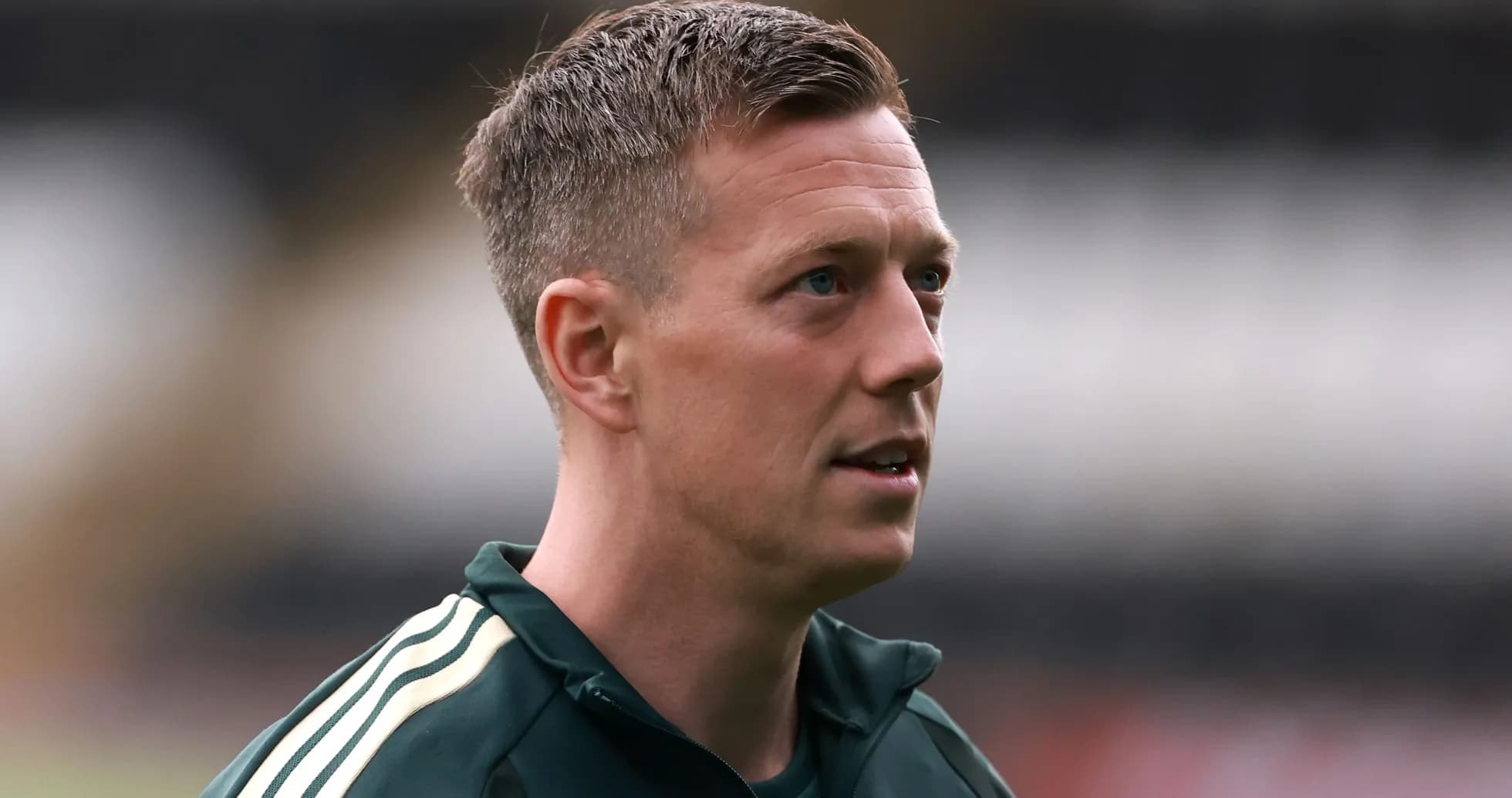
Callum McGregor did not bother softening the blow.
In the aftermath of Celtic’s humbling three-goal defeat to Rangers at Ibrox, the captain stood in front of the cameras and stripped the performance bare. No excuses. No sugar-coating. Just a blunt assessment of a team he felt had fallen apart on the biggest domestic stage.
“It wasn't us,” he told Sky Sports, the words landing as heavily as any tackle. “The difference between the two sides was you saw a team and then you saw a team of individuals as well.”
That was the heart of his anger. Rangers, he said, looked like a collective. Celtic did not. In a quarter-final where cohesion and discipline were non-negotiable, Celtic disintegrated into what McGregor described as a group of players all doing their own thing.
He was particularly scathing about the work without the ball. For a captain who has built his career on graft and responsibility, what he saw behind him and around him cut deep.
“We looked like a team of individuals who like to do our own thing and play when we got the ball,” he said. The problem, as he pointed out, was what happened when they didn’t have it. Players switched off, stopped running, stopped tracking. At Ibrox, that is a death sentence.
“Not necessarily run when you don't have the ball, [which is] the thing you can't do when you come here,” he added, underlining the unforgiving nature of the venue and the fixture.
The message was stark: this isn’t a place where you can pick and choose your moments. Every duel, every second ball, every sprint matters. McGregor hammered that home with one of the most telling lines of the interview.
“You can't defend with six players, it's impossible.”
That single sentence laid bare his view of the imbalance in the side. Too many passengers. Too many waiting for the ball instead of doing the ugly work that underpins winning teams. Rangers punished that imbalance ruthlessly.
The timing of this collapse only deepened the sense of crisis. Celtic arrived at Ibrox still reeling from a European nightmare. In Champions League qualifying, they had held what looked like an unassailable 3-0 first-leg lead over Austrian side LASK. They then imploded, losing 5-1 on the night and 5-4 on aggregate.
Two games. Two defensive collapses. Two scars that will not fade quickly.
That recent trauma was clearly in McGregor’s mind as the goals flew in again at Ibrox. He admitted that part of his job during the game became damage limitation, a captain trying to stop another embarrassment from spiralling out of control.
“[Y]ou don't want fours and fives for sure,” he said. “As soon as the goals go in, then I'm saying to Cameron Carter-Vickers and Liam Scales, no more goals.”
It was a revealing glimpse into the mindset on the pitch: not chasing miracles, just trying to draw a line under the punishment. For Celtic, that in itself is an indictment of where they are mentally after a brutal fortnight.
There is no time to lick wounds. The schedule offers no hiding place.
On Thursday, Celtic Park hosts Ferencvaros in the Europa League, a match that now feels loaded with far more than group-stage points. It is a test of character, of pride, of whether this squad can respond to their captain’s public challenge.
Then comes the immediate domestic rematch. Rangers again, this time in the Scottish Premiership, under the glare of a home crowd that will demand a reaction, not words.
McGregor has drawn the line. The question now is whether his teammates are willing – and able – to step over it with him.